US stocks climbed to record closing highs as AI-linked tech and chip shares drove gains in both the S&P 500 and Nasdaq. The rally faced pressure from hotter-than-expected inflation data, with a jump in producer prices reviving expectations of prolonged Federal Reserve tightening. Investors also weighed Trump-Xi talks and rising geopolitical risks, alongside a Morgan Stanley S&P target upgrade.
Apple has reportedly held exploratory discussions with Intel and Samsung Electronics about producing the main processors for its devices, according to Bloomberg, citing people familiar with the talks. The move, if pursued, could diversify Apple’s chip supply chain and reshape how key processors are manufactured, with implications for US-based production and long-term sourcing strategy.
Your news, in seconds
Get the Beige app — every story in 60 words, updated hourly. Free on iOS & Android.
Amazon says generative AI infrastructure and its cloud engine are driving results, with net profit rising 77% to $30.3 billion. AWS grew 28% to $37.6 billion and funds other bets. In India, Amazon Now is expanding rapidly, with orders up 25% month over month and Prime members tripling shopping frequency after adopting it.
The US Commerce Department has directed several chip equipment companies to pause some shipments to China’s Hua Hong, widely seen as a key player in advanced chip production. Firms like Lam Research, Applied Materials, and KLA are reportedly affected. The restrictions are designed to slow China’s progress on cutting-edge, AI-focused chip capabilities and preserve US technological leadership.
Chinese AI startup DeepSeek has launched its V4 model specifically adapted to run on Huawei chips, rolling out both Pro and lighter “Flash” variants. The move underscores Beijing’s push to build an independent AI stack, reducing reliance on foreign compute. By aligning advanced models with domestic hardware, DeepSeek is highlighting progress in China’s broader AI infrastructure.
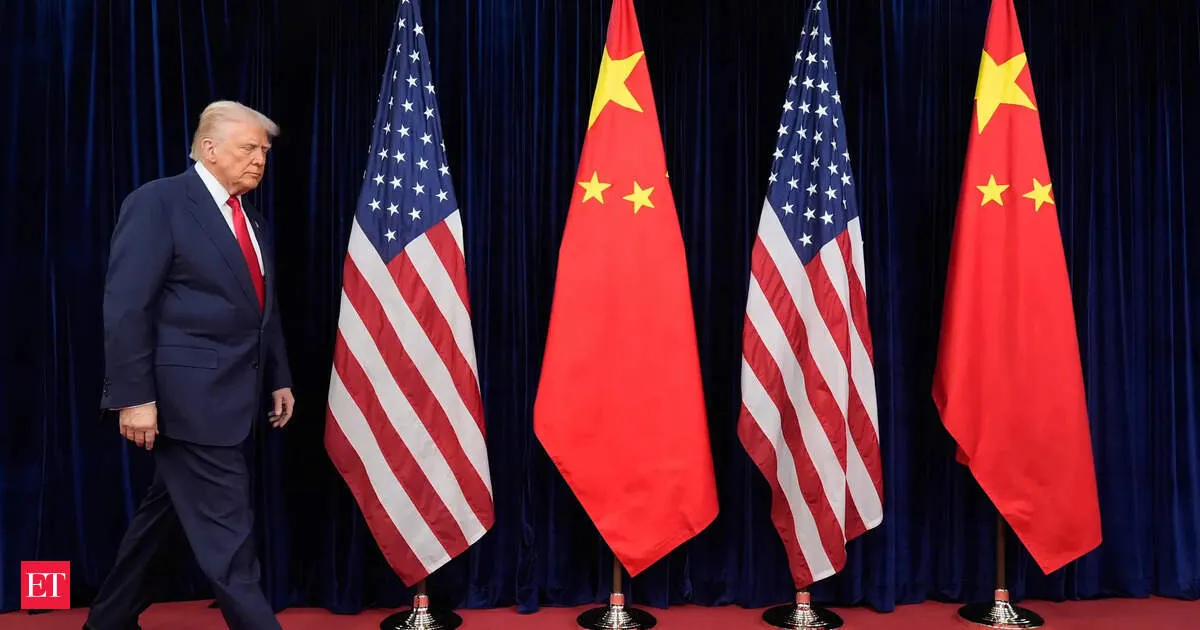
After tariffs fail to cool tensions, the US is accusing China of stealing AI intellectual property, pushing rivalry into a more dangerous tech and security arena. Analysts warn the dispute could hit chip sales and widen competition for control of AI capabilities. China is narrowing performance gaps, while the US faces the challenge of aligning private innovation with national security.
Never miss a story
Set alerts for the topics and sources you care about. Download Beige for free.
Swipe through stories, personalise your feed, and save articles for later — all on the app.