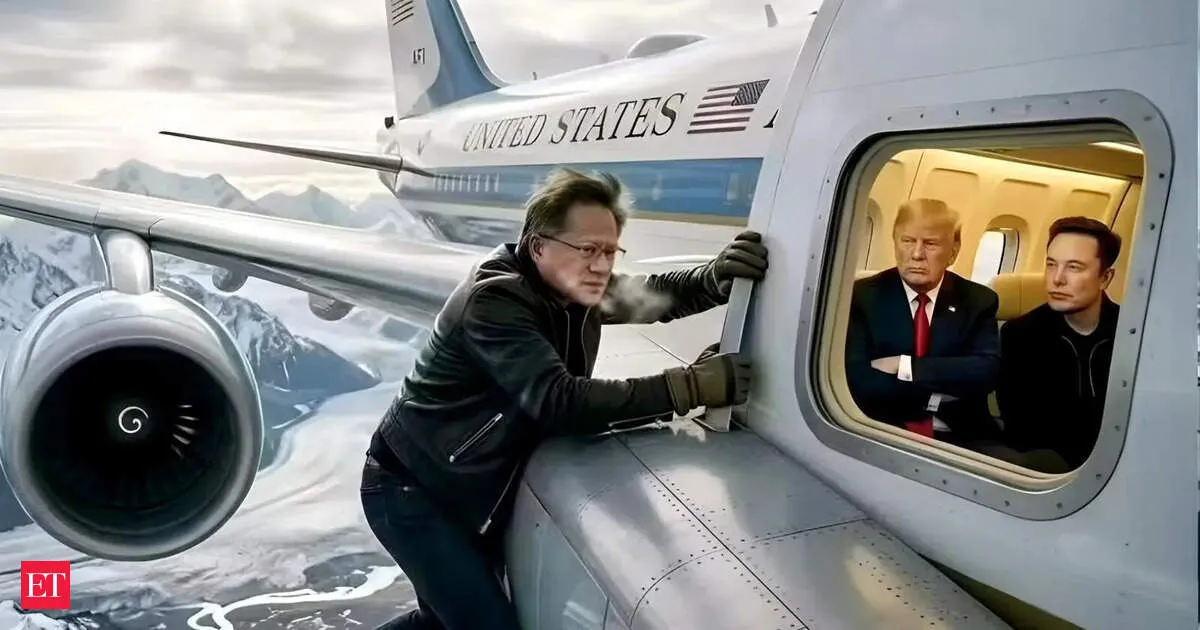
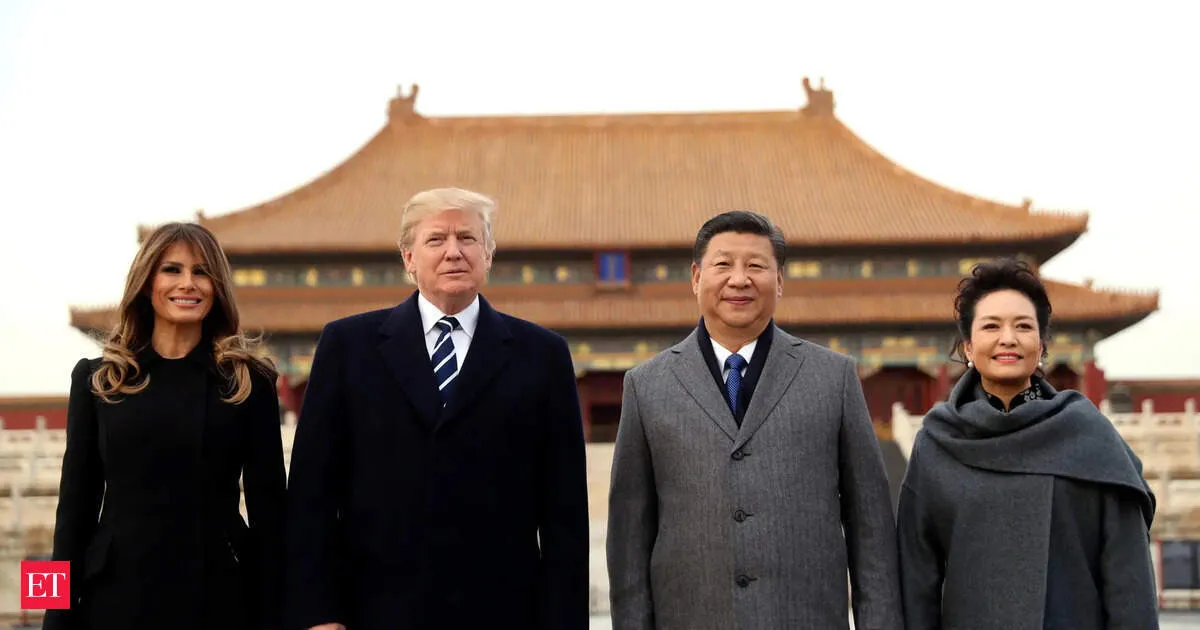
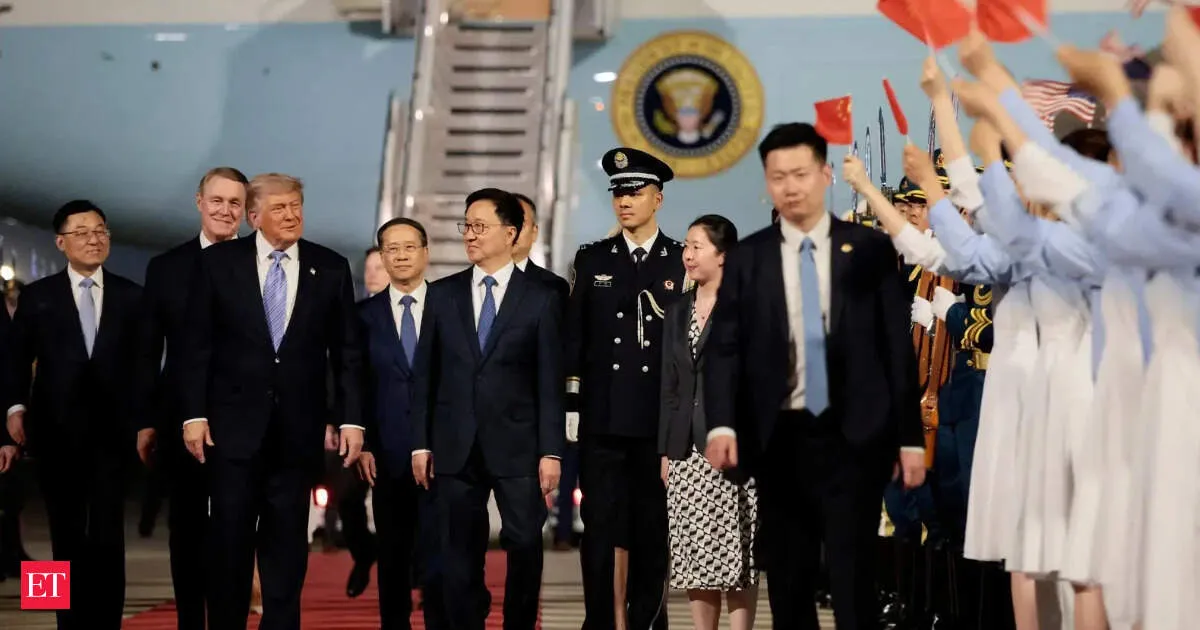
After two days of high-level talks in Beijing, U.S. officials returning on Air Force One were ordered to surrender items brought from China, including staff burner phones, credential badges, and lapel pins. White House staffers and reporters reportedly had to throw the seized objects in a bin at the bottom of the plane’s stairs before boarding. The move suggests strict counterintelligence measures, with analysts pointing to the risk of bugged gifts and the targeting potential of newly issued burner devices.
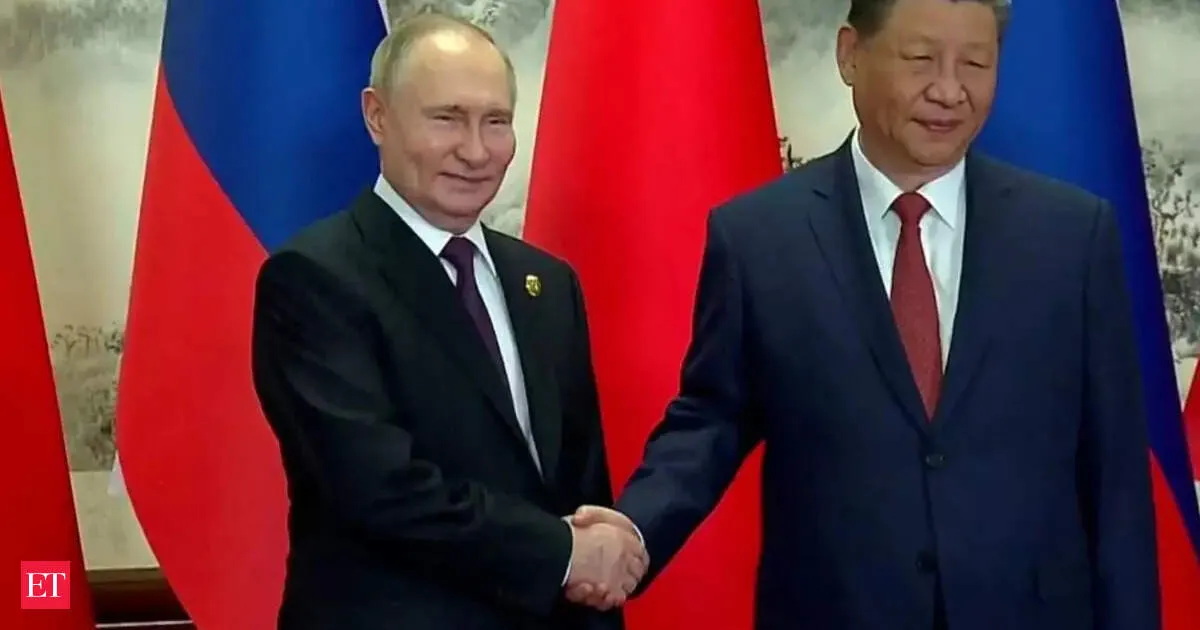
Russian President Vladimir Putin will visit China on May 19 for two days, aiming to expand ties with Xi Jinping and sign a joint declaration. The trip comes right after Donald Trump’s high-profile return to Beijing, where major trade and geopolitical disputes, including Ukraine, remained unresolved. Putin will also discuss economic and trade cooperation with Premier Li Qiang. With Western sanctions squeezing Russia’s energy access, China remains Moscow’s crucial buyer of oil and gas.
Your news, in seconds
Get the Beige app — every story in 60 words, updated hourly. Free on iOS & Android.
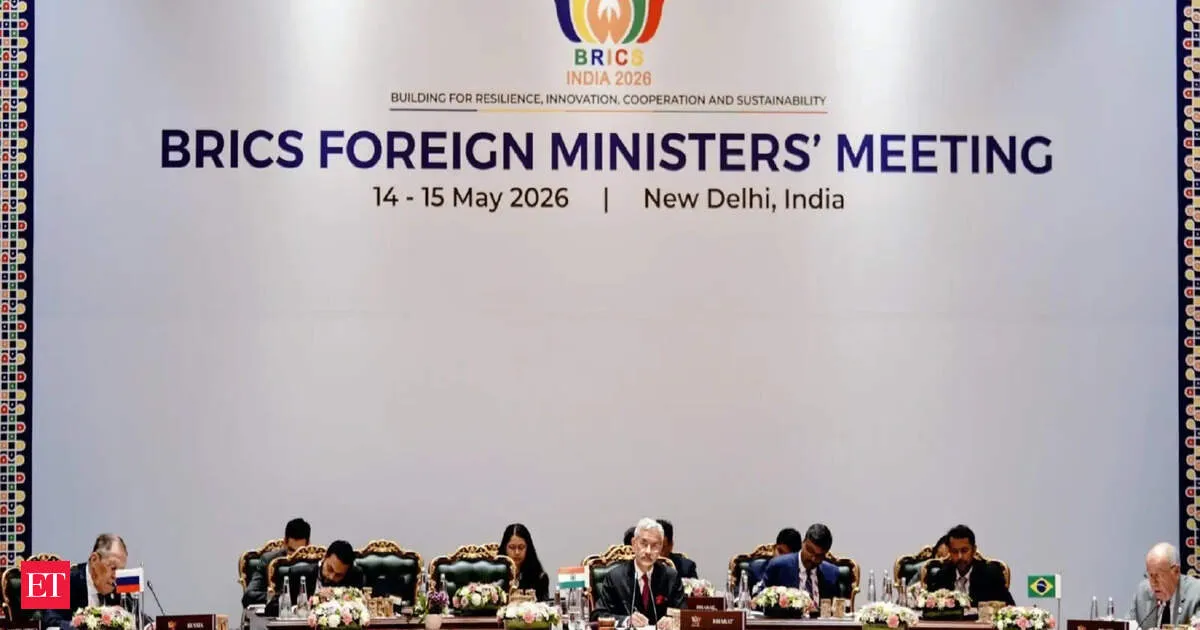
China’s ambassador to India, Xu Feihong, congratulated New Delhi for hosting the BRICS Foreign Ministers’ Meeting, calling the talks constructive despite a fast changing global landscape. Speaking in place of absent FM Wang Yi, Xu said the Chair’s Statement and Outcome Document reflect broad consensus on international issues, BRICS development, and reform of global governance. He said China, as incoming chair, will deepen solidarity and proposed stronger strategic coordination, economic ties, innovation, and people to people links.
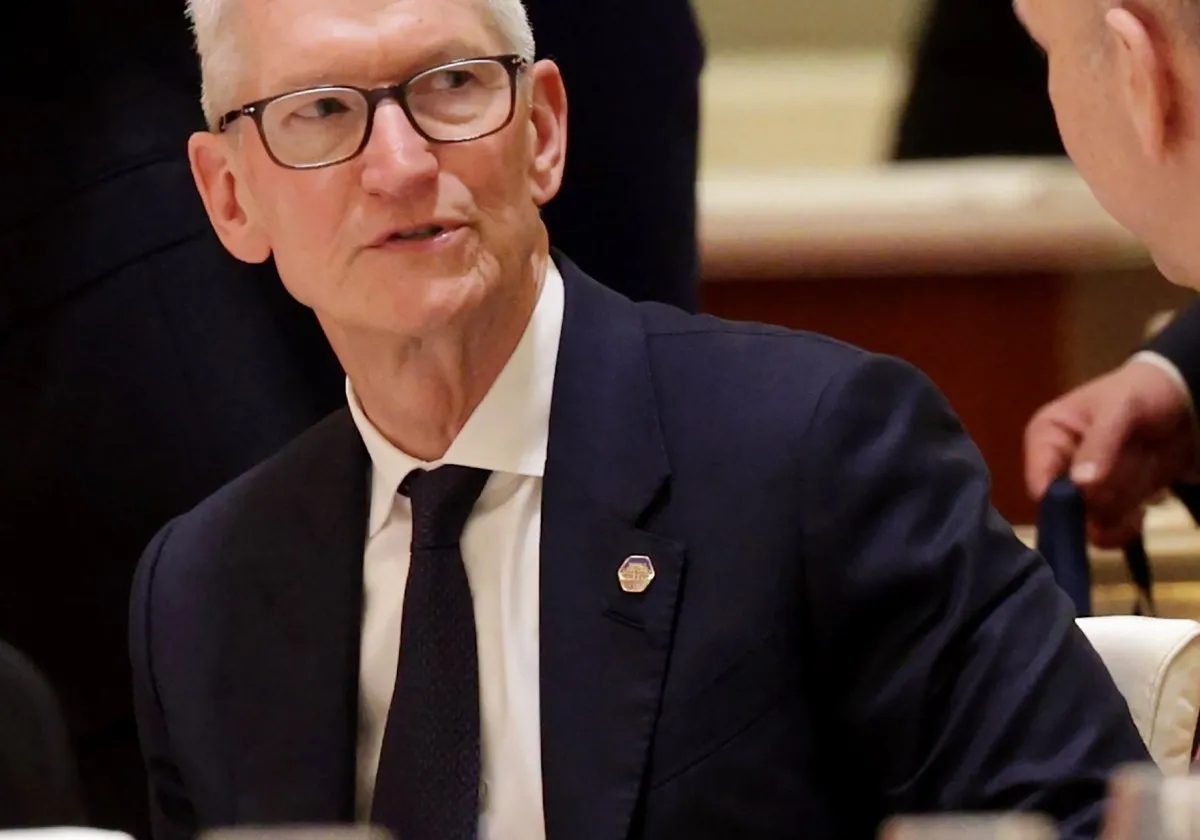
A high-profile group of U.S. corporate leaders, including Apple, Meta, Boeing, Cargill, and Goldman Sachs executives, traveled to Beijing with President Donald Trump for a China leadership summit. While officials offered red-carpet treatment and optimism, analysts said the visit’s goal was more about creating political “guardrails” than landing massive deals. Concrete progress appears limited: Boeing orders reportedly involve 200 jets, below past expectations, and permission for Nvidia’s H200 AI chip remains unresolved despite signs the trip could help.
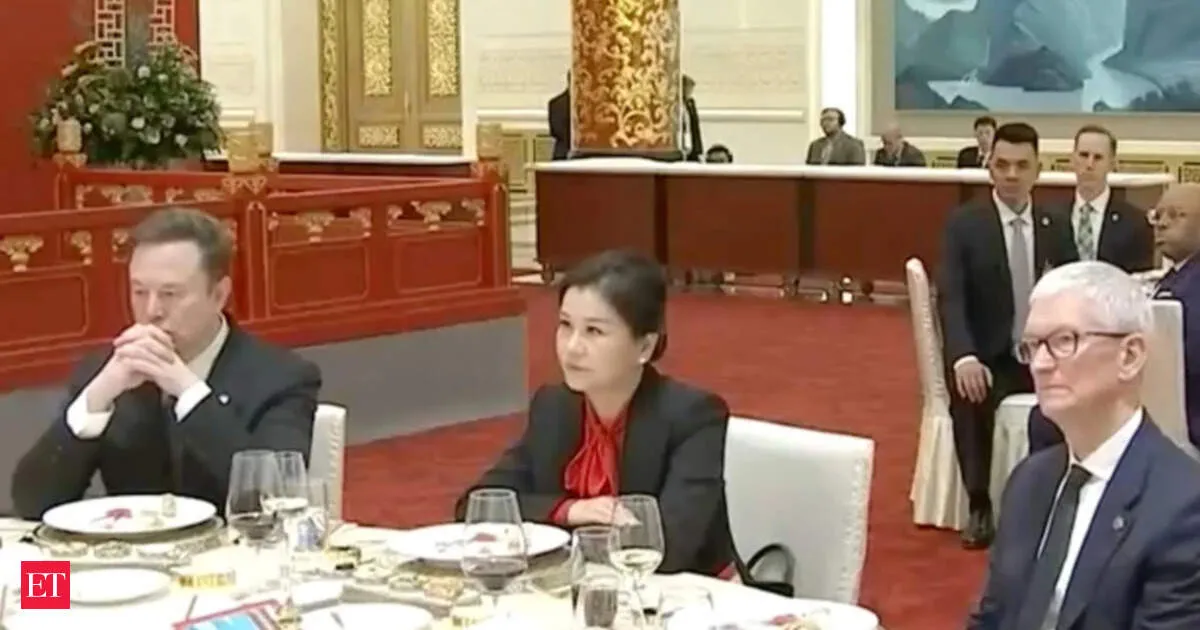
Zhou Qunfei, China’s richest woman, went from rural Hunan factory shifts after leaving school at 15 to building Lens Technology, a precision manufacturing powerhouse. From a risky glass-screen printing workshop in 1993, her company grew into a critical supplier for Apple and later expanded its materials expertise into electric vehicles, AI hardware, smart cockpit systems, robotics and even aerospace-linked applications. A state banquet seat between Tim Cook and Elon Musk underscored how manufacturing giants now shape global tech supply chains.
President Donald Trump’s high-stakes China trip is drawing buzz beyond diplomacy because Melania Trump is not traveling. Instead, three women from Trump’s inner communications circle accompany him to Beijing: Anna Kelly, deputy White House press secretary; Natalie Harp, an aide nicknamed “human printer”; and Margo Martin, another key media operator. Their behind-the-scenes work—press management and social media execution—has become a focus as Trump prepares to push Xi Jinping on trade and purchases of American goods.
Never miss a story
Set alerts for the topics and sources you care about. Download Beige for free.
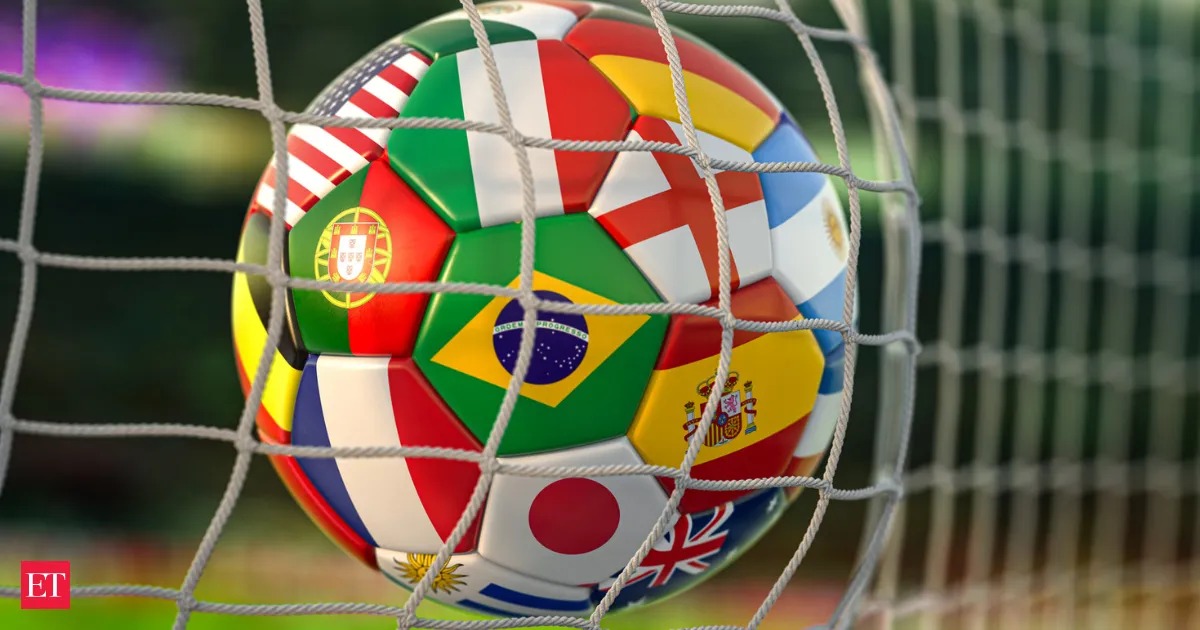
China Media Group said it has struck a FIFA broadcasting deal covering four World Cup tournaments, ending a rights standoff less than a month before the 2026 men’s World Cup begins in the US, Mexico and Canada. The package includes men’s events in 2026 and 2030 and Women’s World Cups in 2027 and 2031, with exclusive media and sub-licensing rights in mainland China. It spans free-to-air and paid TV plus online and mobile distribution, but financial terms remain undisclosed.
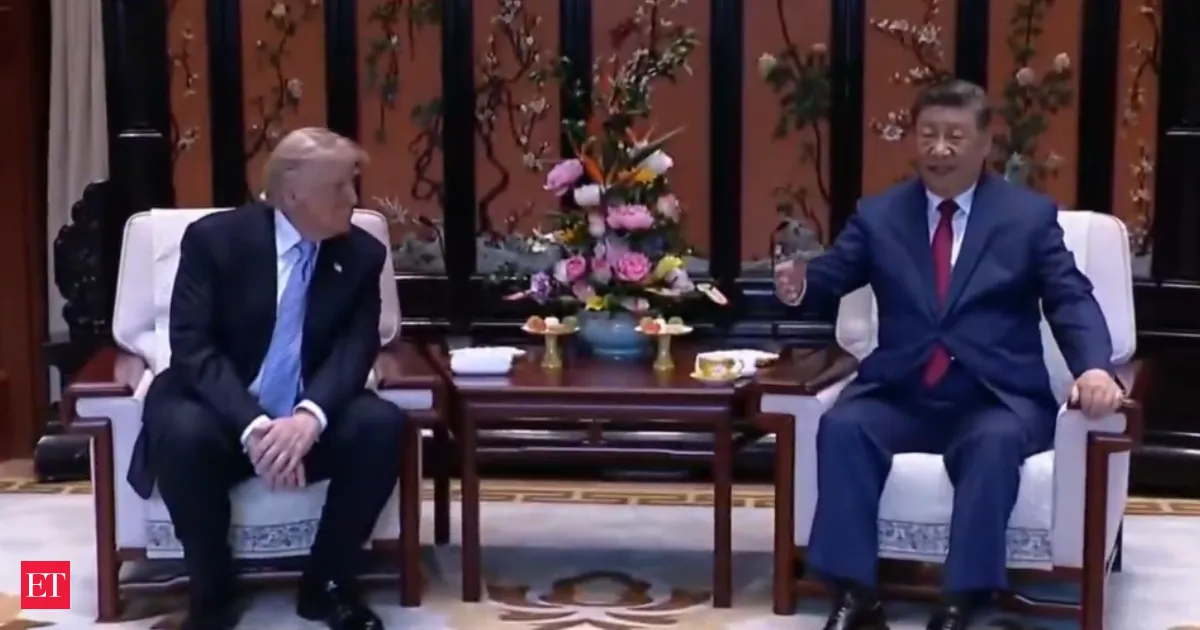
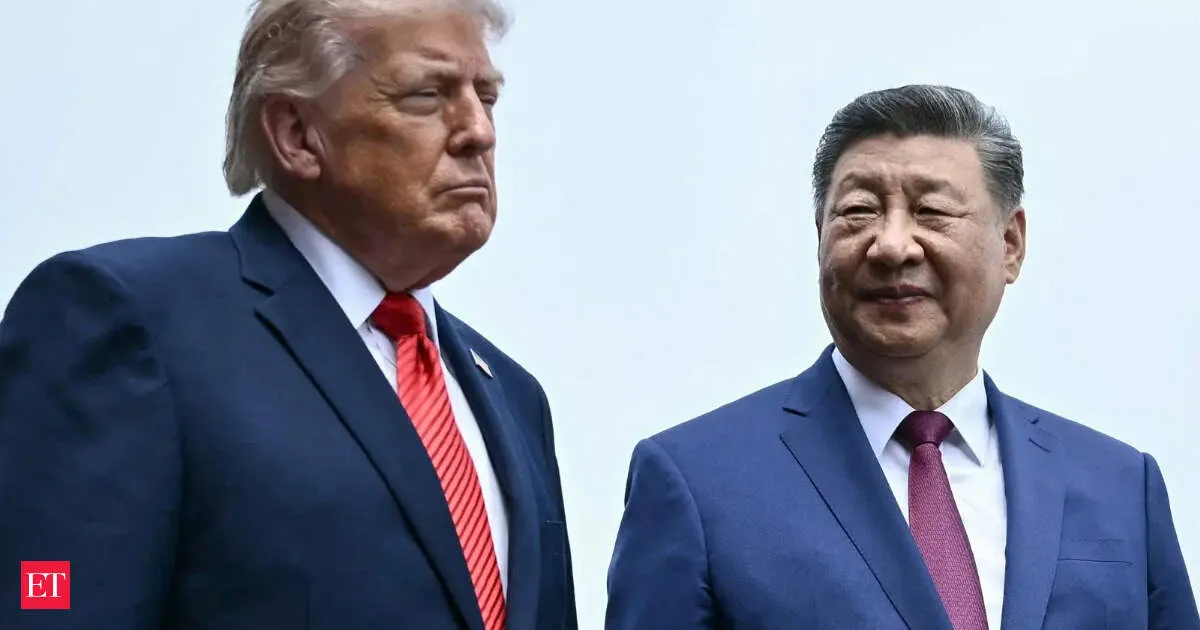
A viral video from Xi Jinping and Donald Trump’s Beijing meeting is igniting online debate over whether Trump was intentionally made to look shorter. In one clip, Xi appears to sit on a higher sofa, prompting claims that a cushion was adjusted—or removed—during seating. A separate widely shared video shows Xi briefly pausing beside Trump on stairs at the Great Hall of the People, with some posts suggesting Xi helped Trump catch his breath. The three-day visit also included major business and diplomatic talks.
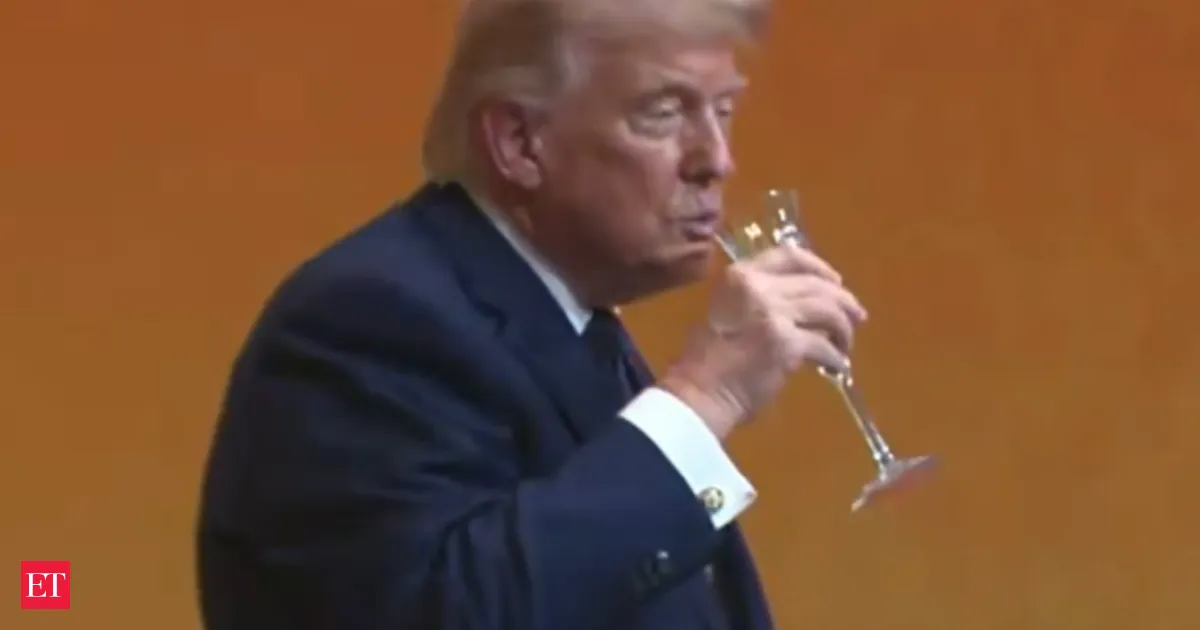
A viral video from Donald Trump’s China visit appears to show him lifting a glass of wine during a toast and taking a sip, contradicting his repeated claim that he has never consumed alcohol. The clip has sparked speculation that he briefly broke his lifelong sobriety, but a former Trump adviser dismissed the rumor publicly, saying it wasn’t alcohol. Trump was in China for talks with Xi Jinping that reportedly covered trade, Taiwan, and Iran, amid tense geopolitical messaging.
Korean semiconductor firms are caught between profit and long-term risk after the Trump Xi summit in Beijing reignited US China negotiations on chip export controls and rare earth leverage. Washington has tightened equipment limits to slow AI and high performance computing, and may loosen some curbs if China secures stable rare earth supplies and buys more US goods. Meanwhile, US approval for H200 chip purchases by about 10 Chinese companies suggests broader policy movement, but the stakes hinge on whether China gains advanced EUV lithography access.
Reading on mobile?
Open Beige in the app for a smoother experience — free on iOS and Android.
After talks with China’s Xi Jinping, Donald Trump said his patience with Iran is running out, as the U.S. paused attacks but imposed a port blockade. Diplomacy to end the conflict has stalled because Iran refuses to shut its nuclear program and surrender its enriched uranium stockpile. The Strait of Hormuz remains effectively constrained after Iran responded to U.S.-Israeli strikes. Meanwhile, incidents near the UAE raised fears of escalating maritime control, affecting global energy flows.
China’s credit expansion cooled dramatically in April, running far below forecasts as both banks and households pulled back. A broad financing gauge rose under 630 billion yuan, versus roughly 1.2 trillion a year earlier, and new loans actually contracted. The biggest shock: households net repaid 786.9 billion yuan, the largest amount since 2010, with both medium and short-term borrowing dropping. Analysts warn the move could end the fixed-asset investment rebound, keeping domestic demand subdued.
China is forecasting a further drop in gasoline demand as oil prices climb amid the war involving Iran, with GL Consulting projecting consumption to fall 5.5% this year. The estimate is revised lower from 5.2% and would mark the second-largest contraction on record, only behind 2022’s collapse during strict COVID lockdowns. Other analysts echo the trend, with the International Energy Agency expecting gasoline demand to slow “to a crawl” and drop by roughly 60,000 barrels per day in the current quarter.
President Donald Trump is set to ask Xi Jinping for help ending the Iran conflict during talks this week, but analysts expect Beijing to offer only limited support. China may encourage Iran to return to negotiations, while resisting any move that would jeopardize its key economic and military links with Tehran, including dual-use supplies. The US has pressure tools like sanctions, yet experts warn the costs and potential retaliation are too high.
Follow your favourite sources
Track sources, tags and categories — all in the Beige app.
Two U.S. House lawmakers will introduce legislation to toughen the current ban on Chinese automakers entering the American passenger-vehicle market, timed just before President Donald Trump travels to China. The bill would codify a Biden-era regulation that, in effect, blocks all Chinese automakers and adds steps to keep China out of the U.S. light-duty market. It focuses on vehicles designed in China with advanced connectivity and software, citing national security and data-privacy risks around sensitive owner data.
A delegation of more than a dozen U.S. CEOs will join President Donald Trump on his May 14-15 summit with China’s Xi Jinping, but this time the visit is built around “tangible asks” rather than big trade announcements. Companies including Tesla, Meta, Mastercard, Visa, BlackRock, Illumina and others are seeking regulatory approvals, market access and investment openings amid tougher scrutiny of U.S. tech, shifting export controls and political tension. Officials say the summit is meant to unlock stalled conversations.
Bangkok-based SiamAI has denied allegations that it exported AI servers to China, saying it fully complies with U.S. export and re-export control laws. The denial comes as U.S. prosecutors allege that billions of dollars in U.S. AI technology—at least $2.5 billion—was shipped to China, including over $500 million between April and mid-May 2025. SiamAI also addressed claims tied to advanced chips from Super Micro Computer and Nvidia, insisting it did not engage in the exports in question.
Pakistan commissioned PNS Hangor on 30 April 2026 in Sanya, China, a first operational milestone for a submarine programme built with Chinese collaboration. Designed to extend underwater endurance and complicate India’s calculus in the Arabian Sea, the project still faces repeated delays and lingering doubts, raising questions about timelines and reliance on external support.
Stay informed on the go
Bite-sized news from 100+ trusted sources, right in your pocket.
Cuba is battling relentless blackouts amid a widening energy squeeze, and the lifeline is increasingly coming from China. Chinese solar panels and batteries are pouring in, while Cuba plans to scale up renewable power with 92 solar farms by 2028. The strategy aims to cut reliance on imported oil and lessen vulnerability to external pressure.
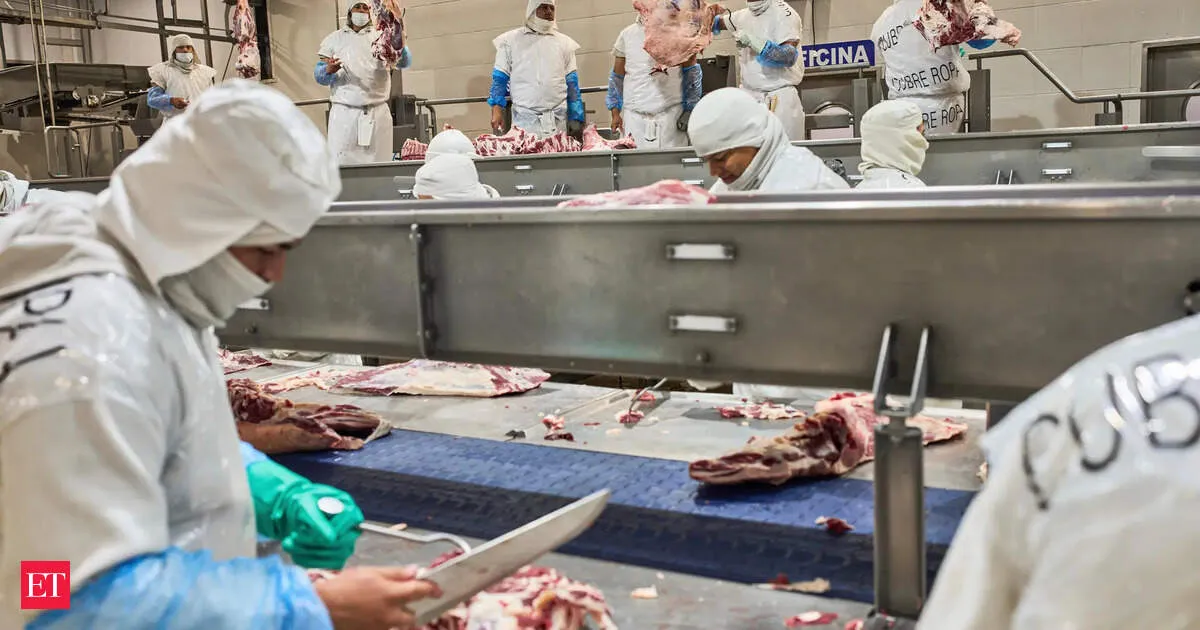
China has reinstated export licences for more than 400 US beef processing plants, including major firms like Tyson Foods and Cargill, as Trump and Xi meet in Beijing. The move follows a sharp fall in US beef shipments to China last year after many plant registrations expired, disrupting trade worth billions.
Swipe through stories, personalise your feed, and save articles for later — all on the app.