Forty years after Chernobyl, women recruited from the Rivne Nuclear Power Plant to cook for cleanup crews still carry the fallout. They reported radiation exposure, health problems, and troubling handling of worker food—often wasted, sometimes contaminated, and occasionally smuggled out. Decades later, these cooks are still battling for promised pensions, highlighting the disaster’s long afterlife.
Strikes across Ukraine and Russia have killed at least 16 people, hitting cities including Dnipro, Sevastopol, and Luhansk, while Ukraine also struck an oil refinery in Yaroslavl. As the Chernobyl anniversary passes, warnings are intensifying about the nuclear risks of attacks near the plant, with urgent calls for repairs to the damaged outer shell.
Your news, in seconds
Get the Beige app — every story in 60 words, updated hourly. Free on iOS & Android.
On the 40th anniversary of the Chernobyl disaster, Ukraine’s President Volodymyr Zelensky accused Russia of “nuclear terrorism,” warning the invasion is pushing the world toward disaster. He cited deadly overnight drone strikes—over a hundred launched—with three people killed. Zelensky urged the international community to stop what he called reckless attacks.
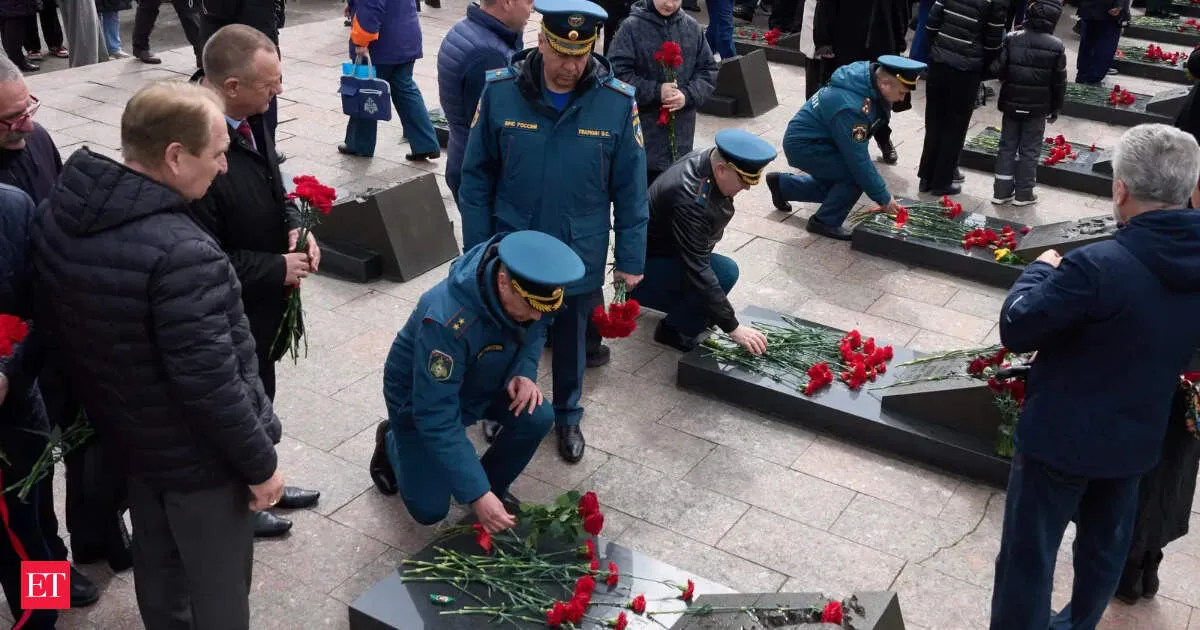
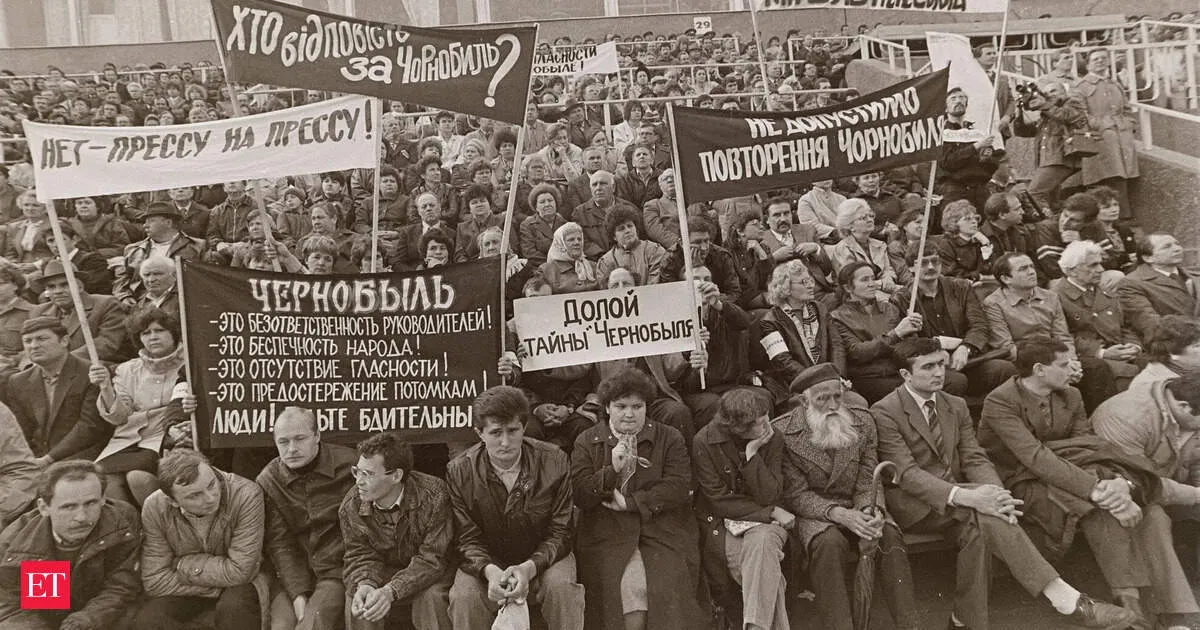
Ukraine marks the 40th anniversary of the Chernobyl disaster, the deadliest civilian nuclear accident in history. On April 26, 1986, at 01:23, a human error during a routine safety test triggered an explosion in reactor number four at the plant in what was then Soviet Ukraine. The tragedy reshaped nuclear safety worldwide.
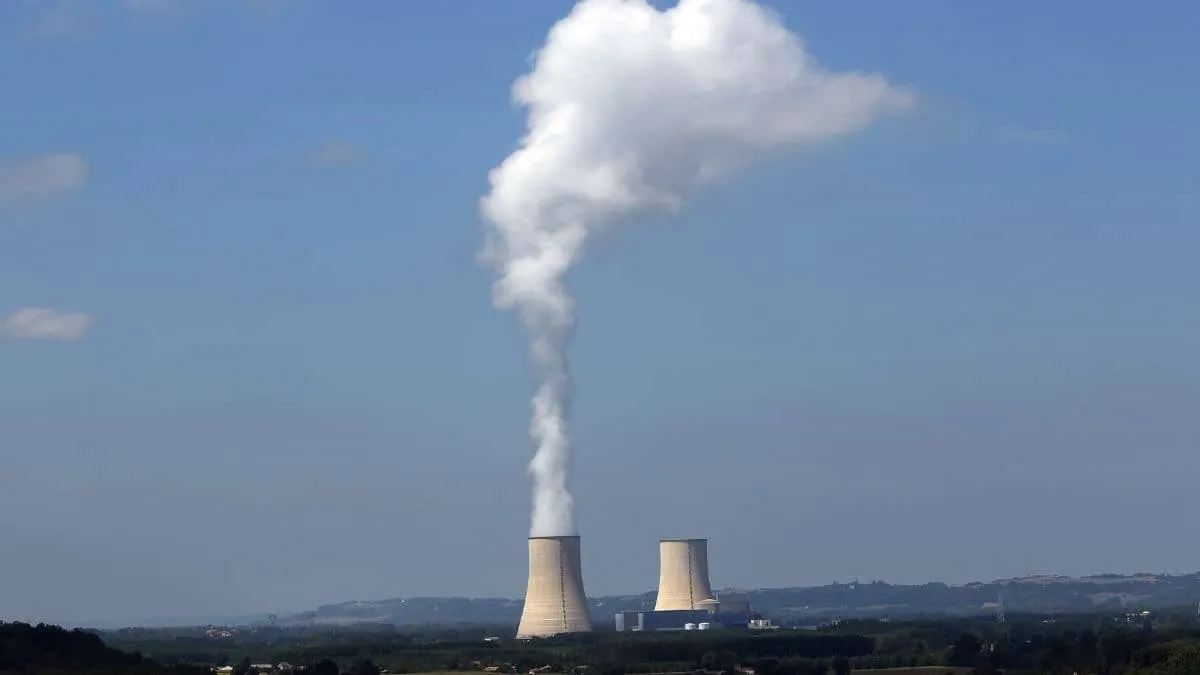
Chernobyl’s 1986 disaster and later Fukushima dealt nuclear power a long reputational blow, but momentum has returned after four decades. The International Energy Agency’s Fatih Birol says demand is reviving globally, with the war-driven pressure on energy security in the Middle East providing a major boost. Today, the world is building and planning again as more reactors move forward.
Swipe through stories, personalise your feed, and save articles for later — all on the app.