Global bond markets are bracing for sharp interest rate pain as investors recalibrate for higher-for-longer rates. Benchmark 10-year U.S. Treasury yields reached their highest level in about a year, shortly after the government sold 30-year bonds at the highest yield since 2007. Traders link the move to sticky inflation and energy shocks tied to the war with Iran, pushing expectations of further central-bank hikes worldwide and pressuring mortgages, lending, stocks, and growth.
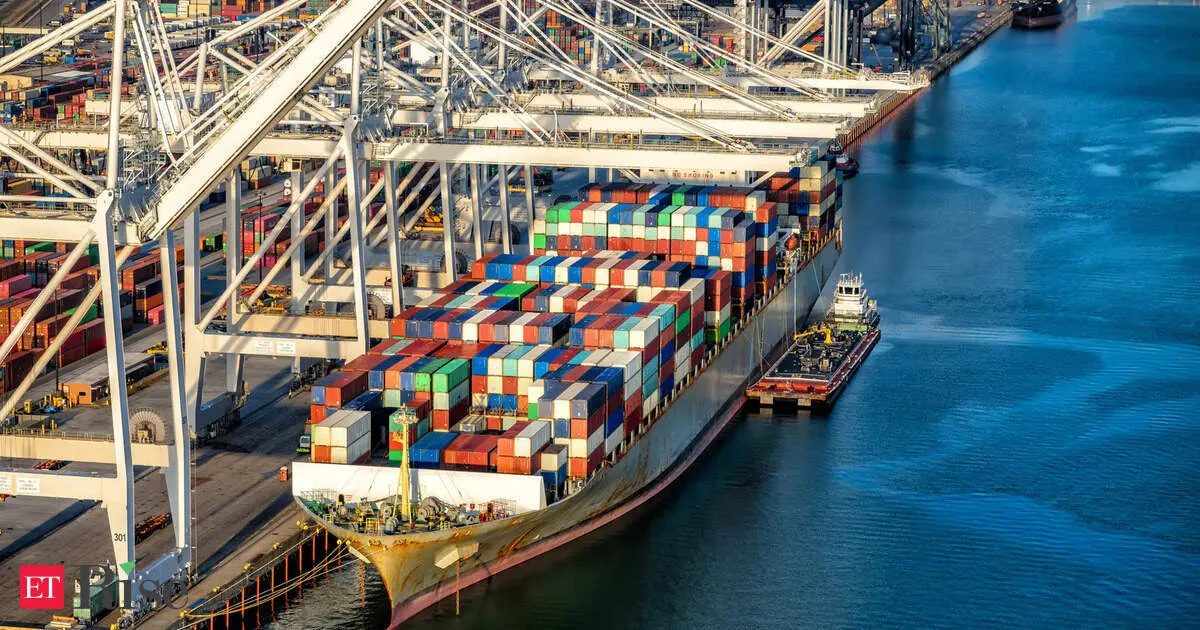
Supply-chain stress is rising again, with logistics costs and delivery times climbing toward multi-year highs. The renewed disruption is starting to worry central banks, because higher transport expenses can quickly feed into consumer prices. With pressure building across trade and delivery signals, inflation risks may re-emerge just as policymakers thought the worst was behind them.
Your news, in seconds
Get the Beige app — every story in 60 words, updated hourly. Free on iOS & Android.
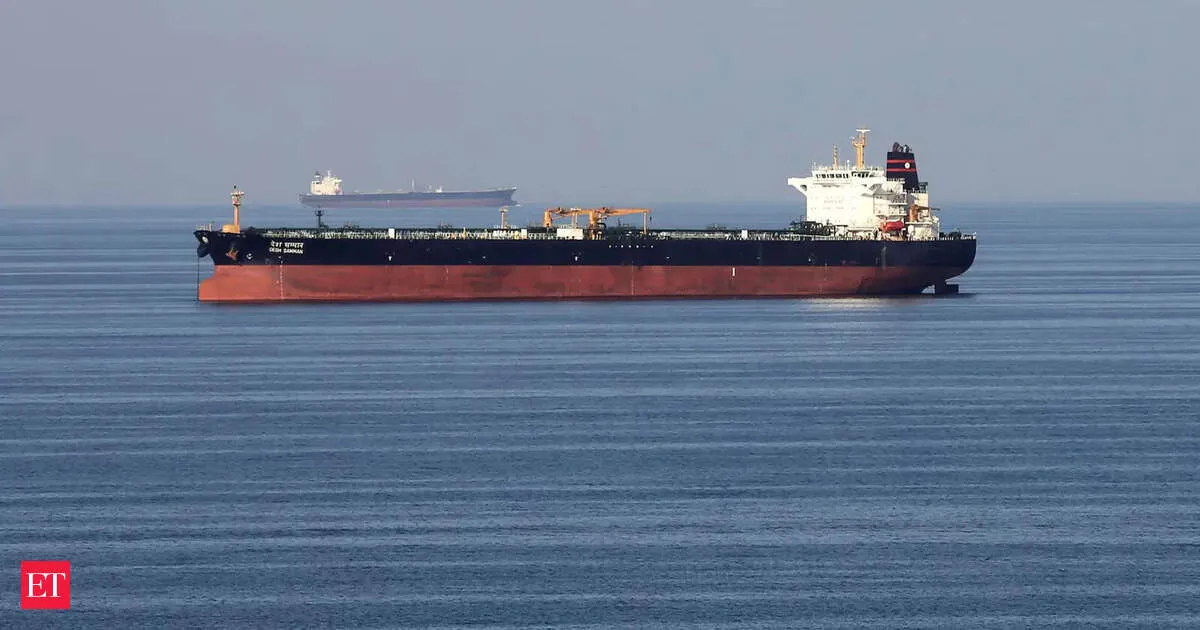
The Middle East conflict is reverberating through global markets by pushing oil prices higher and weakening currencies, tightening financial conditions worldwide. Asia, with heavy reliance on imported energy, is especially exposed as energy costs feed into food inflation and consumer spending pressures. Investors are now watching how central banks balance these geopolitical shocks against inflation control and economic stability.
Global equities are taking a more optimistic view as investors price in easing geopolitical tensions and move past recent volatility. But Peter Cardillo warns that persistently high oil prices could keep inflation elevated, reducing the chances of quick rate cuts. That may force central banks to stay hawkish longer than markets expect.
The Iran war’s hit to energy prices is reshaping central bank thinking and delaying expected easing. Robeco expects the Fed to cut rates twice, but warns the ECB may need to hike in June and September if Brent crude stays near $80. In Asia, Japan’s hot growth and inflation risks could keep tightening pressure on policymakers.
A West Asia conflict is roiling energy markets, triggering an economic shock that threatens inflation and growth across Asia. India, reliant on energy imports, faces heightened pressure even as governments roll out measures to cushion households and firms. Central banks are urged to stay alert, while structural reforms are highlighted as the path to long-term resilience and steadier, balanced growth.
Never miss a story
Set alerts for the topics and sources you care about. Download Beige for free.
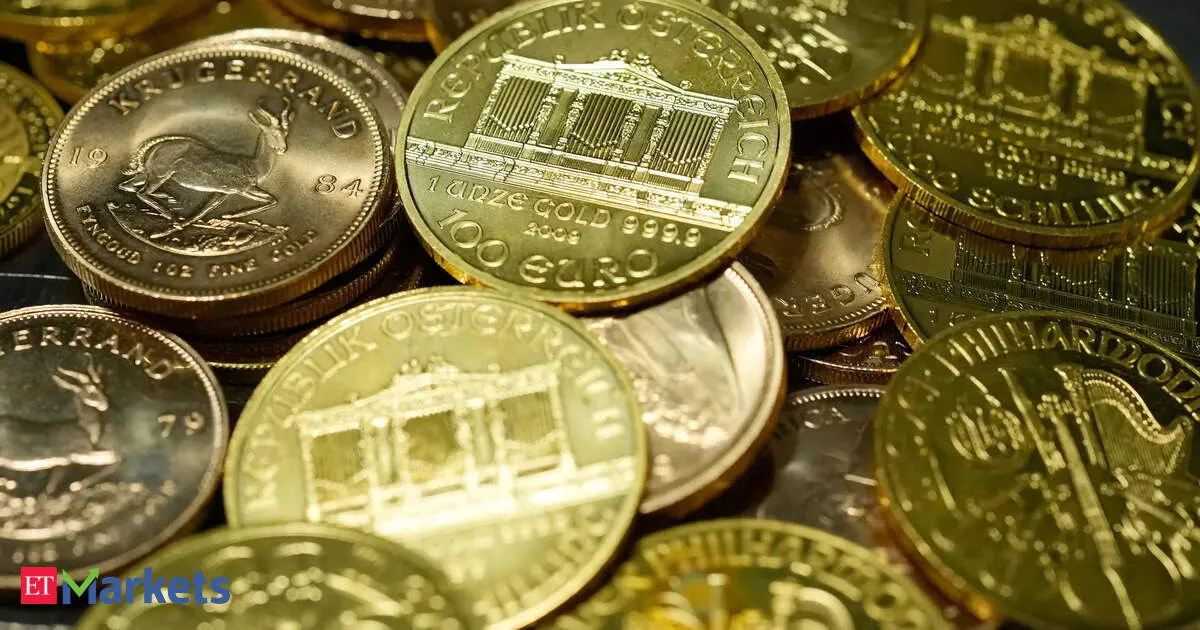
Deutsche Bank is forecasting a bullish path for gold, saying prices could reach $8,000 per ounce within five years. The call is tied to central banks steadily adding to their gold reserves while diversifying away from the US dollar. Economic and geopolitical uncertainty is accelerating the shift, with emerging markets taking the lead in reserve rebalancing.
Gold prices stayed largely steady as investors held their breath for remarks from U.S. Fed Chair Jerome Powell, seeking clarity on how the Iran conflict may affect the economy. Attention is also turning to this week’s central bank decisions from the ECB, BoE, and BoC, which could further shape rate expectations and commodity demand.
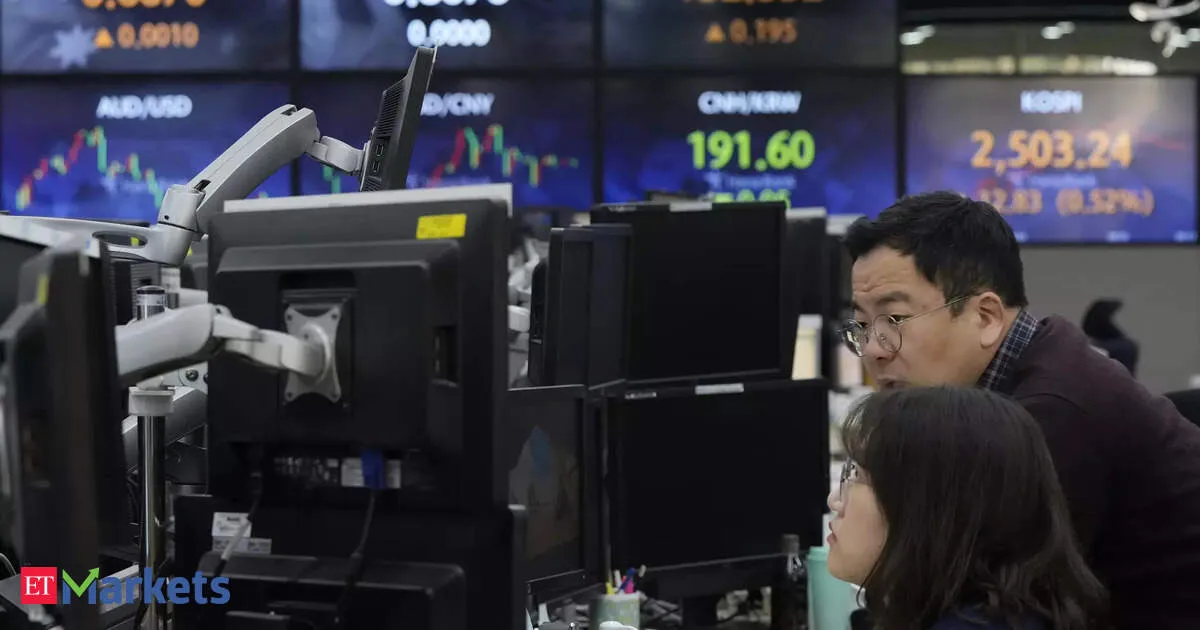
Asian shares are holding near recent peaks, with markets focused on shifting risks in the Middle East and upcoming central bank policy decisions. Adding pressure and opportunity, major technology firms are set to report earnings, which many expect could meaningfully move global benchmarks. Meanwhile, crude oil has dipped slightly, adding a softer tone to inflation-linked expectations.
Global gold demand rose as ETF inflows surged and bar and coin buying accelerated, shifting consumption away from jewellery. Higher prices discouraged discretionary purchases, while investment demand strengthened worldwide and in India amid geopolitical uncertainty, diversification needs, and ongoing central bank gold accumulation.
Reading on mobile?
Open Beige in the app for a smoother experience — free on iOS and Android.
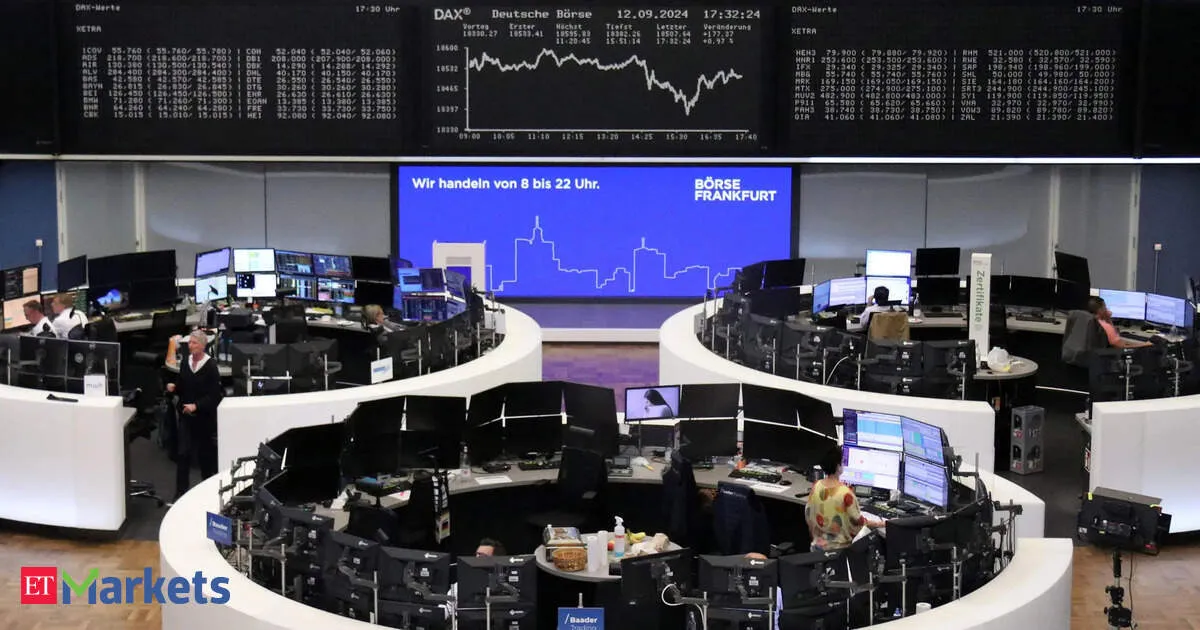
European markets stayed largely flat as investors geared up for pivotal central bank meetings. Oil prices edged higher, mirroring frustration over stalled US-Iran diplomacy. Losses in technology and consumer staples weighed on the pan-European index, while Germany’s DAX and Spain’s IBEX 35 managed small gains ahead of rate decisions.
Swipe through stories, personalise your feed, and save articles for later — all on the app.