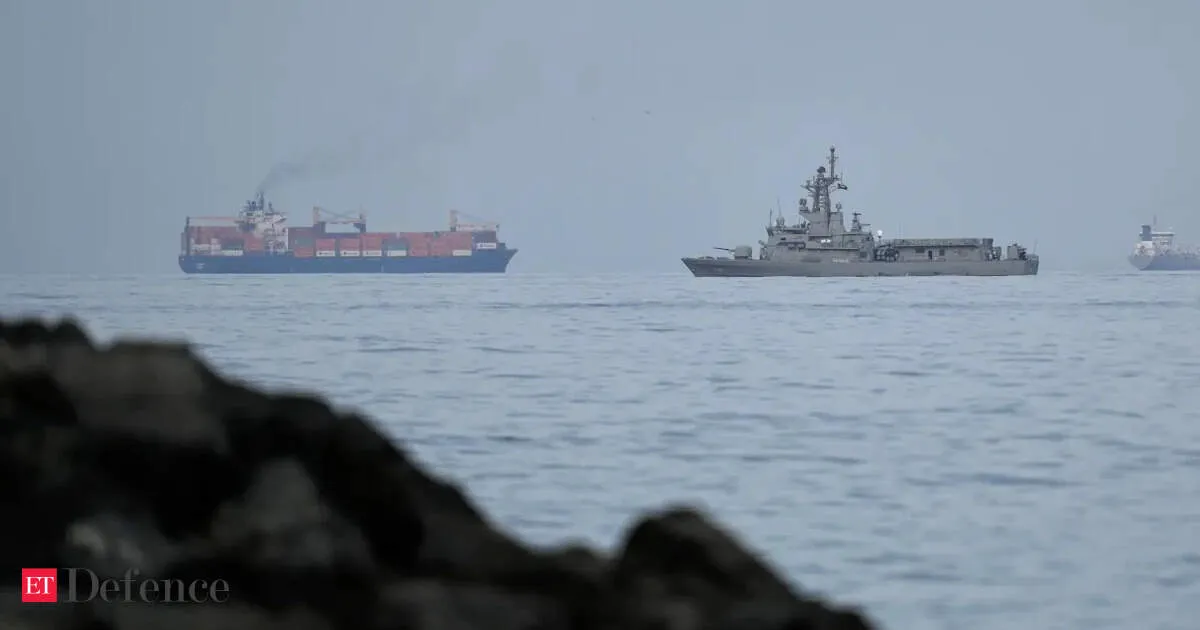
Iranian state TV says European countries are in talks with Tehran for permission to transit the Strait of Hormuz, following similar negotiations with East Asian states like China, Japan, and Pakistan. Iran has largely blocked shipping since a Feb 28 war with the US and Israel, though a fragile ceasefire has been in place since April 8. Tehran says it is preparing a professional system to manage traffic, benefiting cooperating commercial vessels while keeping the route closed to certain “freedom” operations.
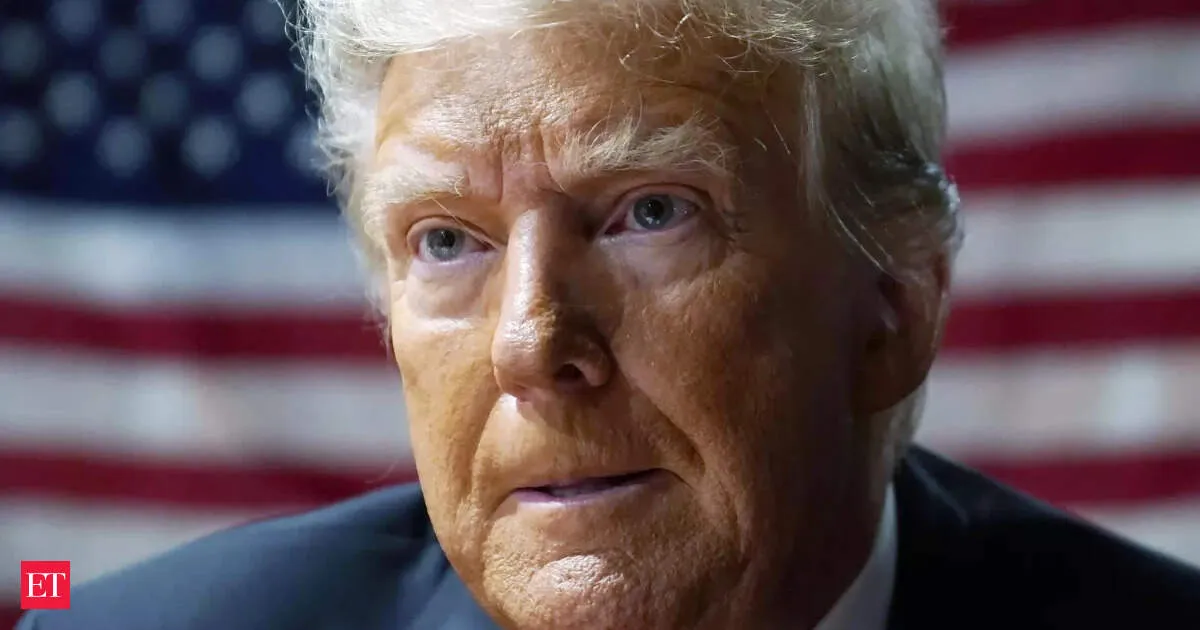
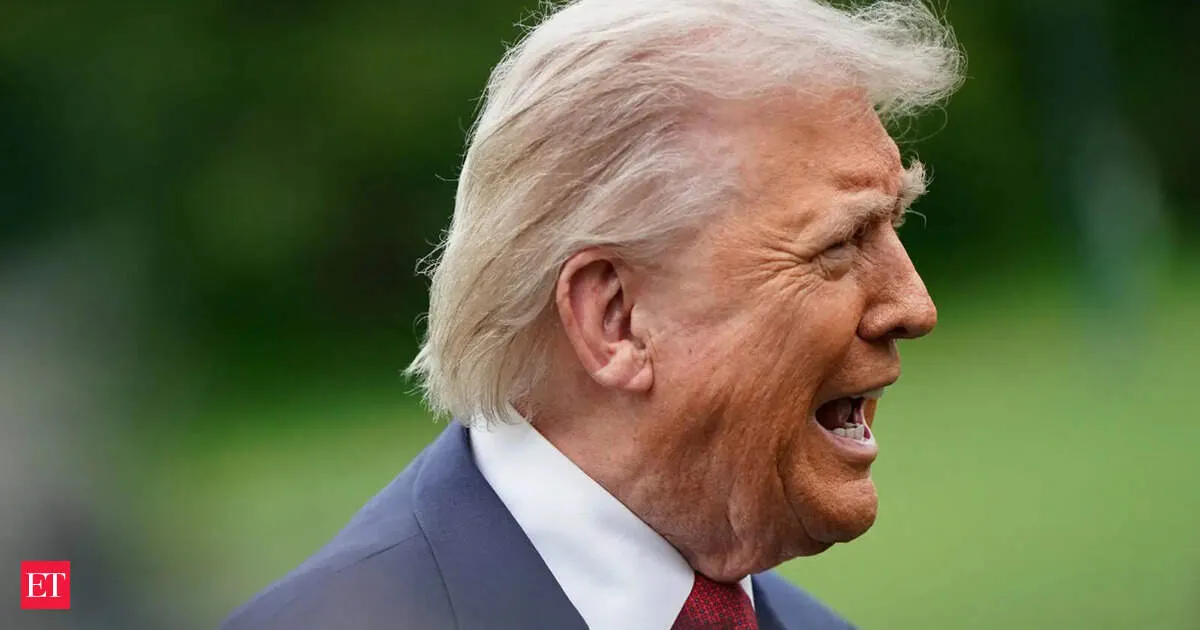
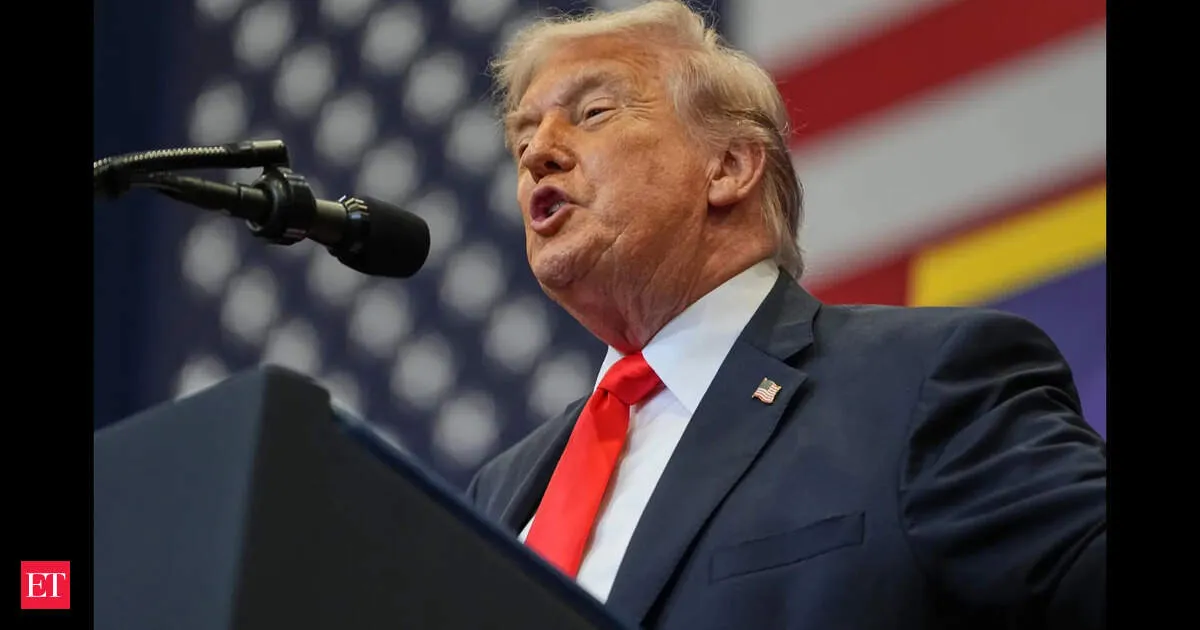
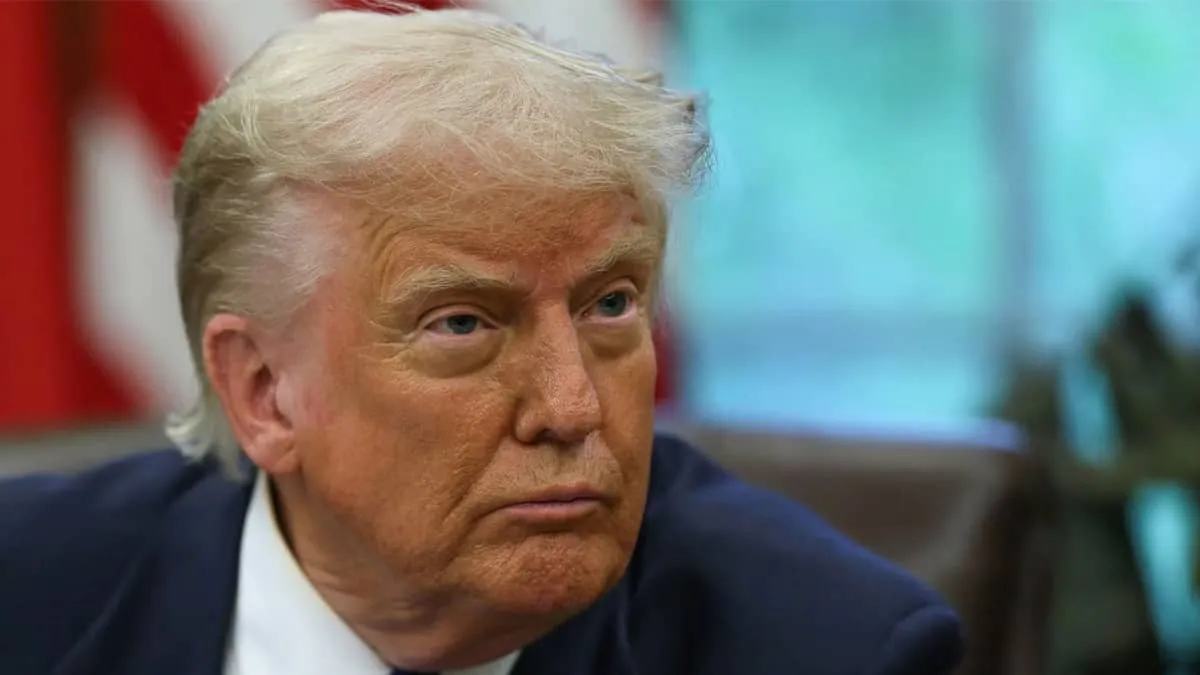
US President Donald Trump said the US-Iran ceasefire, meant to open diplomacy toward ending hostilities in West Asia, was agreed “as a favour to Pakistan” because the country has mediated talks between Washington and Tehran. Trump also credited broader international pressure for influencing the pause. While he dismissed needing any “favours” from Xi Jinping over the Strait of Hormuz, he suggested China could still pressure Iran. Trump warned the US may carry out “cleanup work” after the month-long truce amid internal doubts about Pakistan’s messaging.
Your news, in seconds
Get the Beige app — every story in 60 words, updated hourly. Free on iOS & Android.
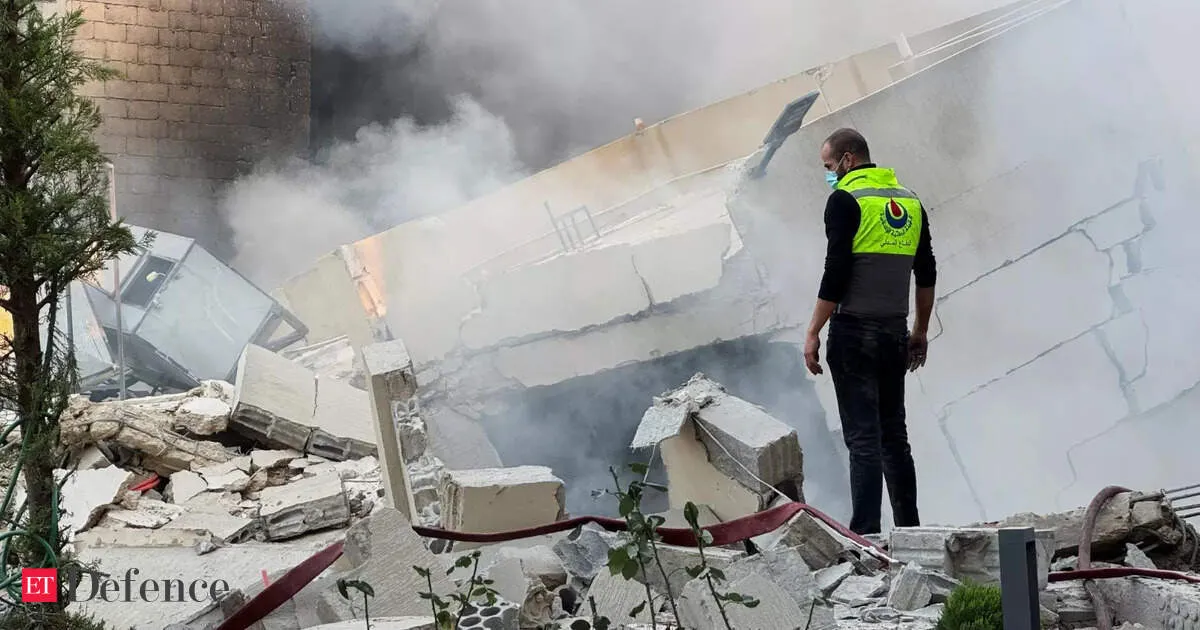
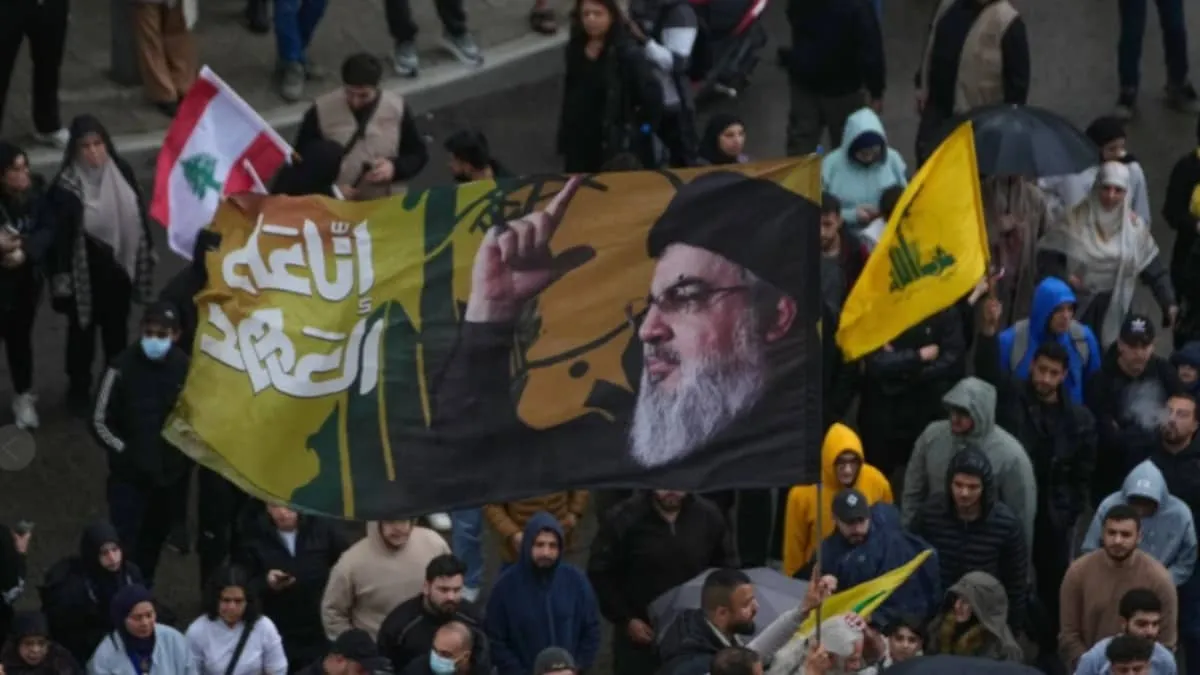
Israel and Lebanon agreed to extend a ceasefire for 45 days and begin expanded talks toward a political settlement, the US said. The deal followed two days of meetings in Washington and negotiations scheduled for early June. But violence continued: Israel carried out new strikes, insisting they were not covered by the truce, including an attack on a Hezbollah-linked medical center in southern Lebanon. Lebanese officials reported deaths, injuries, and renewed displacement, while the UN warned of an “unacceptable” civilian toll.
Israel and Lebanon have agreed to extend their ceasefire by 45 days after two days of negotiations in Washington, where US facilitation helped both sides lock in more talks. The extension, announced by the US State Department, keeps hostilities paused in southern Lebanon as the April 16 cessation was set to expire. Officials say discussions aim to progress beyond decades of tension: a new Pentagon-led security track begins May 29, while political negotiations are set for June 2–3.
US President Donald Trump said he has “settled” nine wars and hopes the Russia-Ukraine conflict can become the next one he resolves. Speaking to reporters, he urged ending the war and suggested a possible extension of a three-day ceasefire he announced for May 9–11. Trump said the pause covers “all kinetic activity” and includes a prisoner exchange of 1,000 detainees from each side. He also made a disputed claim that 25,000 young soldiers die monthly.
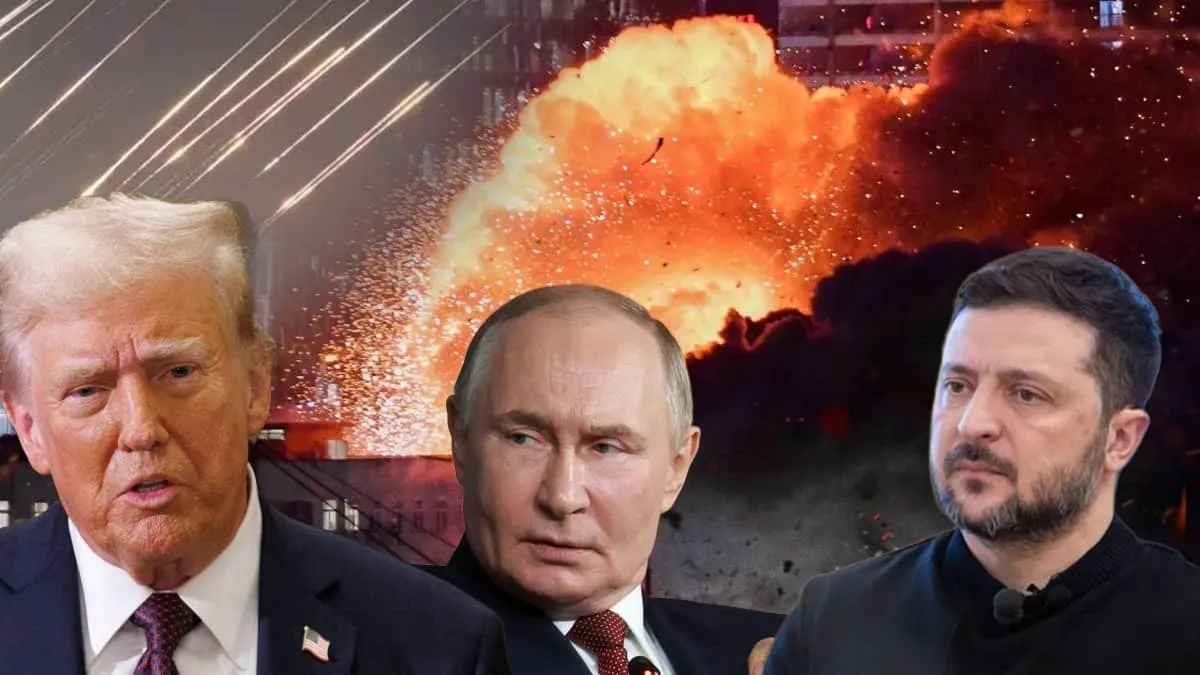
US President Donald Trump said Russia and Ukraine have agreed to a three-day ceasefire running May 9 to May 11, framed as a step toward ending a long war. Trump said it would suspend “kinetic activity” and include a mutual exchange of 1,000 prisoners each. The announcement follows talks after Trump’s April 29 call with Vladimir Putin. Russia also declared a truce for May 8–9 for WWII commemorations, while Ukraine pushed an open-ended pause as negotiations stall over Donetsk.
Never miss a story
Set alerts for the topics and sources you care about. Download Beige for free.
US President Donald Trump announced that Russia and Ukraine have agreed to a three-day ceasefire from May 9 to May 11, with all kinetic activity suspended. In the same window, the countries will exchange 1,000 prisoners each, totaling 2,000 detainees. Trump said the pause was initiated at his direct request and thanked Vladimir Putin and Volodymyr Zelenskyy for accepting it. The truce also aligns with Russia’s Victory Day commemorations, while providing a rare, short-term respite for civilians under frequent attacks.
U.S. President Donald Trump downplayed recent strikes on Iranian targets as a “love tap,” telling ABC News that the ceasefire remains in effect even after an exchange of fire near the Strait of Hormuz. During the call, he rejected claims that escalation meant the agreement had collapsed, while the U.S. Navy reported successful transit through the strategic waterway despite Iranian attacks. Separate reports said U.S. strikes hit maritime corridors near Iran’s Qeshm port and Bandar Abbas, described as limited and not a return to full war.
A fragile month-old ceasefire in the Iran war was tested again as a drone sparked a small fire on a commercial ship off Qatar and separate drones were reported entering UAE and Kuwait airspaces. The UAE blamed Iran for the incidents, while Kuwait said it responded to hostile drones. No casualties were reported. The episode comes as the U.S. seeks Iran’s response to a deal that would reopen the Strait of Hormuz, end shipping disruption, and curb Iran’s nuclear advances.
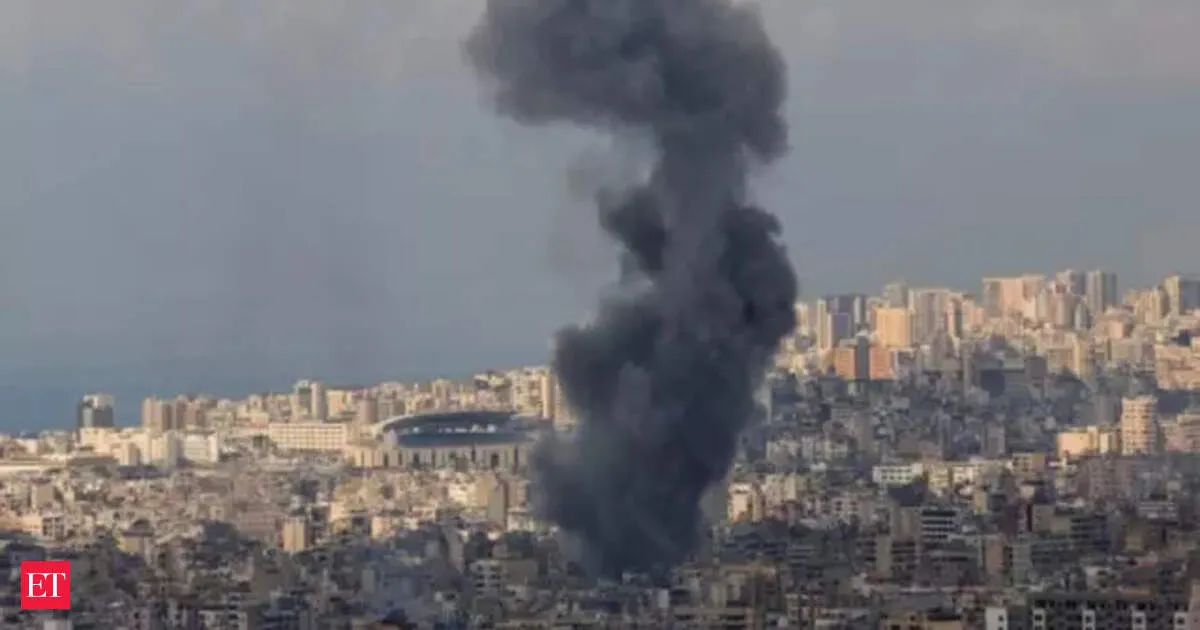
Israeli airstrikes in Lebanon killed 22 people, including children, amid rapidly escalating violence. The raids occurred just before crucial Lebanon and Israel talks in Washington, adding to fears that a recently announced ceasefire is unraveling. Reports say homes were damaged and destroyed, underscoring the intensity of the renewed attacks as diplomats prepare to meet.
Reading on mobile?
Open Beige in the app for a smoother experience — free on iOS and Android.
Russia has reiterated that any ceasefire or comprehensive peace talks depend on Ukraine withdrawing its forces from the Donbas region. The push follows President Putin’s claim that the war is nearing its end. Ukraine’s President Zelensky has dismissed the demand as surrender, rejecting Moscow’s conditions for negotiations to begin.
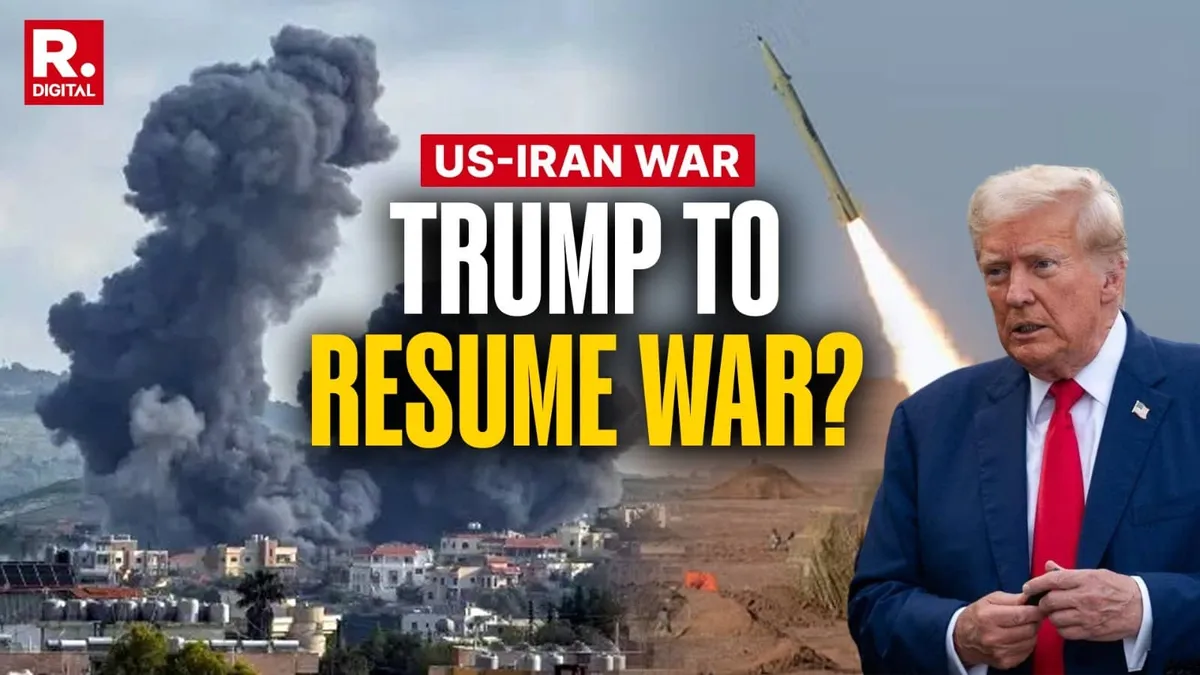
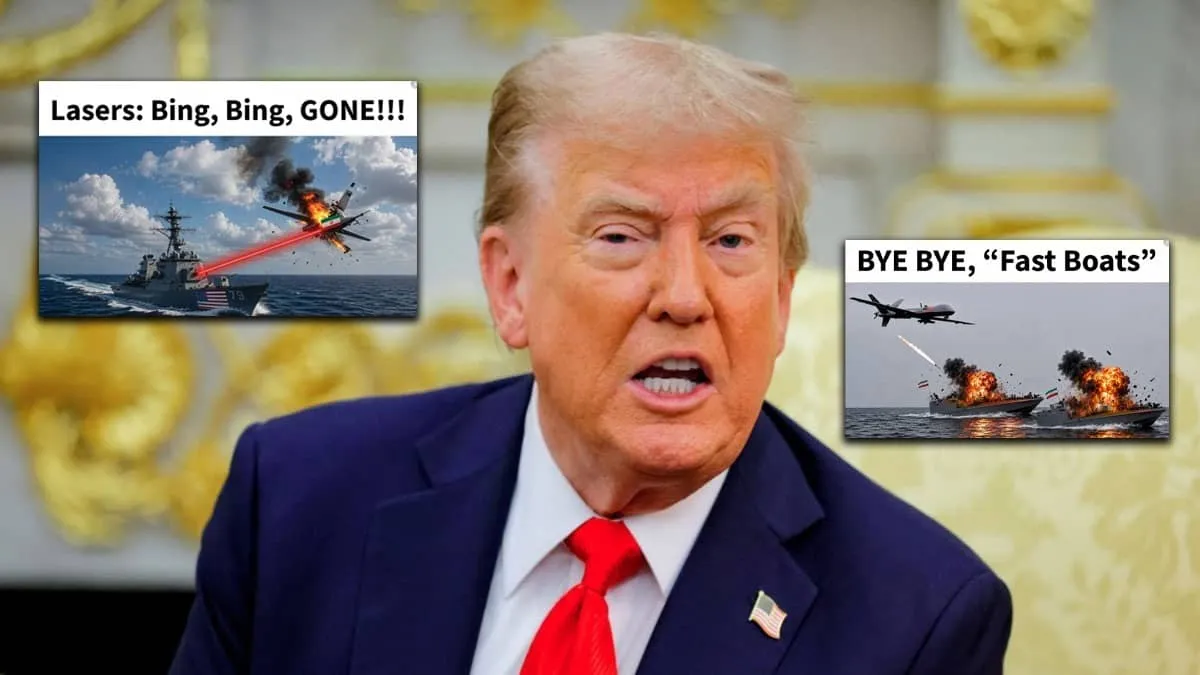
President Donald Trump shared AI-generated images on Truth Social showing targeted U.S. strikes on Iranian military assets, framing them as a high-tech display of dominance. The move raises alarm that the current ceasefire could be fragile, suggesting the administration is laying public groundwork for a possible return to active combat operations rather than a sustained pause.
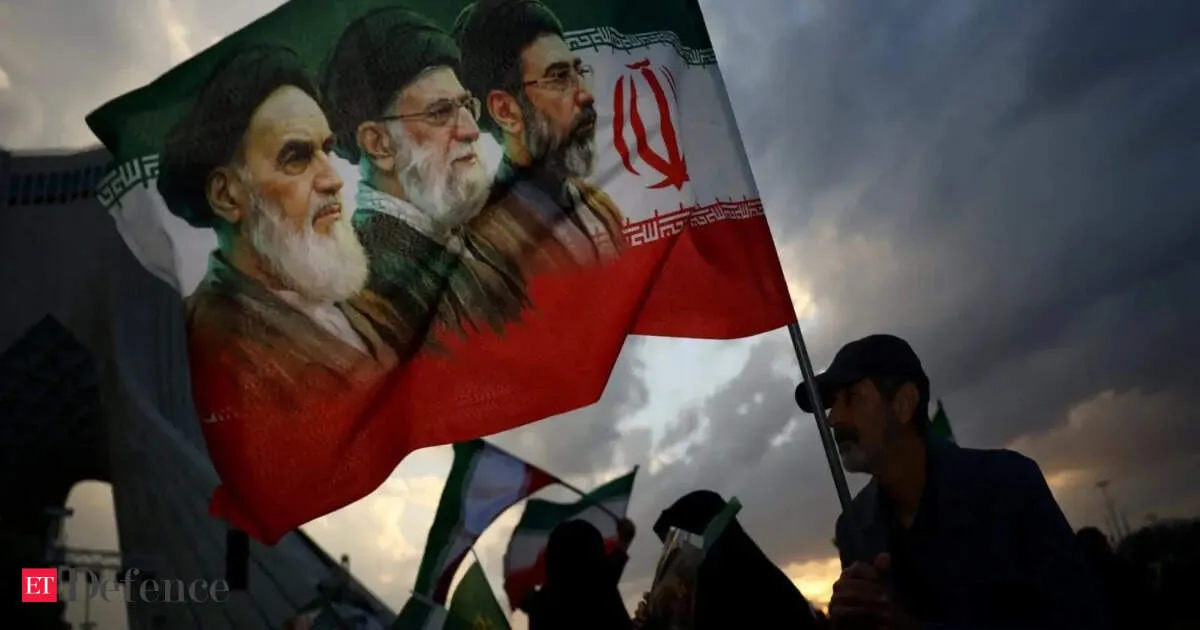
Iran’s Revolutionary Guards held military drills in Tehran as US President Donald Trump warned the Middle East ceasefire could collapse. The exercises were designed to boost combat readiness amid perceived threats, while the conflict—now over two months old—continues to disrupt global trade and keep markets on edge.
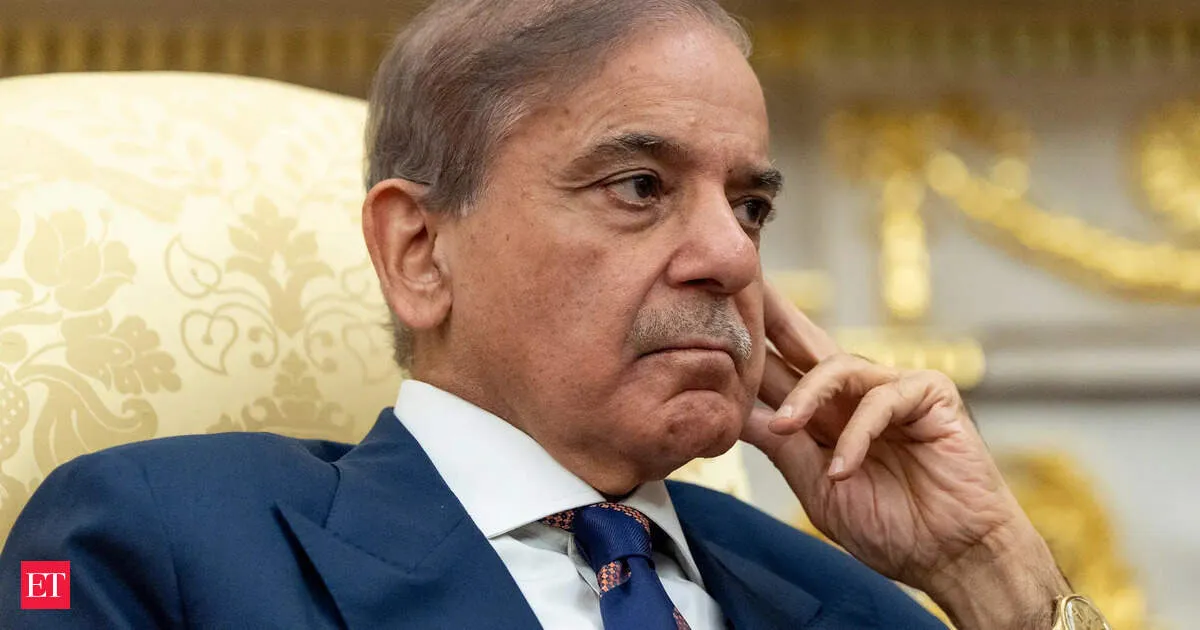
Pakistan’s Prime Minister Shehbaz Sharif has extended nationwide austerity measures until June 13, citing ongoing uncertainty around the Iran conflict and a fragile ceasefire in West Asia. The decision reflects continued regional instability, leaving households and businesses to adjust to tighter controls for longer than previously planned.
Follow your favourite sources
Track sources, tags and categories — all in the Beige app.
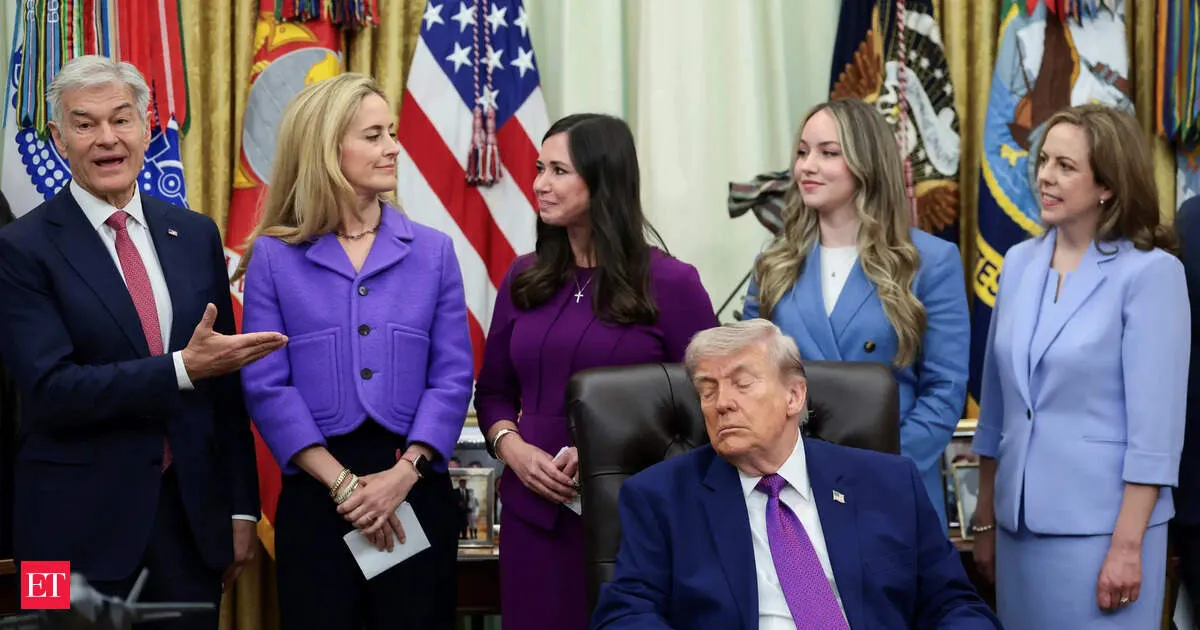
US President Donald Trump dismissed Iran’s latest peace proposal, arguing the ceasefire is on “life support.” Speaking from the Oval Office during a maternal healthcare event, he reiterated that Iran has been militarily defeated and claimed any gains made during the ceasefire would be undone quickly. Trump also renewed warnings that Iran cannot be allowed to develop a nuclear weapon.
President Donald Trump dismissed Iran’s latest peace proposal, saying the ceasefire is fragile and warning it is effectively on life support. He also criticized Kurdish intermediaries involved in the negotiations, calling Iran’s terms unacceptable. Trump reiterated that Iran must not obtain nuclear weapons, while projecting resolve as conflict continues and talks stall.
A fragile Iran US ceasefire is growing shakier after President Trump rejected Tehran’s latest proposal. The dispute remains rooted in Iran’s nuclear program and tensions around the Strait of Hormuz. With both sides still locked in a high-stakes standoff, international diplomacy is pushing to prevent escalation, with China seen as a key player in pressing Tehran toward concessions.
A US brokered ceasefire between Russia and Ukraine has expired, with both sides trading accusations of violations. Ukrainian officials say Russian strikes hit civilian areas, while Russia claims more than a thousand breaches. US and European officials are weighing further talks, but diplomacy has produced little progress. Prisoner exchanges are being prepared, yet key negotiating positions appear unchanged.
Stay informed on the go
Bite-sized news from 100+ trusted sources, right in your pocket.
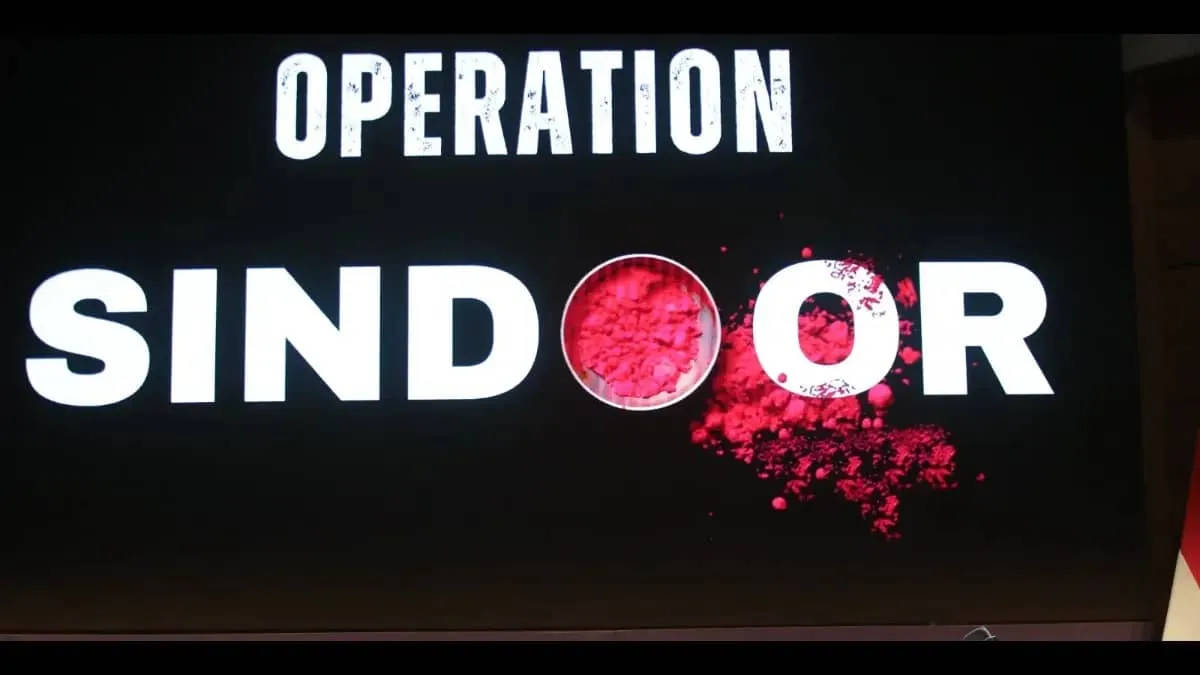
India’s forces reportedly hit 11 Pakistani air bases in a coordinated wave on 10 May, including Nur Khan near Pakistan’s top command in the Islamabad Capital Territory. The report challenges Pakistan’s version of a mutually honour-preserving ceasefire, pointing instead to procurement activity and the reality of where strikes landed, reshaping the post-situation narrative.
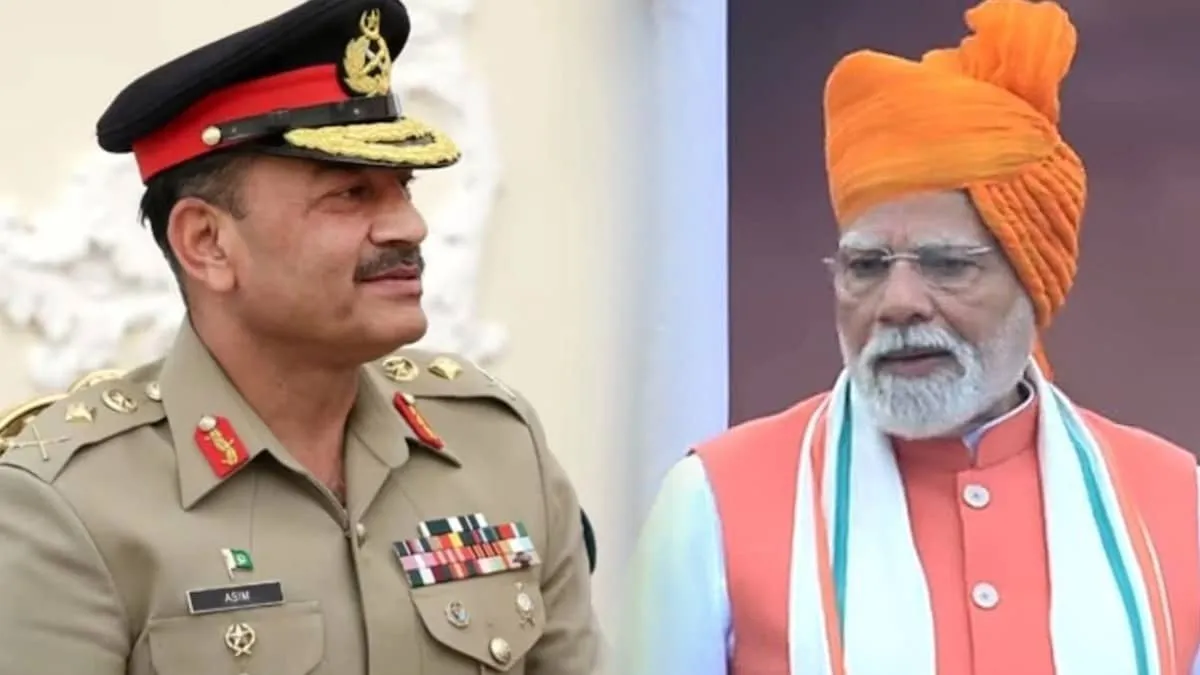
Pakistan Chief of Defence Forces Asim Munir claimed India sought US mediation for a ceasefire, pointing to a “regional peace” narrative. But US lobbying disclosures, according to the report, indicate Islamabad mounted intense defence-linked outreach in Washington after India’s Operation Sindoor. The contradiction puts Munir’s account under sharp scrutiny and raises questions about who pursued mediation first.
Swipe through stories, personalise your feed, and save articles for later — all on the app.