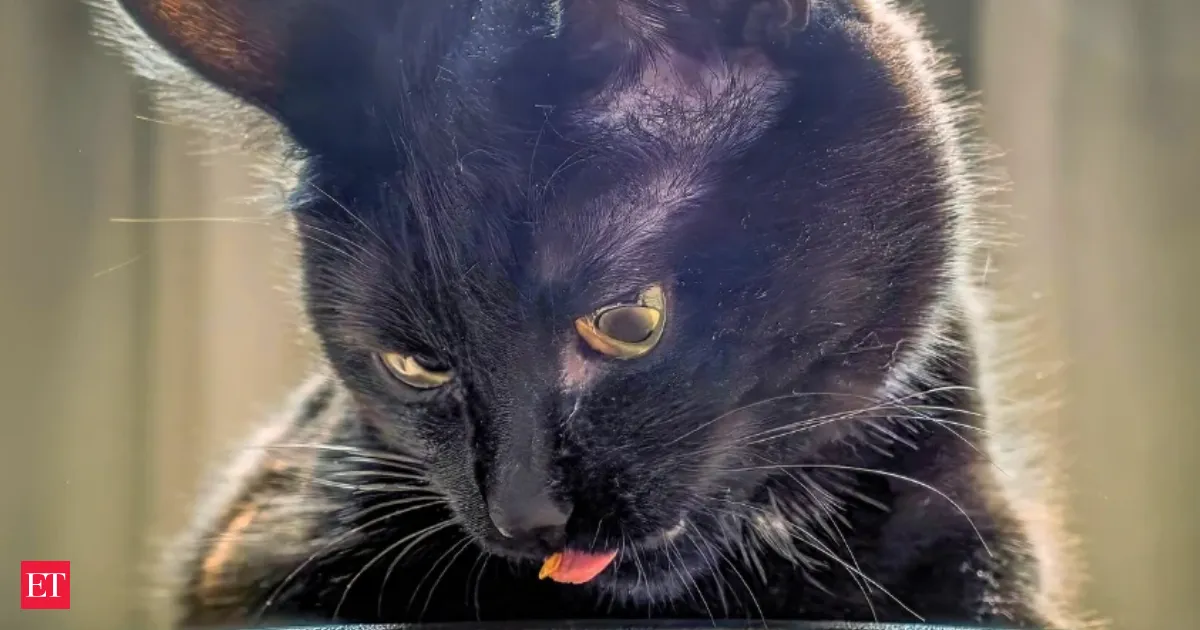
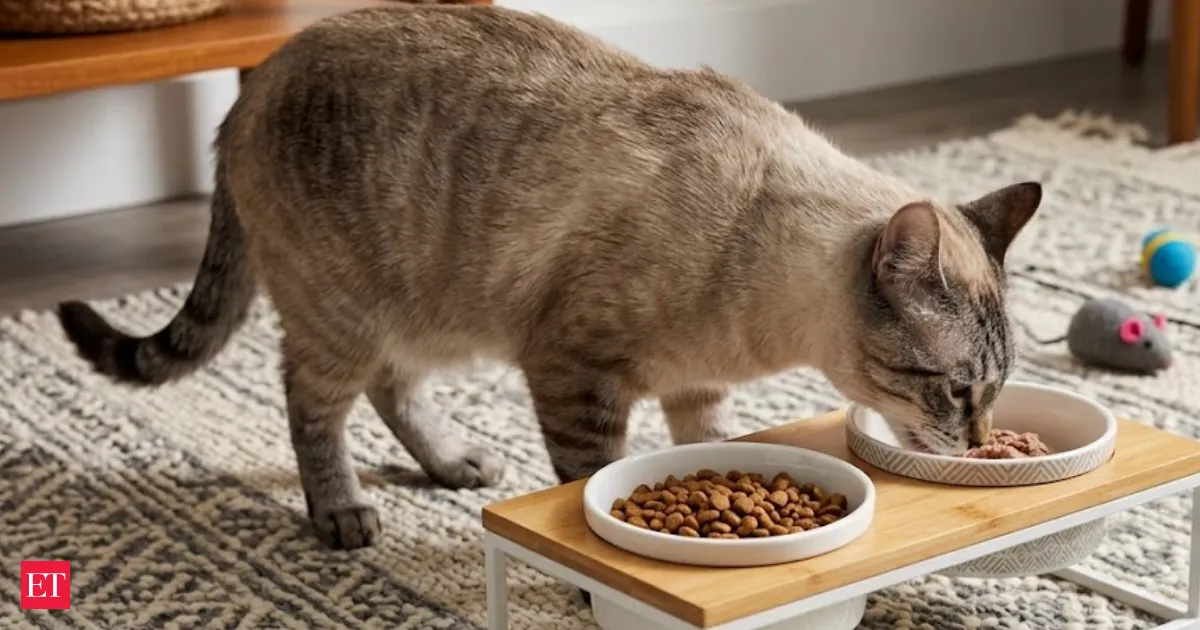
New research from Iwate University suggests cats don’t simply stop because they’re full. Instead, their feeding pauses may be tied to satisfaction triggered by specific smells detected by olfactory sensors. When a different scent appears, appetite can restart—challenging the idea that cats are always overstuffed when they walk away from food. Evolution and sensory responses shape the pattern.
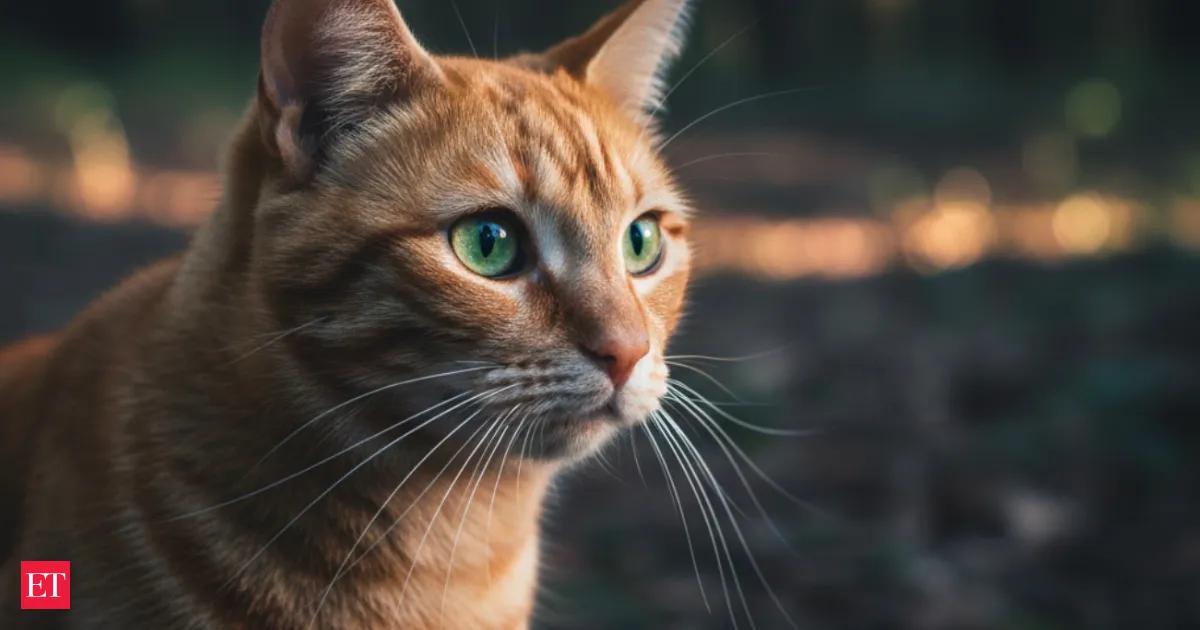
A new study finds that cats allowed to roam outdoors face a higher risk of injury and early death. Researchers point to threats like traffic, fights, and poisoning, which can quickly cut lifespans short. Instead, experts recommend safer, contained setups—secure yards or enriched indoor life—to help cats stay healthier and live longer.
Your news, in seconds
Get the Beige app — every story in 60 words, updated hourly. Free on iOS & Android.
New empirical findings suggest outdoor cats in the U.S. have a median lifespan of 7.25 years, far shorter than indoor cats. Researchers point to compounding dangers such as traffic accidents, diseases, predators, and environmental hazards. While many owners value outdoor enrichment, veterinary groups urge safer balance: enrich indoors and consider supervised outdoor time.
Swipe through stories, personalise your feed, and save articles for later — all on the app.