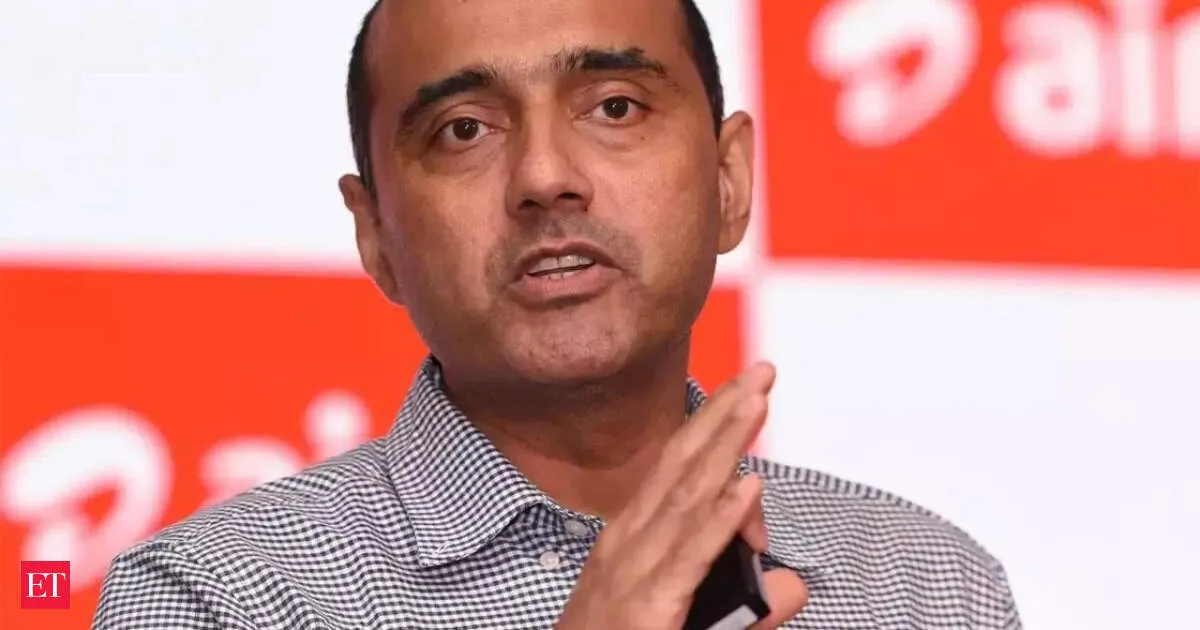
Bharti Airtel plans to build 56 edge data centres in the next 18 to 24 months, with executive vice chairman Gopal Vittal calling for major infrastructure investment to differentiate over the next 2 to 3 decades. He also said India’s tariff architecture is “broken,” where higher-income users pay too little and lower-income users pay too much. Airtel’s strategy is backed by rising capex, fibre expansion, and scaling its non-banking financial services, including a planned Rs 20,000 crore investment.
Carmakers are swinging for growth with a combined Rs 40,000-crore capex push. Maruti Suzuki plans a record Rs 14,000 crore investment in FY27 to add annual capacity for 500,000 cars, while Hyundai Motor India has earmarked Rs 7,500 crore for two new SUVs and higher output from its Talegaon plant. The bets signal confidence in demand and product expansion.
Your news, in seconds
Get the Beige app — every story in 60 words, updated hourly. Free on iOS & Android.
Tata Motors is tightening its outlook on spending as the West Asia crisis throws up fresh challenges for the company. Even with these headwinds, it plans to keep capital expenditure around Rs 3,000 crore for FY27. The domestic commercial vehicle market is also expected to grow at only single digits next year, reinforcing a cautious stance.
TSMC has approved a capital budget of over $31 billion to expand chip production, aiming to meet accelerating demand tied to AI and high-performance computing. The plan also includes major investment in its US operations. In a bid to capitalize on the tech boom, the company says shareholders will benefit through a higher dividend payout.
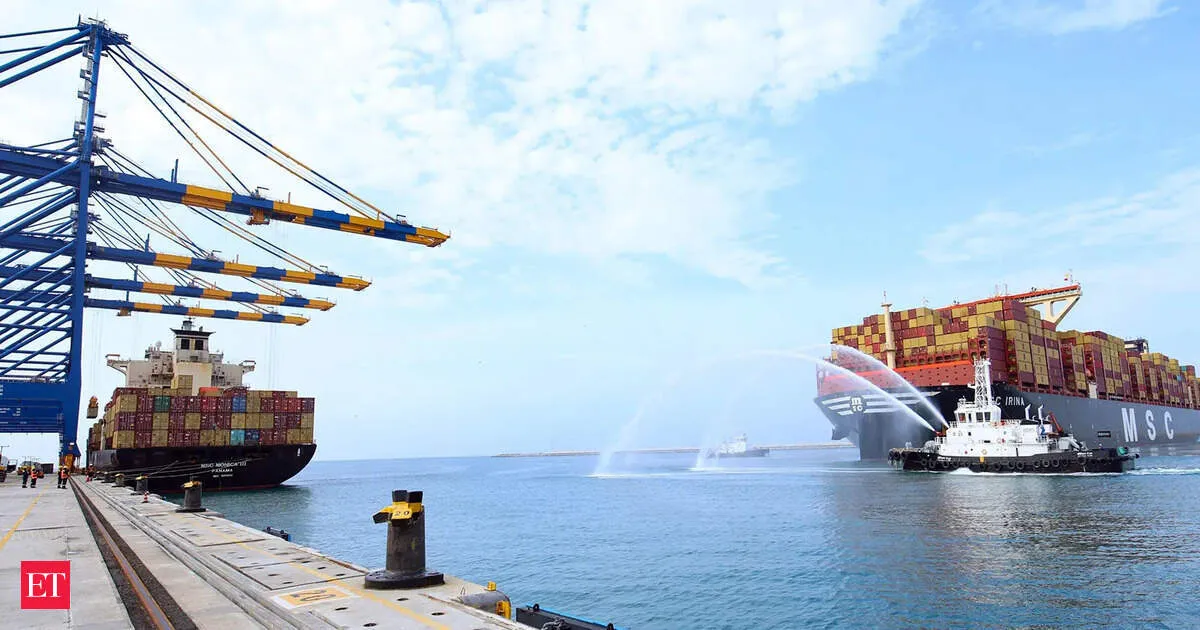
Adani Ports is pushing into Europe’s subsea and offshore services through its platform Astro Offshore. The company has partnered with Oceaneering International to target specialized marine engineering work. Adani Ports plans heavy capital spending to build a large global marine fleet, aiming to turn the expansion into a major integrated marine services platform by FY31.
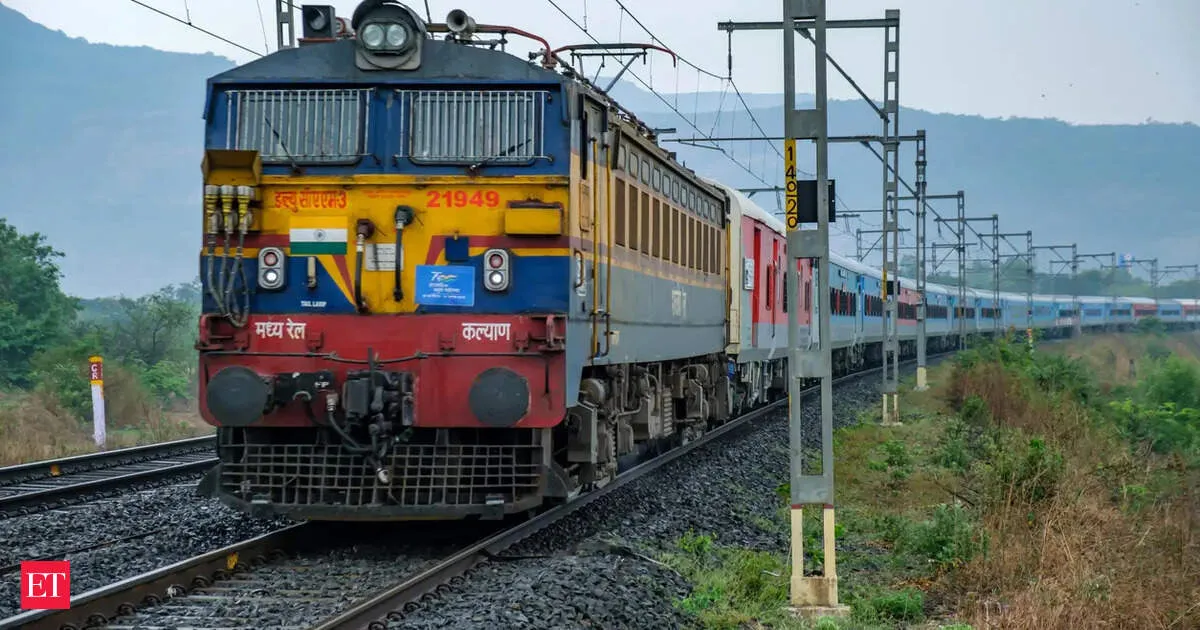
Indian Railways says it has utilized 98 percent of its FY26 capex budget by February-end. With electrification and new high-speed corridors expanding, the government expects major travel-time cuts that could shift passengers away from flights. Announced timelines include Mumbai to Pune in about 28 minutes and Delhi to Varanasi in roughly 3 hours 50 minutes.
Never miss a story
Set alerts for the topics and sources you care about. Download Beige for free.
India’s private capital expenditure jumped 67% to Rs 7.7 lakh crore in September 2025, signaling a revived investment cycle. Manufacturing led the increase, while services also contributed meaningfully. The Confederation of Indian Industry (CII) unveiled a five-point action plan to sustain growth, including proposals on fuel excise, energy conservation, and improving payment flows for MSMEs.
Hyundai Motor India is planning Rs 7,500 crore in capex by FY27, targeting a comeback to reclaim the No 2 spot in India’s passenger vehicle market. The company expects 8-10% growth in domestic sales and exports and will launch two new models this year, including a mass-segment electric SUV aimed at boosting scale and competitiveness.
Public sector companies and key government bodies ramped up capital expenditure in April, with a 63% surge that signals a strong start to the fiscal year FY27. The higher outlay points to renewed momentum in infrastructure priorities, which analysts say can support economic stability despite global uncertainties and an already higher base than last year.
SRF Ltd reported an 11% rise in consolidated net profit to Rs 582.02 crore for the quarter ended March. Alongside the results, the company said it will invest Rs 2,300 crore to set up a new plant in Odisha, signaling a major expansion plan even as it delivers stronger earnings for the quarter.
Reading on mobile?
Open Beige in the app for a smoother experience — free on iOS and Android.
Adani Cement is choosing a more cautious growth path by pushing higher utilization of its current facilities rather than racing toward ambitious FY28 targets. Management said it may recalibrate capital expenditure plans as it optimizes existing capacities, aiming to better leverage its 109 million tonnes production base. The CEO also hinted that target timelines could shift to FY30.
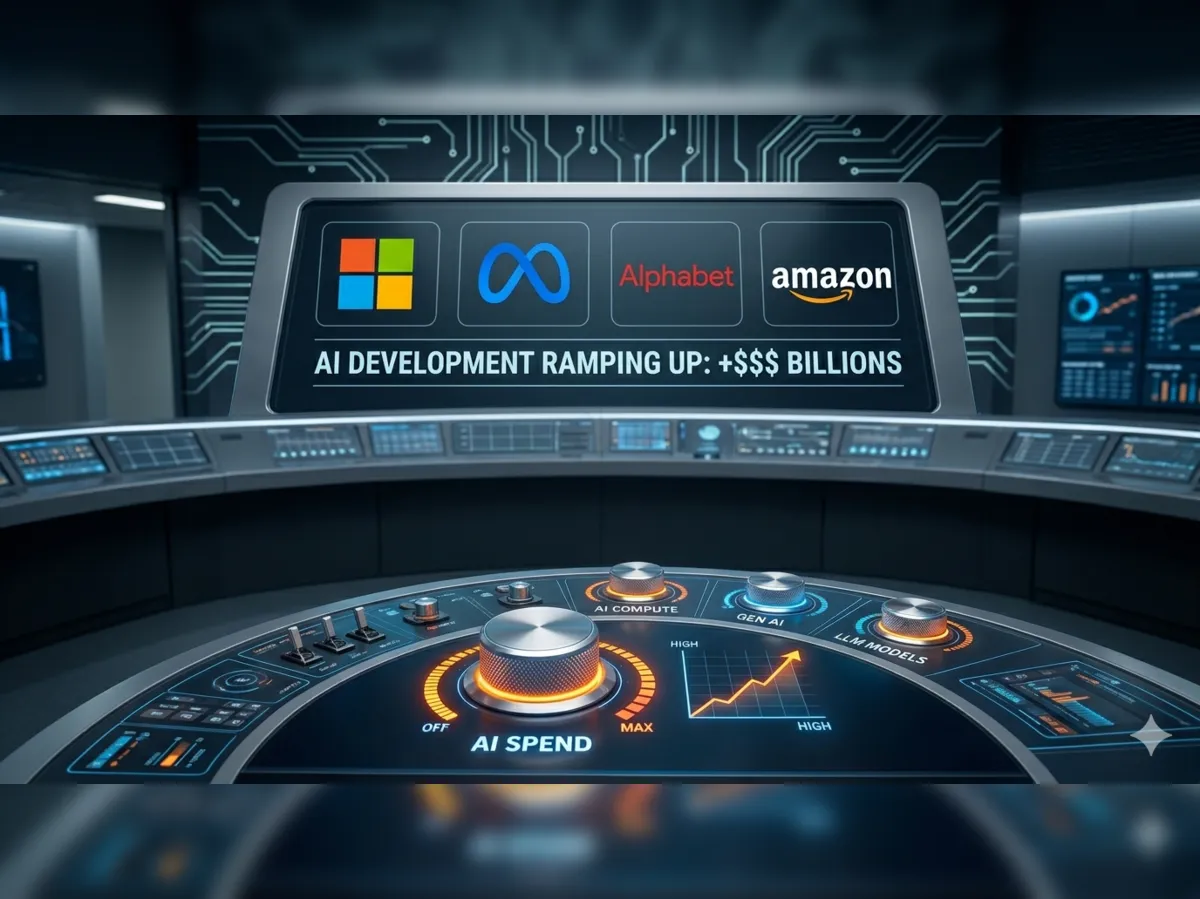
Big Tech’s March quarter 2026 earnings show revenue rising across the board, driven by an AI-led shift in spending. Companies are forecasting record AI infrastructure capex of over $674 billion for 2026, while also rolling out widespread job cuts. The plan: redirect savings into data centers and AI buildouts at a pace that’s reshaping workforce strategy.
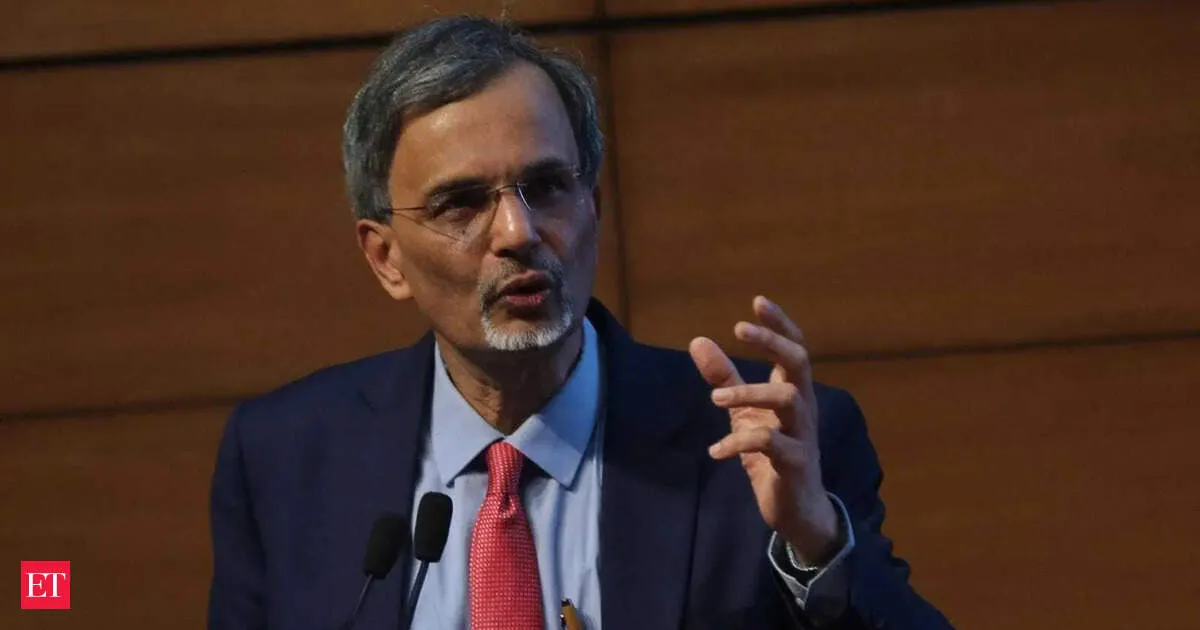
Chief Economic Adviser V Anantha Nageswaran says India’s biggest companies boosted profits after Covid, yet investment spending lagged. He warns firms kept cash rather than putting it into real assets, leaving the public sector to carry growth. With EV momentum rising, he calls for faster private capex to expand domestic opportunities and help narrow trade deficits.
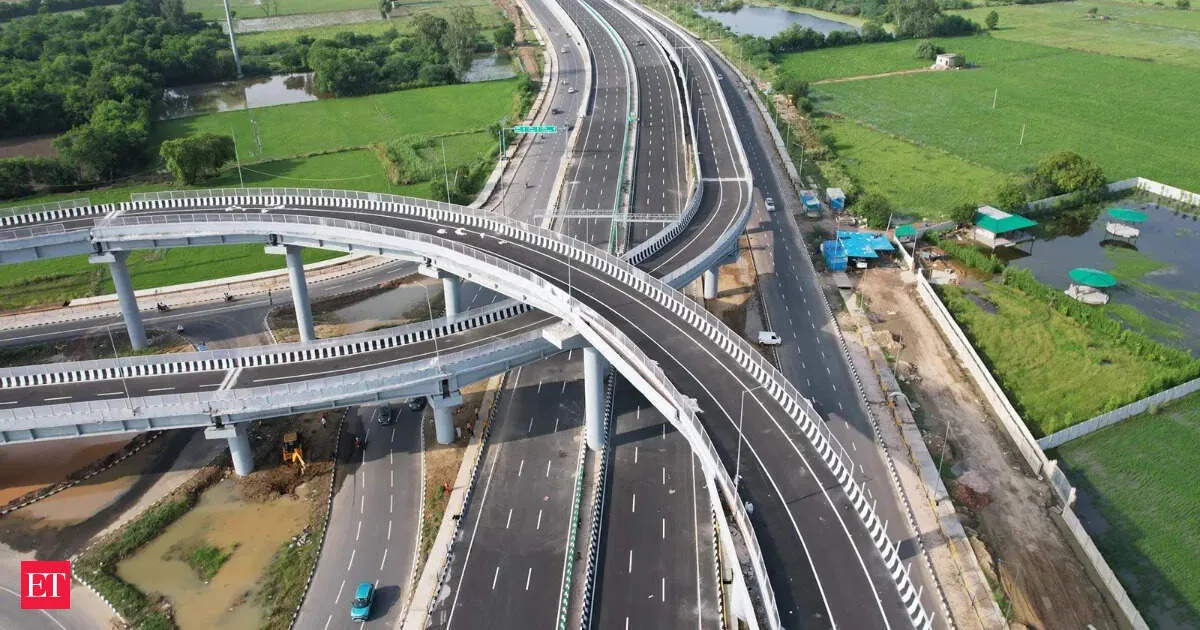
India’s government says it will keep planned capital expenditure at Rs 12.22 lakh crore this fiscal year, even as fiscal strain rises amid the West Asia crisis. Officials indicate highways, railways, and urban development will remain priority areas, arguing that steady fiscal discipline helps the economy stay resilient through uncertain global conditions.
Follow your favourite sources
Track sources, tags and categories — all in the Beige app.
Morgan Stanley says India may benefit from the West Asia conflict with a potential $800 billion capex boost across energy, defence, fertilisers and data infrastructure. But the brokerage warns the upside comes with real headwinds: India’s heavy dependence on oil and fertiliser imports could keep costs and risks elevated even if investment momentum rises.
Meta has raised $25 billion through bond sales to fund artificial intelligence infrastructure, following a prior $30 billion bond sale last year. The company is also lifting its 2026 capital expenditure outlook. Meanwhile, Meta is scaling back its metaverse business and preparing workforce reductions as it reshapes spending priorities toward AI.
India is poised for a $800 billion surge in capital expenditure over the next five years, driven by shifting geopolitics. As conflict risks reshape global supply chains, India plans to deepen manufacturing in key areas including defense, data centres, and renewable energy—turning uncertainty abroad into expansion at home.
Microsoft’s latest quarter delivered 29% cloud growth, with Microsoft Cloud revenue hitting $54.5 billion. Total revenue rose 18% to $82.9 billion and net profit climbed 23% to $31.8 billion. The company’s AI annual revenue run rate now exceeds $37 billion, but management warns it’s supply constrained through 2026 while capex ramps to an estimated $190 billion for 2026.
Stay informed on the go
Bite-sized news from 100+ trusted sources, right in your pocket.
Meta called its Q1 a “milestone” as revenue rose 33% to $56.3 billion and net profit climbed 61% to $26.8 billion, though boosted by a one-time tax benefit. Still, the real story is the AI push: Meta raised 2026 capex guidance to $125–$145 billion to secure massive computing capacity, tied to custom chips and multi-year cloud deals.
Maruti Suzuki is set to commit a record Rs 14,000 crore capex in FY27 to expand manufacturing capacity and clear a growing order backlog. With current facilities running at full capacity, the automaker will add new production lines in Haryana and Gujarat, prioritizing demand recovery for small cars.
Swipe through stories, personalise your feed, and save articles for later — all on the app.