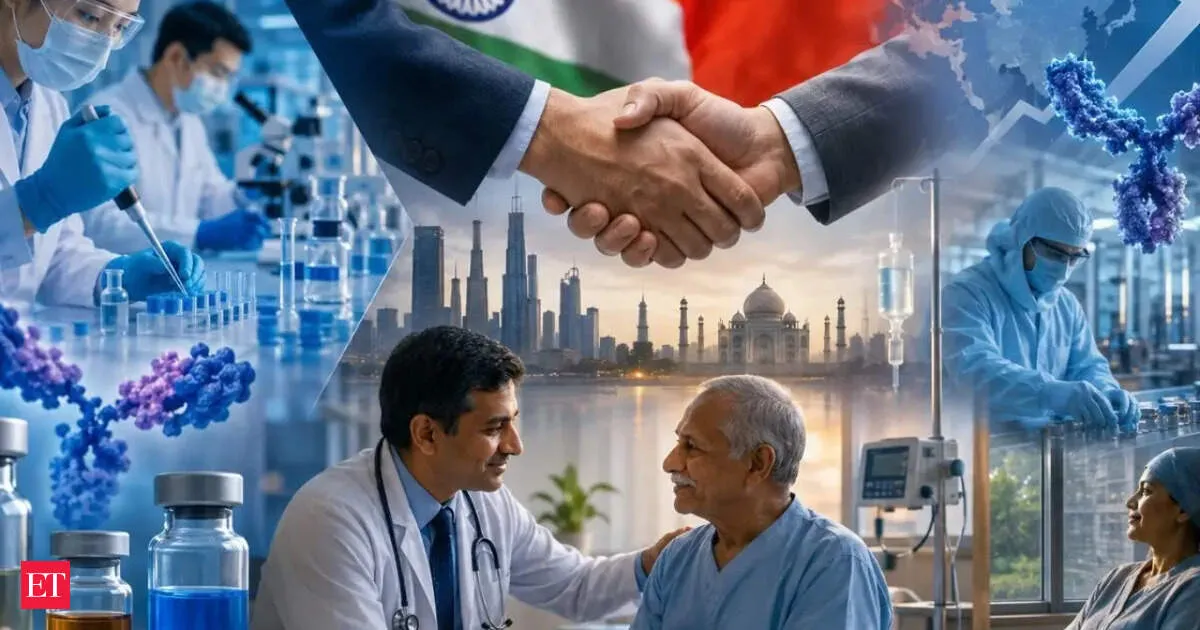
Pfizer is doubling down on India as its next growth engine, aiming to bring new medicines to market faster and at more affordable prices. The company sees major opportunity across cancer, obesity and vaccines, backed by plans for local clinical studies to support future launches and tailor outcomes for Indian patients.
A major private hospital group has warned that a reimbursement cap under the Central Government Health Scheme is straining finances for hospitals treating advanced cancer. The cap on life-saving immunotherapy drugs is pushing essential medicines beyond affordability for many CGHS beneficiaries, according to the association, which says nine specific drugs are now out of reach and may limit access to treatment.
Your news, in seconds
Get the Beige app — every story in 60 words, updated hourly. Free on iOS & Android.
India’s cancer care is shifting as cheaper immunotherapy drugs developed in China arrive through Indian partnerships. Oncologists say these options are expanding access for patients who cannot afford pricier Western medicines. The result, doctors claim, is less financial strain and fewer cases where cancer treatment drives families into severe debt, alongside improving affordability of sustained care.
After her six-year-old son Hridansh died from a rare cancer, a grieving doctor turned unbearable loss into action. She co-founded the Hridansh Foundation, now helping blind children through free eye surgeries. Her personal grief became a lasting purpose, focused on restoring sight and giving families hope when they need it most.
Israel Prime Minister Benjamin Netanyahu, 76, reportedly underwent surgery at a medical center in Jerusalem following treatment for prostate cancer. A newly shared health update describes the procedure and the immediate aftermath, offering fresh details about his condition and recovery. The disclosure comes as Netanyahu continues to lead amid regional and domestic pressure, raising fresh questions about his short-term plans.
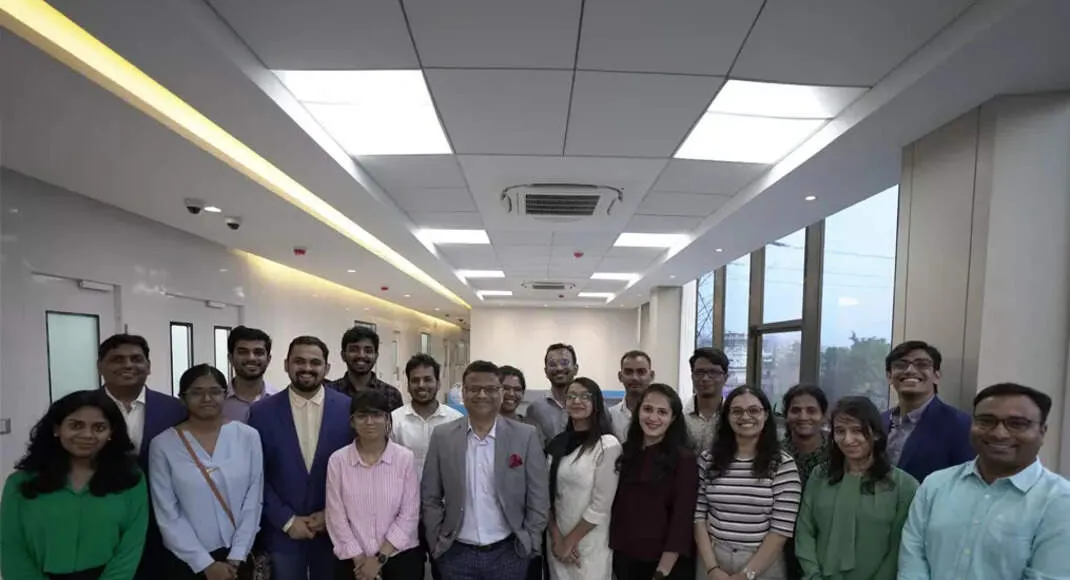
India’s first CAR T cell therapy, NexCAR 19, is delivering encouraging early results for a specific blood cancer. Now available at 40 hospitals, the indigenous developer ImmunoACT is scaling access and building confidence in homegrown advanced treatment. The big question: can this breakthrough meaningfully change outcomes in the fight against cancer’s toughest battles?
Never miss a story
Set alerts for the topics and sources you care about. Download Beige for free.
As cancer diagnoses rise across India, particularly among younger people, one small state has rolled out a distinct care model aimed at earlier screening and faster treatment. The approach focuses on timely therapeutic intervention to improve outcomes, including better disease-free survival. The initiative highlights how organized cancer management can change the trajectory for patients facing an aggressive disease curve.
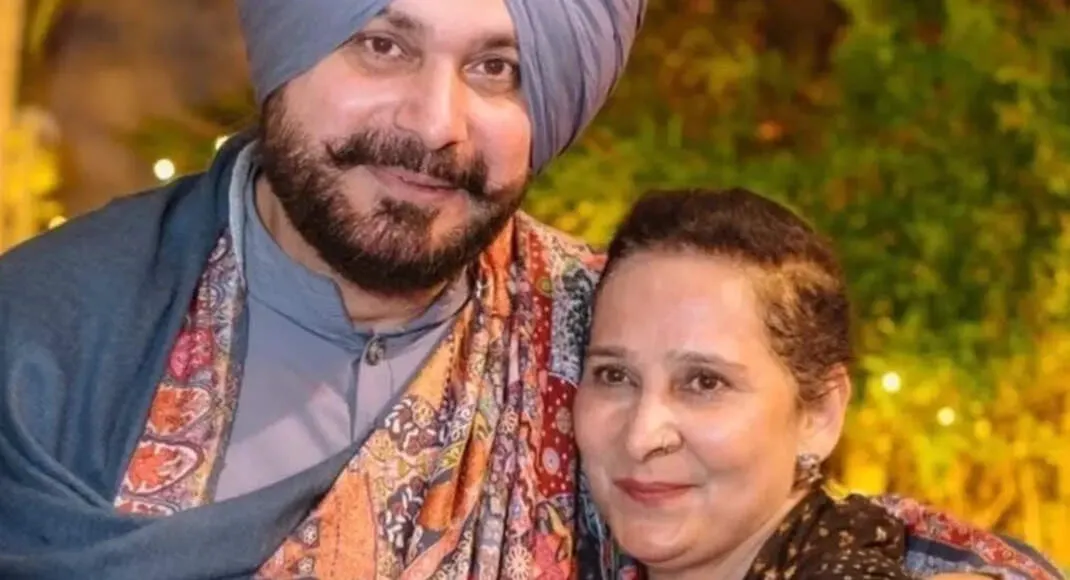
Navjot Singh Sidhu stirred controversy after claiming his wife’s advanced-stage cancer was cured using alternative remedies. His remark that fasting could kill cancer cells drew sharp criticism online. ET Prime consulted experts who cautioned that such ideas can mislead patients, risk delaying evidence-based care, and spread dangerous misconceptions about cancer treatment.
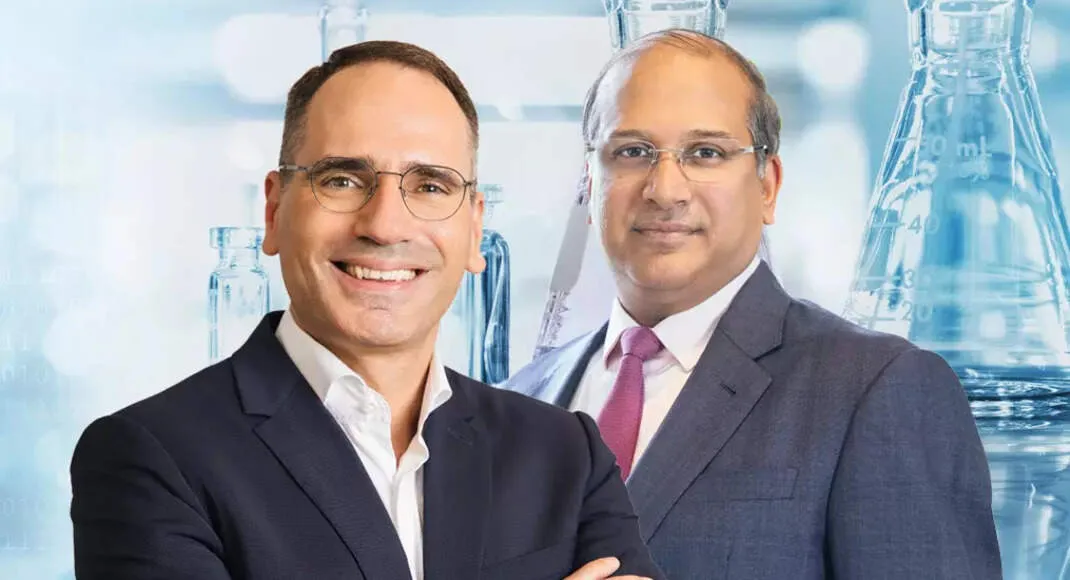
Glenmark’s Ichnos drug is showing promising results for multiple myeloma, a rare blood cancer, raising hopes for affordable breakthrough therapy. With the global market for such drugs projected to reach about USD 30 billion by decade’s end, the question is whether early clinical signals can translate into scale and pricing power against global heavyweights like J&J, Gilead, and Sanofi.
India’s cancer crisis is worsening just as a PMJAY rule threatens to limit who can treat patients. The scheme now restricts experienced oncologists unless they hold specific degrees, potentially delaying care for many. While the government backs earlier detection and pushes down drug costs, public health demands revisiting PMJAY eligibility so vital specialists can work without unnecessary barriers.
Reading on mobile?
Open Beige in the app for a smoother experience — free on iOS and Android.
A new genome reference set built around India’s diverse ethnic groups could improve cancer modelling and treatment decisions. By cataloging genetic variants that are common in different populations, researchers can create more accurate disease risk profiles and therapies designed for India’s genetic reality rather than relying on data from other regions.
Swipe through stories, personalise your feed, and save articles for later — all on the app.