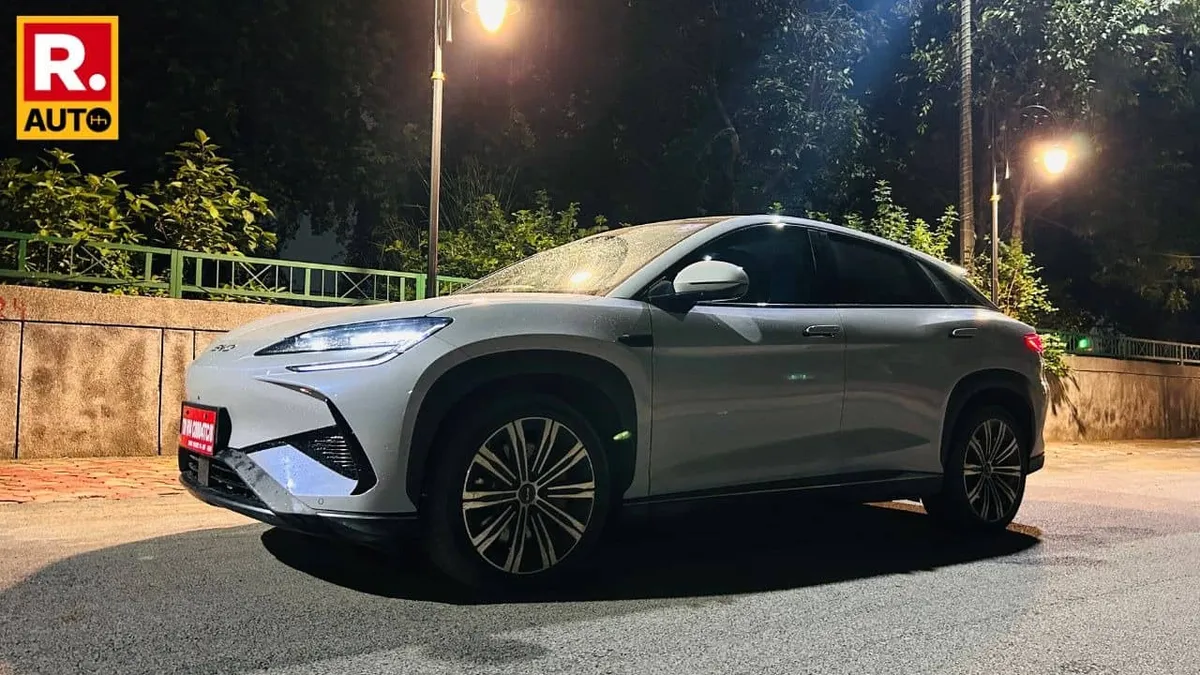
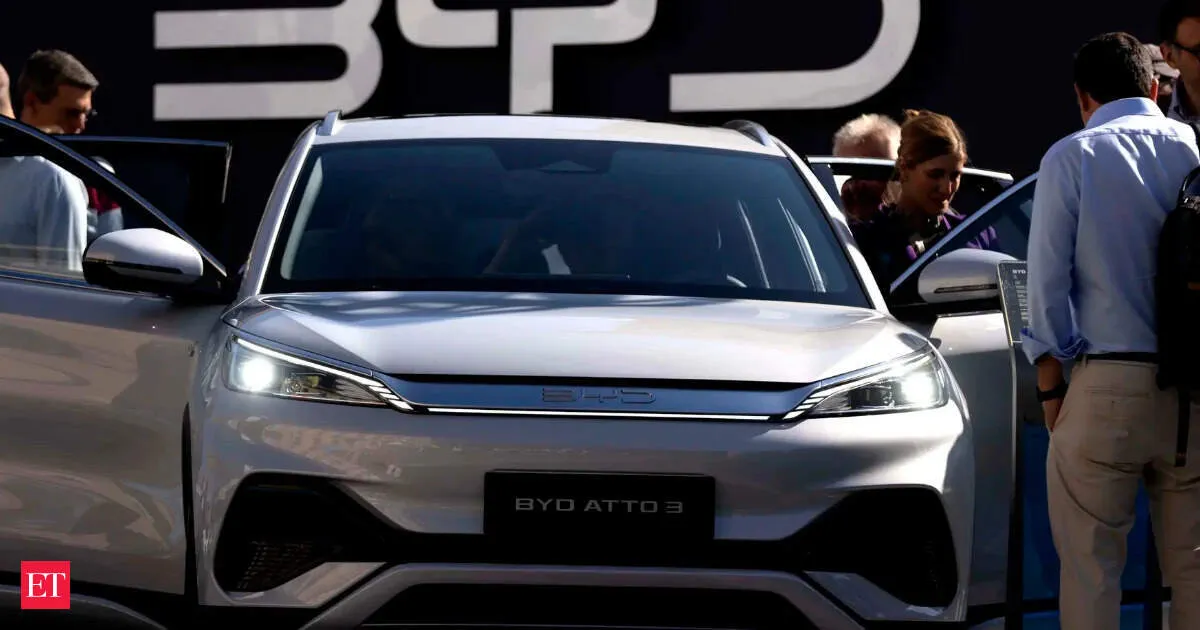
BYD India has announced revised pricing for its electric passenger vehicle lineup effective July 1, 2026. The company says the change will vary by model and variant, ranging from about 1% to 2%. The hike will apply across popular models including the Atto 3, Seal, and Sealion 7, making new purchases costlier soon.
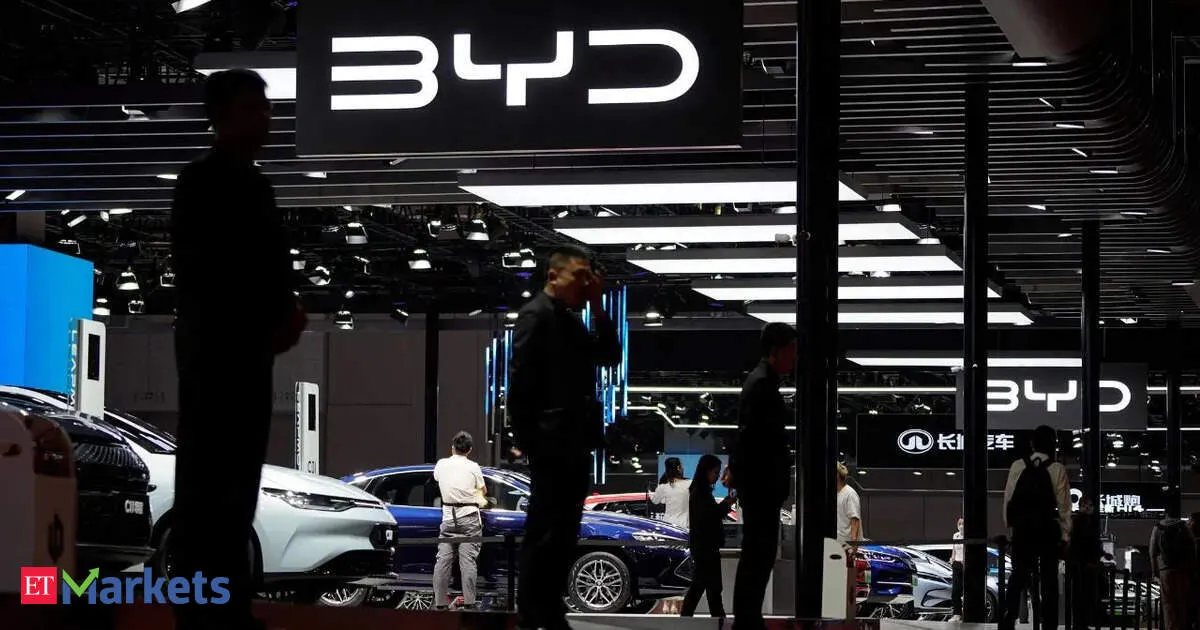
China’s car sales dropped 21.6% year-on-year in April, extending a seventh straight month of contraction. With the domestic market weakening, automakers are leaning on export growth that jumped 80.2% to offset losses. The shift is visible in BYD’s results, where global shipments rose even as overall sales declined.
Your news, in seconds
Get the Beige app — every story in 60 words, updated hourly. Free on iOS & Android.
BYD’s Q1 profit dropped 55%, its steepest decline since 2020, according to a stock filing. Sluggish demand in China and growing competition in electric vehicles are blamed for weaker results. The news adds pressure on global markets watching EV leaders, as momentum in China appears to be cooling faster than expected.
China’s EV and car market is stuck in a deeper price war, with BYD and rivals expanding discounts despite government calls to slow them. The fight is fueled by overcapacity: factories are producing far more vehicles than the domestic market can absorb. That squeeze is now spreading through the ecosystem, dragging down used car values and pushing automakers to chase growth abroad.
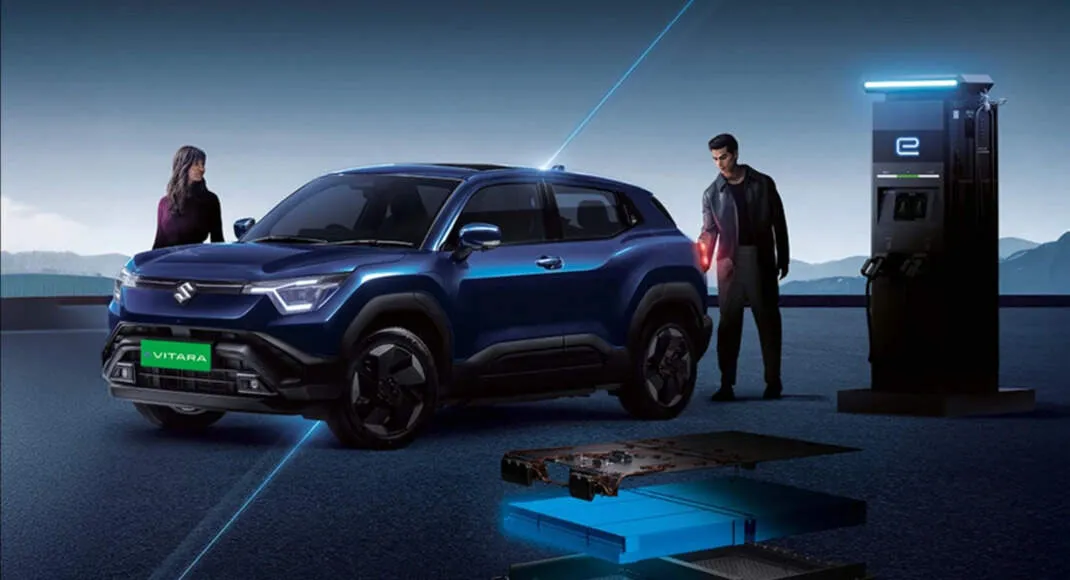
Maruti Suzuki’s first EV will rely on an imported BYD Blade battery pack, a clear break from localisation goals. The automaker cites safety, performance, speed of development, and regulatory complexity as key drivers. The decision underlines how technology readiness, geopolitics, and cost pressures are reshaping India’s EV race and supplier strategies.
Swipe through stories, personalise your feed, and save articles for later — all on the app.