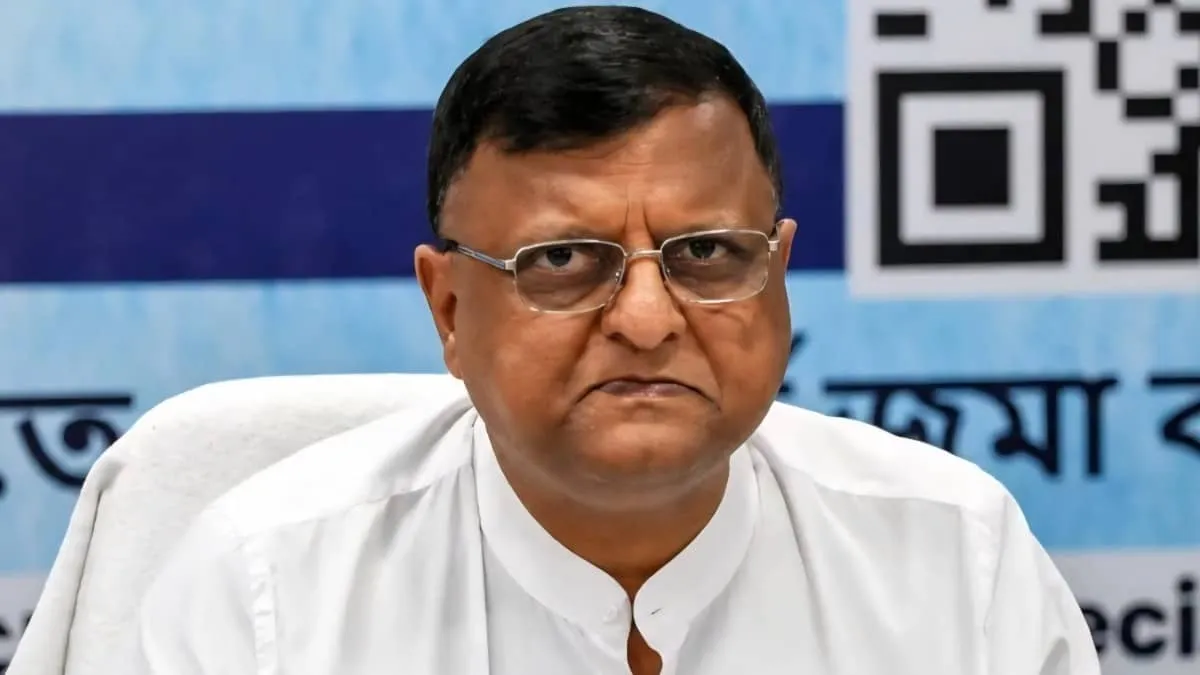
West Bengal has appointed IAS officer Manoj Kumar Agarwal, a seasoned 1990-batch bureaucrat, as the state’s new Chief Secretary. The reshuffle comes at a crucial moment, and government sources point to his “calm leadership style” and “institutional memory” as major reasons he rose above other senior contenders to take charge of top administration.
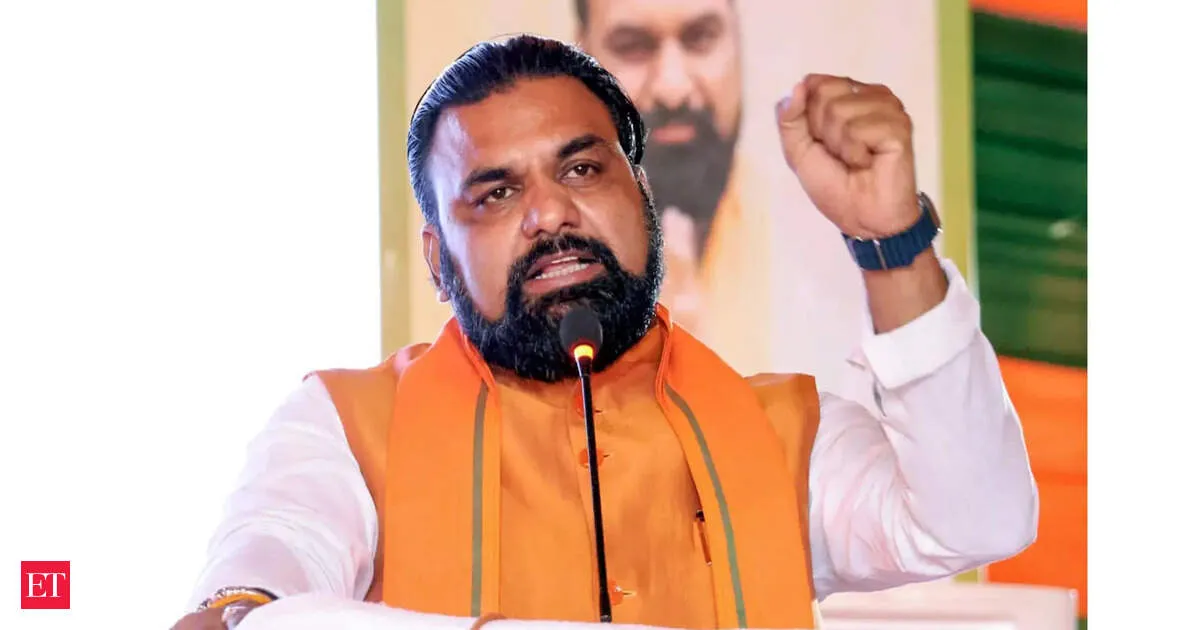
Bihar’s NDA government has carried out a major administrative reshuffle, transferring 11 IAS and 16 IPS officers. HR Sriniwas has been appointed Additional Chief Secretary of the Social Welfare Department, while Santosh Kumar Mall becomes Principal Secretary of Disaster Management. Sudhanshu Kumar is named Additional Director General of Law and Order, signaling a sharp shift in key governance functions.
Your news, in seconds
Get the Beige app — every story in 60 words, updated hourly. Free on iOS & Android.
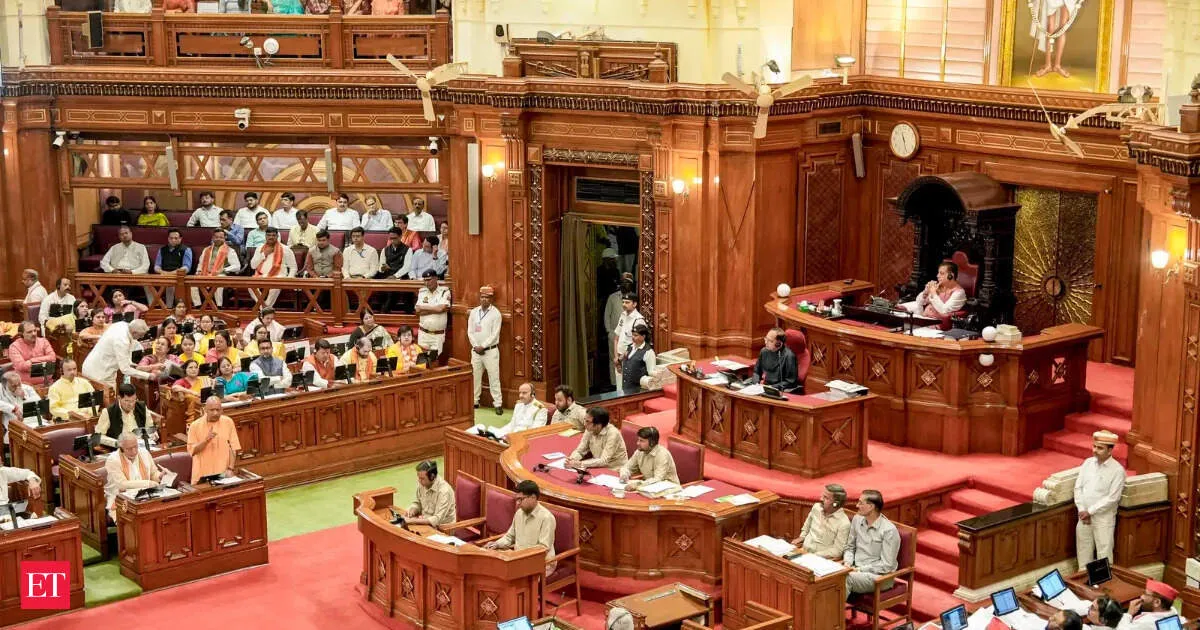
The Uttar Pradesh government has issued a protocol order directing officials to welcome MPs and MLAs by standing up and offering water immediately when they arrive at government offices. The move follows repeated complaints from legislators that bureaucrats were not giving them proper attention. Officials are now expected to follow the new etiquette rules strictly during visits to maintain respect and coordination.
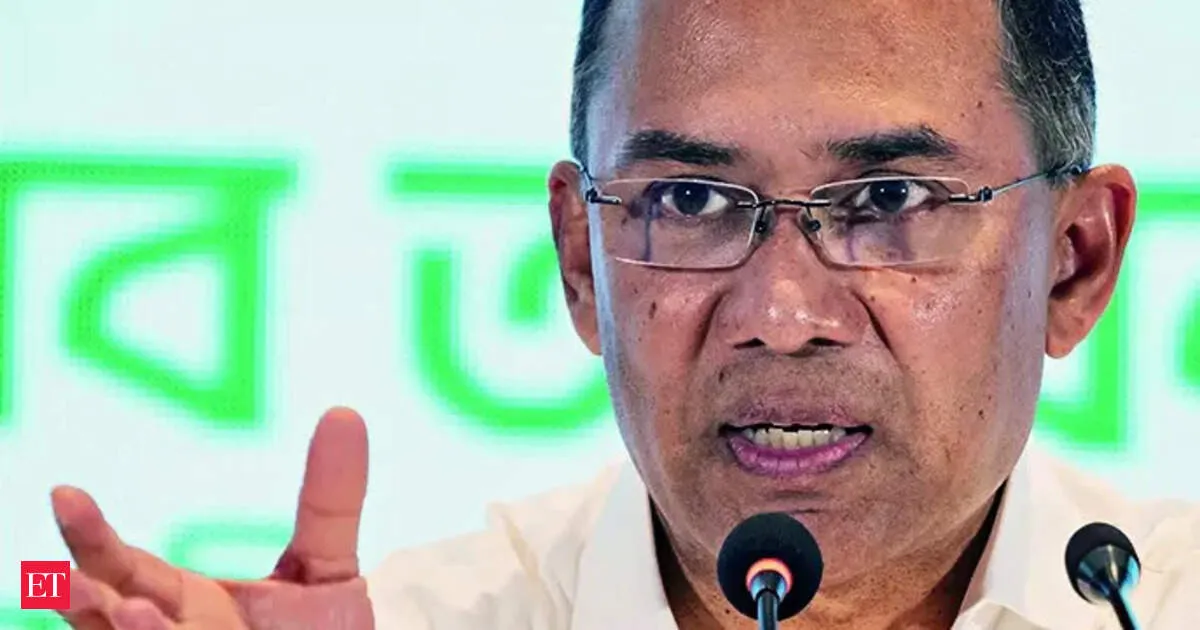
West Bengal Chief Secretary Manoj Pant has reportedly directed retired bureaucrats serving in government positions to stop reporting to offices immediately, according to sources. The move, coming days ahead of a political leadership change after assembly election results, is seen as a decisive crackdown on the practice of retaining retired officers in key administrative roles.
Twelve senior Bangladeshi officials are currently in Pakistan for a fully Pakistan-funded training programme, marking the first structured bureaucratic exchange since the early 1970s. The course is designed for comparative learning of administrative systems and reflects rising engagement between the neighboring countries after Sheikh Hasina’s ouster.
IRS officers are stepping into top roles that long belonged to IAS leaders, signaling a major shift in India’s bureaucratic power map. Appointments including Election Commissioner, Central Vigilance Commissioner, and Enforcement Directorate chief underscore how tax leadership is gaining influence across governance, oversight, and enforcement—quietly challenging the IAS’s traditional dominance.
Never miss a story
Set alerts for the topics and sources you care about. Download Beige for free.
Beyond wage protests, Noida and Greater Noida MSMEs say entrenched bureaucratic systems and legacy administrative practices are the real drag on growth. Industry stakeholders argue compliance burdens and outdated procedures are undermining momentum, adding time and cost pressures that smaller businesses struggle to absorb—leaving them trapped between operational demands and paperwork-heavy governance.
The Centre’s National Faceless Appeal Scheme launched in 2020 aimed to reduce fear and curb discretionary power in income tax appeals. But a quiet bureaucratic dispute is now testing the reform’s core promise, with senior officers pushing for review processes that may not strictly follow the existing rulebook.
Swipe through stories, personalise your feed, and save articles for later — all on the app.