India may need to overshoot its fertiliser subsidy estimates by about Rs 70,000 crore, driven by heavy import dependence for DAP and limited domestic urea coverage. With DAP imports accounting for over 80% of requirements and urea production meeting only 30–35% of total demand, officials say the Centre is focused on ensuring sufficient stocks for farmers at affordable rates.
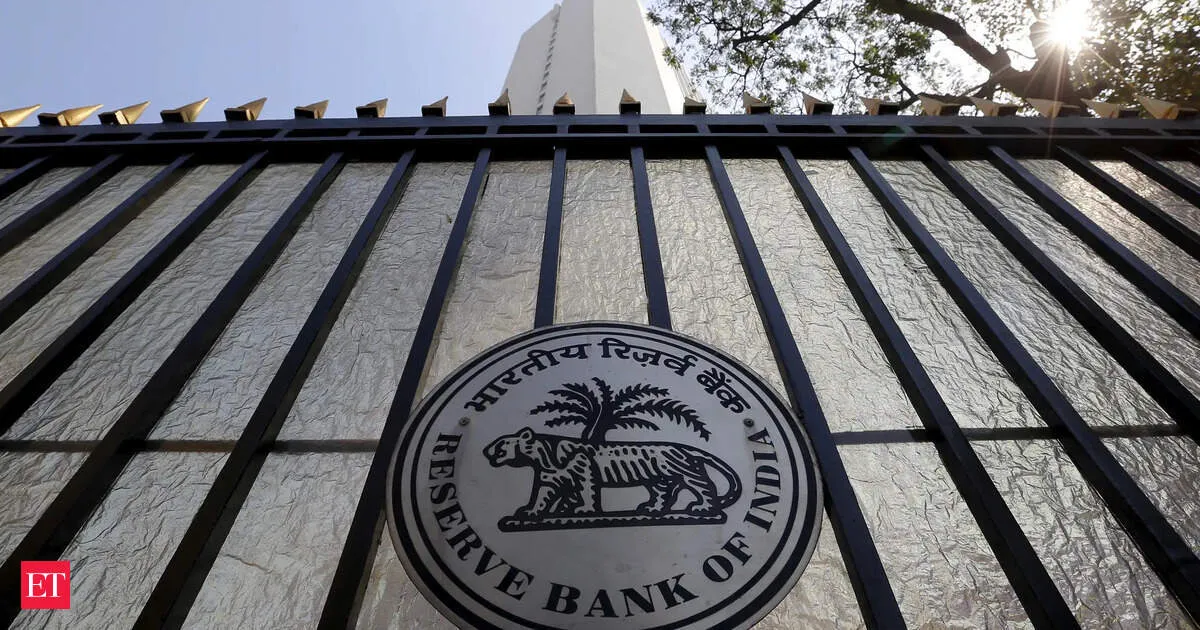
The Reserve Bank of India is expected to transfer its highest-ever dividend to the central government, giving the Centre a fresh fiscal cushion. The RBI board will decide the exact amount this month. The news also aligns with reports of record profits at public sector banks, lifting expectations for government revenue.
Your news, in seconds
Get the Beige app — every story in 60 words, updated hourly. Free on iOS & Android.
India will roll out VB-G RAM G to replace MGNREGA starting July 1, 2026. The new scheme guarantees eligible rural households 125 days of work each year, with a near Rs 96,000 crore budget allocation. The government says the switch will be seamless, keeping existing job cards valid, while focusing on rural infrastructure and livelihoods.
C Joseph Vijay was sworn in as the new Chief Minister of Tamil Nadu, along with his cabinet ministers taking oaths as MLAs at the Chennai secretariat. In his address, Vijay pledged to run a transparent government and tackle the state’s financial situation. He also outlined priorities including education, roads, and improved water facilities.
The Prime Minister’s Employment Generation Programme has generated jobs for over 36 lakh people and helped set up more than four lakh new businesses. Implemented by KVIC, the initiative reportedly spent its entire budget. Notably, many of the new enterprises are in rural areas, strengthening local economies and supporting more balanced growth across regions.
India’s direct tax collections edged up in FY26, but the overall mop-up missed the revised target by ₹81,000 crore. Lower-than-expected corporate and personal income tax collections drove the shortfall, even as officials pointed to an underlying resilience in the economy. Tax growth is expected to moderate further, with a clearer assessment by June.
Never miss a story
Set alerts for the topics and sources you care about. Download Beige for free.
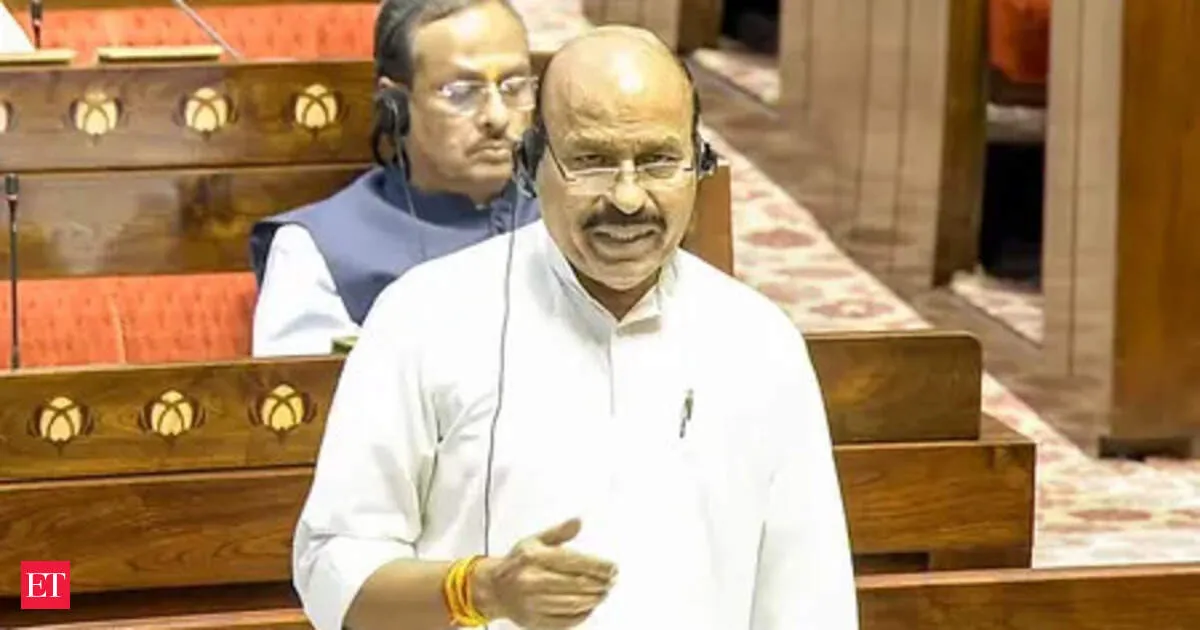
Parliamentary panels have flagged a recurring problem: central ministries repeatedly fail to spend allocated funds, forcing large surrenders. The reports point to weak budgeting and forecasting, with major cuts at the revised estimates stage in areas like Defence, Petroleum and Housing, alongside persistently low utilization rates. Committees warn this cycle undermines planning and delivery of public priorities.
India’s government says it will keep planned capital expenditure at Rs 12.22 lakh crore this fiscal year, even as fiscal strain rises amid the West Asia crisis. Officials indicate highways, railways, and urban development will remain priority areas, arguing that steady fiscal discipline helps the economy stay resilient through uncertain global conditions.
The Union Ministry of Social Justice and Empowerment has earmarked over Rs 2,000 crore for educational schemes in FY 2025-26. The funds will support OBC, EBC, and DNT students, with the stated goal of improving access to quality education and backing academic progress. The allocation marks a major push for educational inclusion.
The White House says federal funds for Department of Homeland Security workers, including TSA staff, will soon be exhausted, with the Office of Management and Budget projecting payments run out by May. It urges Congress to approve a budget resolution quickly to restore full funding, warning that delays could disrupt airports and heighten national security risks.
Reading on mobile?
Open Beige in the app for a smoother experience — free on iOS and Android.
Global military spending climbed to $2.887 trillion in 2025 for an 11th straight year. India ranked fifth, boosting defense budgets by 8.9% to $92.1 billion. The report links part of the increase to the India-Pakistan conflict in May 2025, with the United States, China, Russia, and Germany also among the biggest spenders.
The Reserve Bank of India will auction ₹14,500 crore in State Government Securities on April 28, 2026. States including Uttar Pradesh and Madhya Pradesh are expected to sell bonds across tenors of 3 to 23 years through the E-Kuber platform. The securities qualify for SLR and are open to retail investors, widening participation beyond institutions.
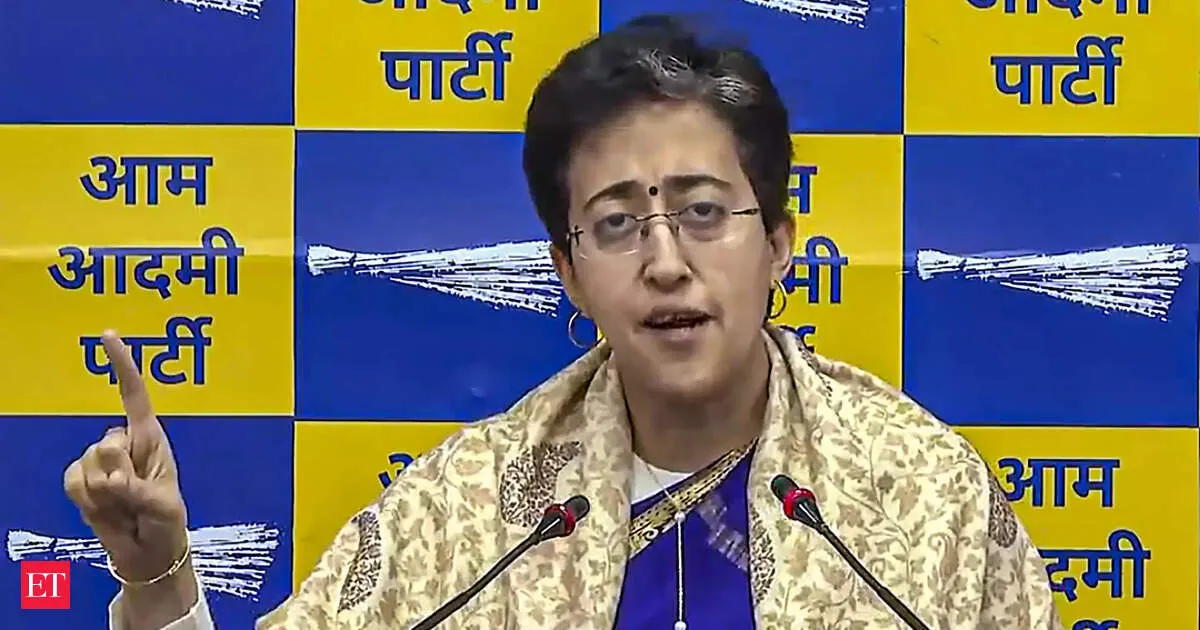
Delhi’s Assembly will hold its 2024-25 Budget session from Feb 15 to 20, with Finance Minister Atishi presenting the budget on Feb 16. The session will proceed after seeking Lt Governor’s approval and is expected to center on health and education, including expanding healthcare infrastructure, reducing neonatal mortality, and improving institutional deliveries while pushing to complete existing projects.
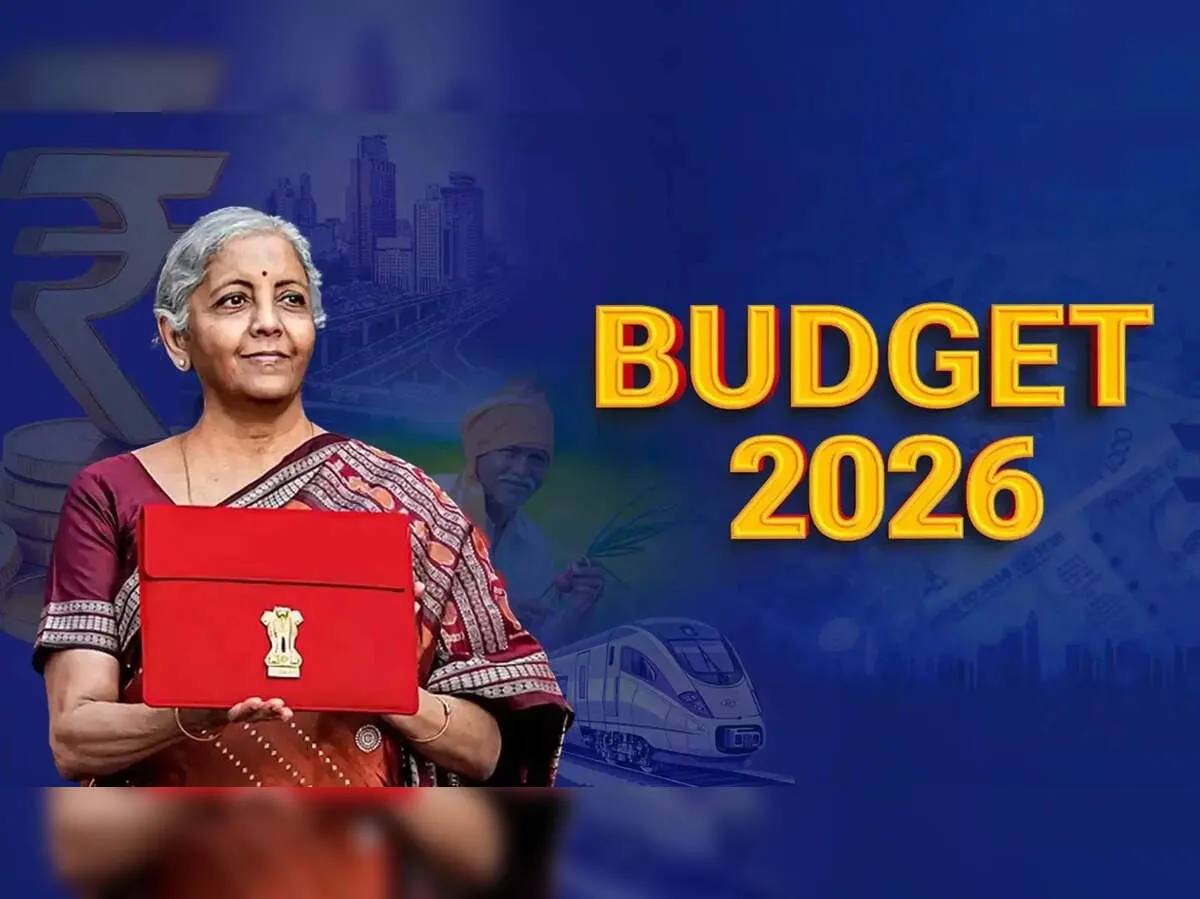
This Budget signals a clear shift in India’s growth strategy, elevating data centres, artificial intelligence, and semiconductors from niche tech to key national priorities. The “digital blueprint” frames these areas as the new engines for investment, jobs, and competitiveness—marking a departure from spending focused mainly on physical infrastructure.
Follow your favourite sources
Track sources, tags and categories — all in the Beige app.
The Budget proposes a six-month mini amnesty window for individuals who hold undisclosed foreign assets. Eligible taxpayers can declare previously non-disclosed assets acquired with earnings already disclosed, by paying a fee. The move is designed to help small taxpayers, including students and relocated NRIs, regularize past omissions while reducing the risk of penalties and prosecution for minor violations.
ASSocham has pitched the government to extend the “Vivad Se Vishwas” settlement scheme beyond current coverage into highly regulated sectors such as telecom, power, and mining. It also wants a dedicated dispute resolution mechanism for customs-related cases, arguing that tax and procedural stability would reduce litigation burdens and improve business certainty.
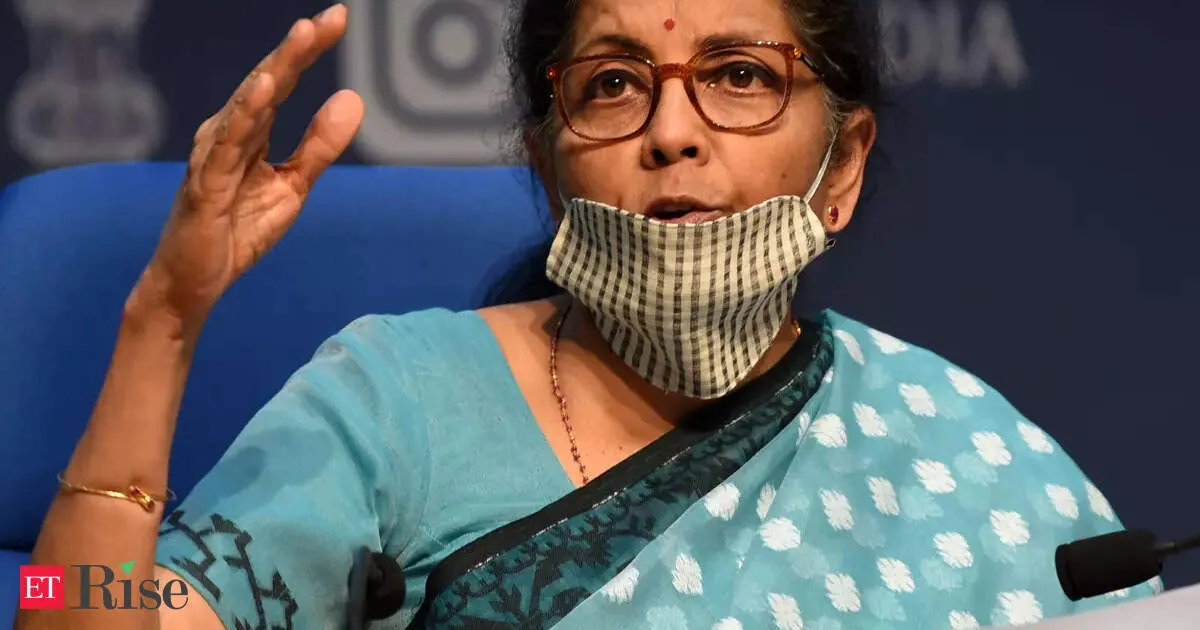
Finance Minister Nirmala Sitharaman pitched the Digital Rupee as a major economic boost under India’s CBDC push. But fintech community members argue the “digital budget” remains opaque, with crucial implementation details missing. The criticism centers on what’s actually planned—how the system will work, rollout timelines, and safeguards—raising questions about transparency and confidence.
Budget proposals for FY 2023-24 suggest restricting input tax credit (ITC) on goods or services used to meet CSR obligations. Experts warn this could reduce the practical value of CSR benefits by raising effective costs for companies. Businesses are concerned the move may make it harder to sustain or expand CSR programs, especially where tax credit currently improves affordability.
Stay informed on the go
Bite-sized news from 100+ trusted sources, right in your pocket.
Budget 2026-27 signals a major policy pivot: moving from foundational technology missions toward an application-led, infrastructure-focused approach. The government’s roadmap is designed to shift momentum into a private-led innovation cycle, aiming to strengthen India’s technological sovereignty through targeted support for AI, semiconductors, and data systems.
Indian civic bodies are increasingly turning to the bond market to fund urban development, buoyed by budget incentives. Major players like Bombay Municipal Corporation and Ahmedabad Municipal Corporation are gearing up to raise sizable resources through debt, while smaller municipalities are preparing to issue bonds of their own, signaling a wider shift toward market-based financing for city projects.
Swipe through stories, personalise your feed, and save articles for later — all on the app.