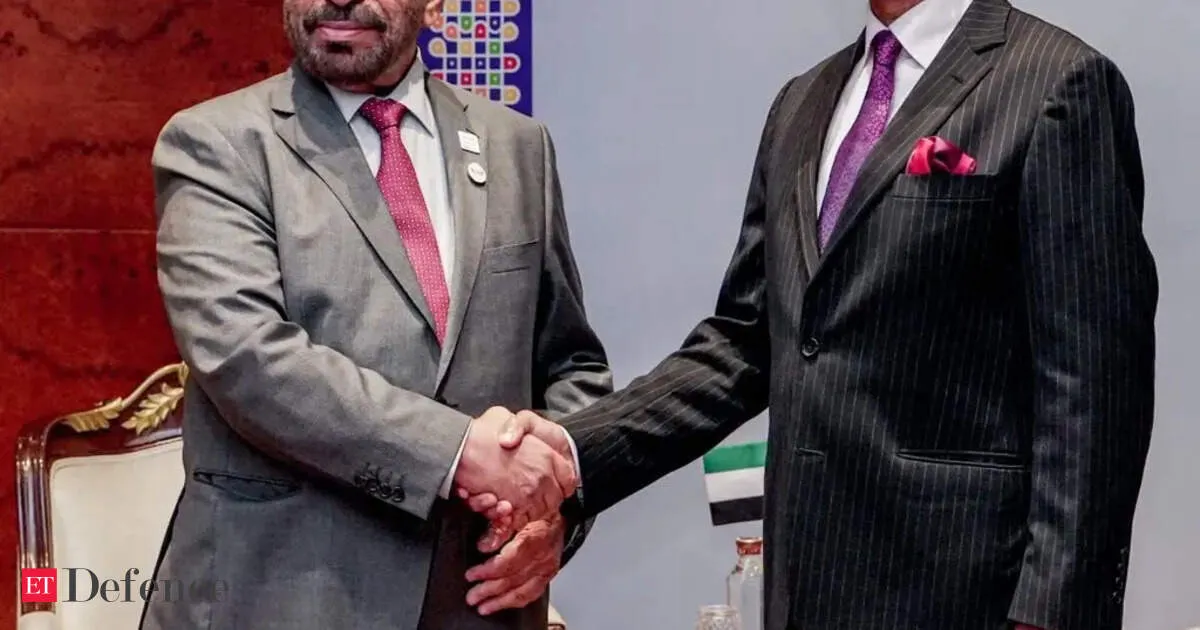
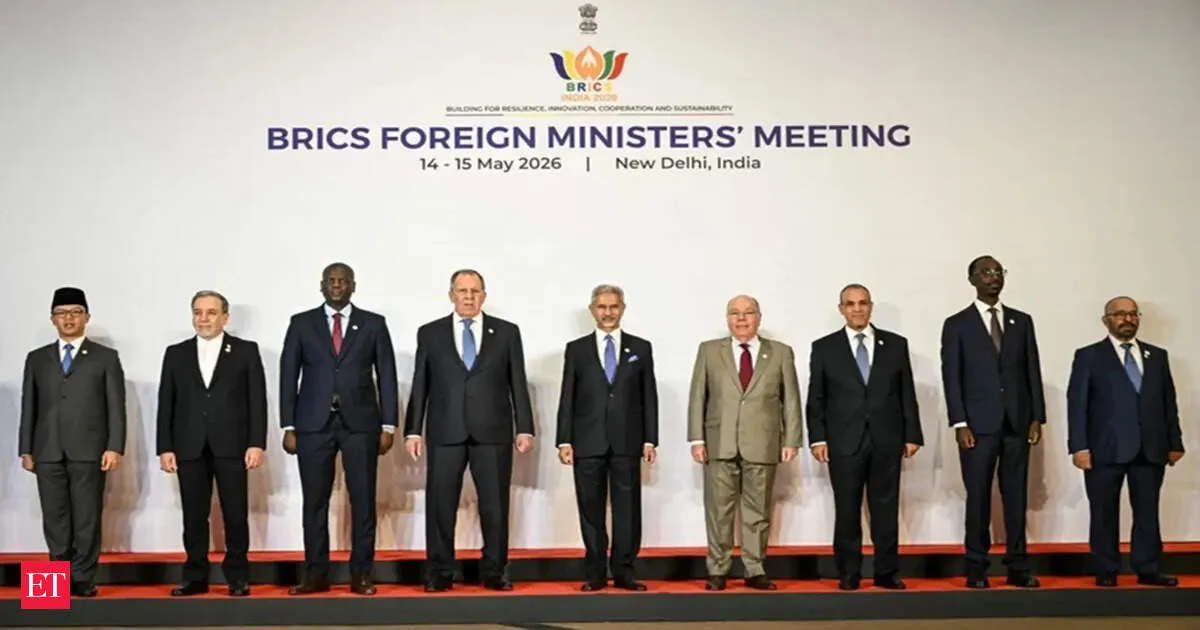
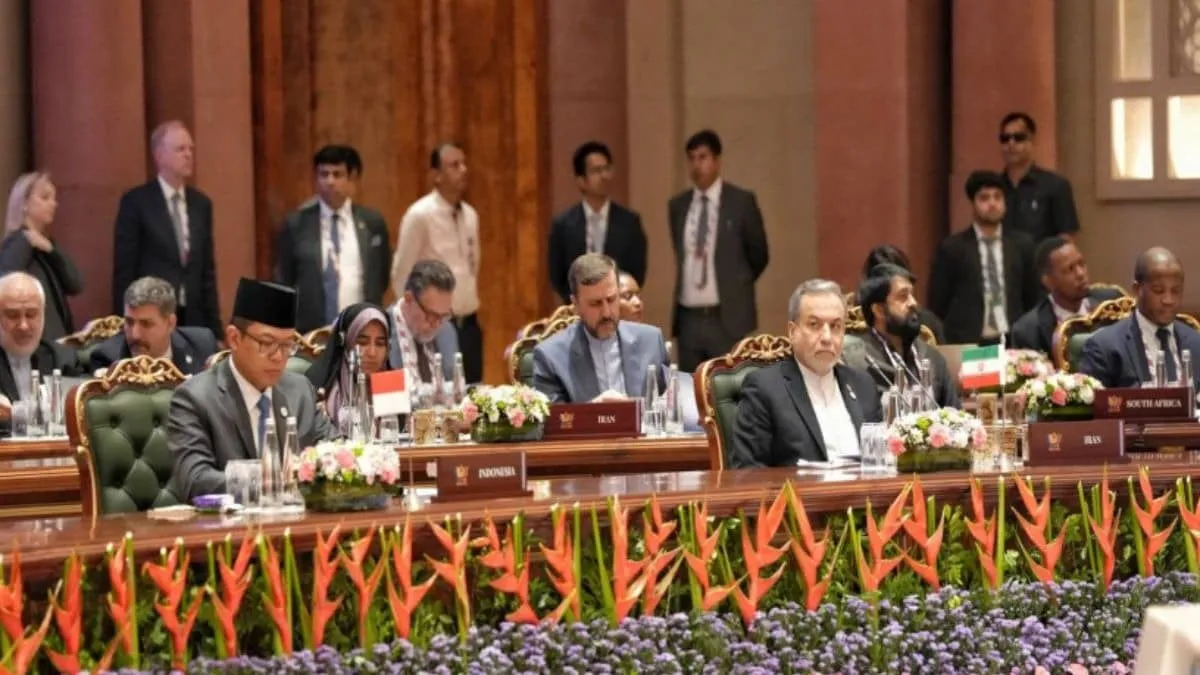
At the BRICS Foreign Ministers’ Meeting in New Delhi, the UAE rejected Iran’s accusations that Abu Dhabi was directly involved in aggression against Tehran during the West Asia conflict. UAE Minister of State Khalifa Shaheen Al Marar said the claims will not affect its “principled positions” or sovereign decision-making, while the UAE accused Iran of repeated strikes on Emirati infrastructure. Abu Dhabi also cited near 3,000 intercepted ballistic missiles, cruise missiles and drones, and warned against actions that it says obstruct maritime routes and target civilian facilities.
China’s ambassador to India, Xu Feihong, congratulated New Delhi for hosting the BRICS Foreign Ministers’ Meeting, calling the talks constructive despite a fast changing global landscape. Speaking in place of absent FM Wang Yi, Xu said the Chair’s Statement and Outcome Document reflect broad consensus on international issues, BRICS development, and reform of global governance. He said China, as incoming chair, will deepen solidarity and proposed stronger strategic coordination, economic ties, innovation, and people to people links.
Your news, in seconds
Get the Beige app — every story in 60 words, updated hourly. Free on iOS & Android.
India’s trade with the expanded BRICS bloc climbed to about $416 billion in 2025, but the goods trade deficit widened sharply, nearly doubling from $117 billion in 2021 to $224 billion in 2025. Imports from BRICS rose at roughly 12% CAGR while exports grew only about 3%, with Russia a major source boosted by crude oil. Ahead of the BRICS Foreign Ministers’ Meeting, India faces a policy test: reduce import dependence and expand outbound shipments.
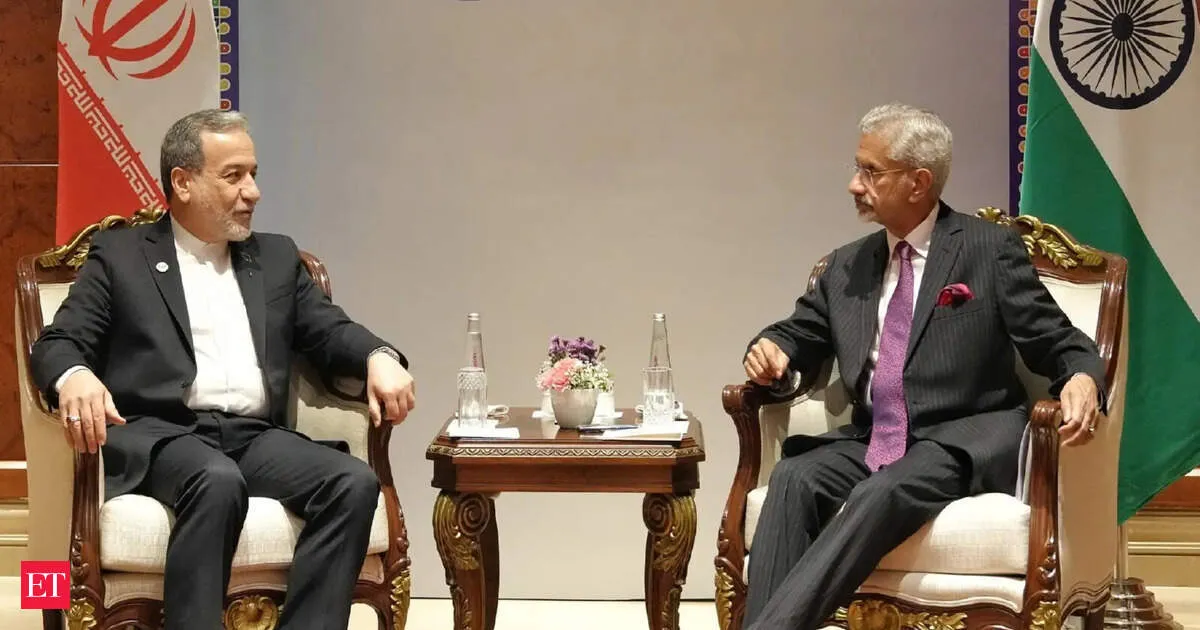
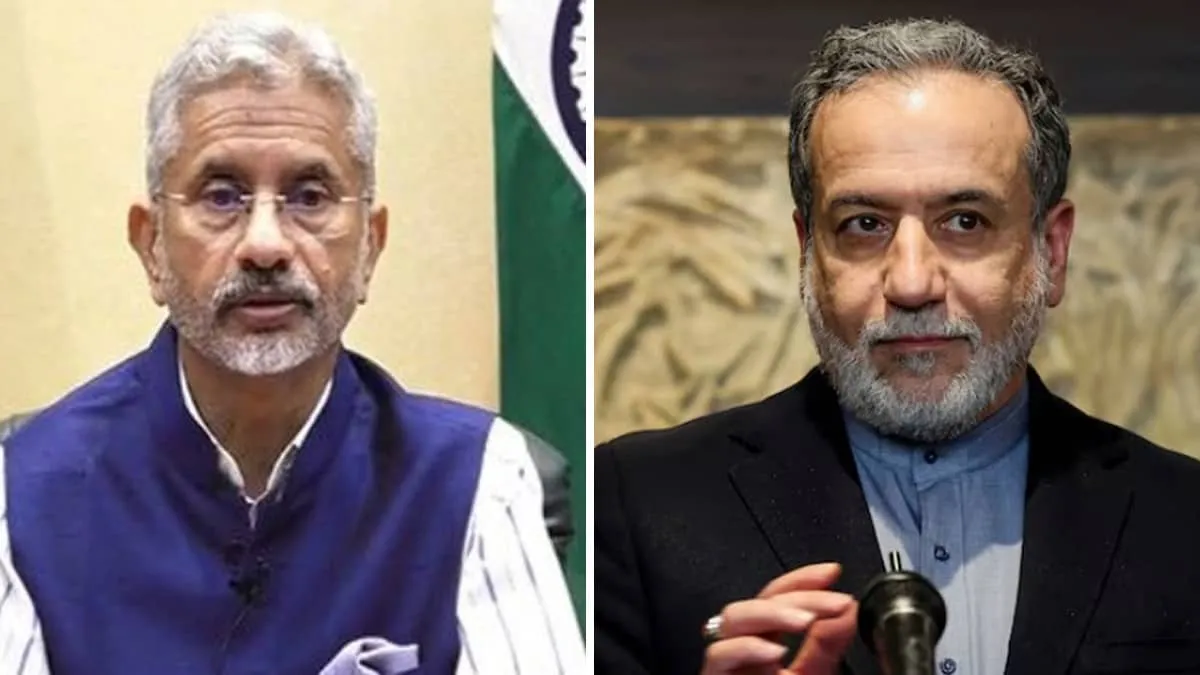
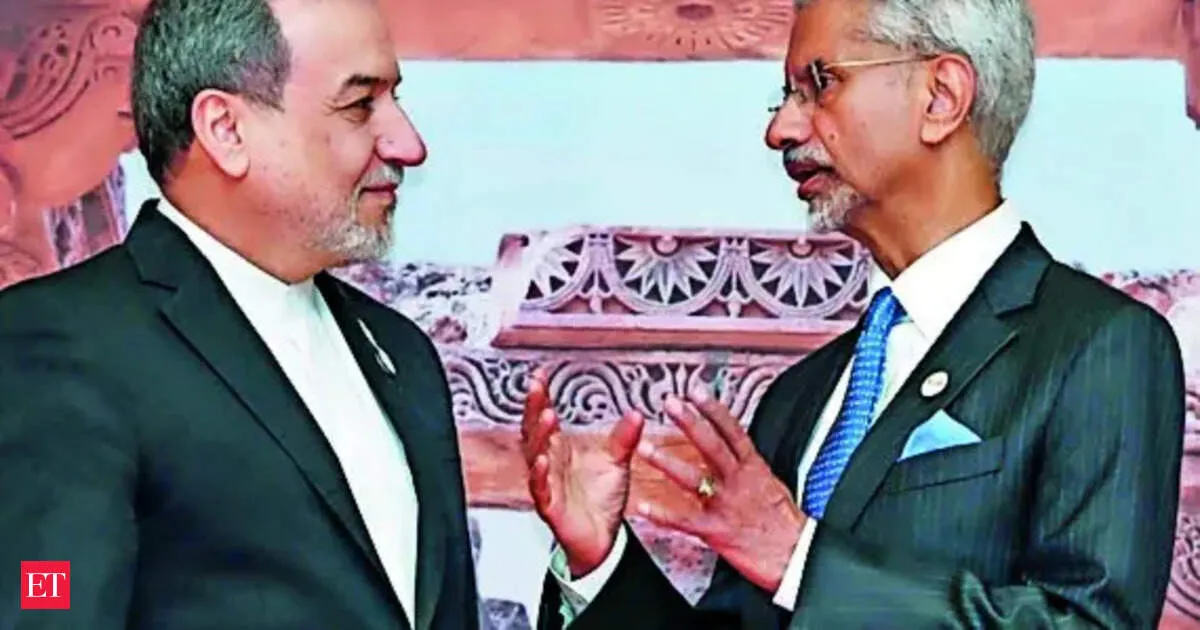
Iranian Foreign Minister Seyyed Abbas Araghchi met India’s External Affairs Minister S Jaishankar and pledged that friendly nations can rely on Iran for commerce safety through the Strait of Hormuz. Araghchi said Iran would carry out its “historical duty” as a protector of security in Hormuz, and pointed to Iran’s resistance to US “bullying” as a familiar struggle for many states. Speaking at BRICS talks, he urged keeping international institutions free from political manipulation while ministers backed India’s 2026 chairship.
BRICS diplomats met in Delhi but failed to agree on a joint statement after two days of talks, forcing India to issue only a chair’s statement that laid bare deep divisions. The dispute centered on the Middle East conflict involving Iran, with Tehran accusing the UAE of direct involvement and blaming U.S. ally actions on Iranian soil. Iran said a BRICS member blocked parts of the final language. Despite gaps, BRICS reiterated calls for diplomacy, international law, and unity among the Global South.
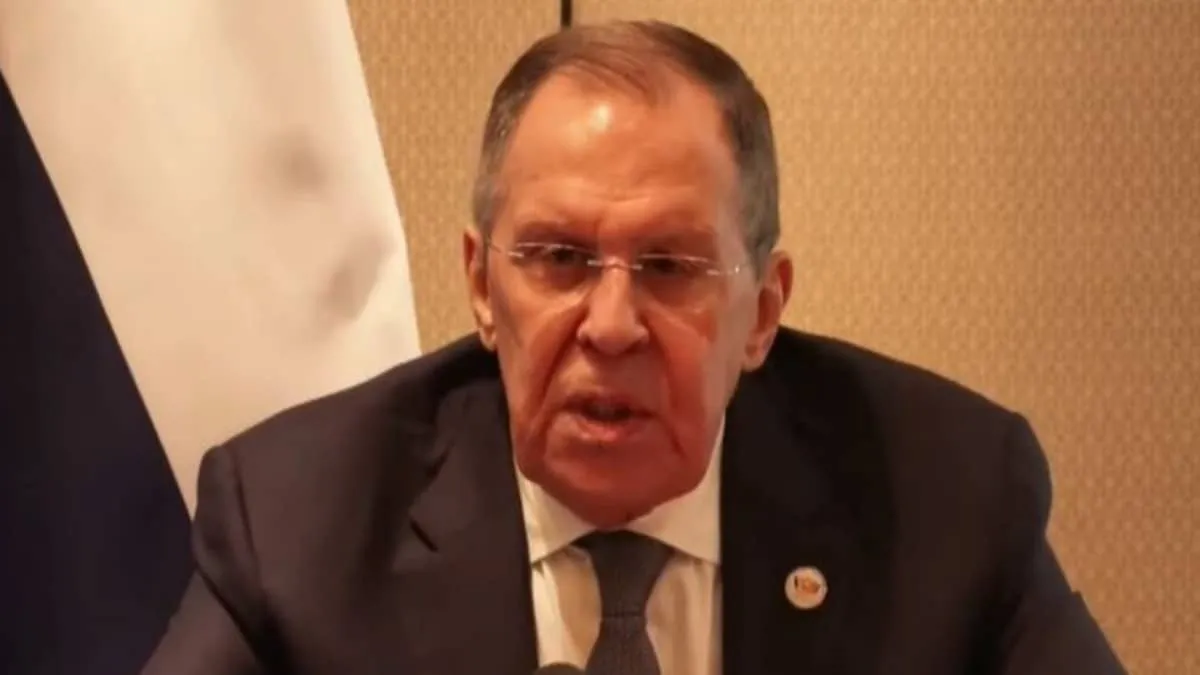
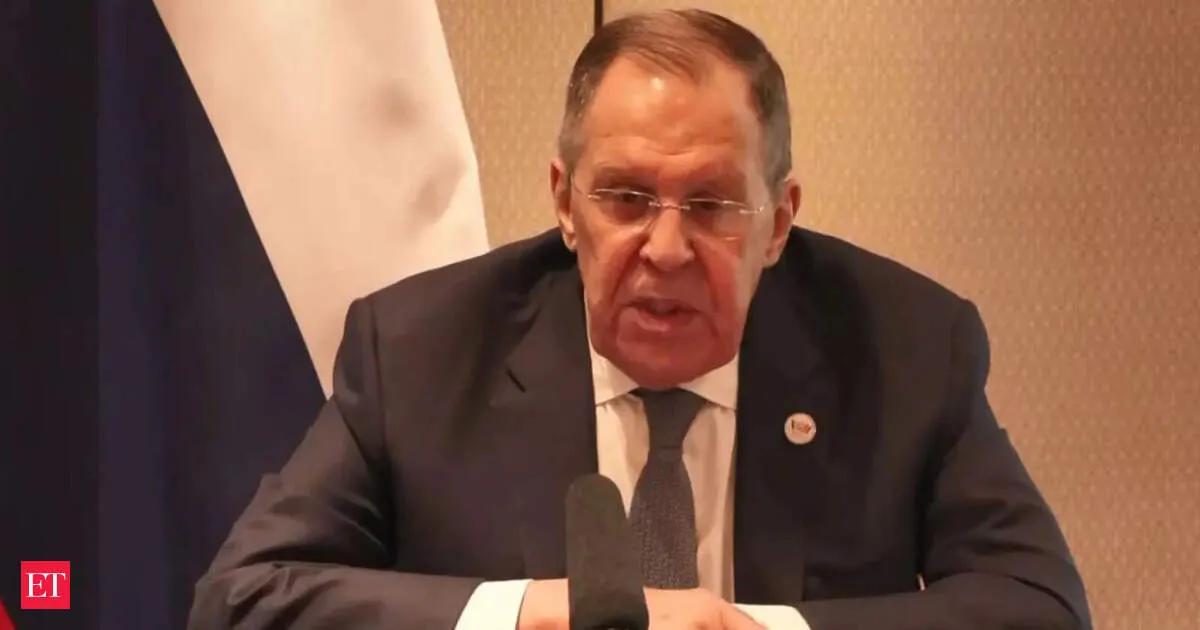
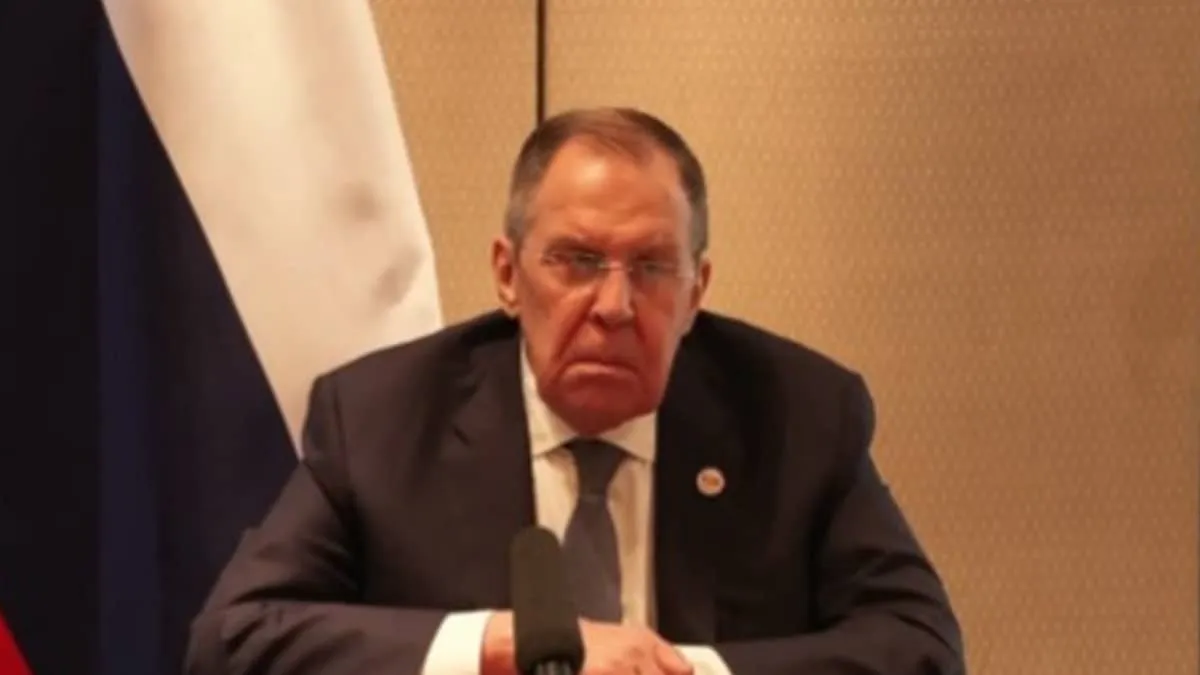
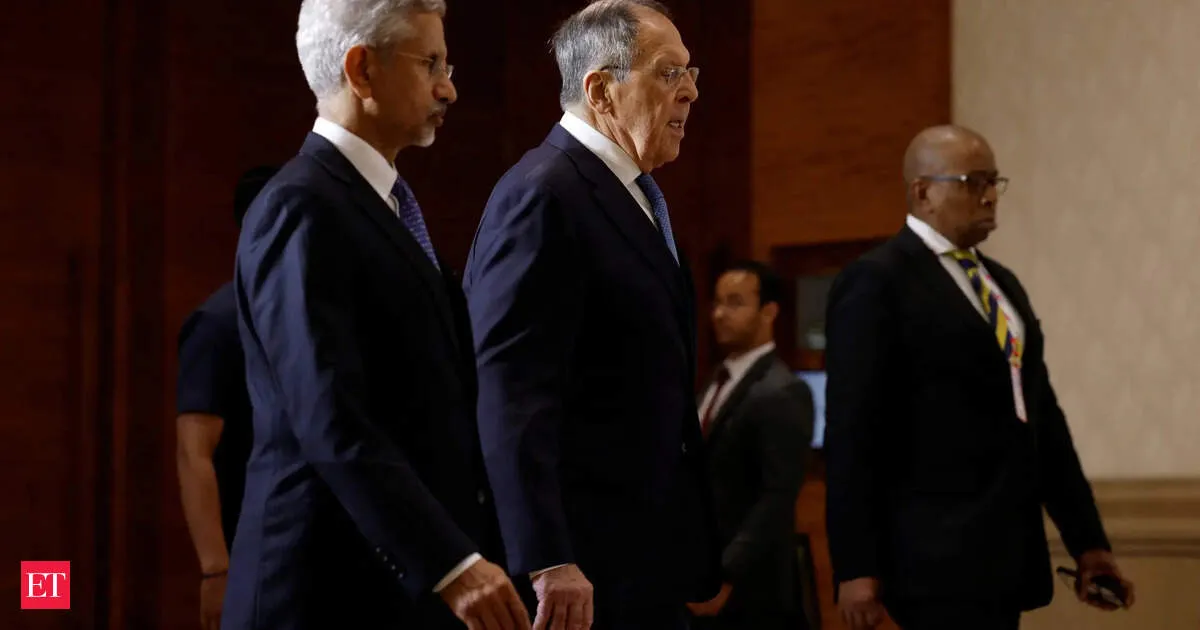
Russian Foreign Minister Sergey Lavrov brought an unexpected burst of humor to the BRICS Foreign Ministers’ Meeting in New Delhi on Thursday after confronting a man using a phone nearby. Lavrov first asked him to step away, then sharpened his tone when he didn’t comply. Staff reportedly tried to take the device as the man resisted. Breaking the tension, Lavrov added that if the phone wasn’t surrendered, “they will take out the gun,” prompting laughter as the serious diplomatic session continued. Videos went viral.
Never miss a story
Set alerts for the topics and sources you care about. Download Beige for free.
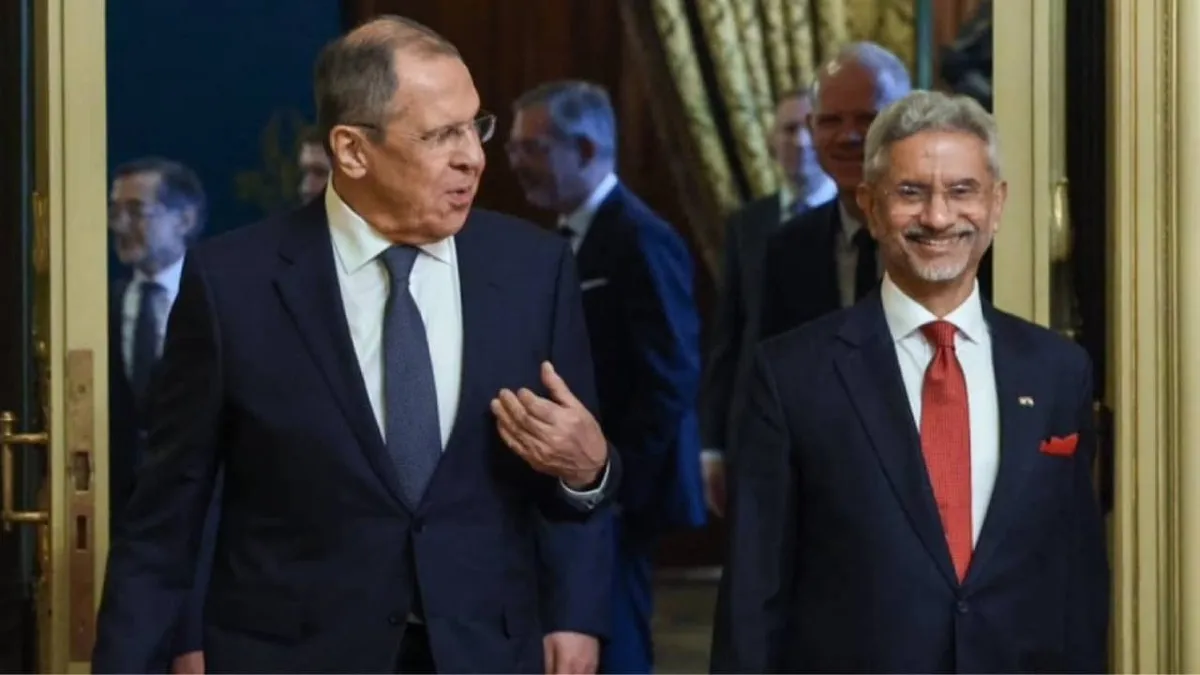
Russian Foreign Minister Sergey Lavrov said Russian crude exports to India have increased, citing published records and insisting the trend depends on Indian buyers rather than Moscow alone. His comments came during the BRICS Foreign Ministers’ Meeting in New Delhi, where he also accused the US of trying to monopolize global energy markets and sideline Russian firms like Lukoil and Rosneft. The remarks land as India continues purchasing discounted Russian oil despite Western sanctions and regional turbulence in West Asia.
Russian Foreign Minister Sergey Lavrov told reporters in Delhi that the Strait of Hormuz crisis was not caused by Iran, arguing the problem emerged only after US and Israel launched aggression before February 28, 2026. At the BRICS summit’s closing event, Lavrov said Iran had no prior issues with navigation and called for addressing root causes. He also urged long-term mediation role for India, saying it could bring UAE and Iran to dialogue while Pakistan’s efforts focused only on urgent talks.
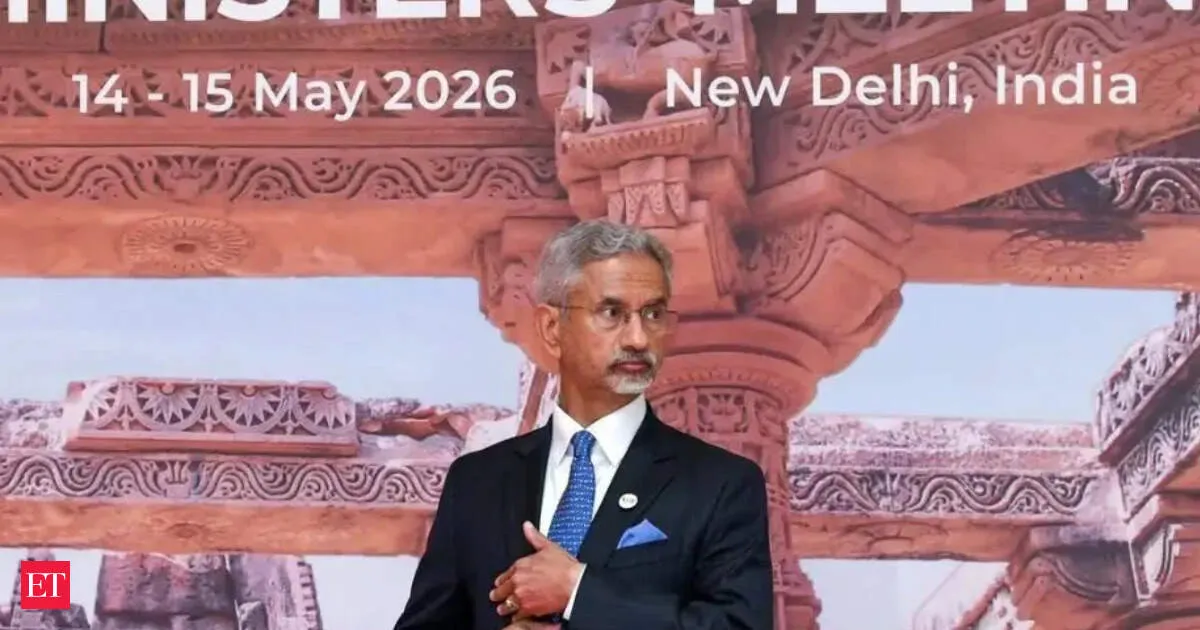
External Affairs Minister S. Jaishankar used the BRICS session to press for sweeping reform of global institutions, saying the UN’s effectiveness and credibility will remain “constrained” without meaningful changes, including expanding both permanent and non-permanent Security Council categories. He argued global governance structures still reflect an earlier era, as the world is more interconnected and multipolar. Jaishankar called reform “not a choice but a necessity,” urged moving to text-based Security Council negotiations, and demanded restructuring of financial and trading systems too.
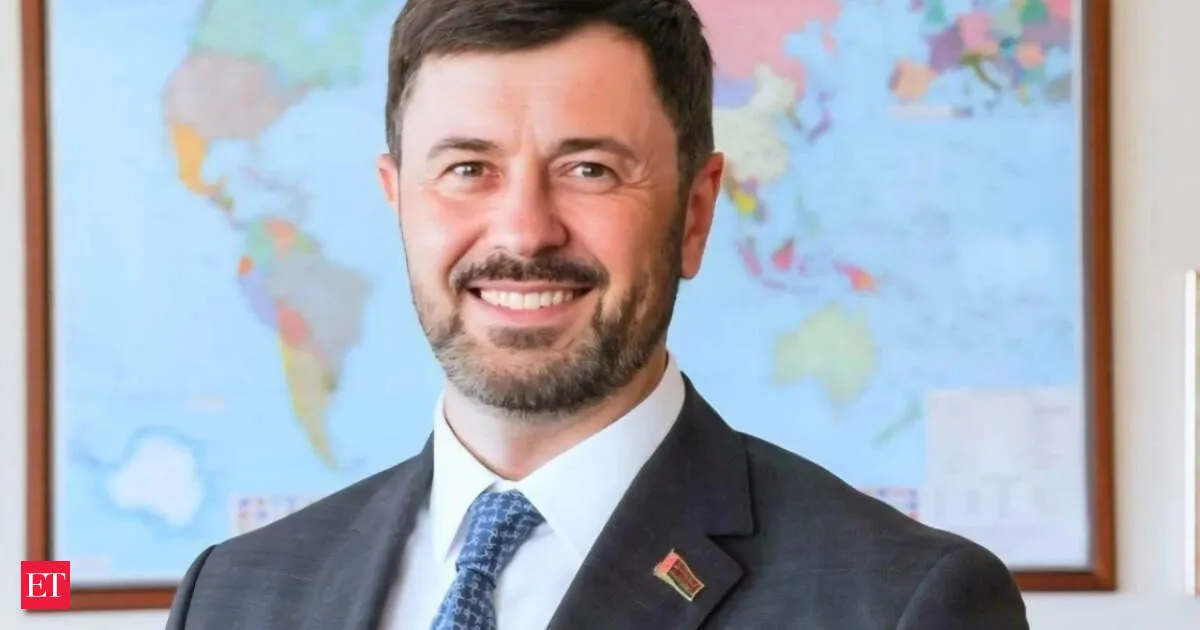
Belarus says it wants full BRICS membership, calling the bloc a practical route to a more truly multipolar world. Speaking at BRICS foreign ministers’ partner discussions, First Deputy Foreign Minister Sergey Lukashevich said Belarus already became a BRICS partner in 2024 and now wants the next step “as soon as the association is ready for expansion.” The country is also tightening ties with India in agriculture, electric transport, and pharmaceuticals, with an India–Eurasian Economic Union free trade deal expected to expand commerce.
Reading on mobile?
Open Beige in the app for a smoother experience — free on iOS and Android.
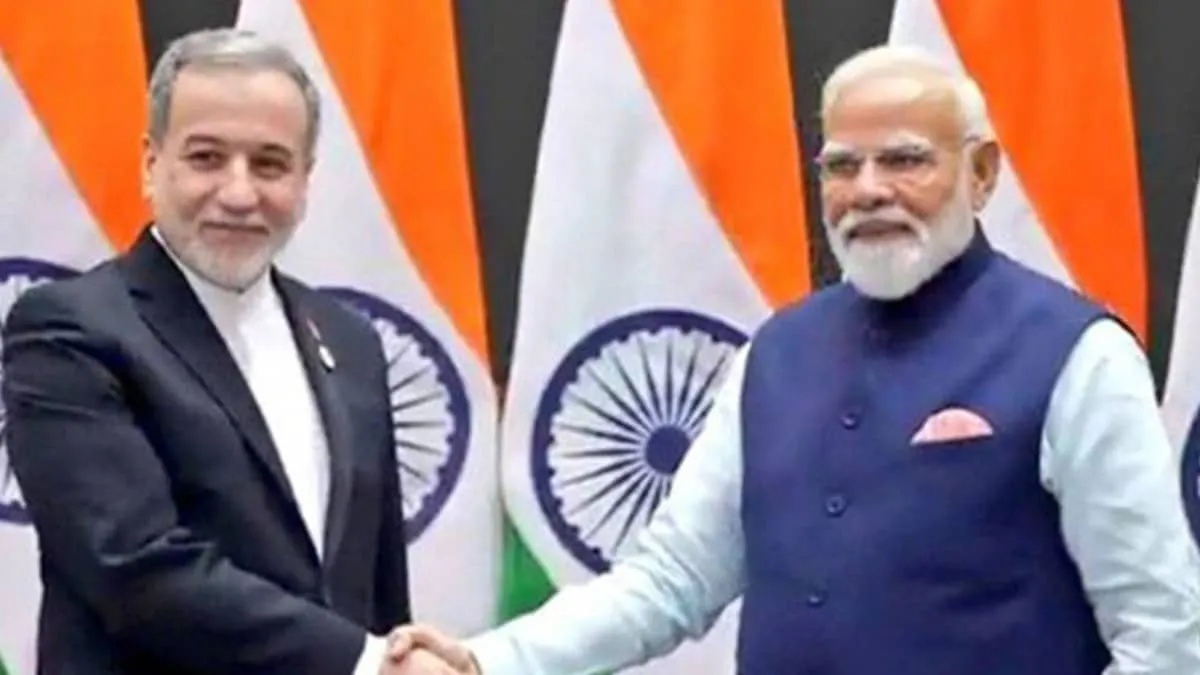
External Affairs Minister S. Jaishankar met Iranian Foreign Minister Seyyed Abbas Araghchi on the sidelines of the BRICS Foreign Ministers’ Meeting in New Delhi. Prime Minister Narendra Modi had held a prior meeting with Araghchi as both sides aimed to strengthen regional stability and multilateral cooperation. At BRICS, Araghchi urged countries to unite against American bullying, calling coercive tactics the “dustbin of history,” and warned of rising global risks as BRICS convenes in a fragile West Asia backdrop.
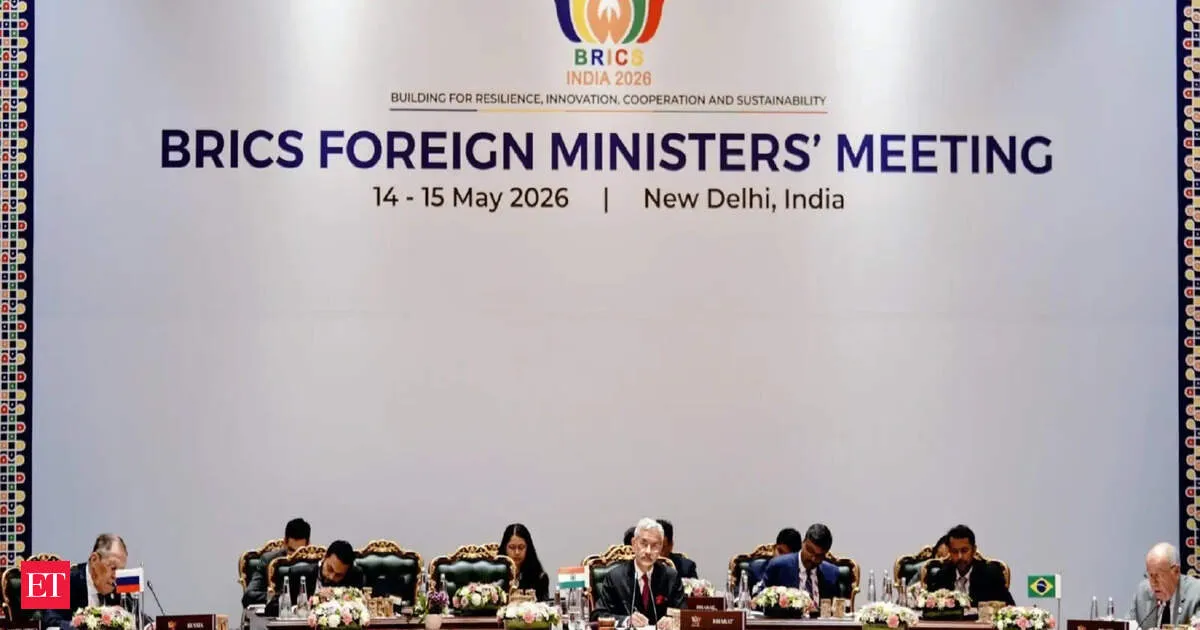
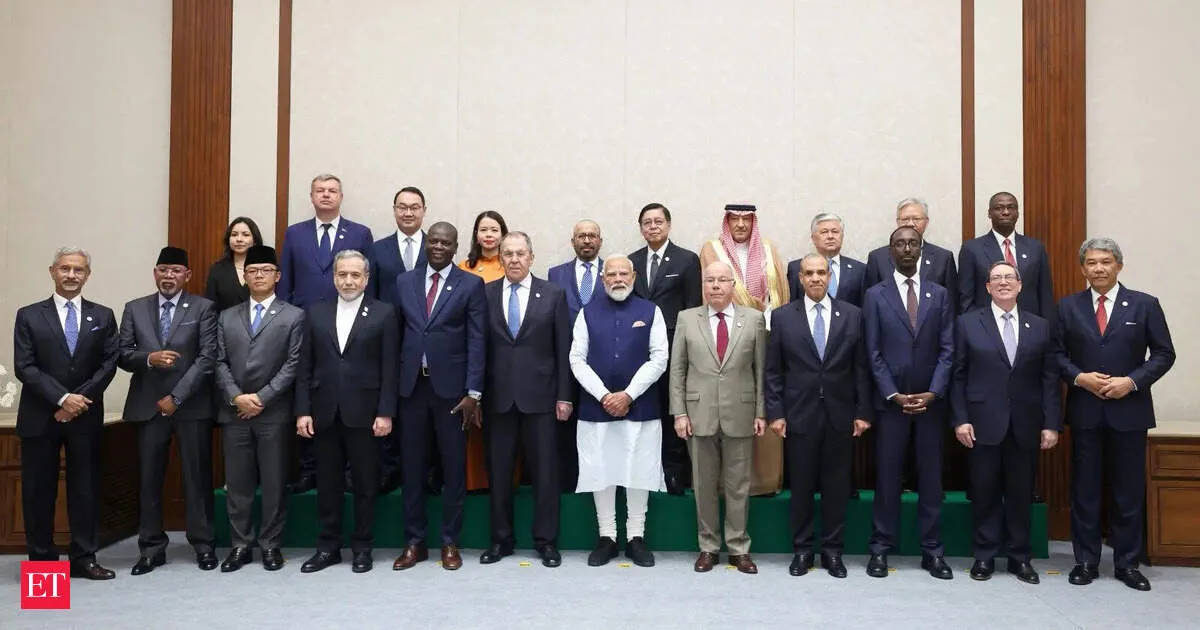
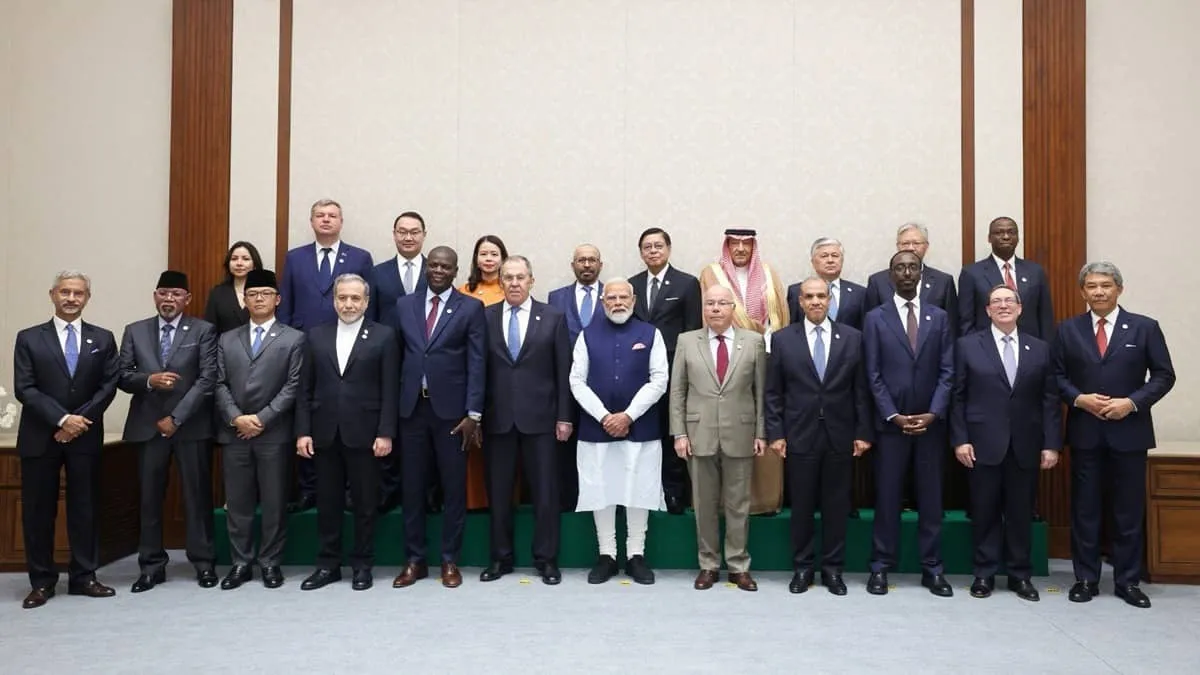
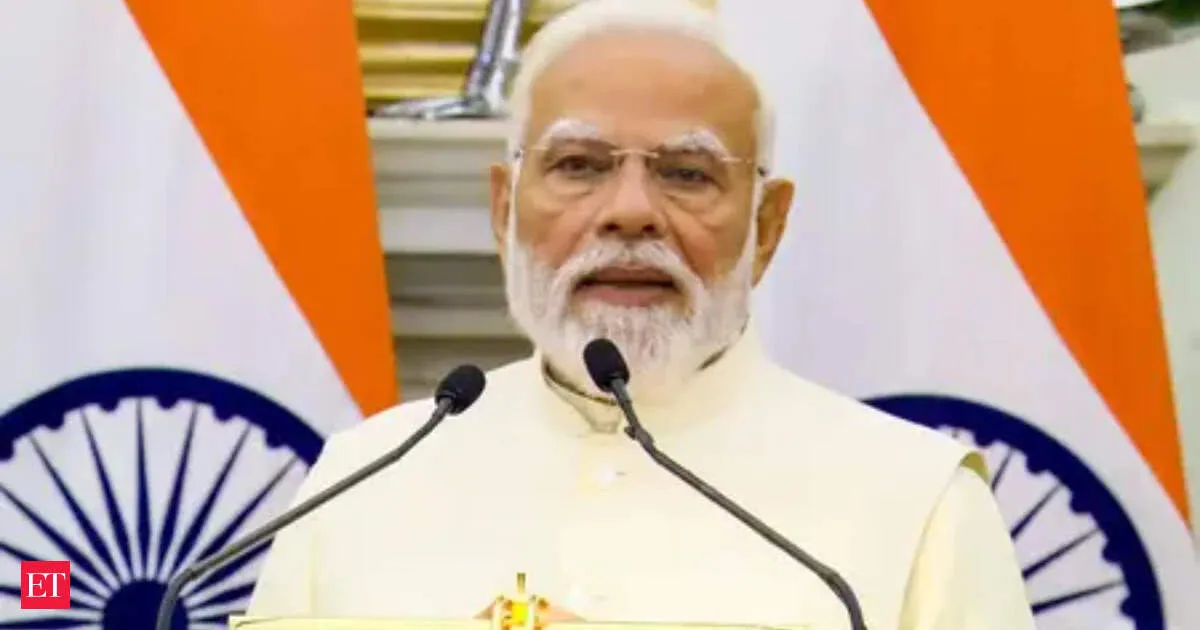
Prime Minister Narendra Modi met BRICS foreign ministers and heads of delegation at Delhi’s Bharat Mandapam, presenting India’s 2026 chairmanship as a driver for “reformed” and more effective multilateralism. He said BRICS will advance sustainable development, strengthen economic resilience, and amplify Global South priorities. India, which took over the chair from Brazil on January 1, hosted earlier BRICS presidencies in 2012, 2016, and 2021. The two-day ministerial summit aims to set the roadmap leading to the Leaders’ Summit in New Delhi.
BRICS foreign ministers met in New Delhi to forge a common stance on the West Asia crisis, with India stressing dialogue, diplomacy, territorial sovereignty, and—above all—uninterrupted maritime navigation. The Strait of Hormuz and the Red Sea were repeatedly flagged as chokepoints vulnerable to tensions that could disrupt energy infrastructure and global trade. The meeting also tackled Gaza’s humanitarian catastrophe, calling for a sustained ceasefire and humanitarian access. India reiterated support for a two-state solution amid concerns over recent policy messaging.
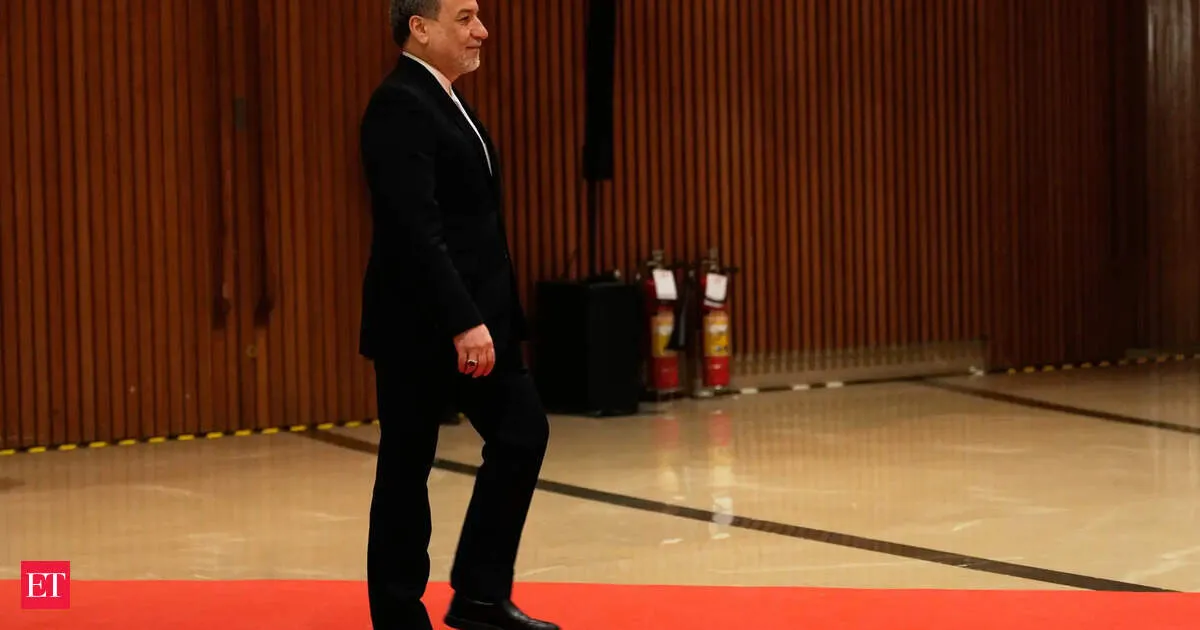
Iranian Foreign Minister Abbas Araghchi used his maiden India visit to deliver a sharp critique of the United States at the BRICS Foreign Ministers’ meeting in New Delhi. He called US behavior “bullying” and warned against what he described as “empires in decline,” arguing that regional instability becomes a lose-lose situation for everyone, including aggressors. Araghchi said Tehran’s resistance was a familiar struggle for many countries present, and pressed BRICS members to coordinate more tightly against coercion.
Follow your favourite sources
Track sources, tags and categories — all in the Beige app.
Iran’s foreign minister Seyyed Abbas Araghchi urged BRICS states, and the wider international community, to “unequivocally condemn” alleged violations of international law by the United States and Israel. Speaking at the BRICS Foreign Ministers’ Meeting in New Delhi, he framed the West Asia escalation as a defense of the Global South against Western “hegemony,” citing violations of sovereignty, coercive pressure, and impunity. Araghchi called for practical steps to stop warmongering and avoid politicising international institutions.
Russian Foreign Minister Sergey Lavrov told RT India that India’s interests in Russian energy supplies will not be affected, even as he accused the United States of “unfair competition.” Ahead of a visit for the BRICS Foreign Ministers’ Meeting, Lavrov alleged Washington seeks to dominate and “seize all energy routes” globally, pressuring countries that maintain ties with Russia. He also criticized Europe for dropping Russian contracts, arguing bans are politically driven and will force higher-cost imports of US LNG.
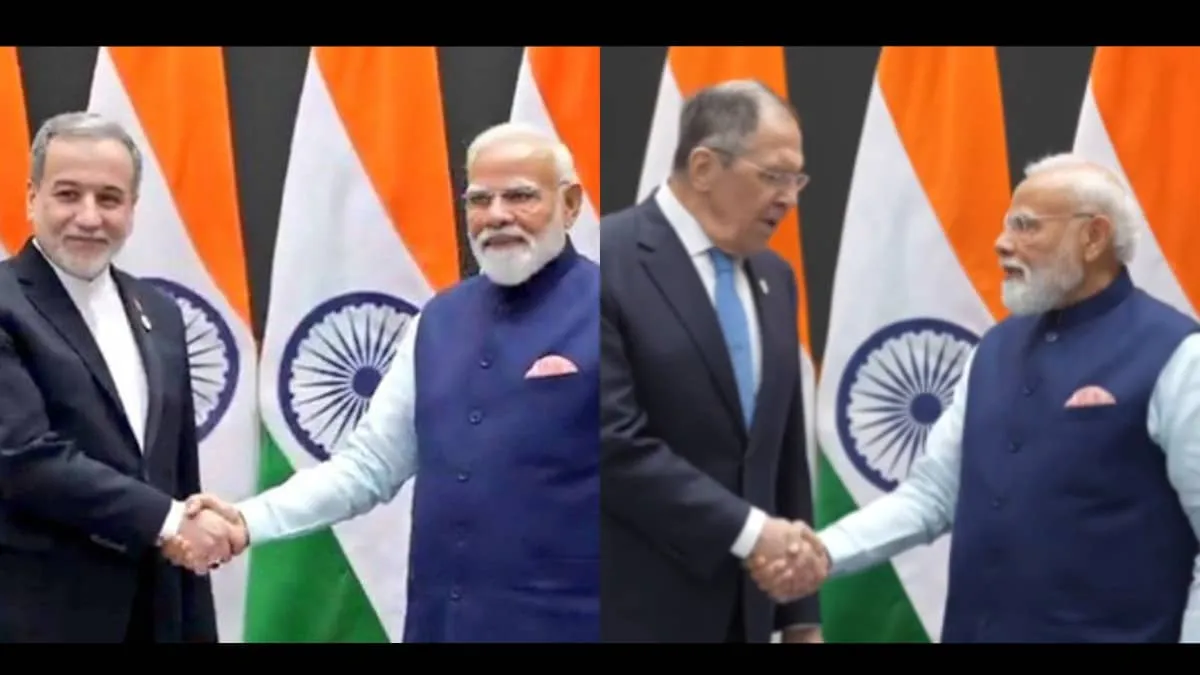
Prime Minister Narendra Modi met Iran’s Foreign Minister Abbas Araghchi in New Delhi on Thursday, on the sidelines of the BRICS Foreign Ministers’ Meeting. The meeting signals a key shift in bilateral diplomacy amid mounting West Asia tensions. Iranian officials posted the interaction on X, noting it came alongside talks with Russian Foreign Minister Sergey Lavrov. Araghchi used the platform to denounce American coercion, urging BRICS to present a united stance against US bullying and to reject reckless adventures that deepen regional instability.
Prime Minister Narendra Modi called BRICS a crucial platform for cooperation among emerging economies, emphasizing its growing role for the Global South. Speaking after meetings with foreign ministers and heads of delegation, he positioned BRICS as a vehicle to push for a more inclusive world order. The remarks underline India’s focus on multilateral engagement through BRICS.
Stay informed on the go
Bite-sized news from 100+ trusted sources, right in your pocket.
As West Asia remains volatile, Prime Minister Narendra Modi met Iran’s Abbas Araghchi and Russia’s Sergey Lavrov in New Delhi during the BRICS foreign ministers’ meeting. Araghchi used unusually sharp language, accusing the US of “bullying” and urging member states to unite against what he called a US-imposed world order, even as no peace pathway is in view.
Russian Foreign Minister Sergei Lavrov met Prime Minister Narendra Modi in New Delhi to discuss the Ukraine war and West Asia. Modi reiterated India’s long-standing focus on dialogue and diplomacy, while Lavrov briefed him on bilateral cooperation and conveyed greetings to President Putin. Lavrov is also set to attend the BRICS foreign ministers’ meeting in the same context.
Swipe through stories, personalise your feed, and save articles for later — all on the app.