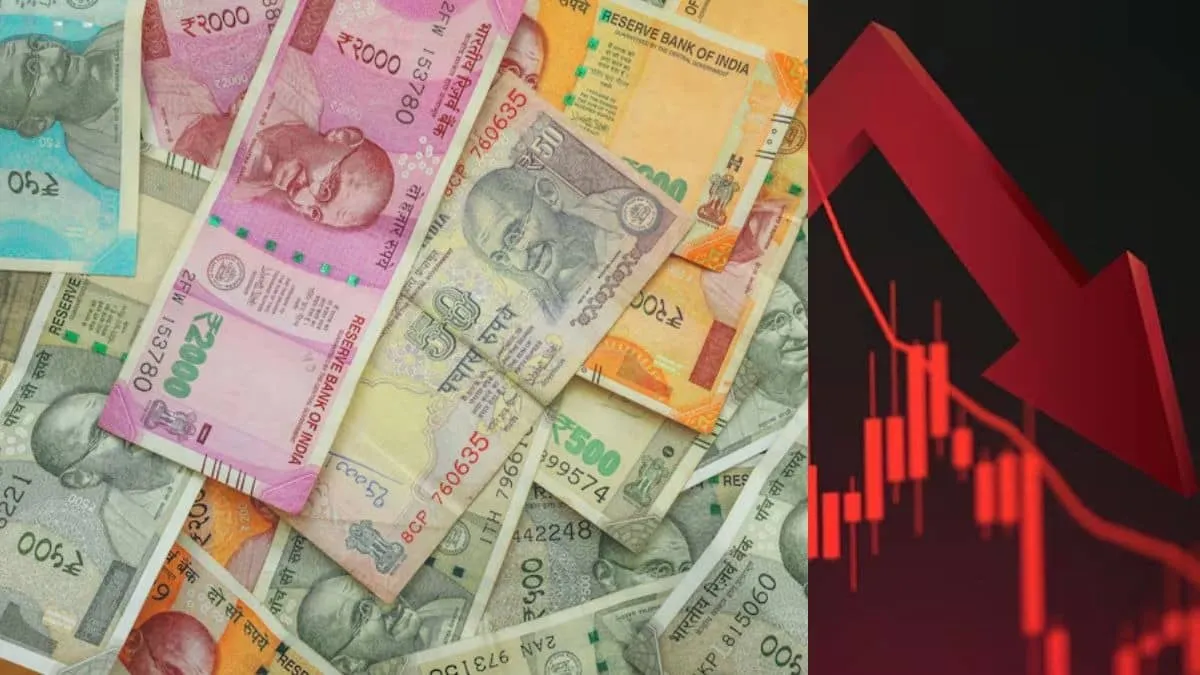
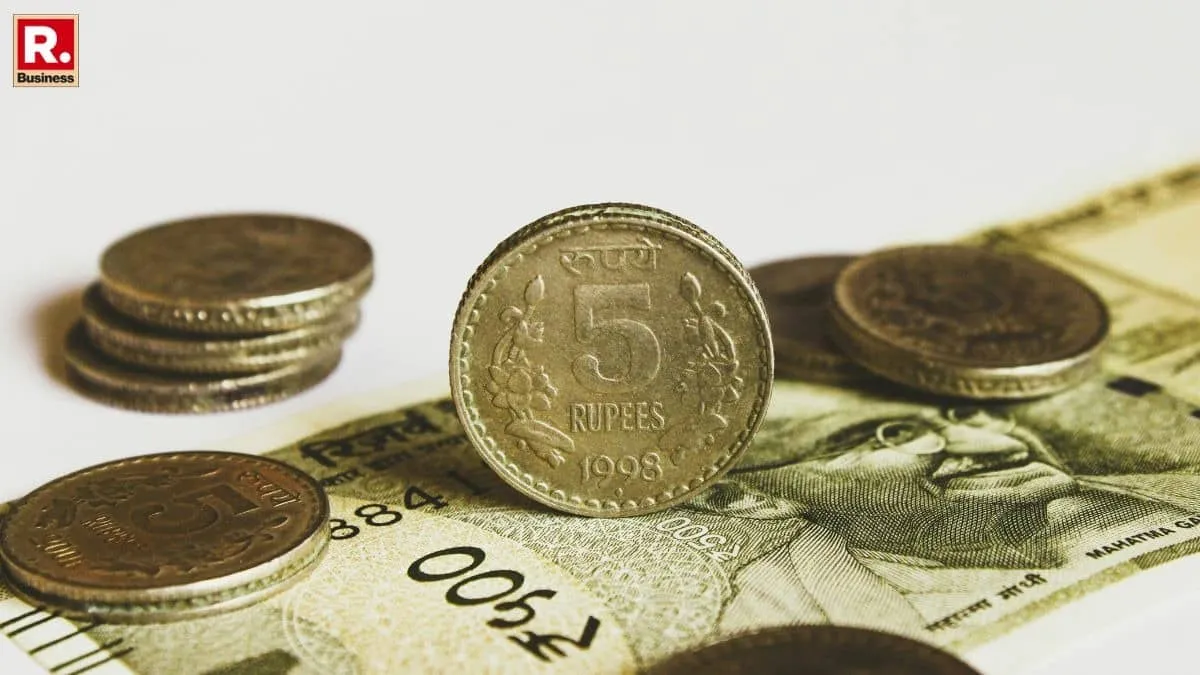
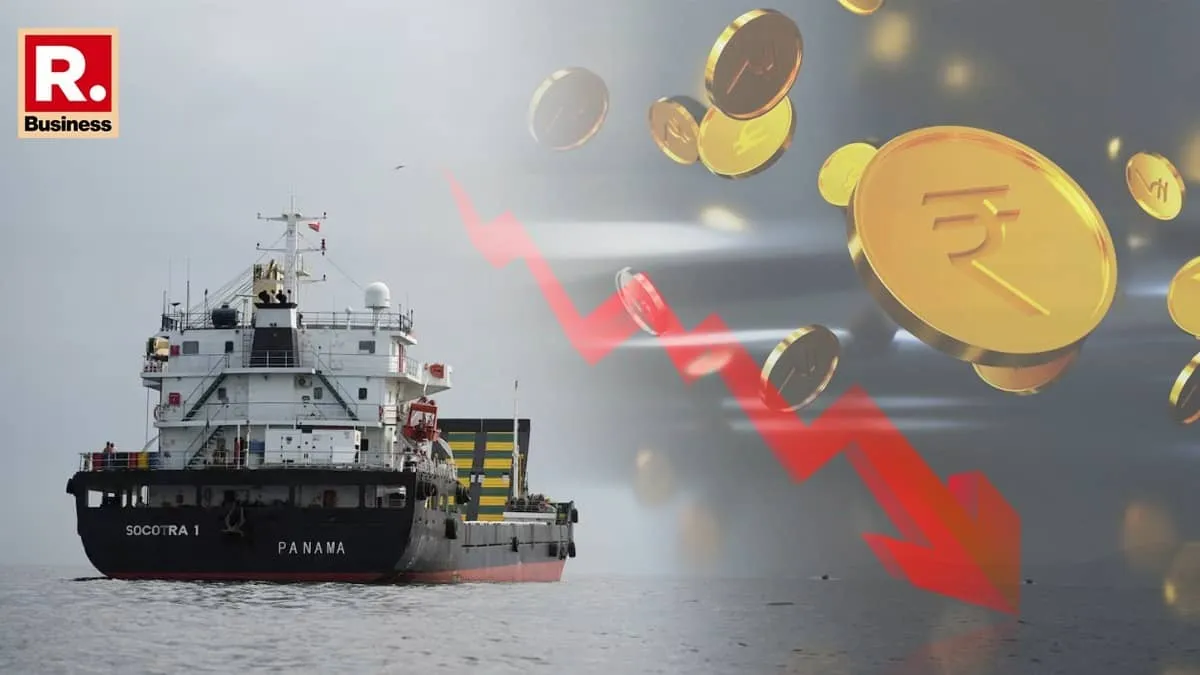
The Indian rupee slid to an all-time low of 96.14 against the US dollar on Friday, fueled by foreign fund outflows and a stronger dollar index (99.28). The bigger trigger was Brent crude jumping to $109.20 per barrel after shipping disruptions in the Strait of Hormuz. While experts urge citizens not to panic, they warn of a gradual squeeze on wallets as higher energy import costs ripple into transport, logistics, and ultimately food and essentials.
India’s first petrol and diesel retail price increase since 2022 has not reassured investors. HPCL and BPCL shares fell up to 3% after a up to Rs 3 per litre adjustment that analysts say barely covers rising costs. With Brent crude above $100 and West Asia tensions persisting, ICRA estimates oil marketing companies could still lose about Rs 500 crore daily even after the hike, implying enormous quarterly under-recoveries and renewed pressure on government policy.
Your news, in seconds
Get the Beige app — every story in 60 words, updated hourly. Free on iOS & Android.
On May 15, shares of public sector oil marketing companies fell after petrol and diesel prices were raised by about Rs 3 per litre. Hindustan Petroleum (HPCL) dropped over 2% to an intraday low of ₹367.10, BPCL slid about 2% to ₹289.05, and IOCL eased 0.6% to ₹139.35. The move came as Brent traded near $107 and WTI near $102.4 amid a crude oil crisis and geopolitical worries around the Strait of Hormuz, while Delhi and other cities saw price increases.
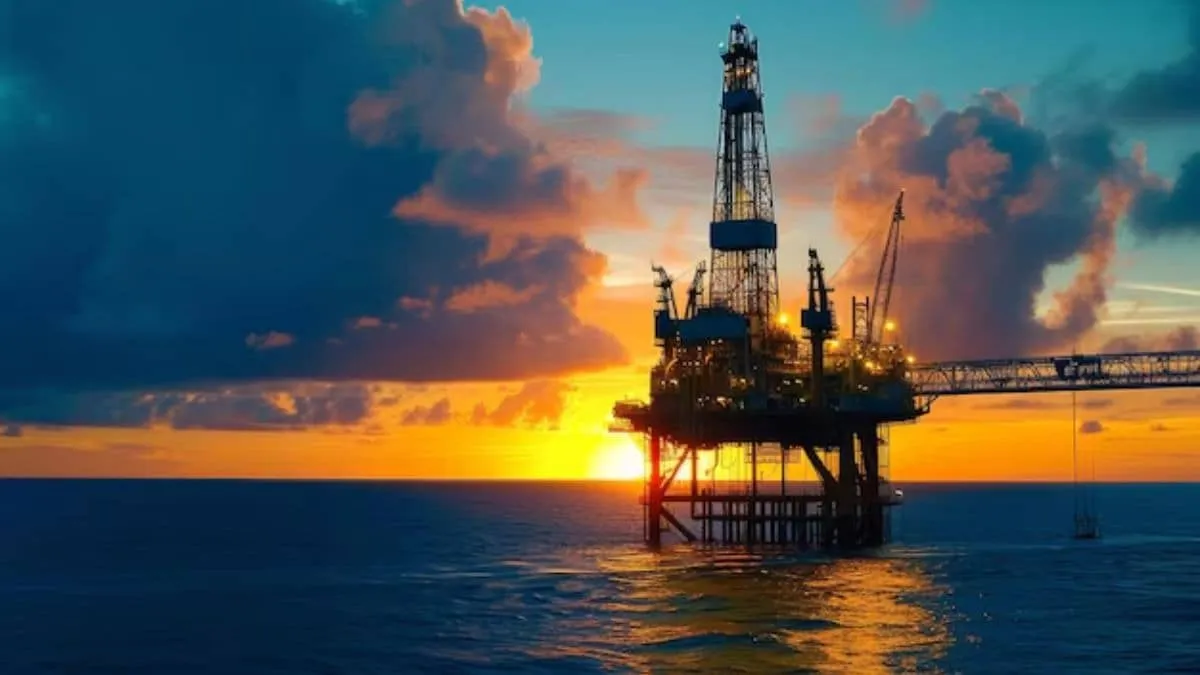
Oil prices rose Friday, pushing Brent above $105 a barrel, as traders grew wary of ship attacks and seizures near the Strait of Hormuz despite Iran’s claim that around 30 vessels crossed safely. Markets are also tracking US China talks in Beijing. A US naval blockade remains active, and a commercial ship was reportedly seized before being taken into Iranian waters. With the IEA warning the market may stay severely undersupplied until October, analysts warn the squeeze could last into late 2027.
Oil prices rose on Friday as investors stayed nervous about attacks and seizures tied to the Strait of Hormuz, even after Iran said around 30 vessels had crossed since Wednesday evening. Brent futures climbed to $106.32 a barrel and WTI to $101.71, with analysts pointing to tight supply as the dominant driver. The White House said Donald Trump and Xi Jinping agreed on keeping Hormuz open, while a ship was reportedly seized near the UAE. Separately, an Indian livestock cargo vessel sank off Oman.
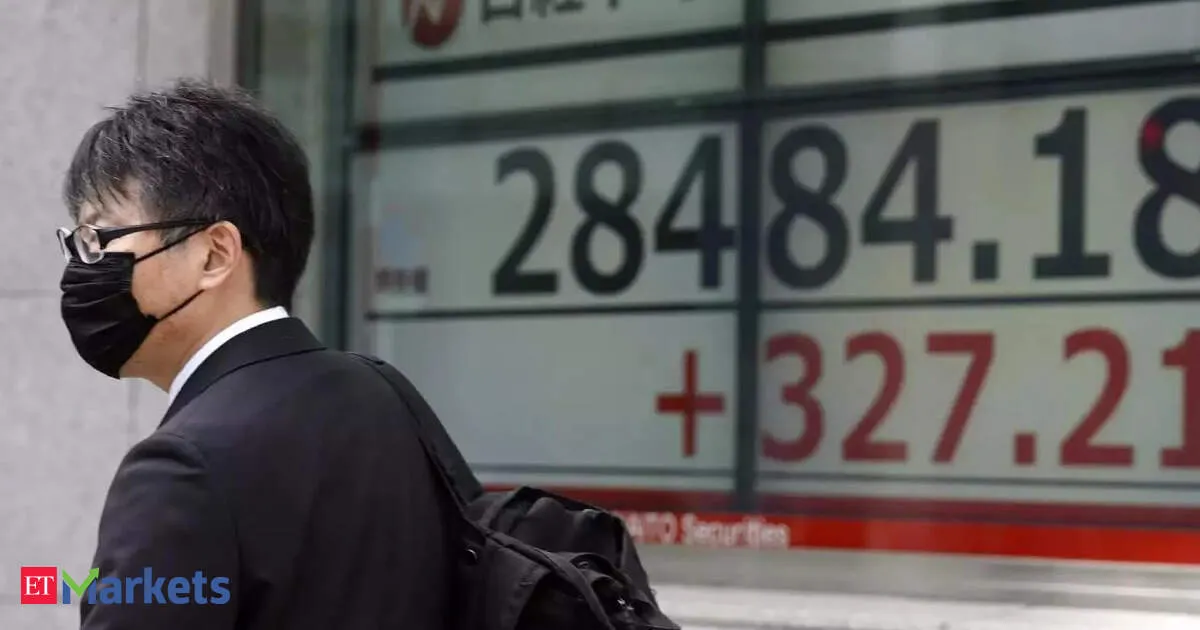
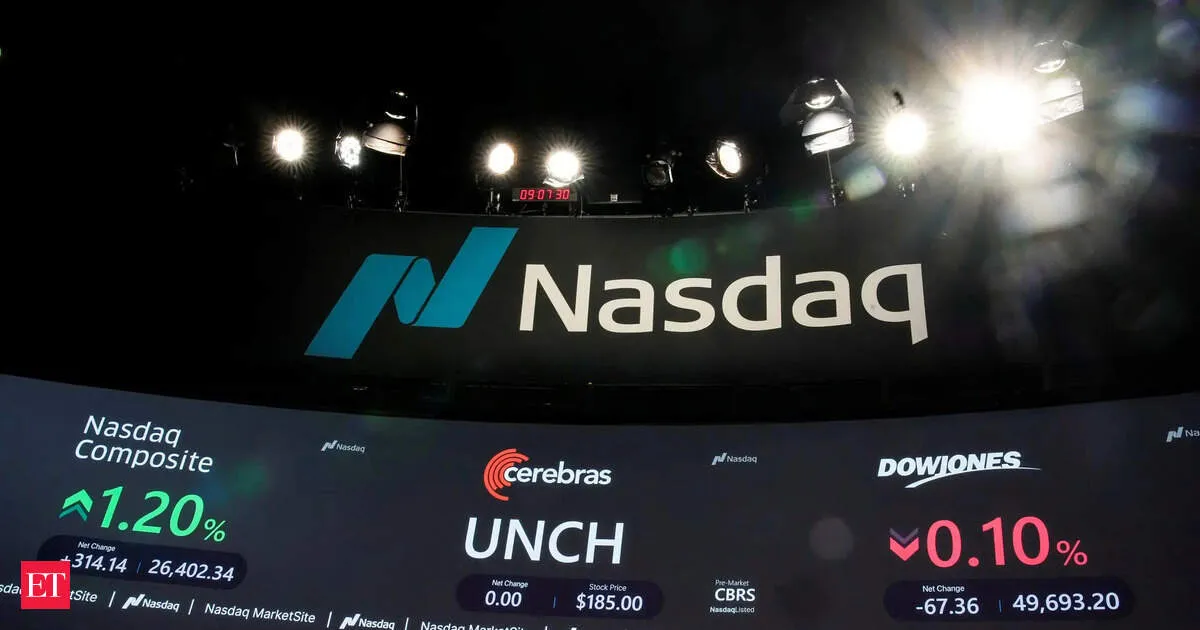
Asian stocks rose in lockstep with Wall Street’s record highs, fueled by an AI-led rally and signs the US consumer remains resilient. Japan, South Korea and Australia advanced, lifting the MSCI Asia Pacific Index toward a sixth straight weekly gain. In the US, Nvidia’s six-day surge supported the Nasdaq trade, while strong earnings expectations and upbeat retail sales data helped investors look past risks from oil above $100 and rising inflation pressures.
Never miss a story
Set alerts for the topics and sources you care about. Download Beige for free.
U.S. markets climbed to fresh highs as Cisco delivered earnings and guidance that beat expectations, sending its shares up 14.6%—potentially its best day in 15 years. The broader rally also lifted two non-AI names: StubHub jumped 19.3% and Viking Holdings rose 10%, both posting stronger profit than analysts forecast. Results fueled optimism that consumers still spend, even as sentiment remains shaky. Treasury yields barely moved, while global trading tilted higher in Europe and Asia amid oil jitters tied to Hormuz shipping.
Oil prices surged more than $4 a barrel on May 11 after the US and Iran failed to agree on a Washington-backed peace proposal. With the Strait of Hormuz largely shut, global supplies stayed pressured as President Donald Trump rejected Iran’s response as “unacceptable.” Brent climbed to $105.47 and WTI to $98.51. Analysts warn the ceasefire could be temporary, while Saudi Aramco estimates about 1 billion barrels of supply have been lost in two months, leaving markets edgy heading into Trump’s China trip.
Oil prices eased after three days of gains as traders digested a fragile Iran ceasefire and the upcoming Trump-Xi meeting in Beijing. Brent futures fell to about $106.91 a barrel and WTI to around $101.14, with markets remaining jittery about potential supply disruptions tied to the Strait of Hormuz, a key shipping chokepoint. Natural gas in Europe stayed largely stable as some LNG resumed, yet buyers were cautious because storage levels remain low. Analysts expect volatility to persist with geopolitics and inventories.
Brent crude eased to around $106.64 per barrel as OPEC+ signaled higher output of 188,000 barrels per day from June 2026. Yet India’s state-run oil marketing companies are still bleeding money, with estimated daily losses of about ₹1,000 crore as global prices stay high while domestic fuel rates remain frozen. Analysts warn a fuel hike could be next.
Reading on mobile?
Open Beige in the app for a smoother experience — free on iOS and Android.
Oil prices eased as investors paused for clarity on a fragile Iran ceasefire and on President Trump’s upcoming summit with China’s Xi Jinping. Brent crude futures fell to $106.95 a barrel and WTI to $101.52. Despite the dip, analysts expect conflict-linked supply disruptions to keep prices above $80 this year.
The rupee has extended its slump as oil prices surge, dragging down currencies across oil-importing economies. Brent crude has jumped nearly 50% since the Iran war began, raising import costs and worsening outflow pressure. The Philippine peso and Indonesia’s rupiah are also under strain, with the rupiah hitting a record low, as traders watch for central bank action.
The Indian rupee hit a fresh record low of 95.32 against the US dollar in early Tuesday trade, after opening at 95.10. The slide is being driven by a jump in global Brent crude prices, now above $105 per barrel, alongside continued selling by foreign portfolio investors. Rising energy costs are adding fresh pressure on the currency.
Dalal Street opened lower and spiraled as the BSE Sensex fell about 1,093 points to 76,235 and the Nifty slid past 24,000 to 23,870 on Monday morning. A sharp rise in Brent crude and escalating US Iran tensions rattled risk appetite, wiping roughly ₹4.8 lakh crore in investor wealth. Banking and auto stocks drove the selloff as volatility jumped.
Follow your favourite sources
Track sources, tags and categories — all in the Beige app.
Oil prices jumped Friday as renewed US Iran clashes put a fragile ceasefire at risk and cloud hopes of reopening the Strait of Hormuz. Brent and WTI futures reversed earlier declines and rose sharply amid conflicting claims: Iran accuses US violations while the US cites retaliatory strikes, even as President Trump says the ceasefire still holds.
Oil prices rebounded on Thursday after a sharp selloff, with Brent crude rising above $102 a barrel. Investors focused on uncertainty around Middle East peace talks after President Trump questioned the timing and likelihood of face-to-face negotiations with Tehran. Supply tightness for summer demand and lower U.S. inventories are adding upward pressure.
The Indian rupee snapped a five-day losing streak on Wednesday, rising 23 paise in early trade to open near 94.95 against the U.S. dollar. After earlier volatility pushed it to record lows above 95, easing global Brent crude prices—linked to peace hopes—helped improve market sentiment for India’s import-heavy economy.
Oil prices fell for a second straight day, with Brent crude slipping to $108.35 a barrel and U.S. West Texas Intermediate dropping to $100.77. The decline follows a sharp drop in the prior session and comes after remarks by Donald Trump that could point to a possible Iran peace deal, easing supply fears.
Stay informed on the go
Bite-sized news from 100+ trusted sources, right in your pocket.
Oil prices slid about 3% as a fragile US Iran ceasefire held and a vessel transited the Strait of Hormuz, easing immediate supply risk and lifting hopes for smoother shipping. Traders are now shifting from geopolitics to data, especially oil inventory updates, to gauge whether Brent and US WTI will keep falling or rebound amid lingering geopolitical uncertainty.
Trump’s “Project Freedom,” meant to lower global oil prices by using the US Navy to clear the Strait of Hormuz, is producing the opposite effect for India. With military escalation keeping Brent crude above $108, analysts warn of a “flight to safety” trade that could push the rupee toward ₹98 per dollar and trigger a major energy shock by late 2026.
Swipe through stories, personalise your feed, and save articles for later — all on the app.