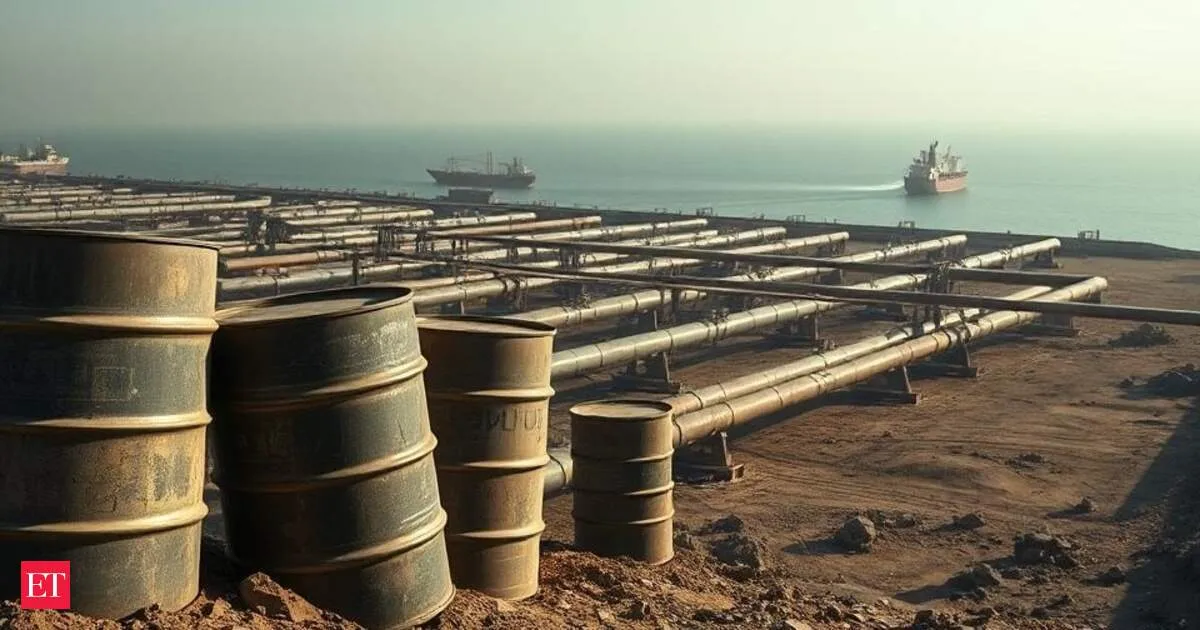
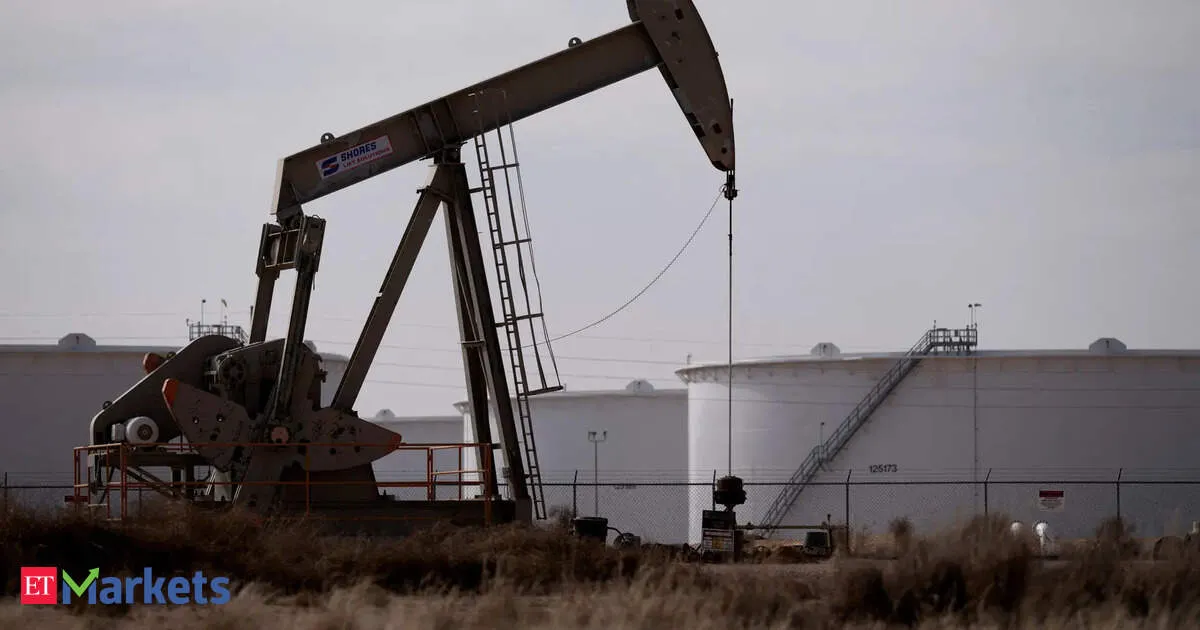
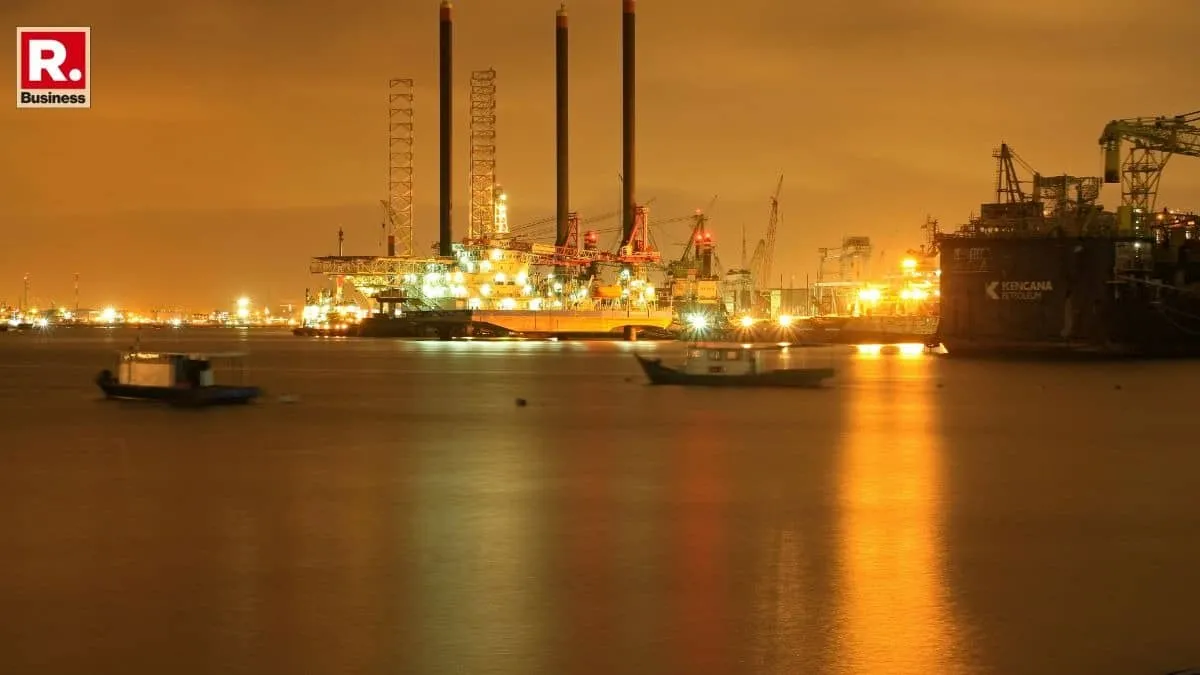
Crude oil surged nearly 8% over the week, pushing Brent to $109.26 and WTI to $105.42, as renewed U.S. and Iran rhetoric dimmed hopes for a quick deal on ship attacks near the Strait of Hormuz. While a ceasefire remains, expectations for rapid reopening have weakened, raising fears of longer disruptions to oil and LNG flows through a route carrying nearly one-fifth of global supplies. Analysts warn pricing could stay volatile if Hormuz closure drags into June or beyond.
Oil prices jumped sharply after the US and Iran failed to agree on a peace proposal, leaving the Strait of Hormuz restricted. Brent futures rose about $3.21 to $104.50 per barrel and US WTI climbed roughly $3.06 to $98.48, more than 3% on the day. Traders cited heightened shipping and supply fears, as drone incidents, nuclear tension, and reported naval actions raise the odds of further disruption. Analysts say the next move hinges on diplomacy and whether Hormuz reopens.
Your news, in seconds
Get the Beige app — every story in 60 words, updated hourly. Free on iOS & Android.
JP Morgan revised its oil outlook around the Strait of Hormuz. Even with a base case that assumes a June 1 reopening after a credible announcement confirmed by both sides, the bank expects Brent to remain anchored in the low 100s. The key driver is the projected pace of oil inventory depletion, which should eventually force reopening regardless of timing.
Oil prices are rising after fresh US and Iran clashes reignited fears over supply routes through the Strait of Hormuz. Brent pushed above $100 and WTI followed higher, but markets are still split as ceasefire talks continue. Traders now look to upcoming jobs data, currency moves, shipping risks, and global equities for clues on whether crude gains can hold.
WTI crude and Brent saw a sharp selloff, with Brent dropping more than 7% in a session. Traders rushed to remove geopolitical risk premiums from crude futures after Middle East tensions eased and higher supply expectations grew. The move also followed a reported large short-selling position ahead of US Iran deal headlines, while weak demand and slowing growth fears added pressure.
Brent crude fell below $100 a barrel on fresh hopes of easing Middle East tensions after renewed US-Iran deal talk. The North Sea benchmark dropped 9.3% to $99.64, while US West Texas Intermediate plunged 10.7% to $91.33, signaling a sharp shift in market expectations toward a potential end to hostilities.
Never miss a story
Set alerts for the topics and sources you care about. Download Beige for free.
Oil prices jumped nearly 3% as Brent climbed to a one-month high, driven by reports that the US may extend its blockade of Iranian ports. Traders warn the move could prolong supply disruptions tied to the Hormuz region, tightening flows from a major Middle East oil-producing corridor and pushing prices higher.
Oil and gas prices jumped today after reports of a US warship incident near the Strait of Hormuz. Brent and US WTI crude futures rose around 5%, while Dutch natural gas prices also climbed as LNG supply stayed trapped. Analysts now focus on supply disruption risks, OPEC+ output decisions, storage levels, and ongoing geopolitics to gauge whether the rally can continue or reverses.
Crude oil prices surged after efforts to ease the West Asia conflict stalled, with a key factor being reports that the US Navy is preventing Iranian crude exports. Brent crude futures for July climbed 1.08% to about $111.59 per barrel, underscoring how export bottlenecks and geopolitical tensions can quickly lift global energy benchmarks.
Global oil markets are roiled after a four-year high as the Iran conflict disrupts shipping, lifts transport costs, and drives volatile crude prices. In the US, Strategic Petroleum Reserve levels fall even while exports rise. Natural gas futures climb, while Waha Hub prices remain negative due to pipeline constraints, underscoring supply-demand imbalances.
Reading on mobile?
Open Beige in the app for a smoother experience — free on iOS and Android.
Brent crude climbing and a weakening rupee are putting India’s inflation and growth outlook under pressure. For now, policymakers are cushioning the blow through controlled fuel pricing and tax tweaks that limit immediate retail impacts. But if oil prices stay elevated, those buffers may fail—pushing retail fuel and broader inflation higher with a stronger macro effect.
Global oil prices climbed about 3% on Wednesday, pushing Brent crude to a one-month high near $114.59. The move followed reports that U.S. President Donald Trump plans to extend the blockade of Iranian ports, which could further prolong supply disruptions. Traders are watching Middle East output and shipping routes closely for fresh signals.
Oil prices are rising as the Iran conflict threatens supply while the UAE’s announced exit from OPEC and OPEC+ adds fresh uncertainty. Brent is hovering near a three-week high and WTI has crossed $100. Markets are also reacting to inflation signals, bond-yield moves, and stock weakness tied to AI growth worries and looming central bank decisions.
Oil prices are rising while gold falls as Middle East tensions disrupt shipping and limit flows through the Strait of Hormuz. Gold is slipping as investors focus on upcoming central bank guidance, inflation signals, and economic data. With global stocks edging up, traders now look to inflation, interest rates, earnings, and diplomacy to predict whether Brent and WTI keep climbing or swing wildly.
Follow your favourite sources
Track sources, tags and categories — all in the Beige app.
Oil prices fell modestly as investors reassessed the outlook for US-Iran peace talks, leaving traders cautious. Brent crude eased 0.2% to $98.27 a barrel after earlier climbing to $99.38, while West Texas Intermediate slipped 0.3% to $89.39 after peaking near $90.71. Momentum shifted as uncertainty returned.
Global crude oil prices rose for a fourth straight session on April 23, with Brent climbing above $104 a barrel. Traders are weighing signals that tensions may ease against renewed fears of a sustained Middle East supply deficit. The rally follows the collapse of peace talks and a US naval blockade targeting Iranian ports, reigniting concerns around Hormuz shipping routes.
The Indian rupee slid for a fourth straight day, settling at 94.11 per US dollar, as the RBI removed restrictions on foreign exchange trading. Traders also pointed to higher crude oil prices, with Brent futures crossing $100 a barrel, adding pressure on the currency. The move marks a fresh stretch of weakening amid global price shocks.
Oil prices fell Tuesday as expectations of upcoming U.S.-Iran talks lifted hopes that Middle East supply could increase. Brent futures dropped 1% to $94.53, while WTI slipped 1.72% to $88.07. Traders are focused on whether negotiations produce an extended ceasefire or wider deal, even as disruption risks still linger.
Stay informed on the go
Bite-sized news from 100+ trusted sources, right in your pocket.
Swipe through stories, personalise your feed, and save articles for later — all on the app.