Nabard has withdrawn a planned three-year bond sale scheduled for Friday, citing weak investor demand that would have forced higher borrowing costs. The lender targeted ₹7,000 crore, including a ₹5,000 crore greenshoe option, but received bids worth only about ₹3,030 crore. Dealers estimate yields could have been about 7.79% for the base amount and as high as 8.04% if all bids were accepted. Since few expected Nabard to accept 8%, bidding stopped around ₹3,000 crore.
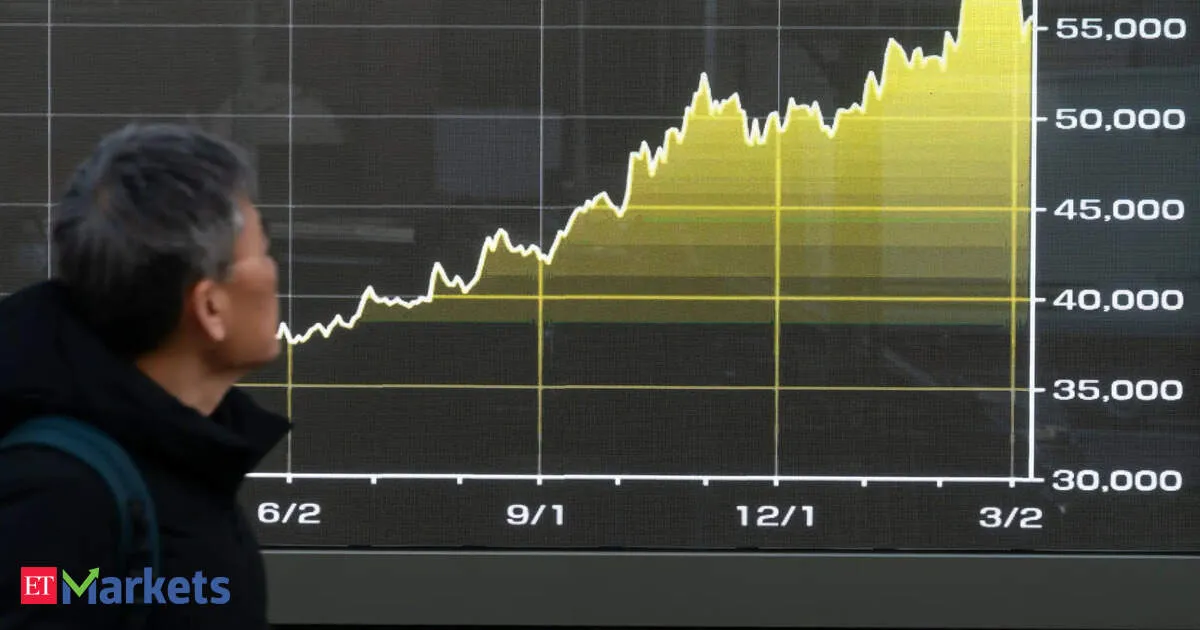
Japan’s government bond yields surged across the yield curve as markets increasingly bet the Bank of Japan will tighten policy. The 10-year JGB yield climbed up to 10 basis points to 2.73%, the highest since May 1997, while five- and 20-year yields touched all-time peaks. The move gained traction after data showed Japan’s wholesale inflation rose fastest in three years in April. Additional pressure came from rising US Treasury yields amid global inflation worries.
Your news, in seconds
Get the Beige app — every story in 60 words, updated hourly. Free on iOS & Android.
The PFRDA has revised NPS investment rules effective May 13, 2026, allowing pension funds to invest in rupee-denominated bonds issued by the New Development Bank. Until now, such foreign-bond options were limited to issuers like IBRD, IFC and ADB. Credit rating and maturity conditions remain largely unchanged, widening choices for both government and private NPS.
India is reportedly weighing a major cut in taxes on foreign investments in bonds, a proposal backed by the Reserve Bank of India and under serious consideration by the Finance Ministry. The rationale: align with global norms, attract more inflows, and help curb the rupee’s recent slide, which recently hit a fresh record low against the US dollar.
Adani Power is reportedly seeking around Rs 8,000 crore in debt to finance its expansion. The proposed fundraising is said to include Rs 50 billion of public debt plus about Rs 30 billion in loans from a lender group led by State Bank of India. Details were shared by people familiar with the matter who asked not to be identified.
Alphabet is preparing a debut bond sale in yen, while Amazon is exploring an initial offering in Swiss francs. Both moves underscore how the global scramble for AI leadership is driving companies to pull funding from overseas debt markets, using loans to manage the soaring costs of building and scaling AI infrastructure. Investors will watch how currency choices affect risk and returns.
Never miss a story
Set alerts for the topics and sources you care about. Download Beige for free.
Bajaj Finance and Tata Capital are among five AAA-rated NBFCs planning to raise up to ₹150 billion by selling 2- to 5-year bonds. Corporate debt yields, particularly for shorter maturities, have eased—down around 15 bps—as oil prices cooled. With potential volatility looming in the Indian debt market, firms are front-loading borrowing this May.
Satin Creditcare Network says it plans to raise $20 million by issuing dollar-denominated bonds. The bonds are set for allotment on May 27 and will carry a coupon linked to the six-month SOFR, priced at 310 basis points above it. Interest will be paid semi-annually, aligning returns with global rate benchmarks.
The Reserve Bank of India is reportedly exploring a new route to strengthen the rupee by allowing state run banks to issue foreign currency bonds. The idea aims to draw fresh capital inflows and could use instruments with roughly five year maturities. While still early, it revives a strategy last used decades ago.
Indian government bonds stabilized on Tuesday as bargain hunters stepped in, halting a five-session decline in the benchmark 10-year. The buying interest came even after renewed U.S.-Iran attacks, which initially raised concerns about oil-driven inflation. However, oil prices did not extend higher, helping yields steady and sentiment improve for traders.
Reading on mobile?
Open Beige in the app for a smoother experience — free on iOS and Android.
Markets regulator Sebi has proposed expanding the role of Online Bond Platform Providers by allowing them to offer products and services regulated by the IFSCA, along with certain tax-saving bonds under the Income Tax Act. The move could widen distribution channels for regulated offerings and reshape how investors access bond products through online platforms.
SEBI has proposed allowing online bond platforms to offer overseas-listed debt products regulated under the International Financial Services Centres Authority (IFSCA). The plan is designed to widen retail and investor access to foreign debt while strengthening Gujarat’s GIFT City as an international finance hub. SEBI also wants these platforms to sell tax-saving bonds issued by state-owned companies.
Foreign investors dumped more than 1.8 trillion yen of Japanese bonds in the week ending April 25, citing rising oil-driven inflation fears and expectations around the Bank of Japan’s next moves. Yet the same investors continued their steady buying of Japanese stocks for a fourth straight week, highlighting a sharp split in sentiment.
Meta has raised $25 billion through bond sales to fund artificial intelligence infrastructure, following a prior $30 billion bond sale last year. The company is also lifting its 2026 capital expenditure outlook. Meanwhile, Meta is scaling back its metaverse business and preparing workforce reductions as it reshapes spending priorities toward AI.
Follow your favourite sources
Track sources, tags and categories — all in the Beige app.
Meta Platforms is reportedly preparing a bond sale to raise between $20 billion and $25 billion, building on last year’s large debt offering. The timing aligns with Meta’s increased 2026 capital expenditure forecast, signaling major investment plans ahead. The deal also reflects a broader shift among Big Tech companies leaning on borrowing to fund growth and infrastructure.
Indian government bonds fell Wednesday as surging oil prices raised inflation worries and amplified supply-related concerns. Traders also turned cautious ahead of the Federal Reserve’s upcoming policy decision, which could shift global interest rate expectations. Meanwhile, the rupee weakened, adding pressure to market sentiment and further weighing on bond performance.
Indian government bonds rallied on Monday as optimism grew that the Middle East war could end. The U.S. and Iran received a framework for a plan to resolve their five-week conflict, boosting risk sentiment. The 10-year yield slid the most in nearly 15 weeks, reflecting stronger demand for safer debt as markets positioned for calmer global conditions.
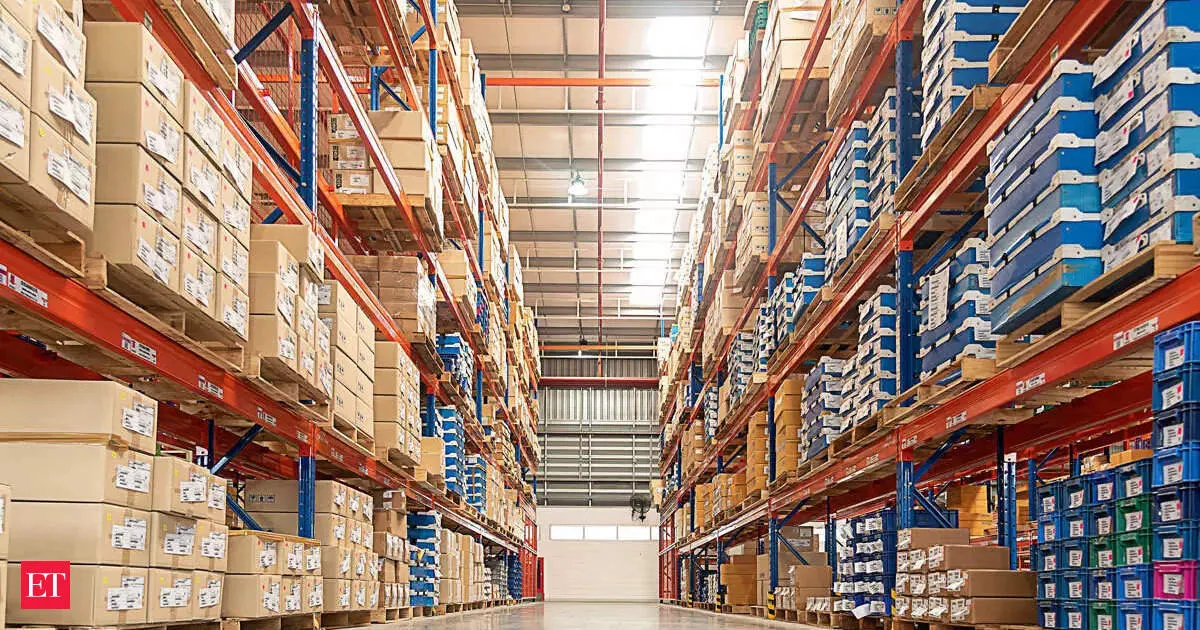
NDR InvIT plans to raise Rs 726.8 crore through a preferential issue to accelerate its expansion, after completing a Rs 410 crore bond issuance. The funds will support acquisitions such as NDR Space Private Limited and ongoing projects, as the trust ramps up warehousing capacity and pushes into new cities to strengthen its logistics platform.
Stay informed on the go
Bite-sized news from 100+ trusted sources, right in your pocket.
Indian companies are cutting back on overseas bond issuance as domestic liquidity improves and a weaker rupee makes local borrowing more appealing. With funding costs and currency dynamics turning in favor of onshore markets, issuers are favoring local fundraising over foreign capital. The shift signals how quickly corporate debt strategies are responding to market conditions.
Zerodha is expanding its Coin platform into a broader passive wealth management hub, adding fixed deposits alongside existing offerings like mutual funds, NPS, and insurance. The firm is also looking at distributing bonds, positioning Coin as a single place for investors who prefer non-active management of their money.
Swipe through stories, personalise your feed, and save articles for later — all on the app.