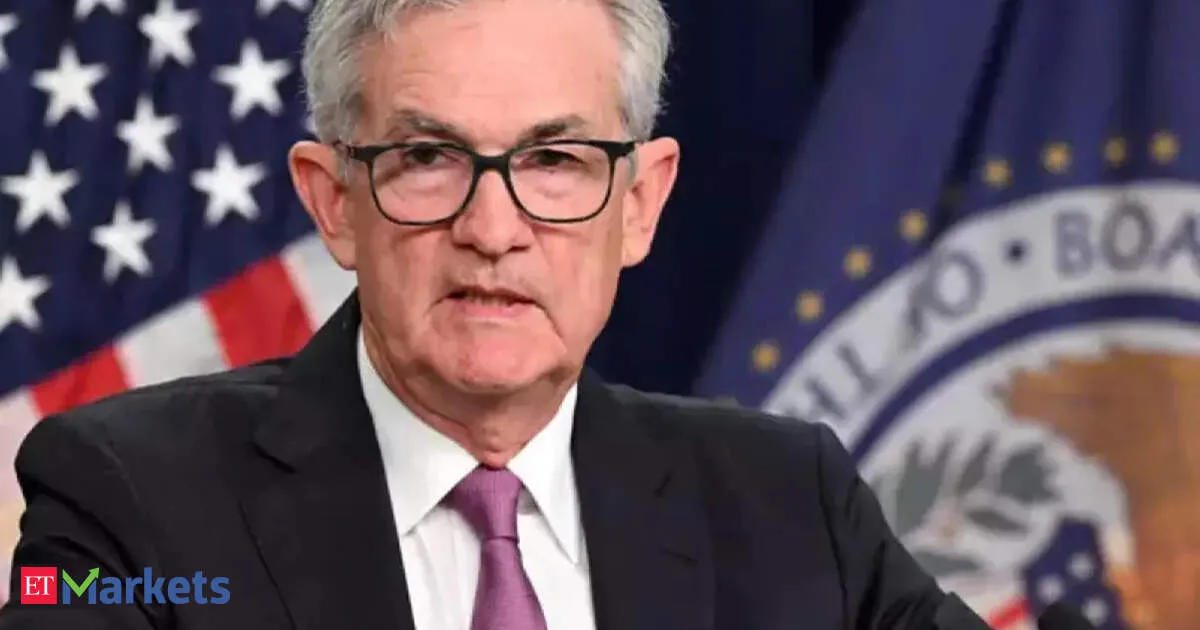
Investors are bracing for US Treasury yields to stay elevated, driven mainly by oil prices rising amid a prolonged Middle East conflict and persistent inflation above the Fed’s target for nearly five years. Long-dated yields, including the 10-year benchmark, have surged—up about 45 basis points since early March and hitting an 11-month high. Higher borrowing costs could weigh on growth and equities, while Warsh must manage inflationary pressures beyond the Fed’s direct control.
SBI Chairman C S Setty cautioned that digital finance and platform lending are expanding quickly but may outpace trust, governance, and risk controls. He urged a balance between speed and safety, ensuring inclusion. Setty also said India’s development will require large-scale capital beyond what banks can provide, calling for deeper bond markets and more investor participation.
Your news, in seconds
Get the Beige app — every story in 60 words, updated hourly. Free on iOS & Android.
New York Fed President John Williams said global demand for U.S. Treasury debt remains strong even as federal borrowing rises. He attributed the resilience to ongoing confidence in the U.S. economy and the reliability of Treasuries as a safe, liquid investment, especially as geopolitical risks continue to cloud investor sentiment.
Global bond traders are increasingly pricing in a potential Federal Reserve rate hike before any cuts, according to derivatives markets showing more than a 50% probability by April. The shift is linked to heightened policy uncertainty, greater hedging demand, and leadership transition risks, with Kevin Warsh expected to take charge amid pressure on the Fed to lower rates.
The US Treasury has lifted its estimate for current-quarter net borrowing to $189 billion after cash flows came in weaker than expected. For the next quarter, July-September, it projects $671 billion to be raised. Investors are watching for further updates, since changes in borrowing plans can influence rates and market expectations.
As the Middle East conflict enters its ninth week, U.S. fixed-income markets are showing a sharp divide. Investors are split on whether the war will lift inflation, weaken growth, or force the Federal Reserve to adjust policy sooner than expected. That uncertainty is driving contrasting expectations across bonds, sending mixed signals into the wider stock market outlook.
Never miss a story
Set alerts for the topics and sources you care about. Download Beige for free.
In FY26, Indian businesses are leaning more on bank lending as the dominant source of corporate funding, hitting a three-year peak in total resource mobilisation. Though foreign capital and bond markets saw activity, their scale paled compared with banks. The shift signals a notable change in how companies are financing growth, with credit markets playing a bigger role again.
Swipe through stories, personalise your feed, and save articles for later — all on the app.