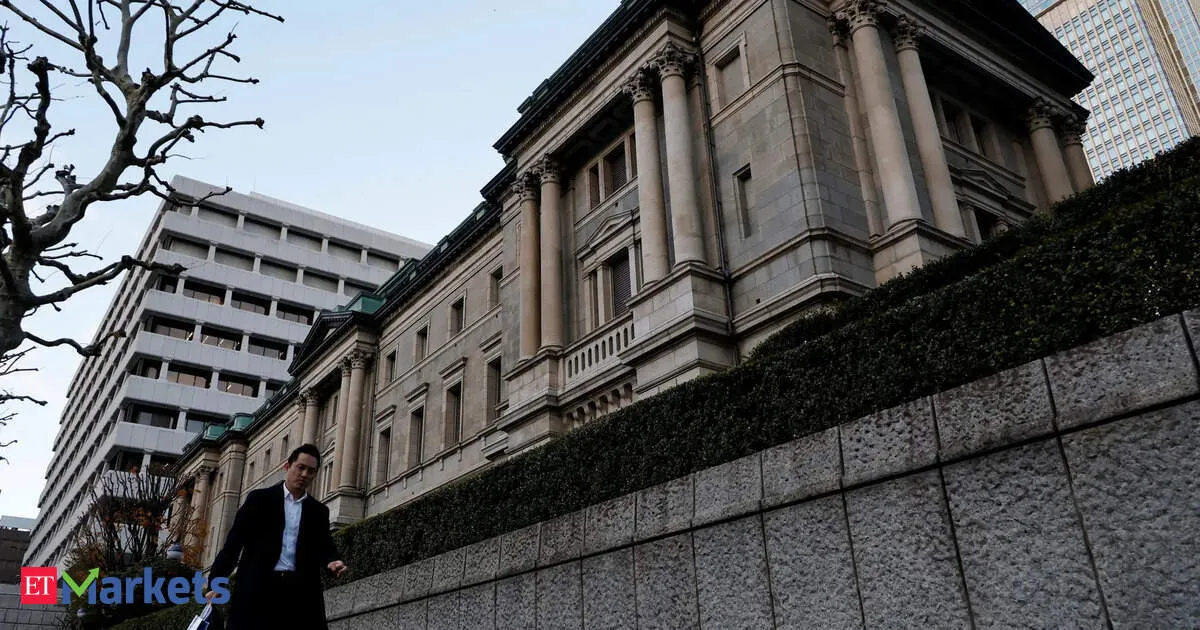
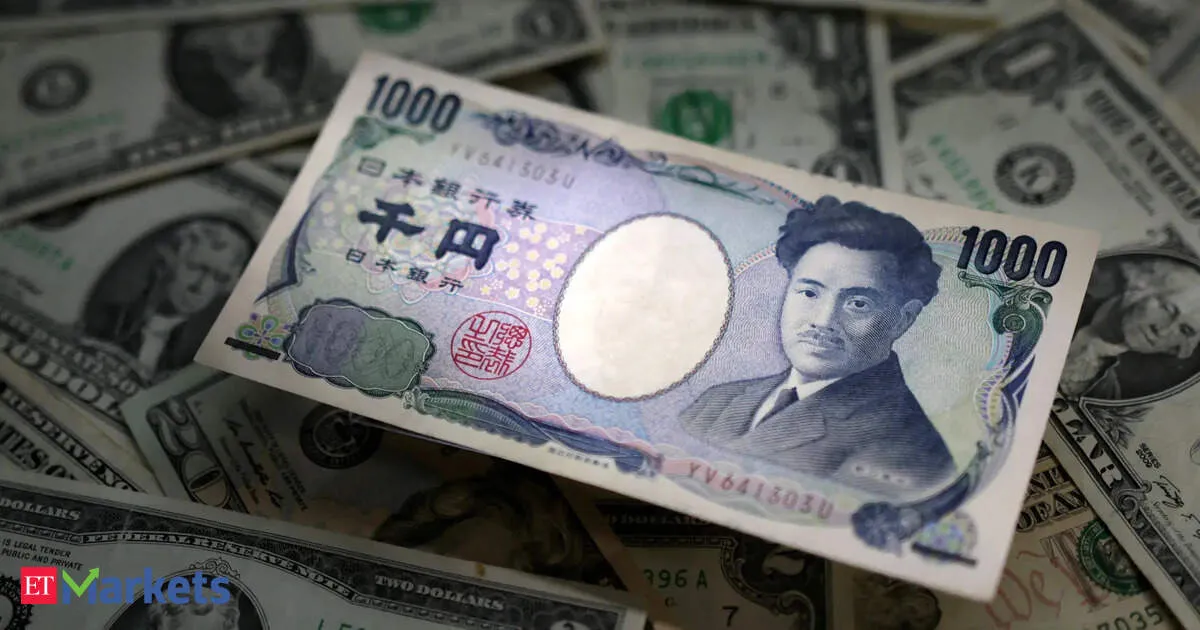
Japan’s central bank kept its benchmark interest rate at 0.75%, even as inflation risks climb with oil prices and global disruptions. The decision came with internal dissent: three board members pressed for a hike. With growth projected to slow, policymakers are weighing support for the economy against stubborn price pressures, signaling tightening could still be on the table.
The Bank of Japan kept its interest rates unchanged, but three board members dissented, arguing for an immediate hike. Their case centers on rising inflation risks, linked to Middle East tensions that could further push up prices. While the decision was broadly expected, the split underscores growing internal concern at the central bank, with Governor Ueda set to speak soon.
Your news, in seconds
Get the Beige app — every story in 60 words, updated hourly. Free on iOS & Android.
Japanese government bond yields rose across the curve as hawkish signals from the Bank of Japan and growing inflation concerns tied to the Middle East war pushed investors to rethink the path of future rate hikes. The move reflects a rapid shift in market expectations, with yields climbing broadly rather than in just one maturity segment.
Japan’s core inflation slipped under the Bank of Japan’s 2% target for a second straight month in March, aided by subsidies and softer food prices. But the underlying trend remains firm, while rising oil costs and geopolitical risks could reignite price pressures. That mix is leaving policymakers cautious on the timing of future rate decisions.
Swipe through stories, personalise your feed, and save articles for later — all on the app.