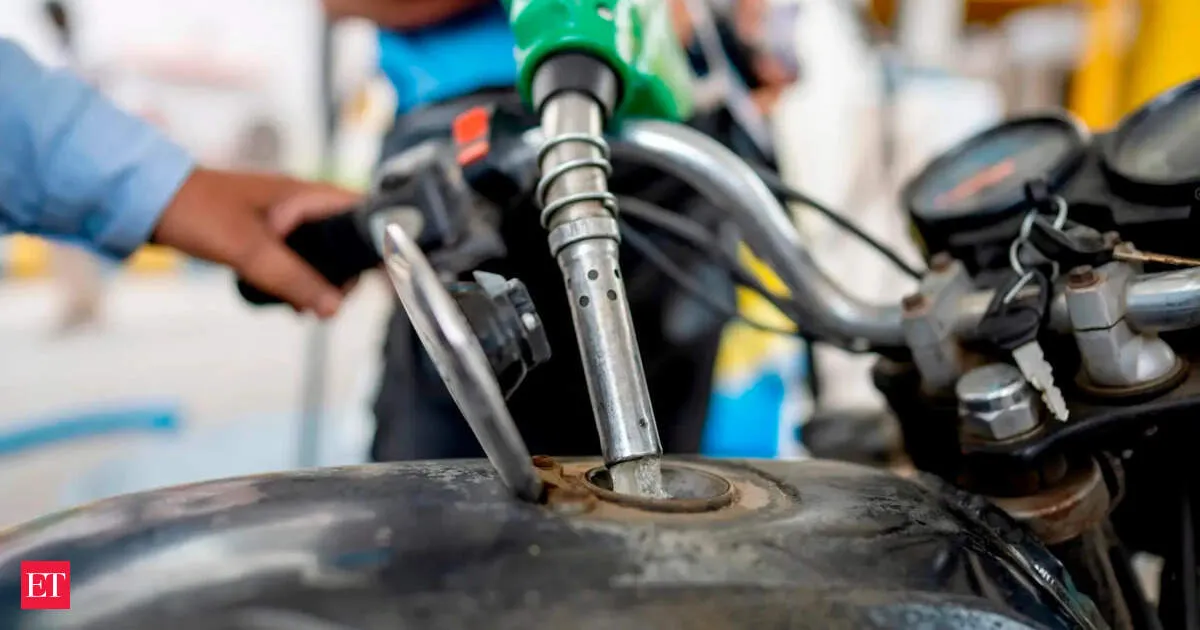
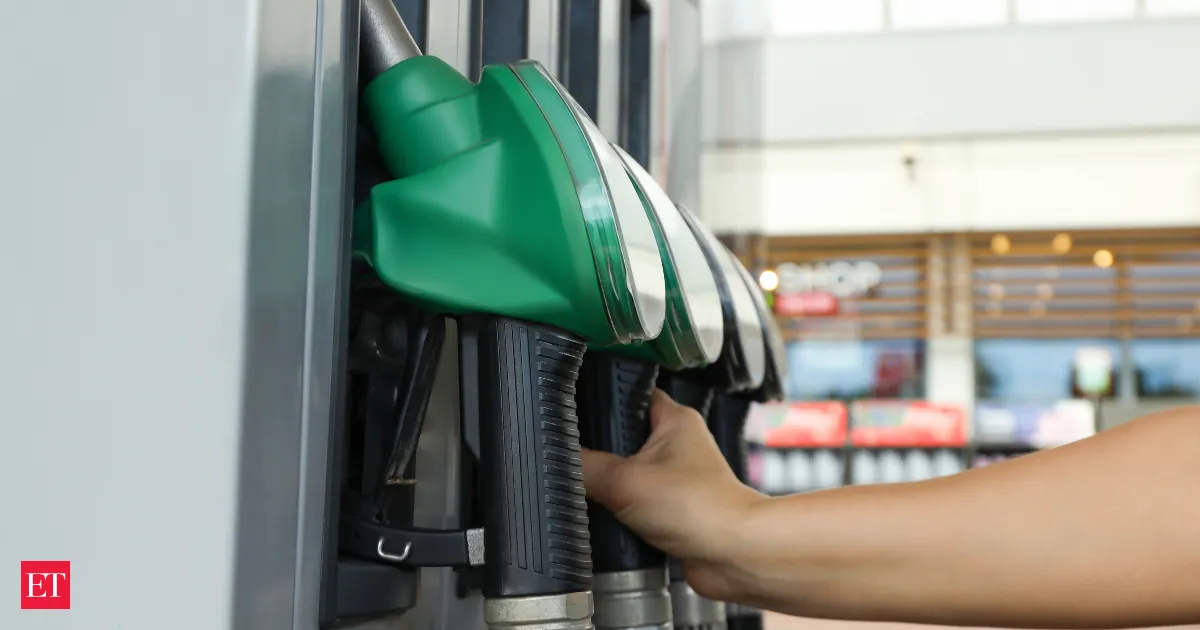
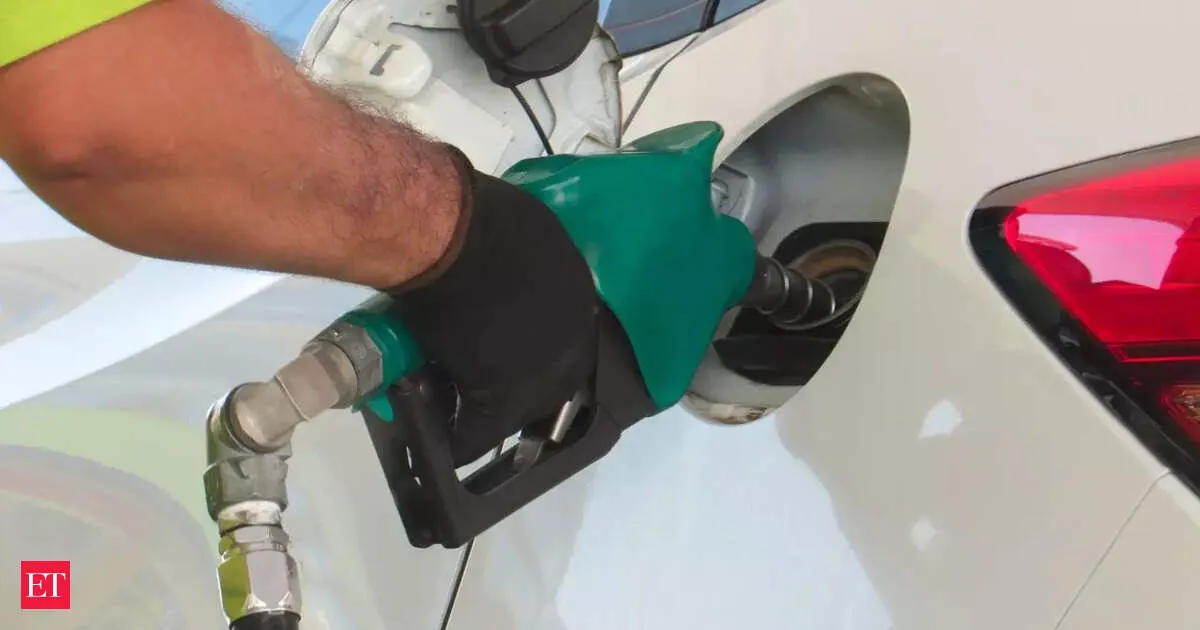
As the Iran war disrupts shipping through the Strait of Hormuz, India and parts of Southeast Asia are accelerating biofuel adoption to curb expensive imported oil and LPG. In New Delhi, consumers report LPG delays and black market prices soaring threefold. In Chennai, drivers complain that ethanol-blended gasoline is worsening car mileage as ethanol becomes the default blend at pumps. India is weighing higher ethanol blends up to 85% or even 100%, while experts warn supply-chain delays and food-versus-fuel environmental impacts.
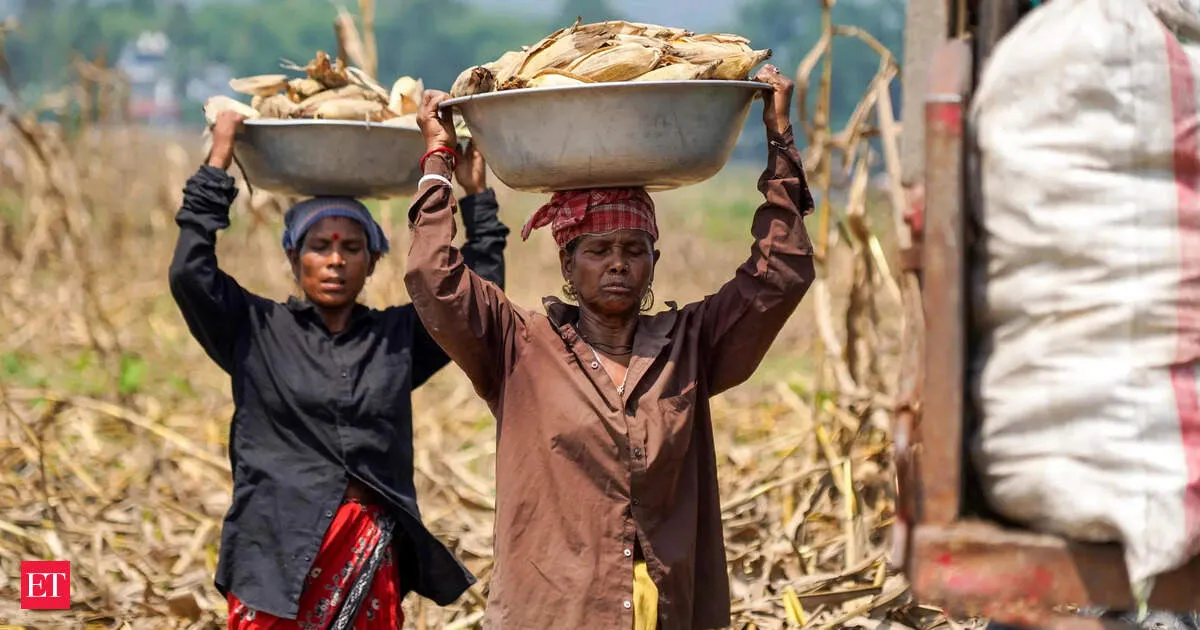
India’s cumulative ethanol supplies have crossed about 515 crore litres in the first half of ESY 2025-26, according to the latest data. Maize has emerged as the biggest feedstock, signaling a shift in how biofuel volumes are being supported as the program scales up and demand grows.
Your news, in seconds
Get the Beige app — every story in 60 words, updated hourly. Free on iOS & Android.
India is reportedly considering a jump in ethanol blending in petrol to 25% as part of a broader push toward renewable energy. The move is meant to reduce dependence on imported crude, while increased refining capacity and higher strategic oil reserves aim to strengthen energy security. Together, these steps could help shield the economy from global oil price shocks and support biofuels and hydrogen priorities.
India is exploring ethanol blending in petrol beyond the current 20% benchmark and is also pushing flex-fuel vehicles to enable higher biofuel use. The government is holding discussions with industry stakeholders as it plans for a broader shift in transport fuel. The goal: reduce dependence on imported oil while strengthening domestic biofuel production and consumption.
Ankur Scientific says it has strong growth momentum and is laying out aggressive expansion plans. The bioenergy firm is increasing investment in green hydrogen, advanced biofuels, and carbon capture, while growing its global project pipeline. It is also exploring fresh revenue models, including owning assets, to capture more upside from its energy and decarbonization projects.
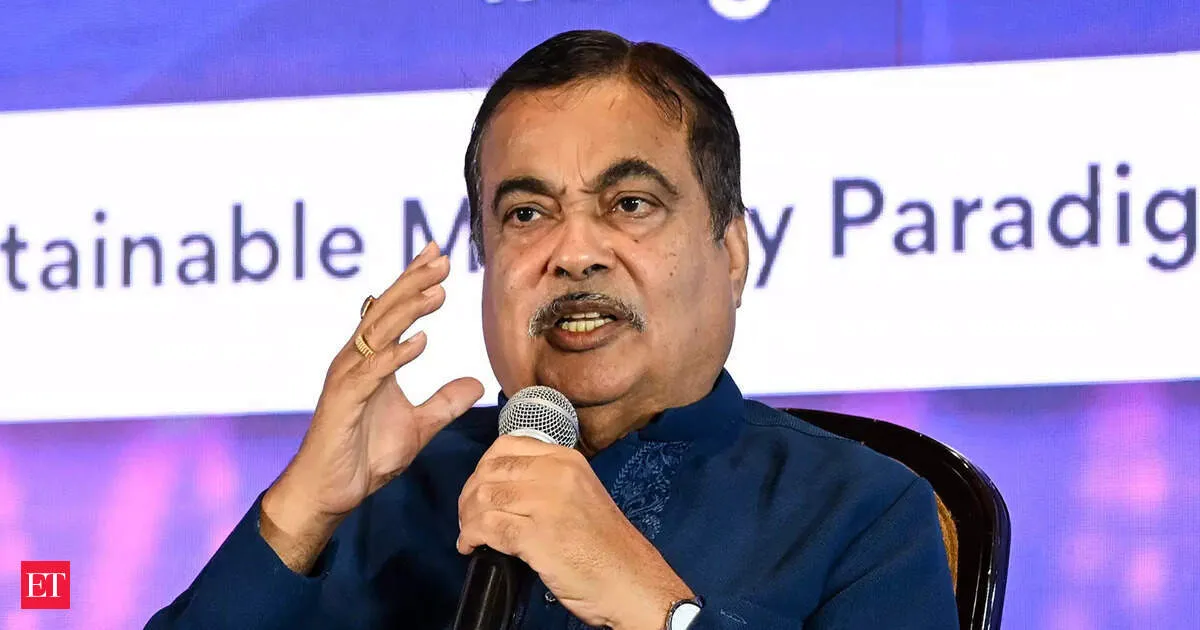
Nitin Gadkari says India should target 100 percent ethanol blending soon to improve energy self-reliance as global oil markets stay uncertain. With India currently importing about 87 percent of its oil, the push will accelerate alternative and biofuel production. Green hydrogen is also flagged as a future fuel option.
Never miss a story
Set alerts for the topics and sources you care about. Download Beige for free.
Clean energy startup Ecoil raised $2.5 million in a funding round led by Fundalogical Ventures. Founded in 2019 by Sushil Vaishnav and Kirti Vaishnav, Ecoil collects used cooking oil from restaurants and hotels, manages it, and converts it into biofuel. The fresh capital will help expand operations, upgrade its technology platform, and grow its footprint across major Indian markets.
Indonesia’s shift to use palm oil for biofuels is set to challenge India’s food security, since India relies heavily on edible palm oil imports from Indonesia. With domestic production constrained by climate, India may have to scramble for alternative sourcing to avoid shortages and price spikes.
Swipe through stories, personalise your feed, and save articles for later — all on the app.