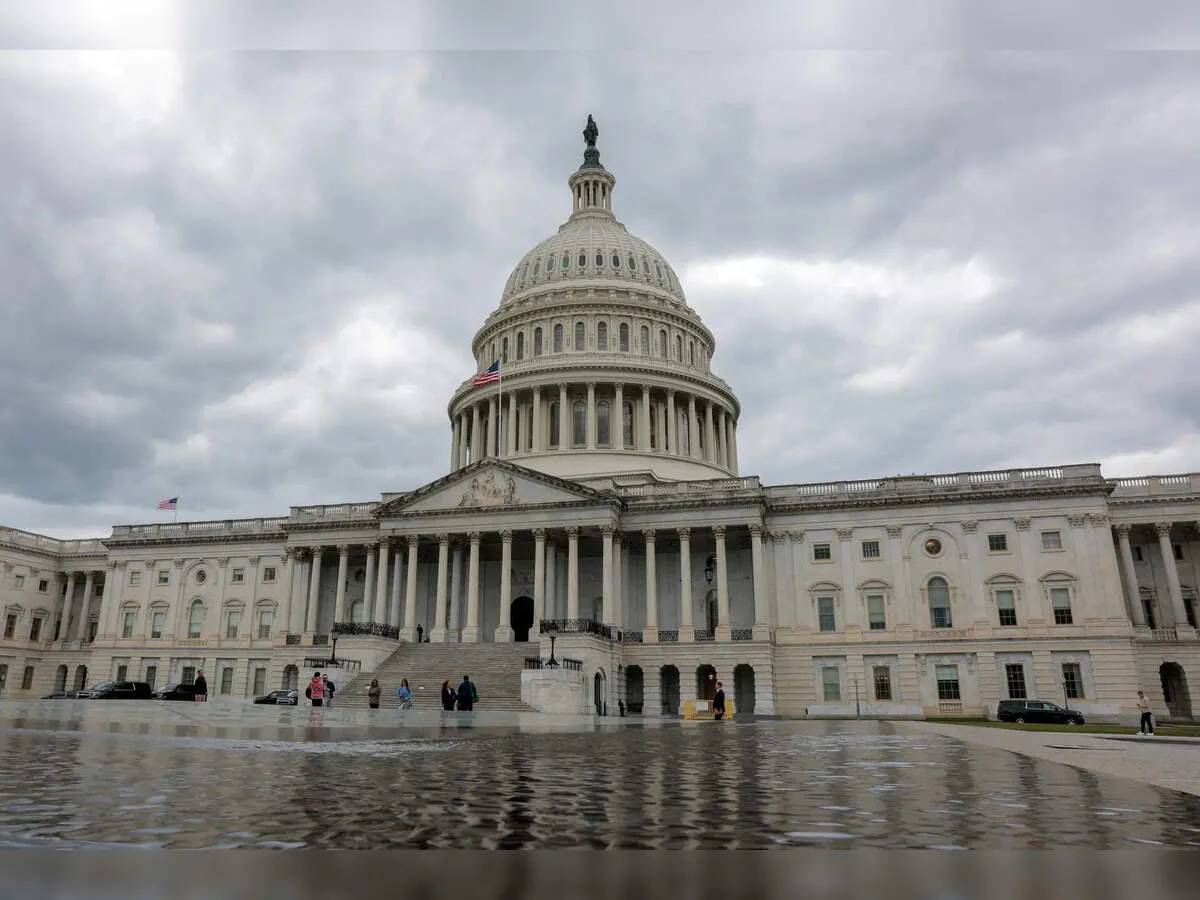
Top tech executives are set to return to Capitol Hill as the Senate prepares a broad oversight hearing in June. Senate Judiciary Chairman Chuck Grassley invited Mark Zuckerberg of Meta, Sundar Pichai of Alphabet, Shou Zi Chew of TikTok, and Evan Spiegel of Snap, according to a Grassley spokeswoman. The gathering signals another high-profile round of scrutiny as lawmakers continue to press major platforms on issues that have drawn intense public and regulatory attention.
TikTok has challenged its EU “gatekeeper” status, arguing it doesn’t meet the Digital Markets Act’s strict eligibility criteria. The outcome could reshape how regulators apply DMA obligations to major platforms across Europe. A court decision is expected in the coming months, making this dispute a potential turning point for big tech oversight.
Your news, in seconds
Get the Beige app — every story in 60 words, updated hourly. Free on iOS & Android.
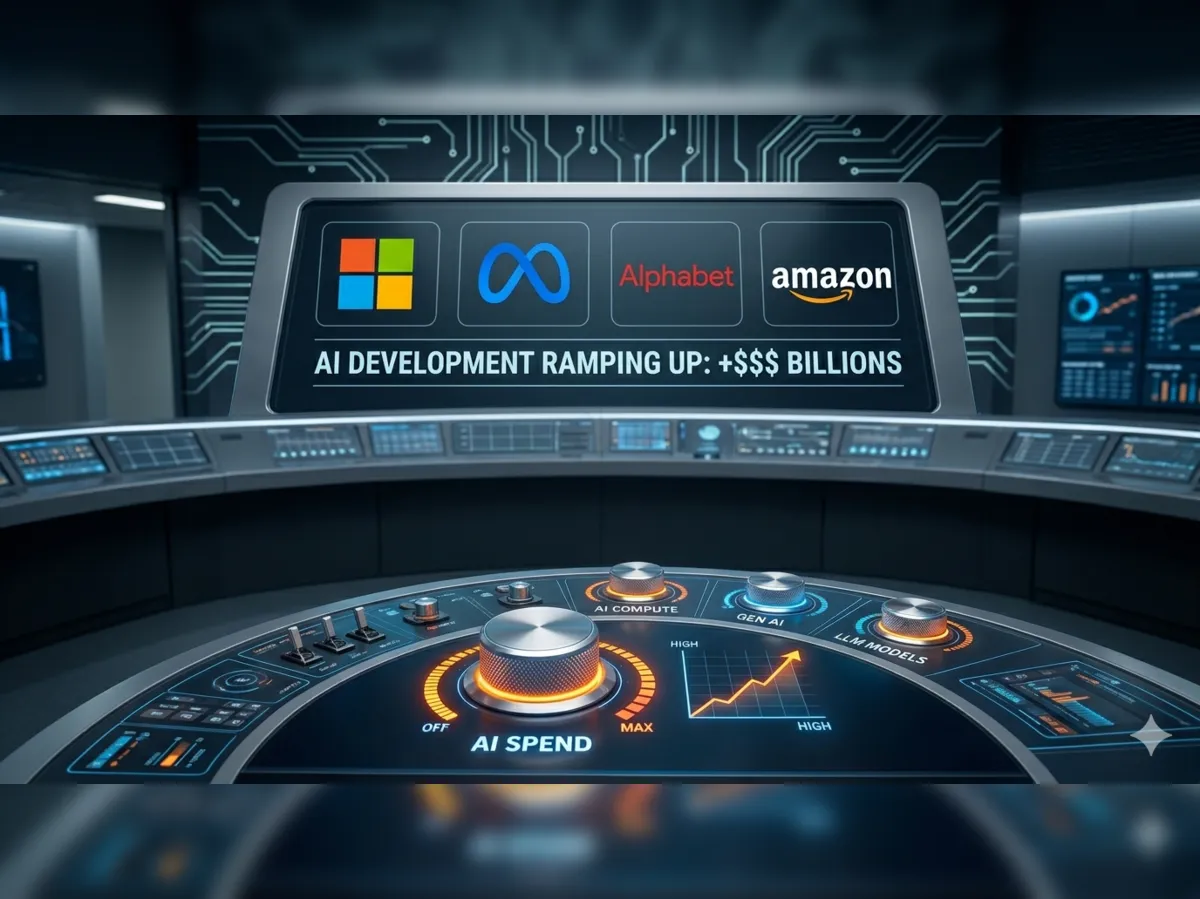
Alphabet, Amazon, Microsoft and Meta are signaling that AI spending won’t slow, with their combined budgets now projected to top $700 billion this year. To sustain the push for AI and cloud expansion, more tech companies are tapping debt markets—potentially changing how they finance next-stage infrastructure growth amid rising demand.
Alphabet is considering its first-ever yen bond sale, aiming to raise capital for its expanding artificial intelligence ecosystem. The move highlights how Big Tech is increasingly turning to global debt markets to fund data, compute, and AI development—once dominated by equity and internal cash flows. Market attention will center on timing, size, and investor appetite for yen issuance.
By May 2026, more than 92,000 tech jobs have disappeared, with April bringing the worst layoffs in two years. Meta, Microsoft, and Amazon are cutting headcount, blaming AI-driven efficiencies and past over-hiring. Yet the same companies are pouring money into AI expansion, underscoring a shift where fewer roles may remain even as spending rises.
Global tech giants are reportedly flooding SK Hynix with unprecedented offers to secure vital memory chip supplies. The proposals include funding new production lines and covering expensive equipment purchases amid surging AI-driven demand. SK Hynix is not rushing into agreements, instead weighing multiple options to lock in long-term supply commitments while managing risk.
Never miss a story
Set alerts for the topics and sources you care about. Download Beige for free.
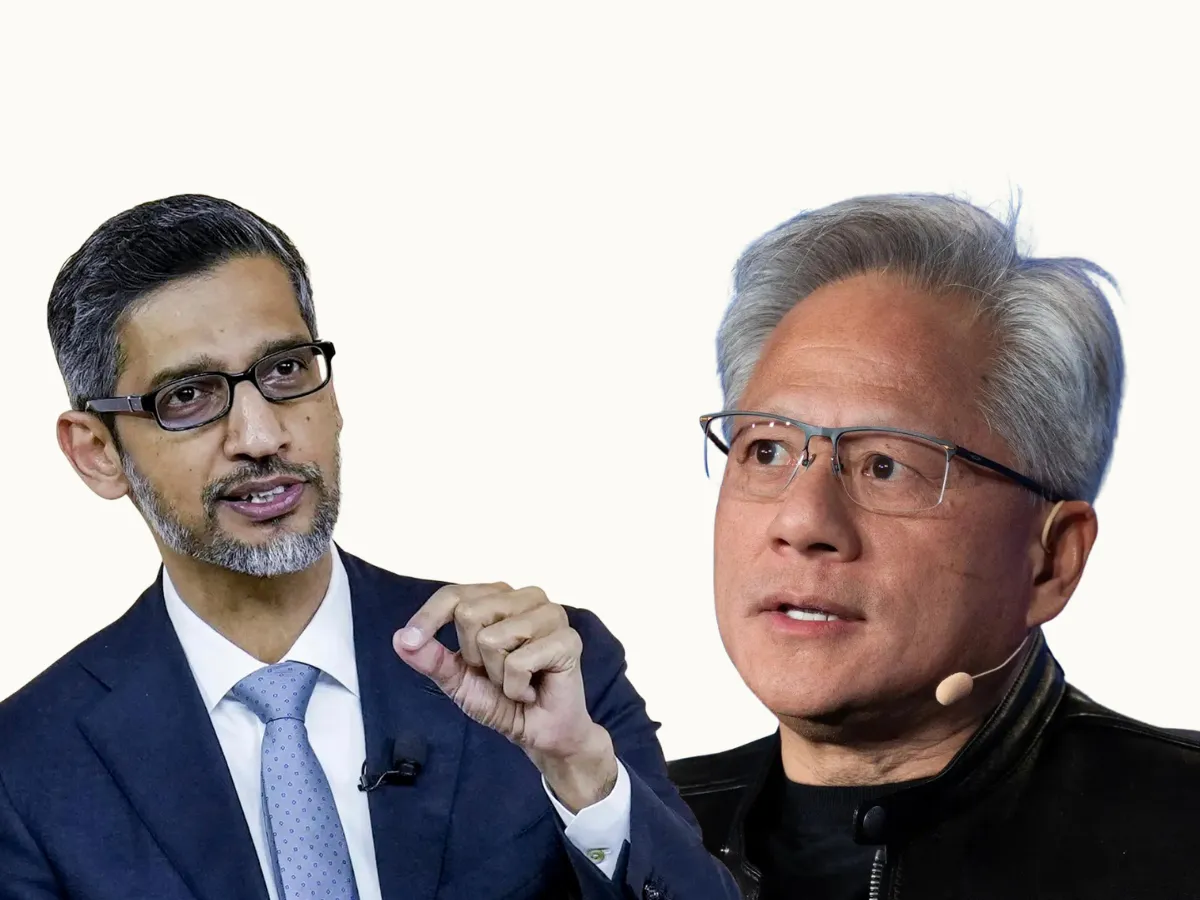
Alphabet is closing in on Nvidia as the world’s most valuable company, driven by rapid growth in its cloud and AI businesses. Now, the threat looks bigger: Alphabet is developing its own AI chips that could challenge Nvidia’s dominance in the data center. With Big Tech racing to build AI infrastructure, investors are closely tracking who wins the next compute cycle.
Big Tech’s March quarter 2026 earnings show revenue rising across the board, driven by an AI-led shift in spending. Companies are forecasting record AI infrastructure capex of over $674 billion for 2026, while also rolling out widespread job cuts. The plan: redirect savings into data centers and AI buildouts at a pace that’s reshaping workforce strategy.
Global tech giants are pouring money into AI, pushing capital expenditure to near record levels compared with operating cash flow. But monetisation is still unclear, leaving investors worried about profitability as competition heats up. Jefferies’ Chris Wood says the AI race could become capital intensive, similar to industries where heavy spending doesn’t guarantee early returns.
Global market expert Richard Harris says U.S. monetary policy is unlikely to shift much in the near term, pointing to inflation that refuses to fade. He also downplays the hype around Big Tech AI gains, arguing recent profitability is driven more by cloud growth, with Google ahead in AI but facing fierce competition.
Reading on mobile?
Open Beige in the app for a smoother experience — free on iOS and Android.
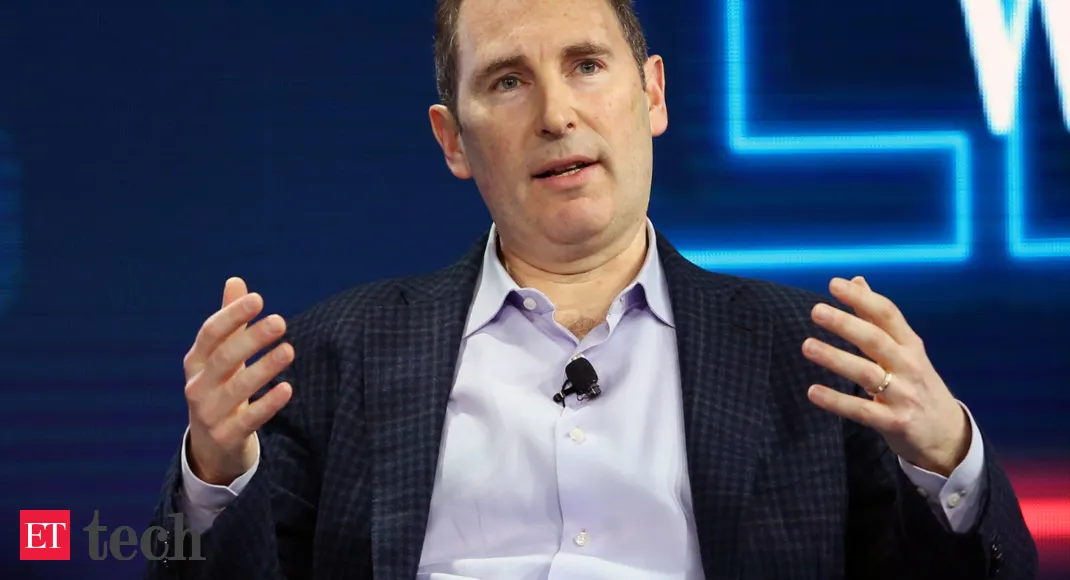
Amazon CEO Andy Jassy says the company’s Now service is growing quickly amid India’s hypercompetitive quick commerce space. The latest ETtech Top 5 also flags how major tech players are increasing AI spending—suggesting competition isn’t just about delivery speed anymore, but about who can deploy AI fastest to win customers and reduce costs.
Meta Platforms is reportedly preparing a bond sale to raise between $20 billion and $25 billion, building on last year’s large debt offering. The timing aligns with Meta’s increased 2026 capital expenditure forecast, signaling major investment plans ahead. The deal also reflects a broader shift among Big Tech companies leaning on borrowing to fund growth and infrastructure.
Alphabet’s cloud business is accelerating faster than Amazon and Microsoft, with Google’s AI tools increasingly driving demand. Meanwhile, Big Tech’s AI spending is set to exceed $700 billion this year, as companies race to build the infrastructure behind next-gen models. Investors are watching the link between AI investment and cloud growth closely.
Big Tech’s $16 trillion earnings week kicks off with results from Alphabet, Amazon, Meta and Microsoft, with Apple due tomorrow. Investors are looking for clues on AI spending and whether demand holds up beyond recent hype. Nvidia’s upcoming report will also shape AI sentiment, and markets could either extend current highs or turn volatile depending on guidance and outlook.
Follow your favourite sources
Track sources, tags and categories — all in the Beige app.
Wall Street is set for a volatile session as major Big Tech earnings from Alphabet, Amazon, Microsoft, and Meta line up with what could be Fed Chair Jerome Powell’s final meeting. Markets are focused on whether AI spending holds up in results and on policy guidance, with the rate outlook seen as steady but price moves likely driven by earnings surprises and Fed signals.
EU member states and lawmakers failed to agree on updated artificial intelligence rules, after talks stalled for 12 hours. Negotiations are set to restart next month, with some countries pushing exemptions for sectors already covered by existing regulation. The deadlock could advantage Big Tech, while European firms focused on safety face fresh uncertainty under the AI Act, widely seen as the world’s strictest framework.
The European Union is expanding the Digital Markets Act to include cloud and artificial intelligence services, aiming to keep competition fair in fast-growing markets. Regulators are now assessing whether major providers like Amazon and Microsoft should be designated as gatekeepers for their cloud offerings and AI-related services, which would trigger stricter compliance and oversight.
Australia has unveiled a direct ultimatum for Big Tech: pay for news or accept a 2.25% tax tied to publishing agreements. The policy aims to ensure journalists and media companies get compensation when platforms benefit from news content. Industry reactions are expected to hinge on how payments are calculated and enforced.
Stay informed on the go
Bite-sized news from 100+ trusted sources, right in your pocket.
Australia plans to impose a 2% levy on major tech platforms including Meta, Google, and TikTok if they do not make deals that compensate local news organizations for using their content. The measure aims to strengthen and revive Australian journalism, turning payment for news into a condition for operating without fees.
Alphabet, Microsoft, Meta and Amazon are set to spend around $600 billion on AI this year, a staggering outlay that has strained cash flows and tested Wall Street’s patience. As quarterly results land, investors will focus on whether the spending translates into durable earnings and not just impressive promises.
Swipe through stories, personalise your feed, and save articles for later — all on the app.