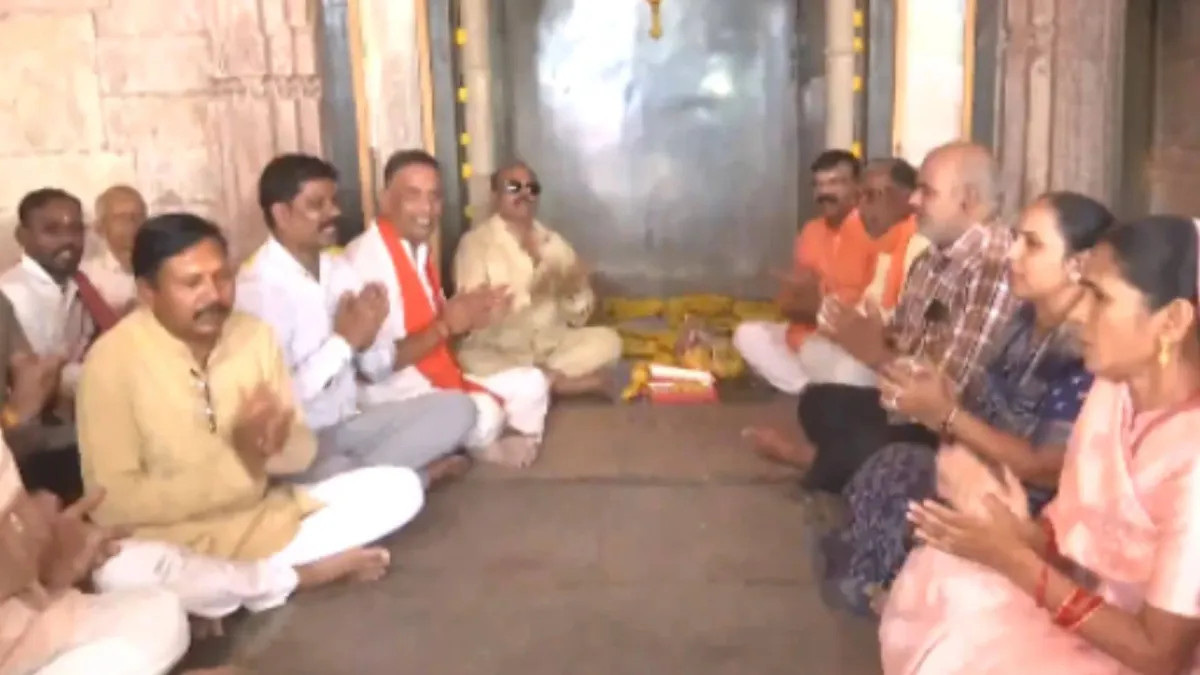
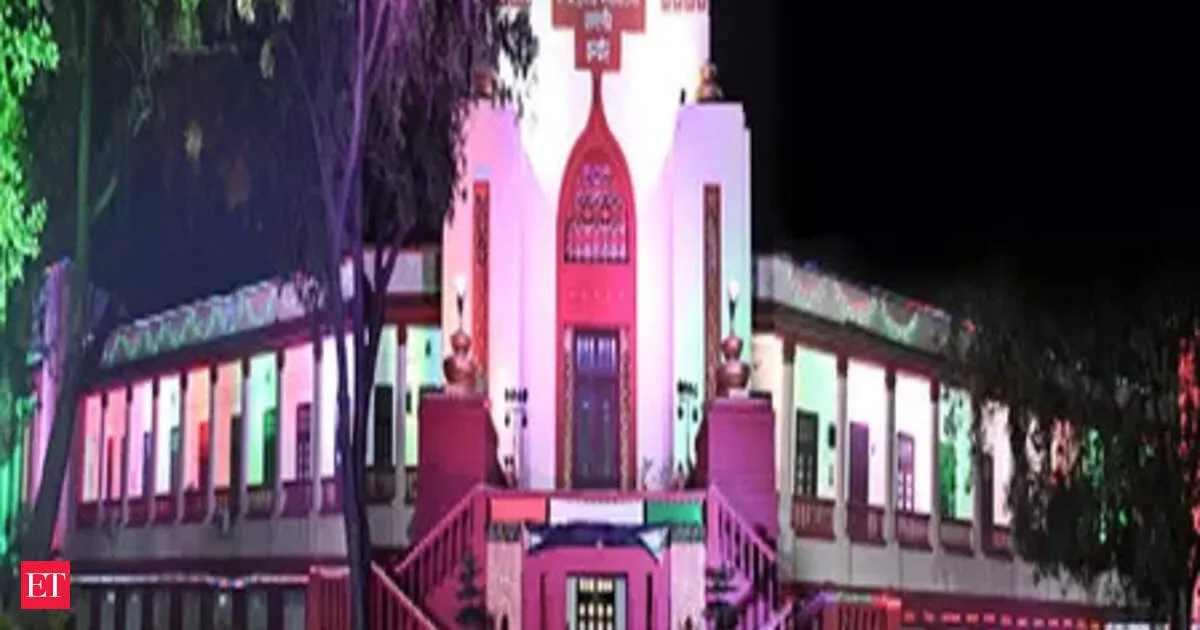
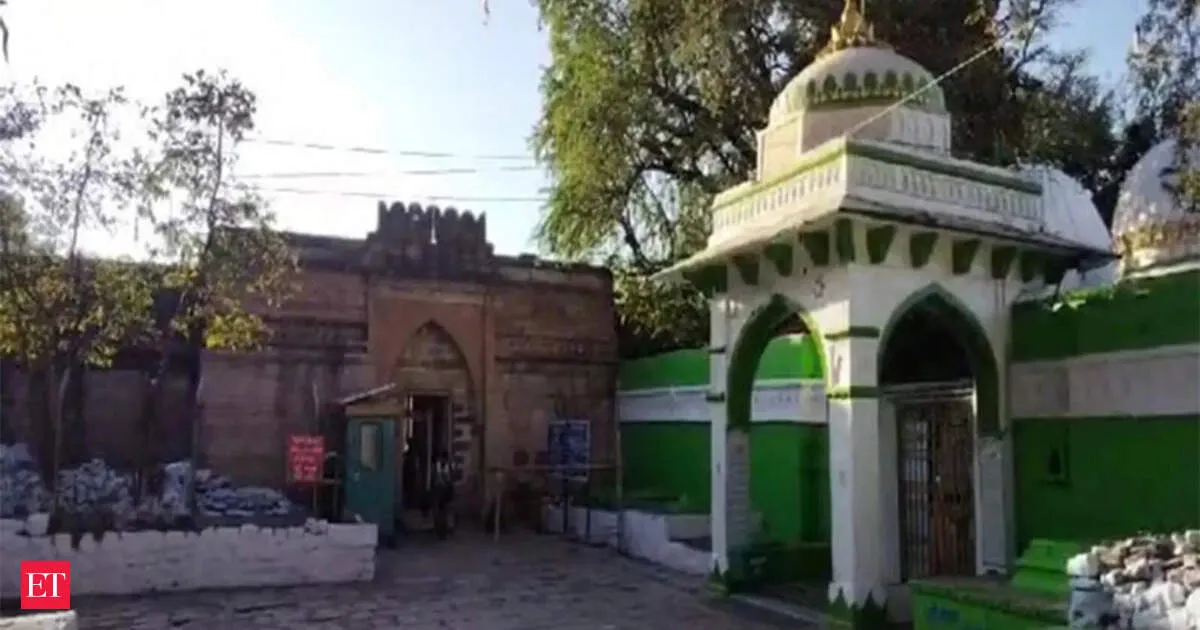
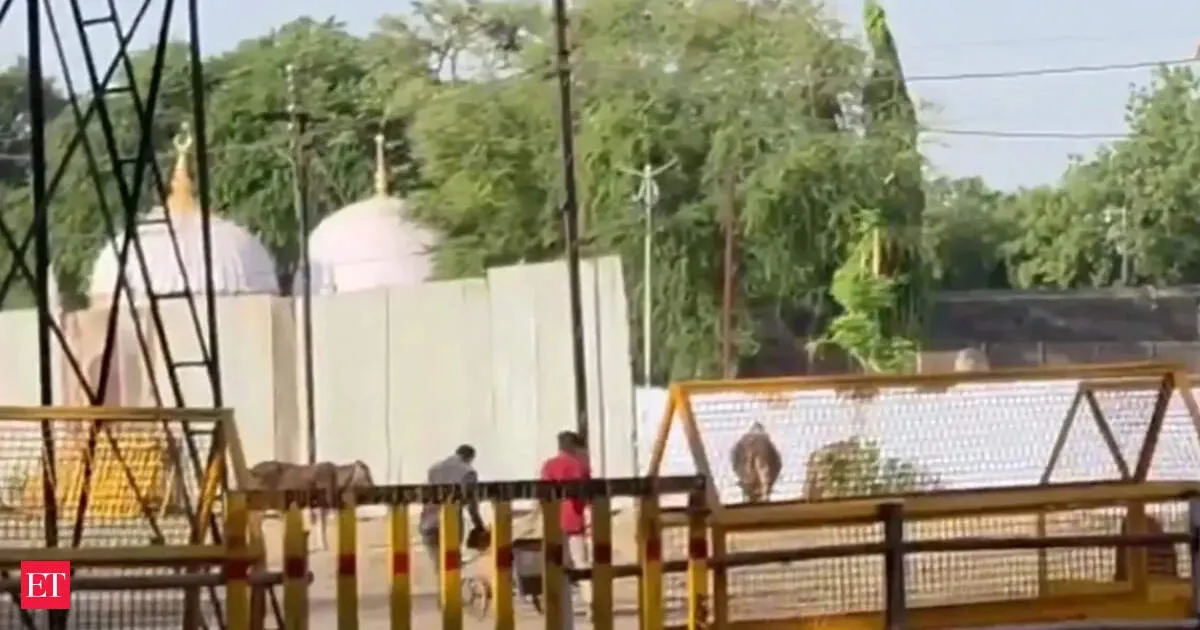
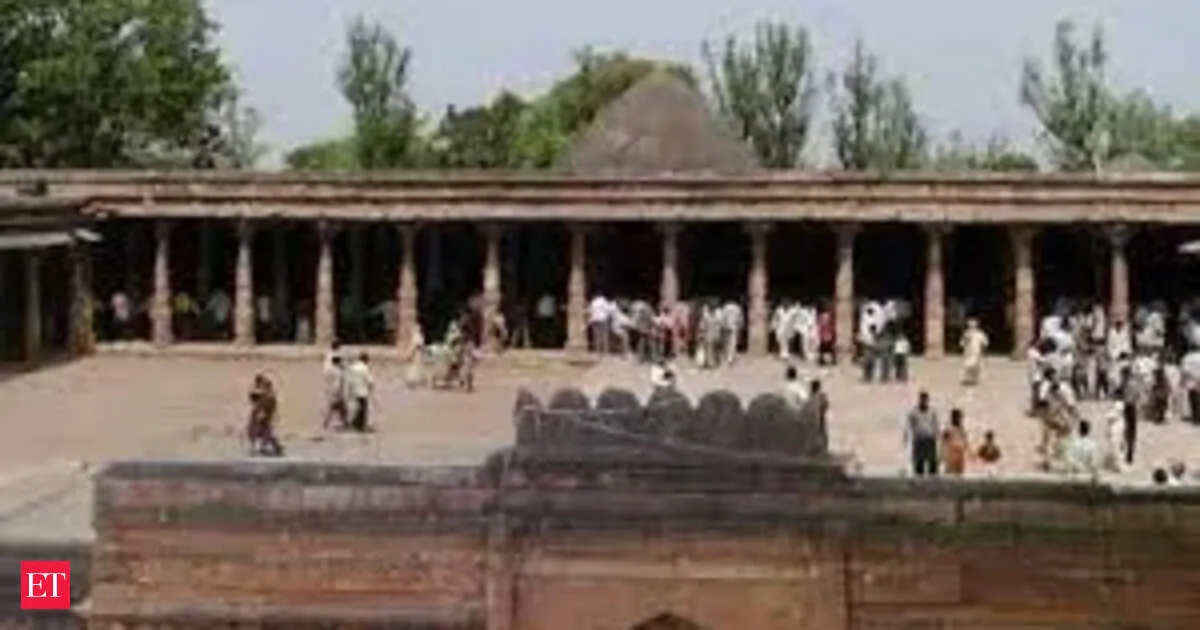
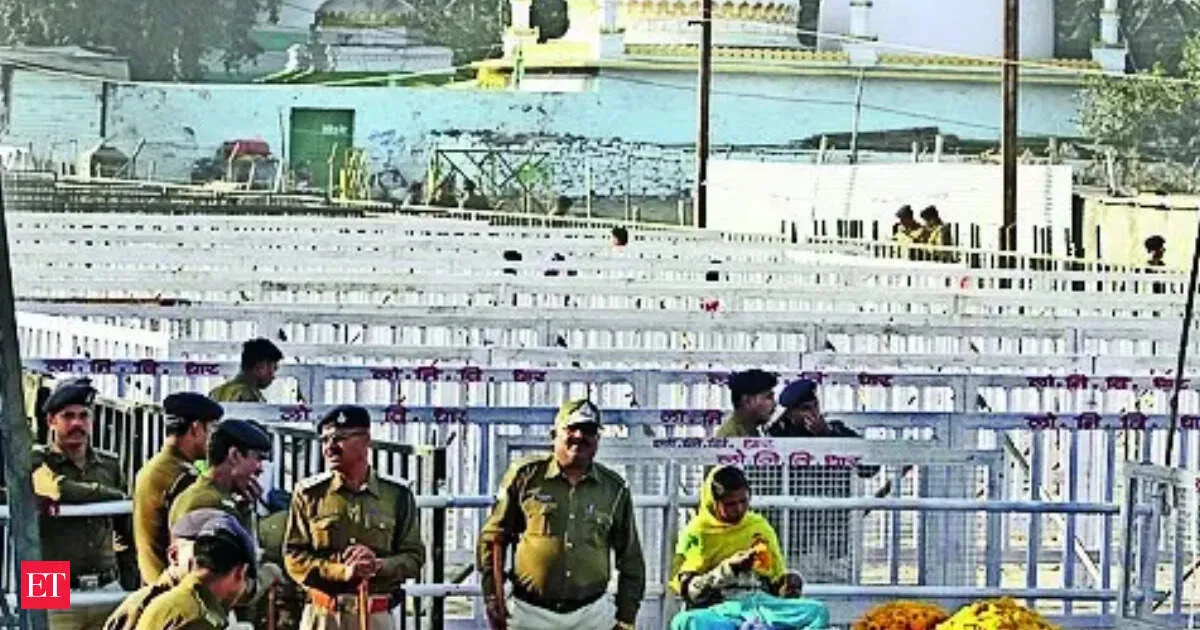
Devotees entered the Bhojshala-Kamal Maula complex in Dhar on Saturday to offer prayers after the Madhya Pradesh High Court’s Indore Bench declared the disputed site a temple and granted Hindus the right to worship. The court recognised the complex as belonging to Raja Bhoj and ruled it was historically dedicated to Goddess Vagdevi, dating to the Bhoj-Parmar dynasty. The ruling modified an earlier ASI order that had allowed Friday namaz for a limited time, while keeping the monument under ASI custody.
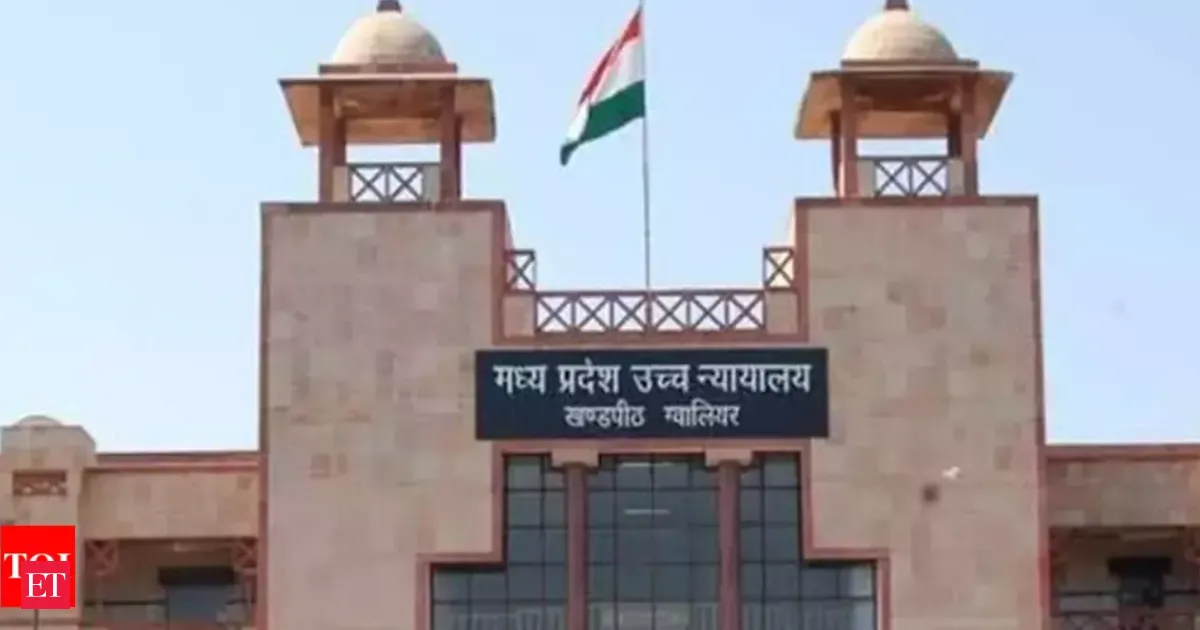
The Madhya Pradesh High Court’s Indore bench recognized the Bhojshala-Kamal Maula Mosque complex in Dhar district as a temple dedicated to Goddess Saraswati, and directed the Centre and ASI to decide administration and management. It quashed an ASI order from April 7, 2003 that allowed Friday namaz inside the complex. The court relied on ASI’s 2024 scientific survey, saying the site predates the mosque and was built using repurposed temple components. Mosque representatives may seek separate land to build a mosque.
Your news, in seconds
Get the Beige app — every story in 60 words, updated hourly. Free on iOS & Android.
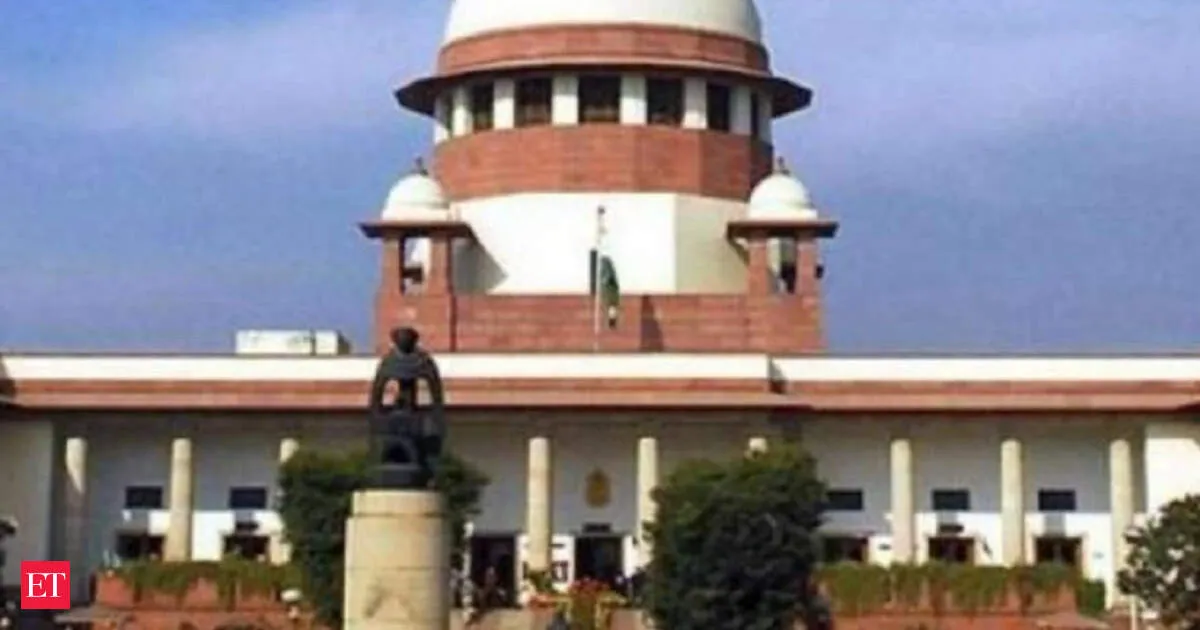
Muslim petitioners have announced they will challenge a Madhya Pradesh High Court ruling that declared the disputed Bhojshala structure in Dhar as a Saraswati temple. Their lawyer says the Archaeological Survey of India scientific survey and report relied on by the court were “flawed”. He also argued the matter should not have been handled under Article 226 writ jurisdiction and instead should go to a civil court. Hindu petitioners have filed a Supreme Court caveat, while the High Court’s decision quashed an ASI 2003 order permitting Friday prayers.
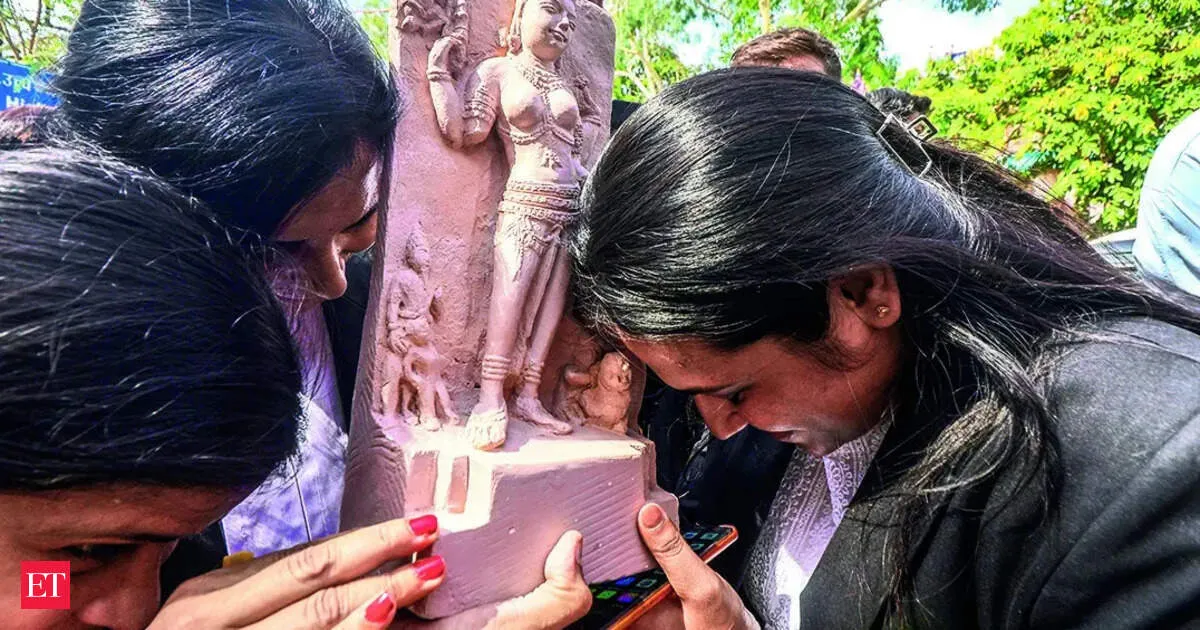
The Madhya Pradesh High Court on Friday declared the Bhojshala-Kamal Maula complex in Dhar a Saraswati temple, calling the dispute a major victory for Hindu petitioners after 700 years of litigation and faith-based claims. The Indore bench quashed an Archaeological Survey of India order that had allowed Muslims to offer prayers every Friday at the site. Petitioners also celebrated outside court, with sweets and replicas of the Vagdevi idol, alleging the original idol is in London’s British Museum.
A Hindu party filed a caveat in the Supreme Court in the Bhojshala complex dispute, insisting it must be heard before any order is passed on appeals to the Madhya Pradesh High Court verdict. The Indore bench ruled the Bhojshala complex is a temple dedicated to Goddess Saraswati, left administration and management to the Centre and ASI, and cancelled a 2003 ASI order that had permitted Muslims to offer namaz every Friday. The High Court also directed the Muslim community to approach the Madhya Pradesh government for separate land to build a mosque.
The Madhya Pradesh High Court’s Indore bench delivered a major verdict in the long-running Bhojshala–Kamal Maula Mosque dispute in Dhar district, holding that the disputed complex is the Bhojshala temple of Goddess Vagdevi (Saraswati), an ancient Sanskrit learning centre linked to Raja Bhoj of the Parmar dynasty. The court relied on archaeological evidence, ASI survey reports and historical material, quashed parts of an ASI 2003 order, and directed the Centre and ASI to manage preservation going forward.
Never miss a story
Set alerts for the topics and sources you care about. Download Beige for free.
The Madhya Pradesh High Court has ruled that the Bhojshala complex in Dhar is a temple dedicated to Goddess Vagdevi (Saraswati), settling a long-running dispute with the Kamal Maula mosque. The court set aside a 2003 ASI order that had allowed Muslims to offer prayers at the site, while keeping overall administration and upkeep with the Archaeological Survey of India. It cited historical and literary evidence linking the complex to Raja Bhoj and directed the government to consider repatriating the idol from the British Museum.
A Jain petitioner has moved the Madhya Pradesh High Court claiming the disputed Bhojshala complex in Dhar is a medieval Jain temple and gurukul. The plea contests a 2003 Archaeological Survey of India order that allows limited worship for Hindus and Muslims, arguing Jain rights should be recognized using historical and architectural evidence.
The Muslim side told the Madhya Pradesh High Court that old revenue records label the Bhojshala complex as a mosque, arguing there is no clear record of a Saraswati temple linked to Raja Bhoj. They seek occupation rights based on historical titles and Muslim law, while objections are raised over the ASI’s survey process.
A Muslim intervenor urged the Madhya Pradesh High Court to dismiss petitions over the Bhojshala monument, arguing they are not maintainable under writ jurisdiction. The intervenor said the dispute is fundamentally about ownership rights and therefore should be handled by civil courts, not through writ proceedings filed by Hindu parties.
Reading on mobile?
Open Beige in the app for a smoother experience — free on iOS and Android.
Swipe through stories, personalise your feed, and save articles for later — all on the app.