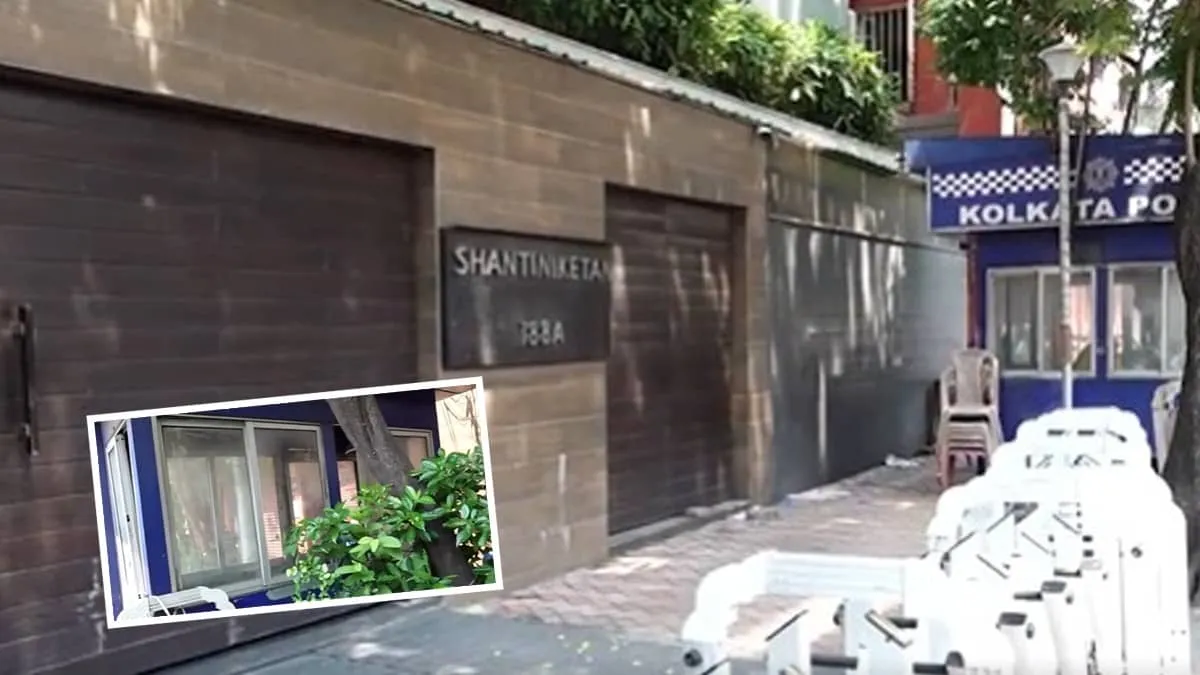
Security cover has reportedly been withdrawn from Abhishek Banerjee’s Shantiniketan residence in Kolkata following TMC’s poll debacle in Bengal. Visuals from outside the premises on Wednesday showed a noticeably lighter security presence, with personnel and barricades previously seen at the upscale property no longer visible. The development has sparked fresh political chatter in the state.
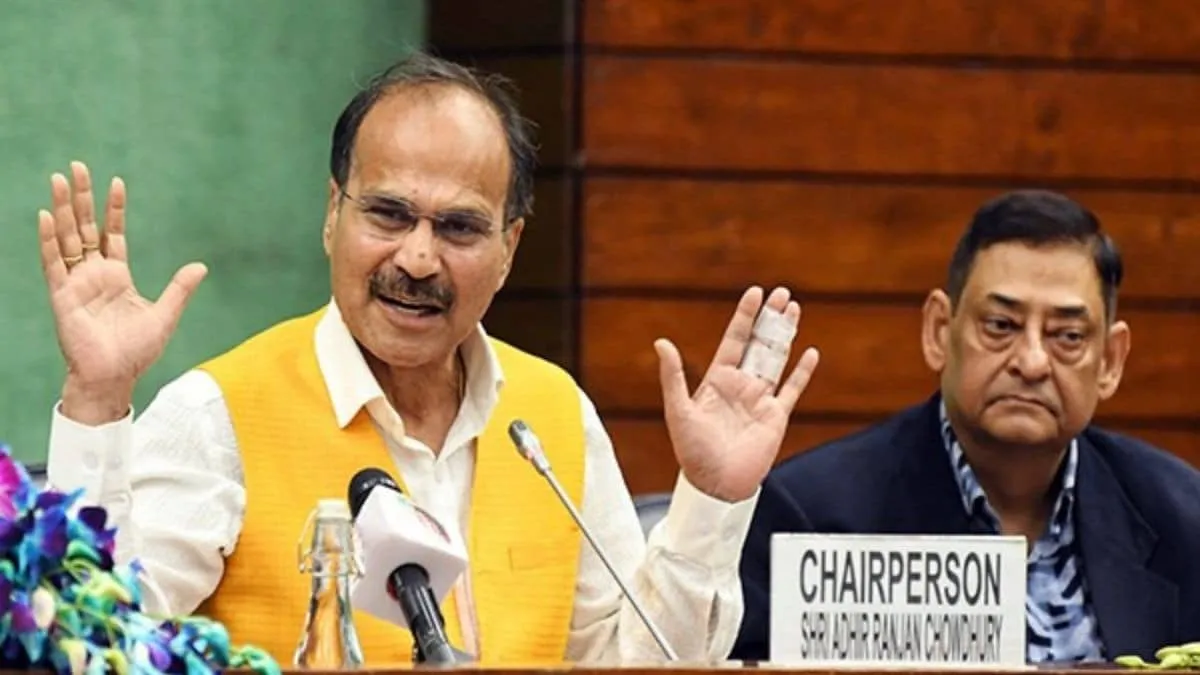
Congress leader Adhir Ranjan Chowdhury said voters in Bengal went to the polls without fear because of the presence and pro-active role of central forces during the assembly elections. However, he clarified that this support does not extend to the way electoral rolls were specially and intensively revised, raising concerns about the process even while acknowledging security helped calm voters.
Your news, in seconds
Get the Beige app — every story in 60 words, updated hourly. Free on iOS & Android.
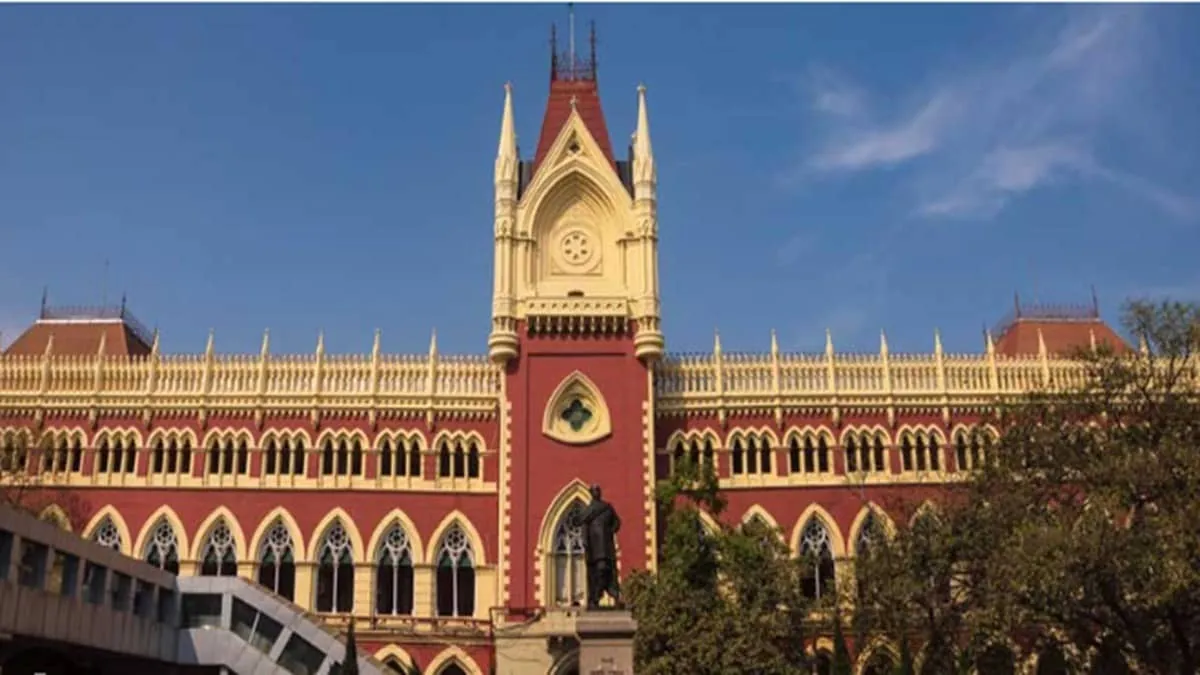
The Calcutta High Court dismissed the TMC’s petition challenging the appointment of central government employees as vote-counting supervisors for West Bengal polls. Justice Rao rejected allegations of bias, saying the claims were “impossible to believe,” and reaffirmed that choosing counting personnel falls under the Election Commission of India’s prerogative, not the party’s.
In North 24 Parganas, Bengal’s assembly battleground, voters are weighing industrial distress from jute mill closures against everyday law and order worries. Political attention is driven by the rivalry between Arjun Singh and Partha Bhowmick, with local conflicts adding to uncertainty. Parties are campaigning with promises of revival and welfare, seeking to win over a strained electorate.
Singur’s fields and abandoned factory remnants still reflect the 2008 Tata Motors Nano project exit that helped reshape West Bengal’s political fortunes. Mamata Banerjee’s rise followed the controversy, but 18 years later much of the land remains unproductive. Even some former opponents now say they regret lost industrial jobs and opportunities.
Ahead of elections in Bengal, domestic helpers are returning, underscoring how deeply middle class urban life depends on their work. The article notes a shift in domestic labour itself: full time roles are giving way to part time gigs, letting workers negotiate schedules and pay. The result is a quieter but significant change in bargaining power at home.
Never miss a story
Set alerts for the topics and sources you care about. Download Beige for free.
Ahead of the Bengal assembly polls, an NIA crackdown in Mothabari, Malda, has triggered an electoral exodus. Men are reportedly fleeing villages out of fear of the agency, leaving behind a “ghost electorate.” Residents who had fought to get back on voter rolls are now prioritizing safety over voting, after a reported assault on judicial officers. Parties trade blame as the crisis unfolds.
Swipe through stories, personalise your feed, and save articles for later — all on the app.