European robins and North American cousins often begin singing before sunrise. Scientists say it’s driven by a mix of biology and behavior, including the need to claim territory, attract mates, and communicate in low light. Robins also respond to light cues, including artificial sources, which can change their singing schedule and make dawn feel earlier than it is.
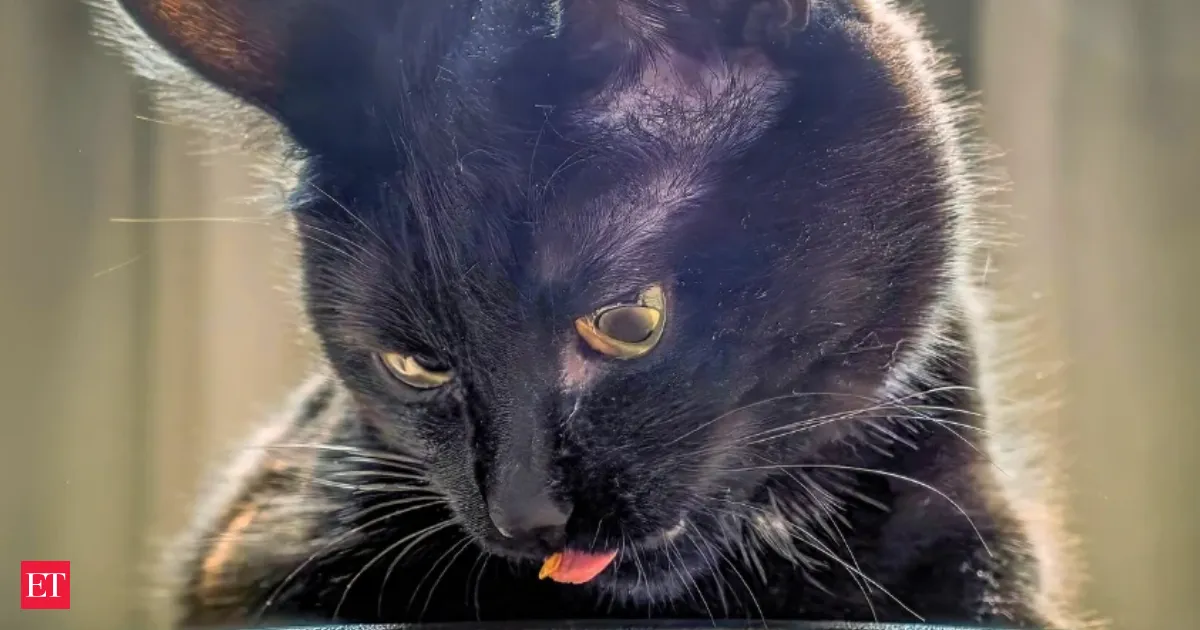
New research from Iwate University suggests cats don’t simply stop because they’re full. Instead, their feeding pauses may be tied to satisfaction triggered by specific smells detected by olfactory sensors. When a different scent appears, appetite can restart—challenging the idea that cats are always overstuffed when they walk away from food. Evolution and sensory responses shape the pattern.
Your news, in seconds
Get the Beige app — every story in 60 words, updated hourly. Free on iOS & Android.
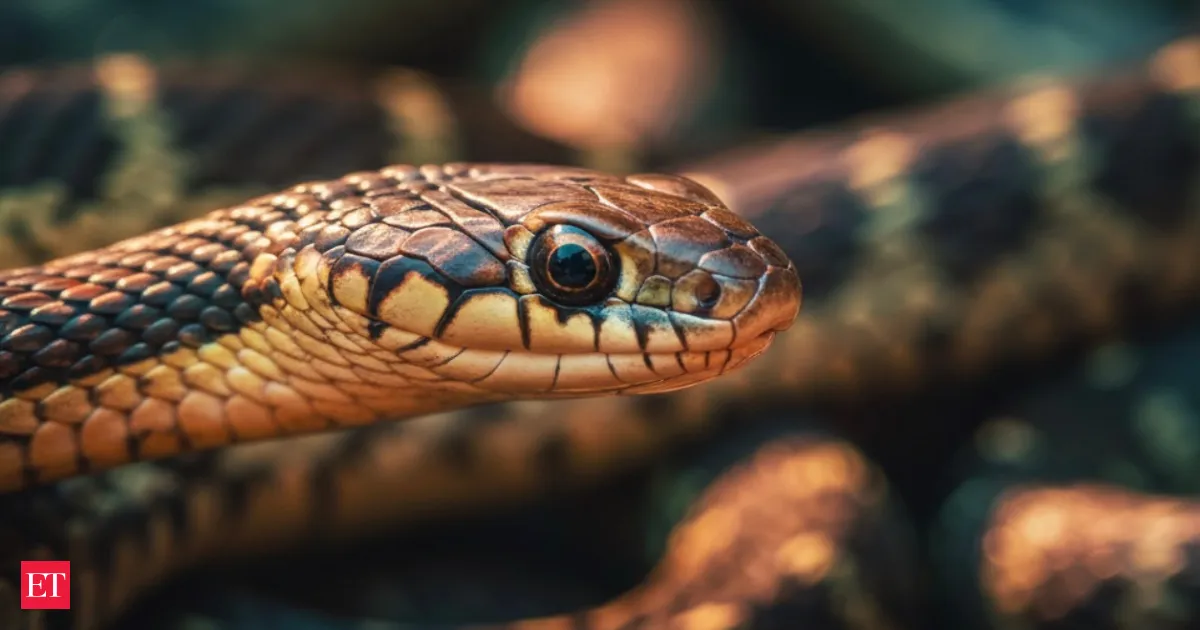
Every spring in Manitoba, more than 30,000 red sided garter snakes emerge from the Narcisse Snake Dens to reproduce. The gathering is not migration or hunting but mating: males cluster around females in a swirling “mating ball” guided by chemical signals. Afterward, the snakes disperse for the off season, returning reliably year after year.
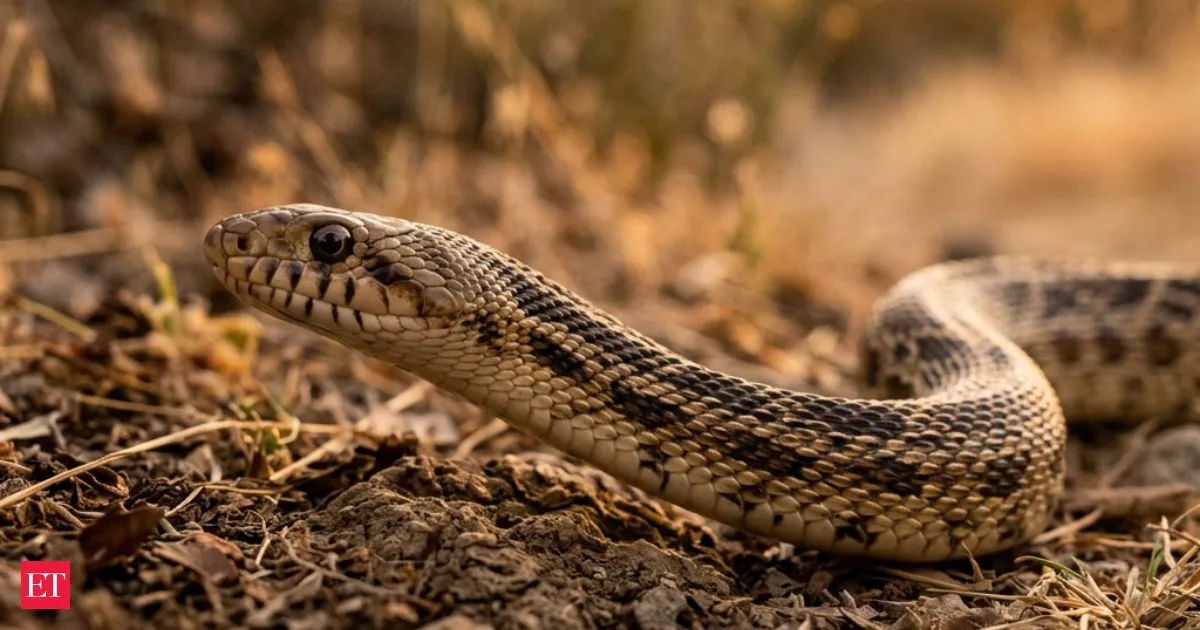
Snakes don’t keep a fixed timetable—temperature does. In Texas-like heat, they’re more active in the evening, while cooler conditions push daytime movement. Researchers say their behavior follows environmental cues rather than an internal clock, which is why sightings can feel random. Knowing this shift can better explain when encounters are most likely.
Urban raccoons are showing surprising problem-solving skills, learning how to open and use trash cans through trial and error. Research points to strong behavioral flexibility, with animals adapting their approach based on past outcomes. The findings suggest city life is shaping their cognition, helping them experiment with human-made systems to survive and thrive.
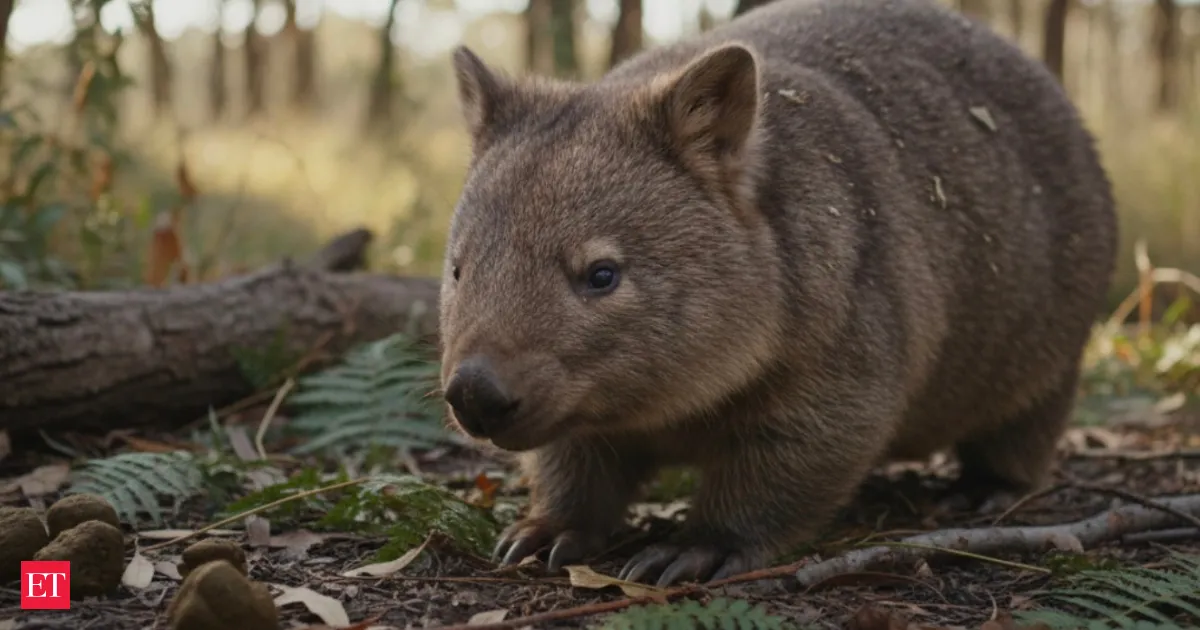
Wombats stand out in the animal kingdom for producing cube shaped feces. Researchers attribute the unusual form to biomechanics inside their digestive tracts, where alternating contractions and muscle elasticity differences, along with extended digestion and dehydration, help the waste keep its blocky shape. The cube matters for marking territory by preventing rolling and preserving scent longer.
Never miss a story
Set alerts for the topics and sources you care about. Download Beige for free.
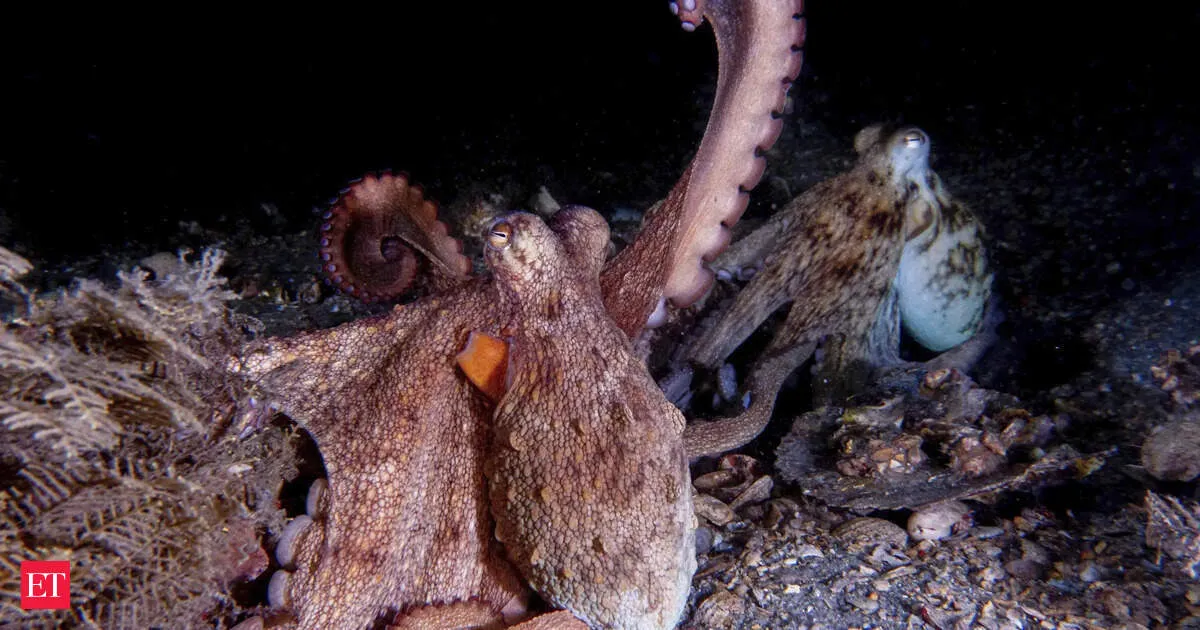
New field research suggests octopuses, unlike humans, don’t rely on a single dominant arm. Instead, they tend to use their front four arms for exploring and their rear arms more often for movement. The findings point to a flexible, redundant limb system that helps octopuses adapt and multitask in their natural habitats.
Swipe through stories, personalise your feed, and save articles for later — all on the app.