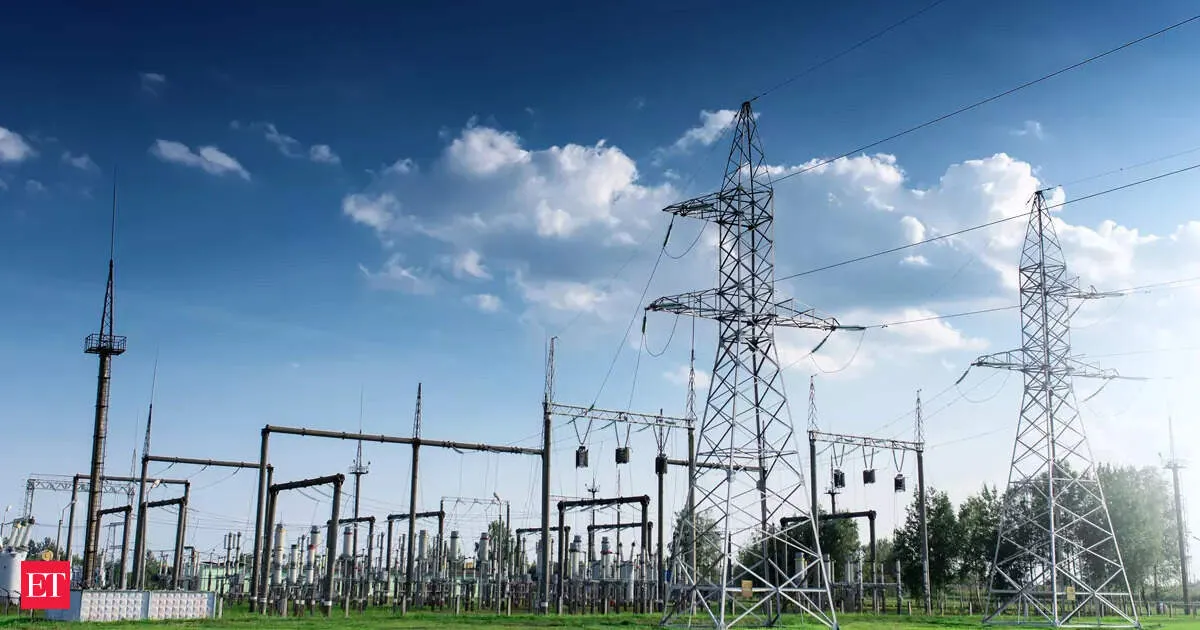
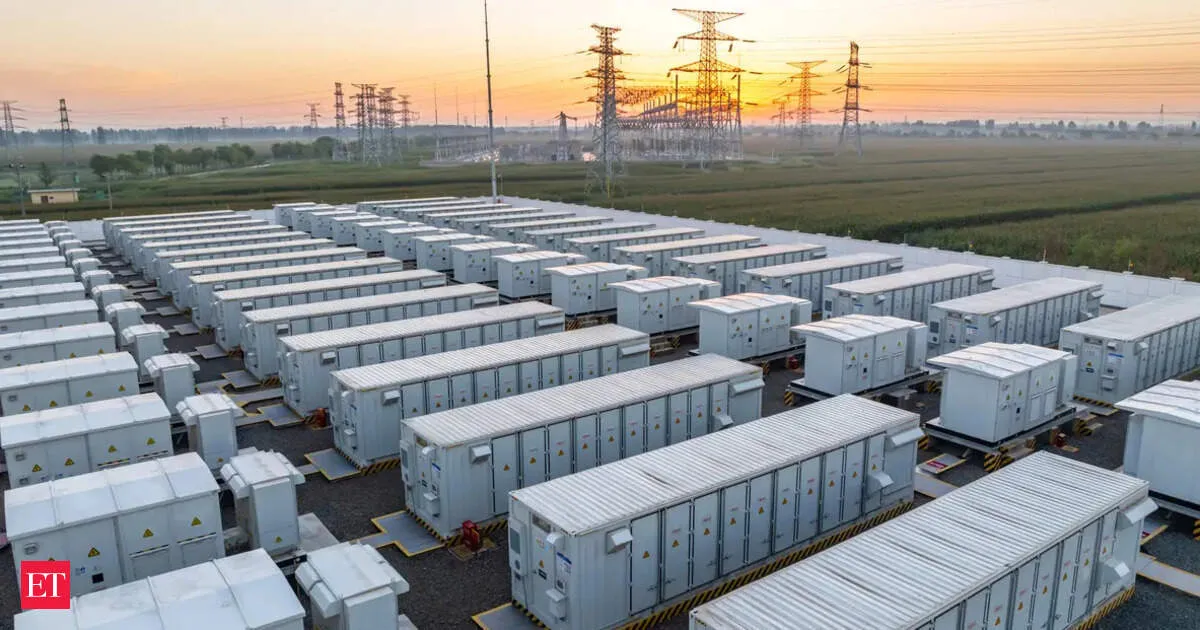
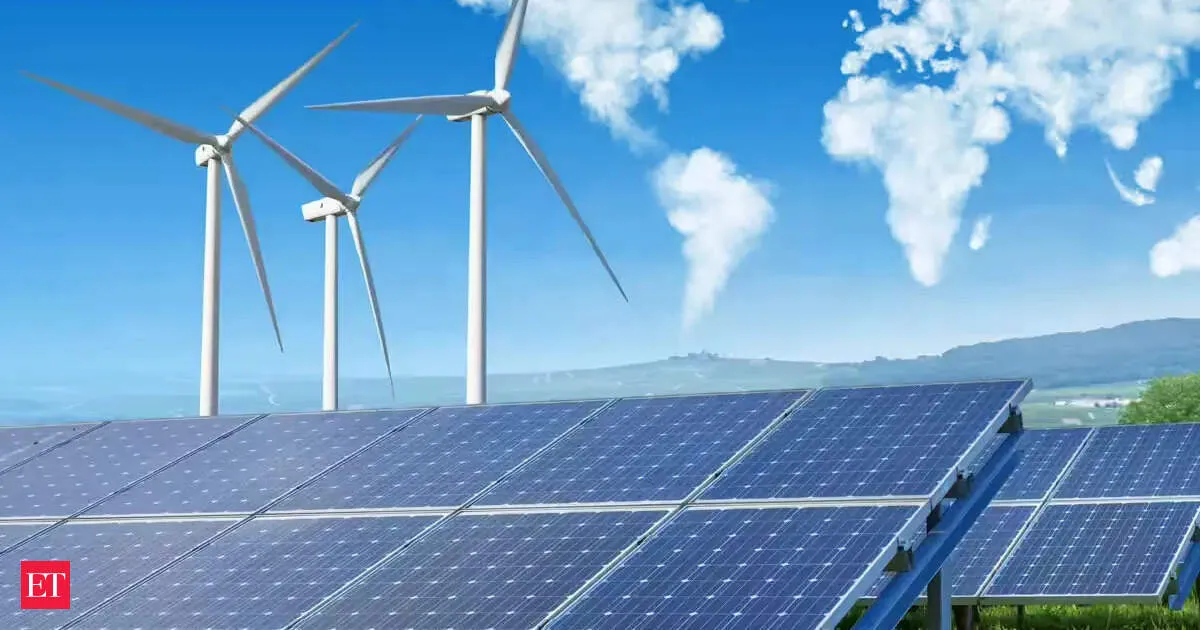
India held an inter ministerial meeting focused on speeding up battery storage rollout and grid upgrades. Officials discussed boosting transmission capacity and exploring variable time of day pricing, with the goal of expanding renewable energy adoption while improving grid stability. The talks aim to translate policy levers into faster deployment of technologies that balance fluctuating power supply.
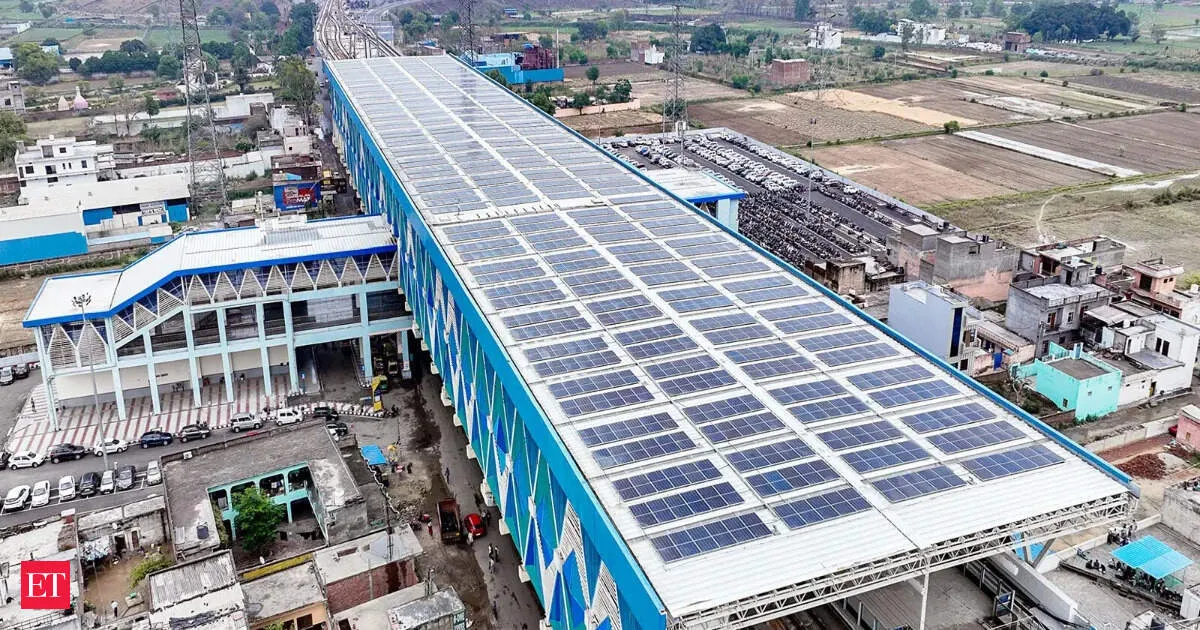
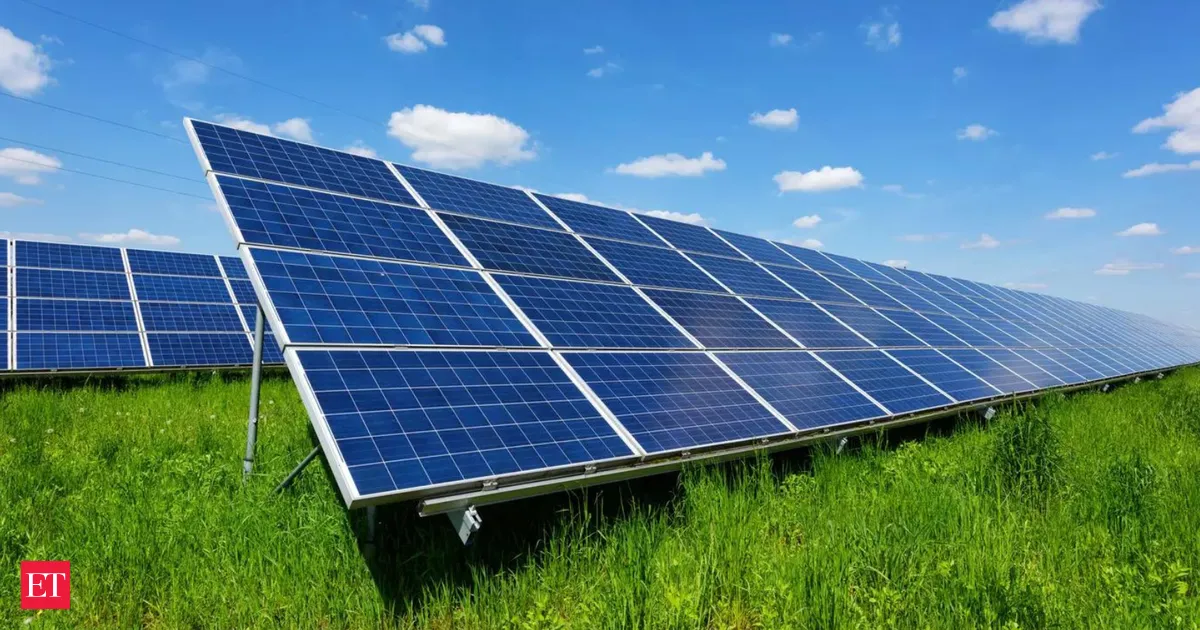
India is considering incentives to accelerate floating solar panel installations, aiming to distribute renewable generation beyond a handful of states. The move is part of a broader push to expand renewable capacity and battery storage by 2050 while supporting domestic manufacturing of solar components. Officials are also tackling renewable curtailment and strengthening grid infrastructure.
Your news, in seconds
Get the Beige app — every story in 60 words, updated hourly. Free on iOS & Android.
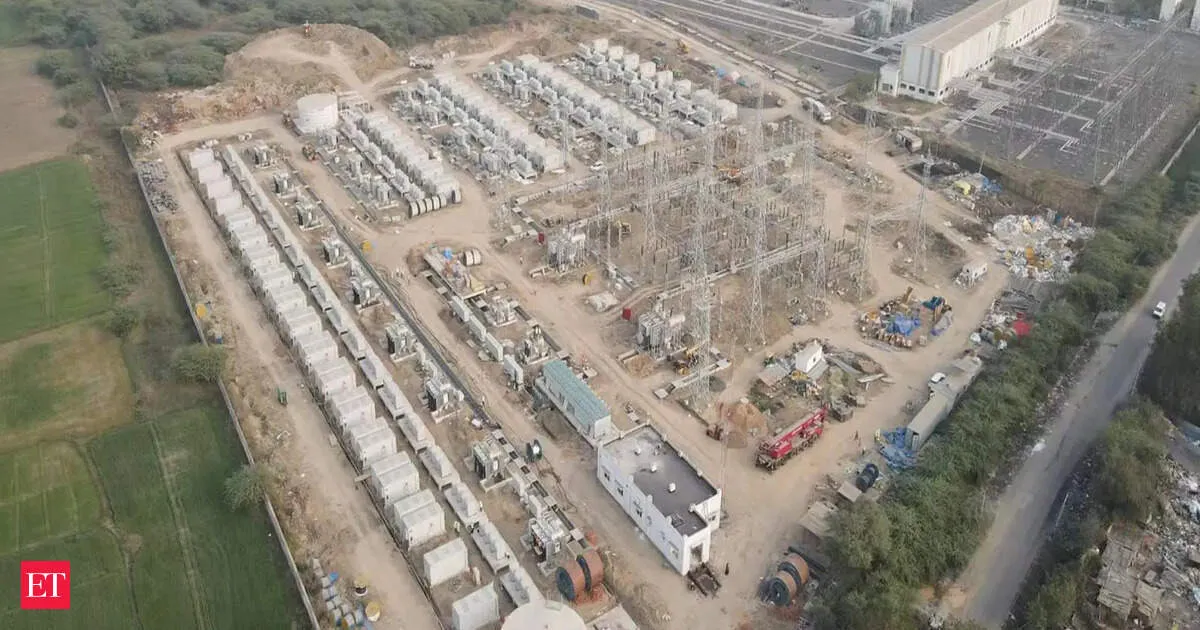
Gujarat has rolled out battery energy storage systems totaling 870 MW across five locations to keep the renewable power grid stable. The state has also registered 13 more battery projects and added BESS to Modhera, its first solar village. Officials say the move reinforces Gujarat’s leadership in India’s rapidly growing battery storage ecosystem.
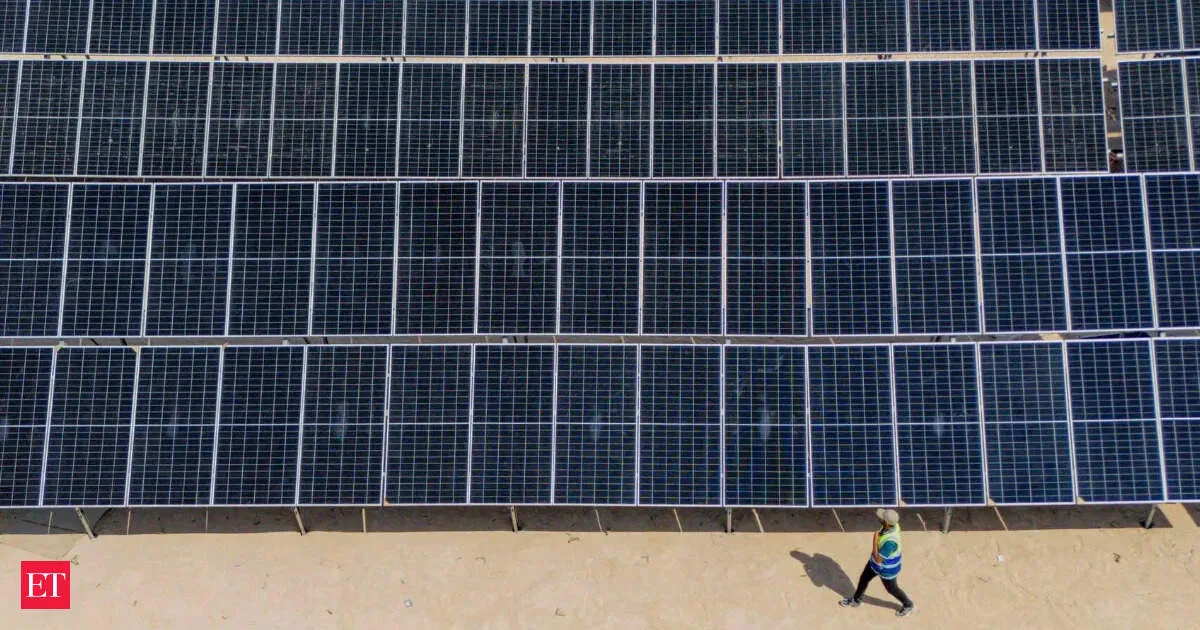
India’s strained power grid is increasingly unable to absorb surplus solar, forcing ReNew Energy Global Plc to curtail generation. The resulting power-wastage is already hitting earnings, even as the company ramps up battery storage to better match supply and demand. Rising costs tied to global disruptions are adding pressure, reshaping how future solar projects are planned.
Battery storage firms say an HSN classification muddle is driving up costs and delaying compliance for long-life projects. The sector is pushing for separate HSN codes, an approved manufacturer list, stricter local content norms, and clear rules on customs duty deferment under warehouse provisions lasting the full 12-year project life.
Energy engineering startup Kimbal Pvt Ltd raised $22 million in Series B funding led by GEF Capital Partners, with Niveshaay doubling down via a follow-on round. The company plans to invest in product development across power quality, energy management and battery storage, while advancing its Advanced Metering Infrastructure vertical and manufacturing, plus selective international expansion.
Never miss a story
Set alerts for the topics and sources you care about. Download Beige for free.
Tensions involving the U.S. and Israel with Iran are accelerating Asia’s pivot from fossil fuels toward electrification, especially electric vehicles and battery storage. The reported risk to oil and LNG supplies is driving investment and adoption, with the biggest momentum expected in two- and three-wheeler EVs and battery systems across Southeast and South Asia.
Adani Green Energy plans a major battery storage expansion, aiming to add up to 15,000 GWh of capacity each year. The company says the investment will strengthen India’s energy transition by smoothing peaks, improving reliability, and enabling round-the-clock delivery of renewable power. The scale of the rollout signals a push to make clean energy dependable as demand rises.
Adani Green Energy plans to invest Rs 15,000 crore in FY27 to add over 10 gigawatt-hours of battery storage. Built alongside its renewable energy park in Khavda, Gujarat, the storage is designed to supply power during peak demand and smooth the intermittency of renewables—effectively helping clean energy run closer to round-the-clock.
CleanMax Enviro Energy Solutions has partnered with Sangam India to supply hybrid renewable power across Rajasthan. The agreement combines solar and wind generation with battery storage, aiming to cut carbon emissions from Sangam India’s operations. The renewable setup will power five Sangam facilities in the state, supporting cleaner electricity at multiple sites through a single supply arrangement.
Reading on mobile?
Open Beige in the app for a smoother experience — free on iOS and Android.
India’s Finance Ministry is preparing discussions over customs warehousing benefits under the MOOWR scheme for imported battery storage systems. Industry groups warn the policy could tilt the market against domestic players, prompting concerns about misuse and gaps in implementation. The government plans consultations with the power and renewable energy ministries before deciding how the move fits energy security goals.
International banks are set to finance Brookfield’s 1.04 GW renewable energy project in India with $600 million. The plan blends wind, solar, and battery storage to deliver more reliable power rather than intermittent generation. Industry observers see it as another major vote of confidence for India’s expanding green power pipeline and large-scale sustainable investment.
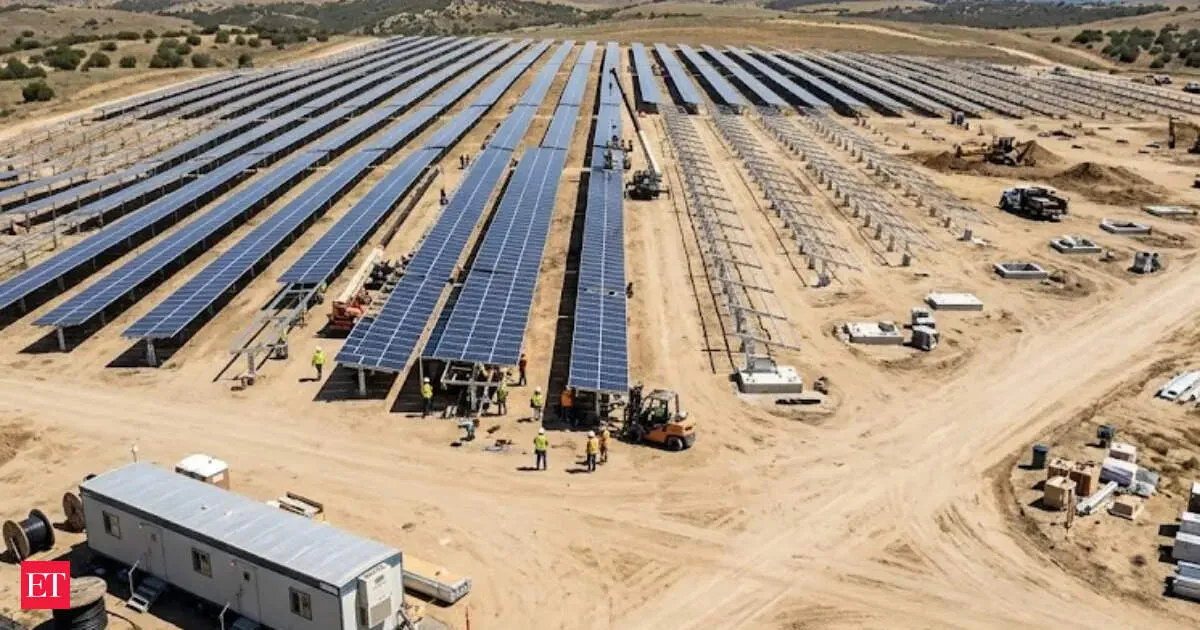
GAIL plans to invest Rs 3,800 crore to build 700 MW of solar capacity across Uttar Pradesh and Maharashtra. The plan features a 600 MW solar project in Jhansi with battery storage, alongside a 100 MW solar project in Maharashtra. The move is designed to expand GAIL’s renewable portfolio and advance its net-zero targets.
Swipe through stories, personalise your feed, and save articles for later — all on the app.