Fintech startup Parker, known for corporate credit cards and banking services, has filed for bankruptcy and is widely reported to have shut down. The move follows a period when the company was considered well-funded, leaving customers and partners uncertain about account access, ongoing obligations, and what happens to existing balances and services.
Canara Bank has invited bids to sell a ₹509.37 crore loan extended to Rajesh Exports, treating it as distressed debt. The lender is moving ahead while it awaits a decision on its bankruptcy plea against the gold jewellery firm. If buyers step in, Canara Bank aims to recover dues tied to its exposure to the struggling business.
Your news, in seconds
Get the Beige app — every story in 60 words, updated hourly. Free on iOS & Android.
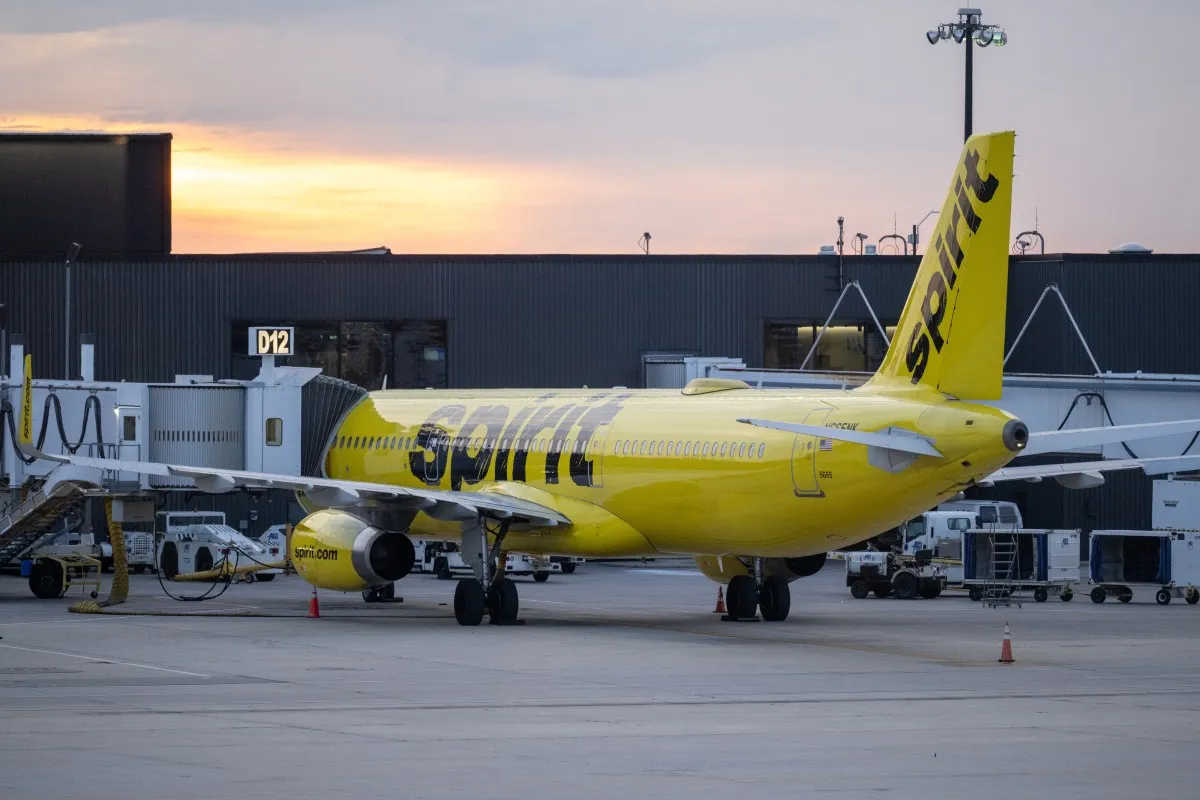
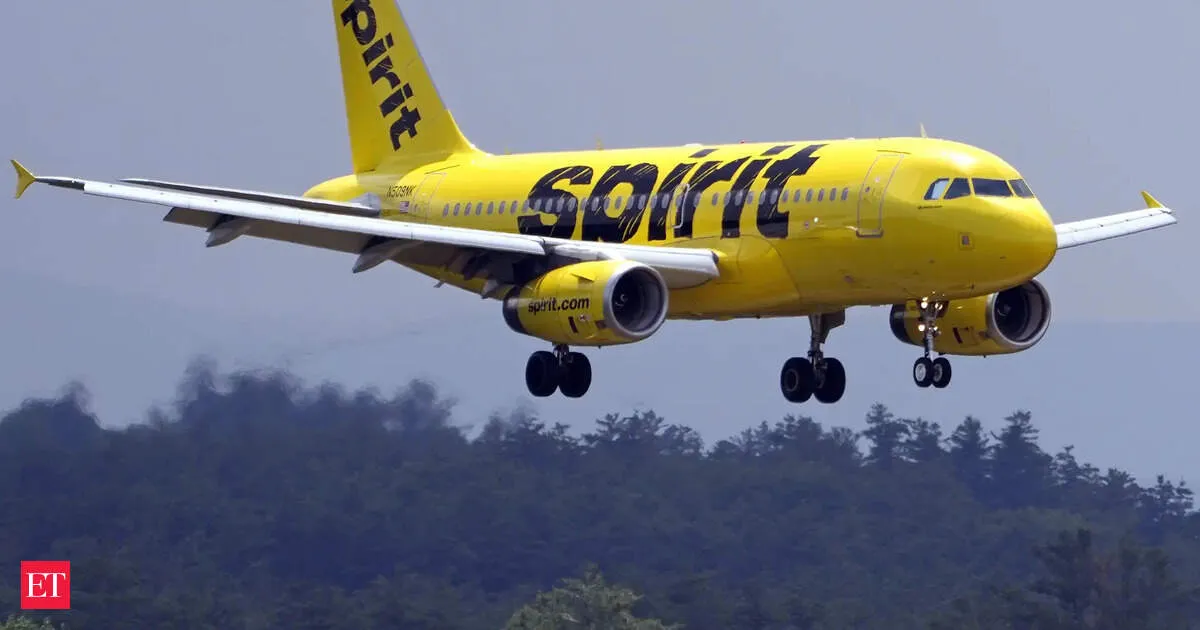
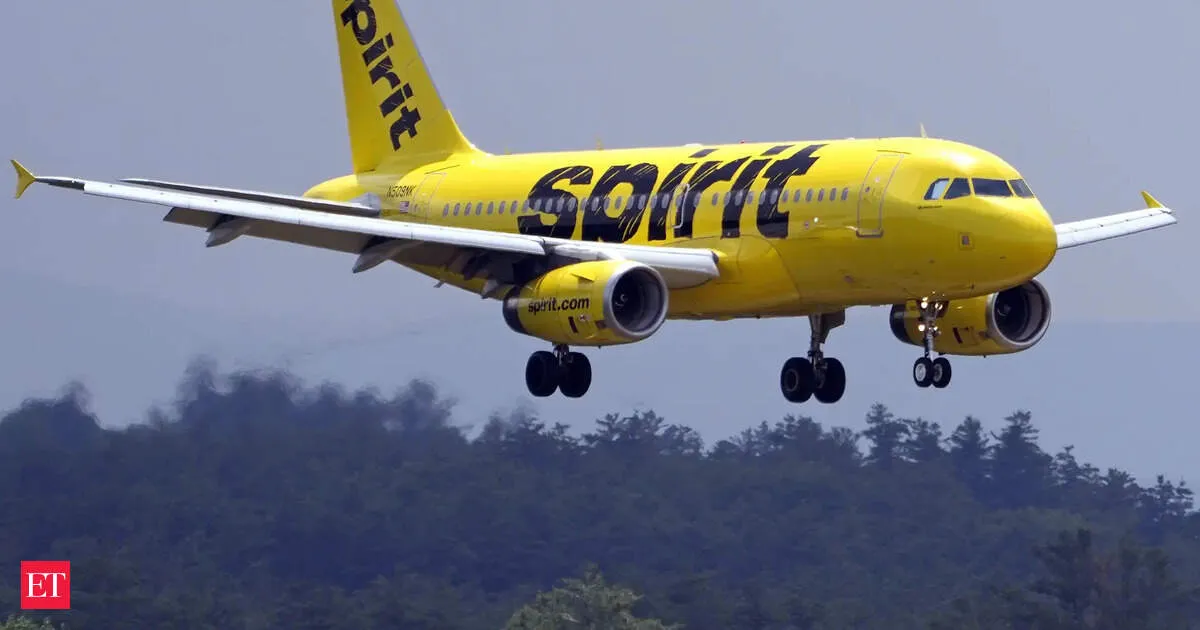
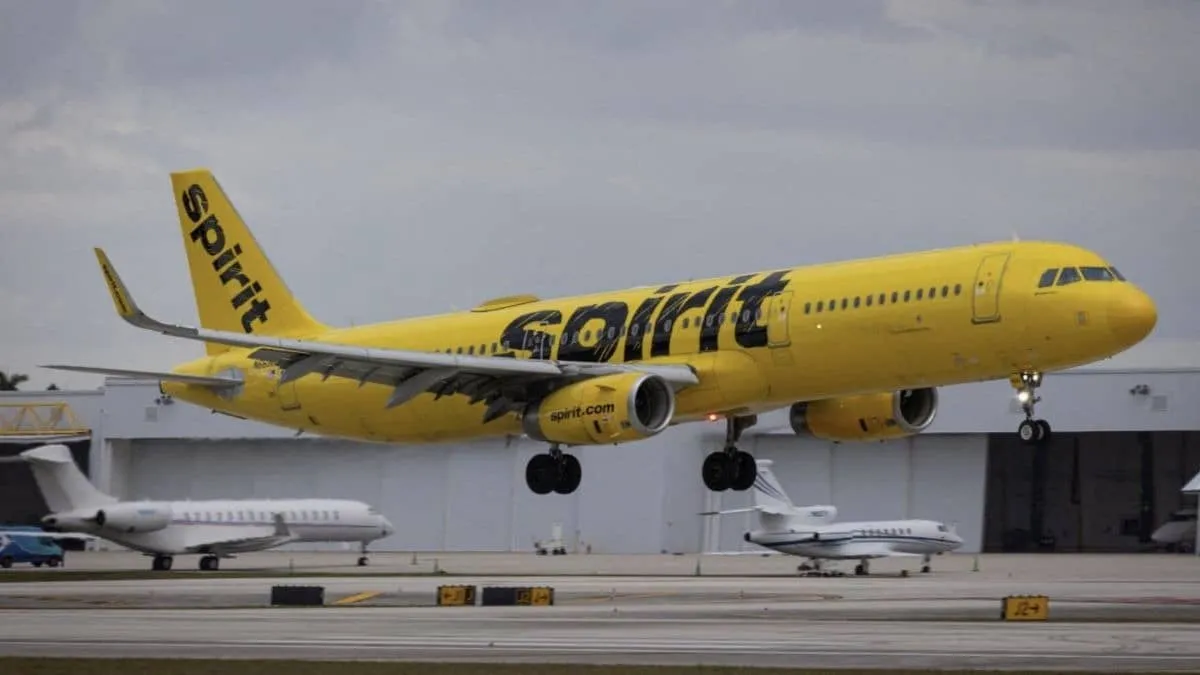
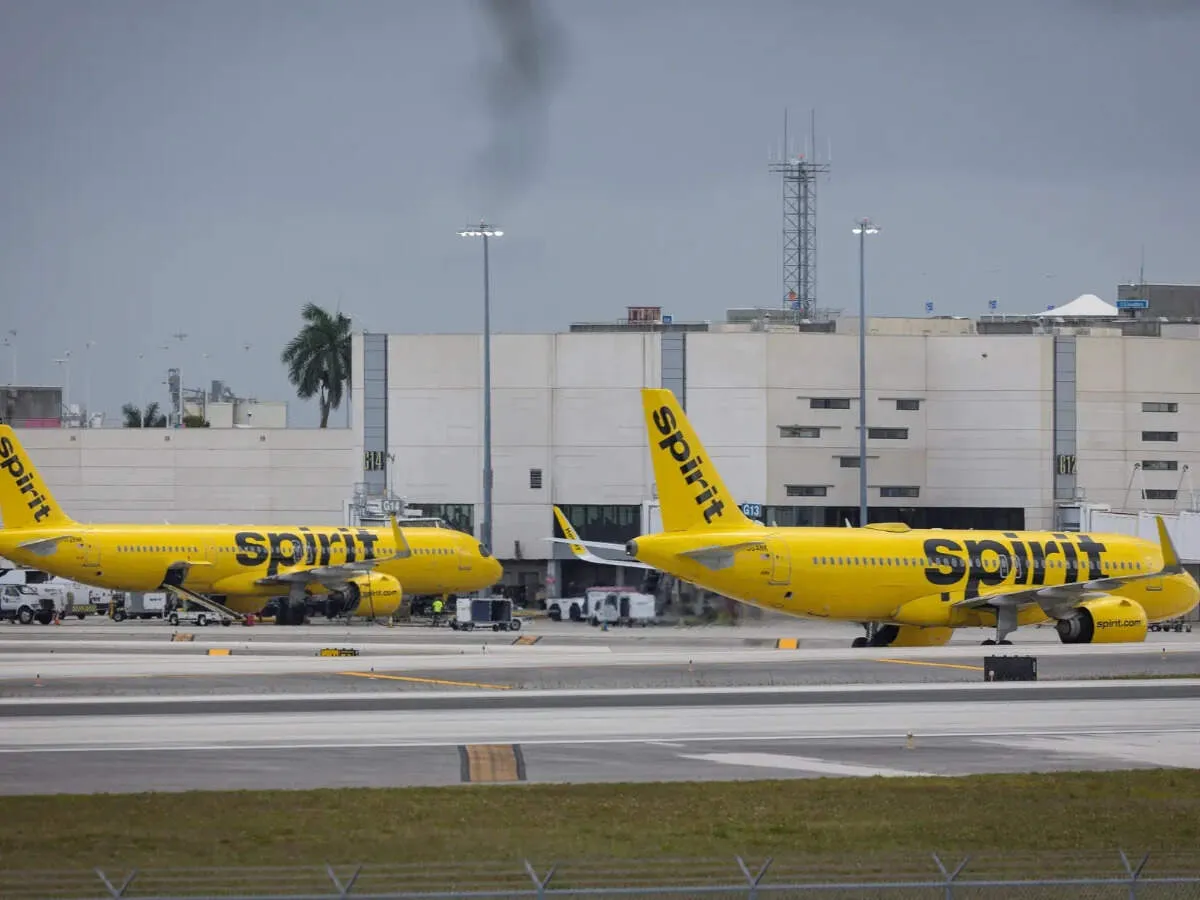
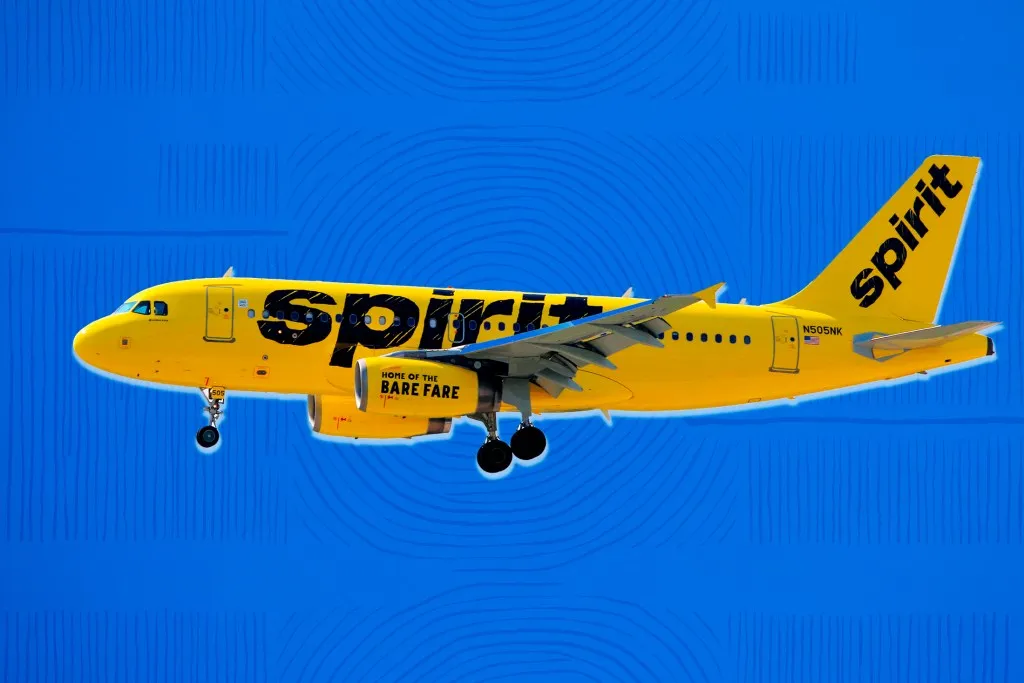
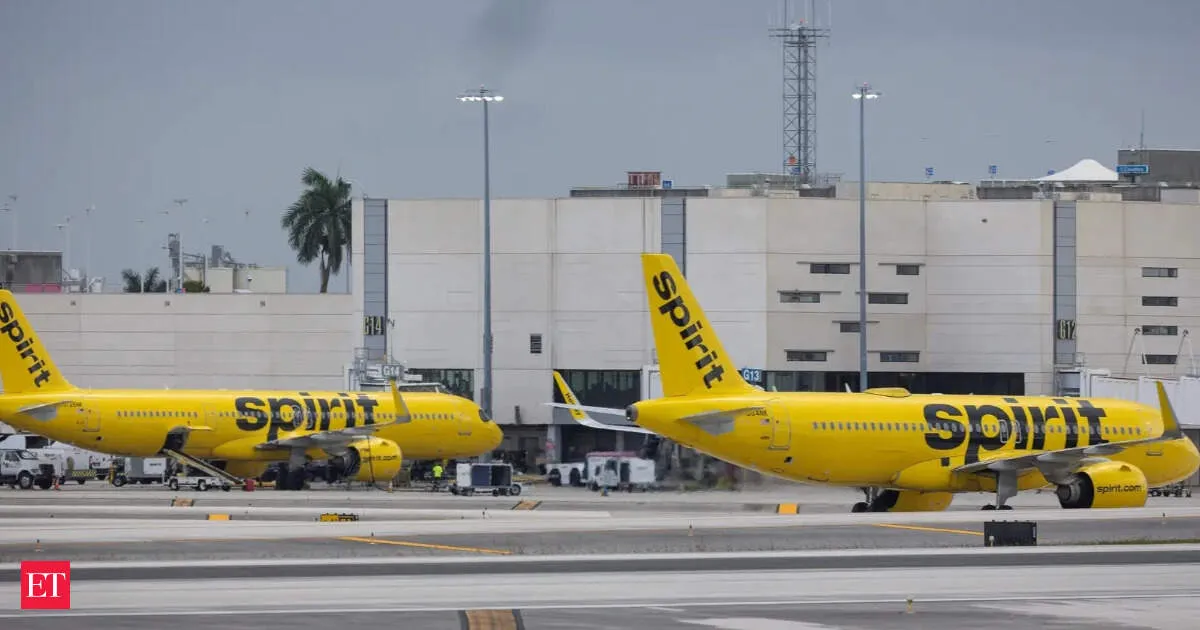
Spirit Airlines has ceased all operations after running out of funding, grounding its aircraft and leaving passengers stranded while refunds are processed. The shutdown puts about 17,000 jobs at risk and follows years of bankruptcies and financial setbacks. Executives blamed spiraling operational costs, with jet fuel rising sharply since the US-Iran tensions, hitting low-cost carriers hardest.
After Spirit Airlines’ abrupt weekend collapse, a TikToker created a quick crowdfunding-style website to rally pledges to buy the airline. He called it a “janky” one-hour build, yet by Sunday 36,000 “founding patrons” had pledged nearly $23 million—overwhelming his servers in the process.
Spirit Airlines is shutting down and has grounded flights, with around $2 billion in debt cited as a key blow. But a restructuring plan hinged on jet fuel staying near $2.24 per gallon in 2026. The Iran conflict reportedly drove fuel to $4.51 overnight, adding roughly $360 million in costs and sealing the airline’s fate.
Low-cost carrier Spirit Airlines has stopped operations immediately, canceling all flights. The airline points to years of financial trouble alongside rising jet fuel costs. Travelers are told not to go to the airport. Refunds will be handled through credit or debit card payments, while any additional compensation will likely be decided later in bankruptcy court.
Never miss a story
Set alerts for the topics and sources you care about. Download Beige for free.
American low-cost carrier Spirit Airlines has shut down operations after filing for bankruptcy, becoming the first major airline hit by the Iran war. The airline cited soaring jet fuel costs, which doubled over a two-month period, and said it couldn’t secure creditor backing for a U.S. government bailout plan. The collapse is expected to impact thousands of jobs.
Spirit Airlines has shut down all flights effective immediately, canceling schedules and urging passengers to avoid airports. The company points to failed restructuring efforts compounded by a sharp rise in oil prices and mounting operational strain. With additional funding no longer obtainable, Spirit says it cannot continue operations, leaving travelers facing sudden disruptions.
Spirit Airlines has filed for bankruptcy twice in recent years and now faces potential liquidation, a dramatic fall for a carrier that marketed itself as low-cost and nimble. The latest trouble comes as Spirit struggles against major airlines with stronger networks, deeper financing, and pricing power—leaving it unable to reliably recover or stabilize operations.
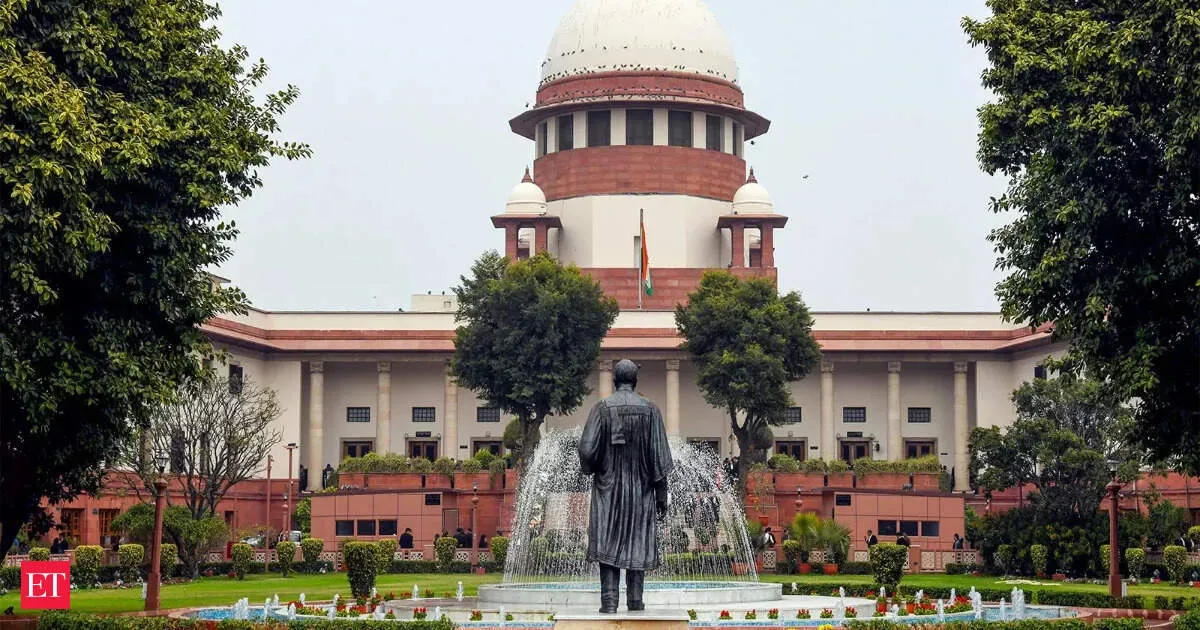
The Supreme Court has reinstated the SBI-led consortium as financial creditors in Reliance Infratel’s insolvency, restoring their rights over a ₹3,628 crore claim. Overturning lower tribunal rulings, the court ordered a reconstituted committee of creditors, adding six banks as financial creditors. It also held that corporate guarantees qualify as financial debt under the Insolvency and Bankruptcy Code.
Reading on mobile?
Open Beige in the app for a smoother experience — free on iOS and Android.
The US government is exploring a plan to support Spirit Airlines, including the possibility of using the Defense Production Act to unlock financial assistance. The goal is to keep the airline running for passengers and staff while Spirit seeks urgent new funding. A court hearing is set to review the bankruptcy exit plan as creditors assess the administration’s offer.
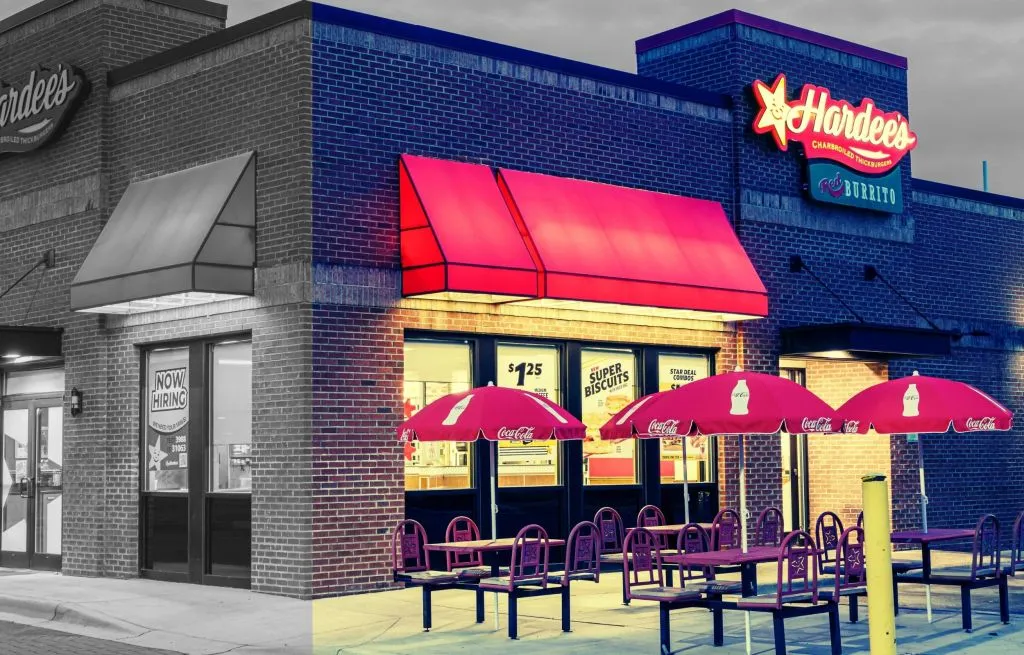
ARC Burger shut down 77 Hardee’s locations across nine states, closing permanently in December and laying off 1,600+ employees. The franchisee behind the closures is now filing for bankruptcy, raising questions about how quickly remaining operators could recover and what happens to suppliers, lease commitments, and affected staff.
India’s bankruptcy process under the IBC is plagued by long delays, with cases lingering for years. RBI now proposes tightening timelines by changing key wording: moving from “may” to “shall” for whether authorities admit insolvency applications. An amendment bill incorporating the regulator’s suggestions is expected to be tabled in the upcoming budget session.
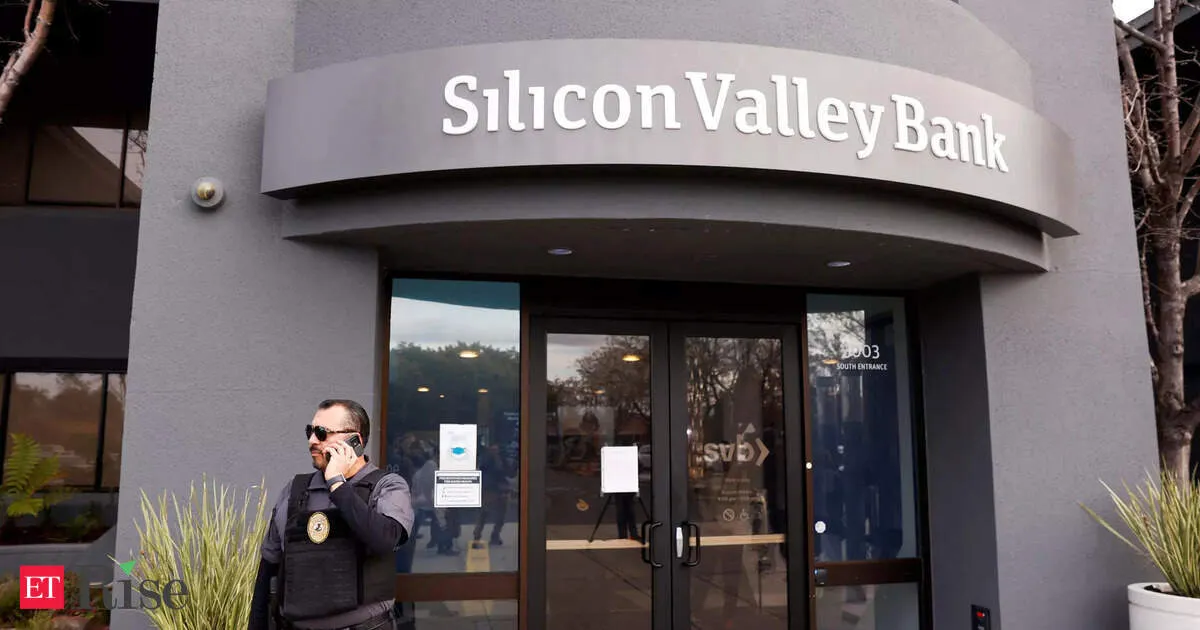
Silicon Valley Bank’s sudden collapse is sending shockwaves across global finance, with clients in multiple jurisdictions now asking what legal risks may follow. From contract and creditor questions to regulatory and dispute pathways, the fallout could affect businesses tied to SVB internationally, including India. Legal experts are urging clients to review agreements, claims timelines, and governance obligations as investigations and settlements unfold.
Follow your favourite sources
Track sources, tags and categories — all in the Beige app.
The IBBI has amended its insolvency regulations to permit the same resolution professional to handle both a distressed firm’s resolution and the bankruptcy proceedings of its personal guarantors. By removing the earlier restriction on dual roles, the watchdog says the move will harmonize timelines, decision-making, and coordination across the two linked processes.
What began as a likely win for Ranjan Pai in the battle over Byju’s assets has escalated into a high-stakes billionaire showdown. Ronnie Screwvala’s sudden entry turns a perceived walkover into a contested fight, with both investors bringing significant education-linked interests. The outcome could reshape control of assets tied to the collapsed ed-tech giant.
Vodafone Idea is weighing whether bankruptcy could be better than continuing with a lifeline that includes a fresh equity issuance to the government. The move would raise state ownership to roughly 49%, reshaping control and future funding prospects as the telecom faces mounting financial stress and investor uncertainty.
Swipe through stories, personalise your feed, and save articles for later — all on the app.