UK financial authorities are urging firms to prepare for risks from frontier AI models, saying their cyber capabilities can exceed what skilled human practitioners achieve. In a joint statement, the finance ministry, the Bank of England and the Financial Conduct Authority warned that if these systems are used maliciously, they could amplify threats to firms’ safety, customer protection, market integrity and financial stability. Regulators also pointed to concerns raised by BoE governor Andrew Bailey about Anthropic’s Mythos product.
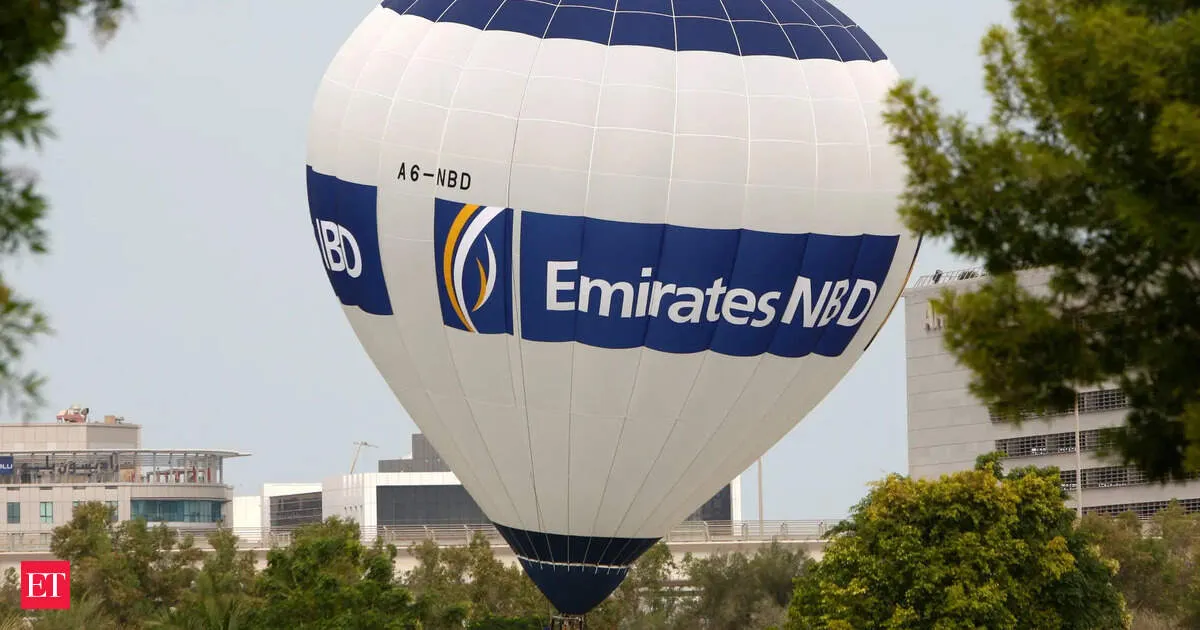
Emirates NBD has received all required approvals, including from the Government of India, to acquire a majority controlling stake in RBL Bank. First announced on October 18, 2025, the deal involves Emirates NBD subscribing to about 959 million fully paid equity shares via a preferential issue at ₹280 each, totaling roughly $3 billion. The investment is expected to position Emirates NBD as promoter, with final ownership potentially ranging from 51% to 74% after foreign ownership limits and a mandatory open offer. RBL will operate as a foreign bank subsidiary, with Emirates NBD’s India branch operations in Mumbai, Chennai, and Gurugram potentially amalgamated subject to further clearances.
Your news, in seconds
Get the Beige app — every story in 60 words, updated hourly. Free on iOS & Android.
Indian banks are showing financial stability even as profit margins come under pressure after the RBI’s December 2025 repo rate cut, according to Systematix Institutional Equities. The report notes that lower lending rates have reduced banks’ interest income, dragging net interest margins, though slippages remain broadly controlled. Asset quality in January-March FY26 stayed stable across most banks, while deposit growth remained healthy and loan growth continued to hold up. Banks are also preparing for new ECL credit-loss rules.
Markets extended their rebound for a second straight session on supportive global cues and selective buying in heavyweight stocks, with banking shares driving the relief. IT stocks, however, stayed under pressure. Multiple firms drew attention ahead of earnings: Power Grid, Tata Steel, SAIL, Hindustan Copper, Cochin Shipyard, Premier Energies, Godfrey Phillips and ITC Hotels. Adani Enterprises saw a massive block trade, Tata Motors PV reported a steep profit drop, while JSW Steel and Jio Financial posted sharp financial and deal-linked moves.
Bank of America has named UBS investment banker Richard Hardegree as its new vice chair for mergers and acquisitions, according to an internal memo Reuters reviewed. Hardegree, who has more than 30 years of M&A experience and previously led technology investment banking at UBS, will join the bank in August and be based in Palo Alto. He will focus on semiconductors and report to Bank of America’s co-heads of global M&A, signaling a push to expand tech deal market share. The memo also cites booming deal momentum into 2026.
The Reserve Bank of India has cancelled the registrations of 150 non-banking financial companies, effectively barring them from conducting financial business. The highest number of affected firms are registered in Delhi (about 67) and West Bengal (about 75). The move, taken under the RBI Act, 1934, impacts lending, leasing, and investment activities tied to these NBFCs.
Never miss a story
Set alerts for the topics and sources you care about. Download Beige for free.
Australian shares edged flat as a bank rebound helped offset wider market weakness. Investors remain focused on upcoming US China summit developments, with expectations kept deliberately low. Traders are looking less for big breakthroughs and more for reassurance—especially around extending the existing trade tariff truce and avoiding sudden surprises.
The National Company Law Tribunal has admitted Canara Bank’s insolvency petition against Supreme Housing and Hospitality. The real estate firm is reportedly in default of more than Rs 567 crore. The case comes after multiple settlement attempts failed and years of litigation left the dispute unresolved, paving the way for insolvency proceedings.
Bank of Baroda, India’s second-biggest state lender, says it aims to double its balance sheet within five years. CEO Debadatta Chand points to expected economic growth, rising credit demand, and a push into fee-based income. He also argues that scale and capital strength will be crucial as policymakers discuss creating even larger state-run banks.
India’s biggest banks are publishing increasing climate disclosures, but the data is not being used to steer lending decisions. As physical risks like flooding and extreme heat intensify, they threaten loan portfolios. Only a small number conduct climate stress tests or reduce coal exposure. The RBI supplies information but has not made disclosures mandatory, raising fears of financial instability and stranded assets.
Reading on mobile?
Open Beige in the app for a smoother experience — free on iOS and Android.
MSCI has announced major changes to its indices, naming Federal Bank, Indian Bank, Multi Commodity Exchange of India and Nalco for inclusion in the Global Standard Index. The additions are expected to attract meaningful inflows as index-linked funds rebalance. However, Adani Energy Solutions has been excluded after MSCI flagged surveillance concerns.
Shivalik Small Bank has received Reserve Bank of India approval to acquire ManiBhavnam Home Finance, sources say. The bank is now seeking clearance from the Registrar of Companies, a step expected to complete the process. The proposed deal reportedly combines share swaps with a cash payment, pointing to a structured transfer rather than a simple purchase.
A new framework for outward remittances eases the process for NBFCs handling dealer tie-ups. Instead of seeking prior RBI approval, the regulatory emphasis shifts to what happens after onboarding—stronger compliance, transparency, and consumer protection obligations enforced at the regulated banks facilitating these transactions.
SEBI has clarified that Indian banks and brokers will not be held liable for taxes owed by offshore funds, as two sources familiar with the development said. The move removes a key compliance hurdle that had slowed fund launches after earlier fears that local representatives could face penalties for clients tax demands. The clarification is expected to unblock new foreign investments.
Follow your favourite sources
Track sources, tags and categories — all in the Beige app.
Indian benchmark indices showed resilience but ended nearly flat in a volatile session. The Nifty 50 hovered around 23,400 with a broader market tilt toward decliners. The Sensex struggled as banking dragged sentiment. A major driver was Titan, which saw heavy selling after import tariffs were raised, while select FMCG and pharma stocks offered limited support.
State Bank of India shares have extended their decline, now down more than 20% from their peak, after Q4 results showed margin contraction and a sequential fall in net interest income. While investors react to the weaker trajectory, multiple brokerages continue to back the stock with revised targets, pointing to enduring fundamentals and a sustained “Buy” stance.
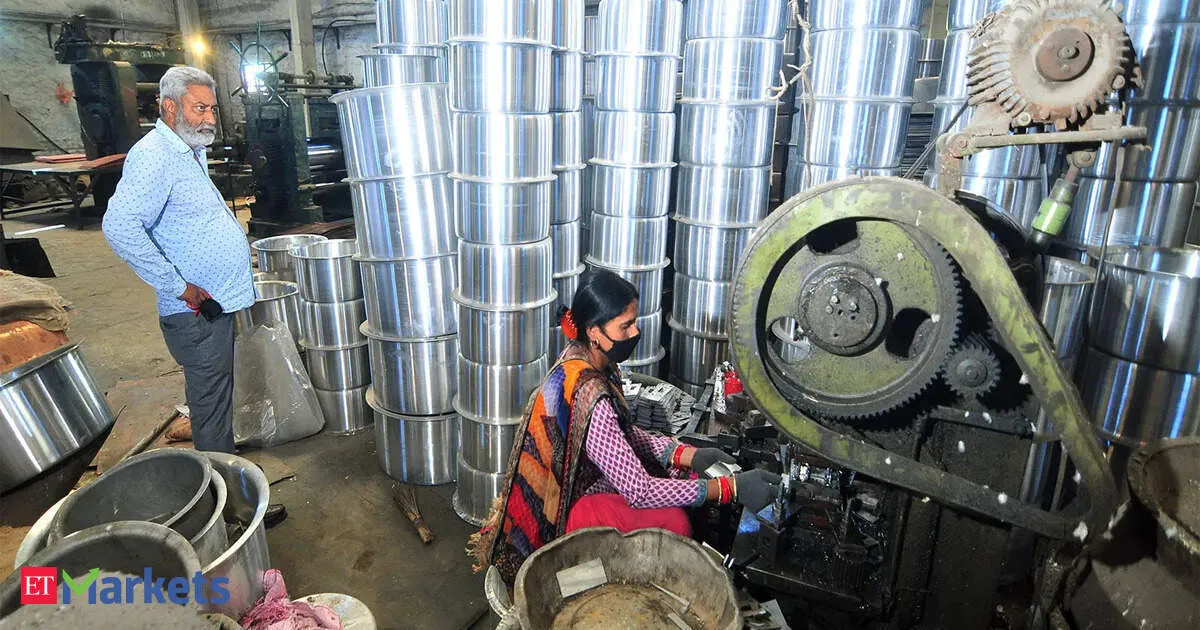
The government’s Emergency Credit Line Guarantee Scheme 5.0 is designed to strengthen credit availability, especially via mid-sized banks with heavy exposure to micro, small and medium enterprises. By using government guarantees to reduce lender risk, the scheme is expected to unlock more lending and improve the flow of funds to a sector central to jobs and growth.
Indian banks are gearing up for robust double digit corporate credit growth this fiscal year, driven by faster demand from infrastructure, renewable energy, manufacturing, and data centre projects. Lenders including SBI and Bank of Baroda report healthy loan pipelines, signaling an upbeat outlook for business lending. Yet, sustaining the momentum hinges on managing liquidity pressures.
Stay informed on the go
Bite-sized news from 100+ trusted sources, right in your pocket.
Canara Bank reported a 10% dip in net profit last quarter, driven mainly by treasury losses. The lender says it will lean on core income to protect net interest margins while funding stays healthy. Management expects advances to grow 11-12% and deposits 9-10% this year, with asset quality holding up through a low slippage ratio.
Community Bank disclosed a cybersecurity incident after customer information was shared with an AI app. The exposed data included customers’ names, dates of birth, and Social Security numbers. The bank, serving Pennsylvania, Ohio, and West Virginia, says it discovered and reported the issue as it investigates potential impact and works to secure systems going forward.
Swipe through stories, personalise your feed, and save articles for later — all on the app.