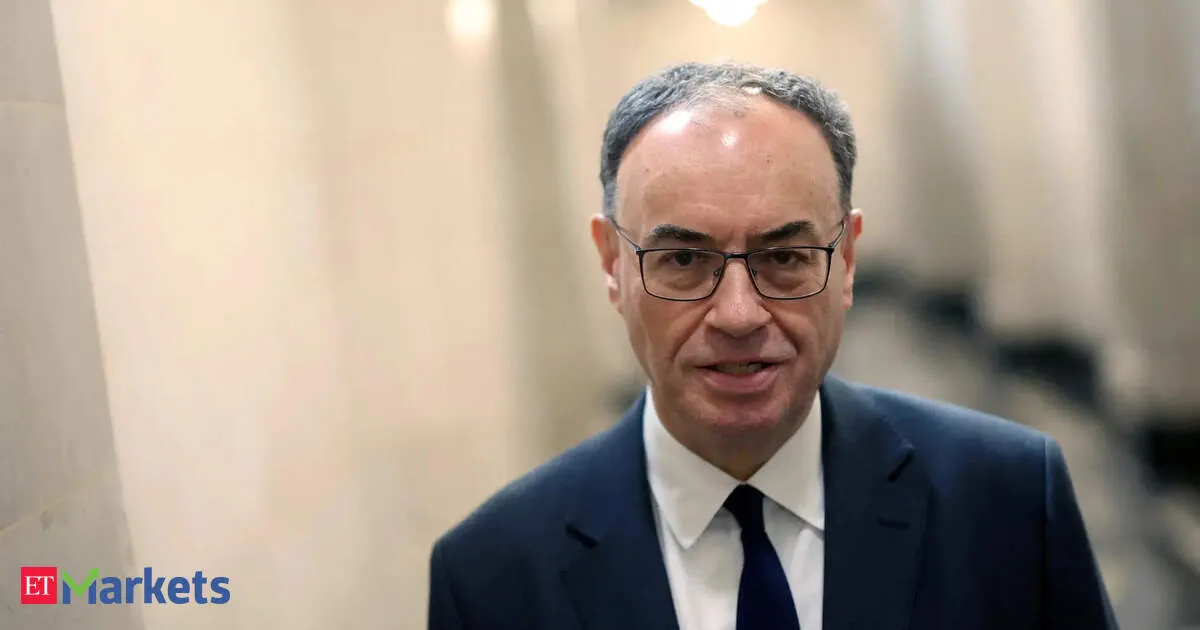
Bank of England Governor Andrew Bailey says the world should expect a “wrestle” between US policy and international regulators over stablecoins, which he views as a potential financial stability risk. Bailey argues some US-issued stablecoins may not be easily converted into dollars without routing through crypto exchanges, limiting access during crises. He also warns that if stablecoins become widely used for cross-border payments, hard-to-convert tokens could flow to jurisdictions like Britain, which promise stronger convertibility obligations.
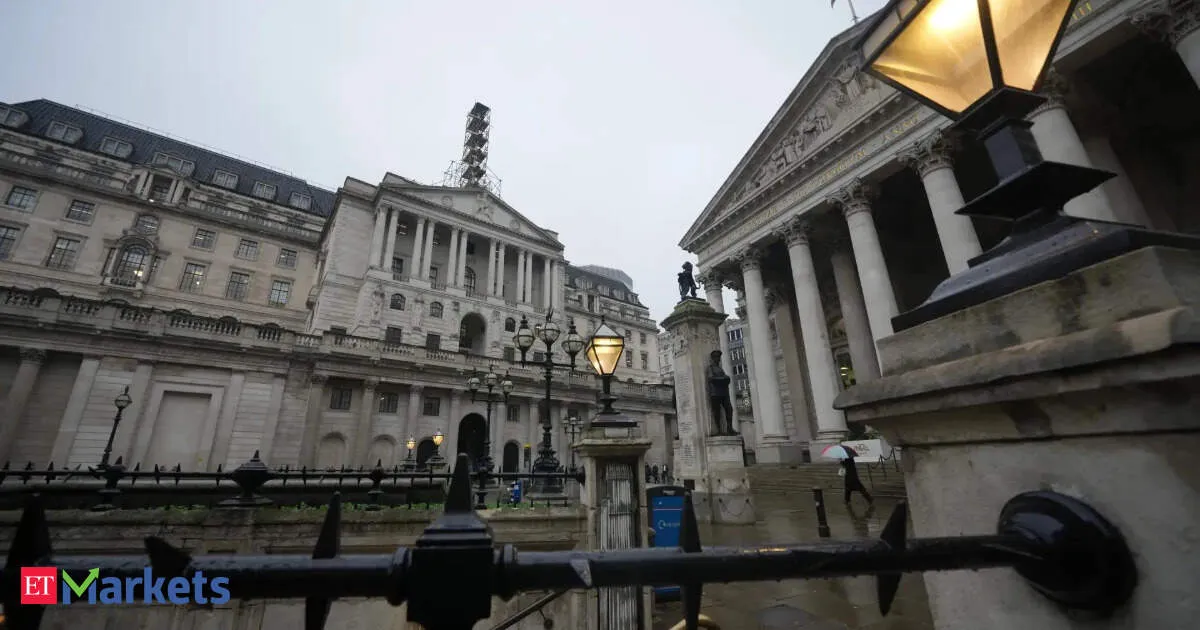
The Bank of England kept interest rates unchanged and laid out multiple scenarios for how the Iran war could affect the UK economy. While baseline conditions remain manageable, the central bank warned that in a more severe path, inflation pressure could intensify—potentially requiring a forceful rise in borrowing costs to restore stability.
Your news, in seconds
Get the Beige app — every story in 60 words, updated hourly. Free on iOS & Android.
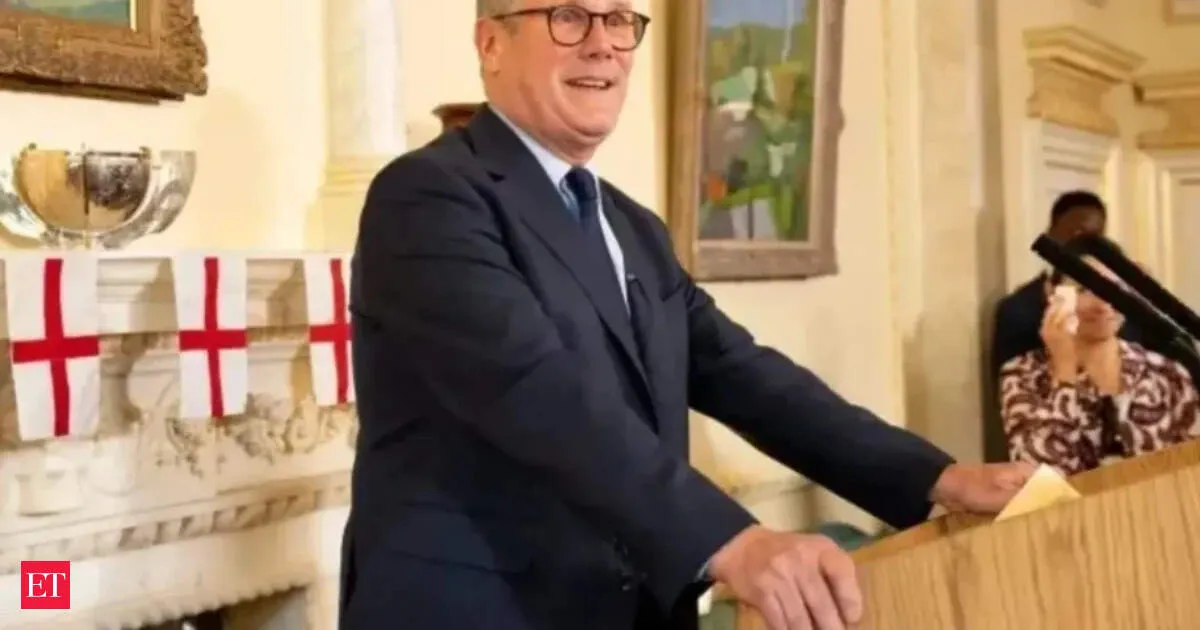
UK Prime Minister Keir Starmer is set to convene a Cobra meeting with Bank of England officials to address the economic fallout from the war in Iran. Ahead of the talks, he told trade union members that working people will be supported, but cautioned that higher fuel prices and other economic impacts may linger for some time.
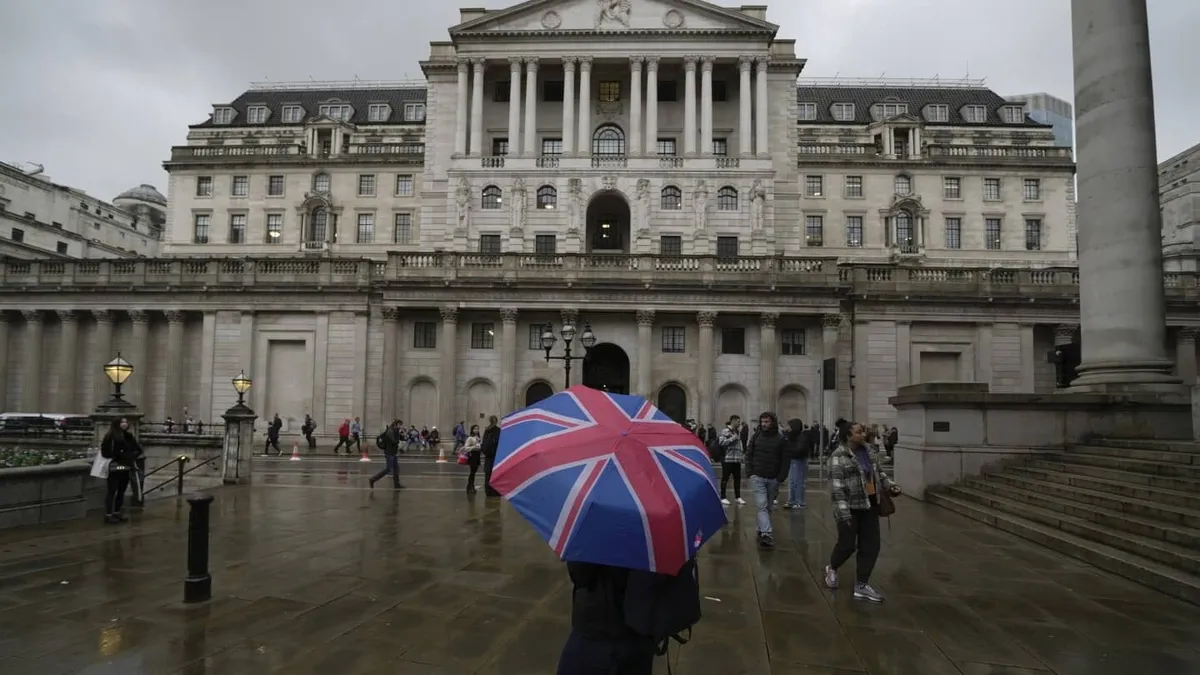
The Bank of England is widely expected to keep interest rates at 3.75% this Thursday, using the meeting to gauge how the Iran war may harm Britain’s economy. Even as Governor Andrew Bailey warns against rushing decisions, UK inflation remains the highest in the G7, pushing investors to price in possible rate hikes as early as July.
Swipe through stories, personalise your feed, and save articles for later — all on the app.