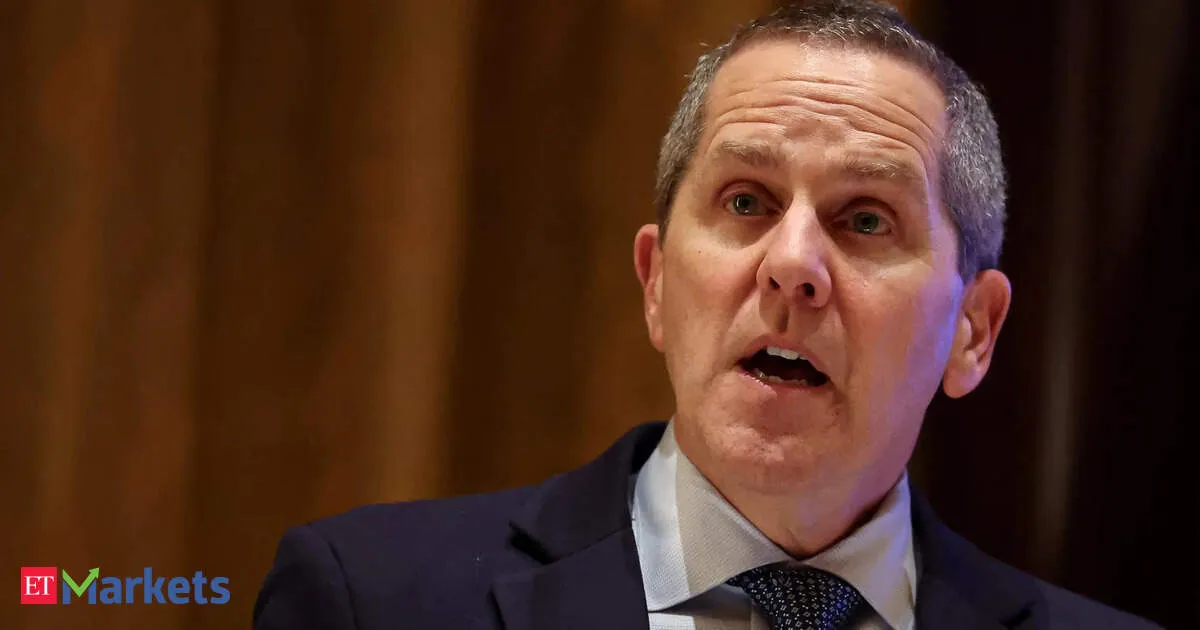
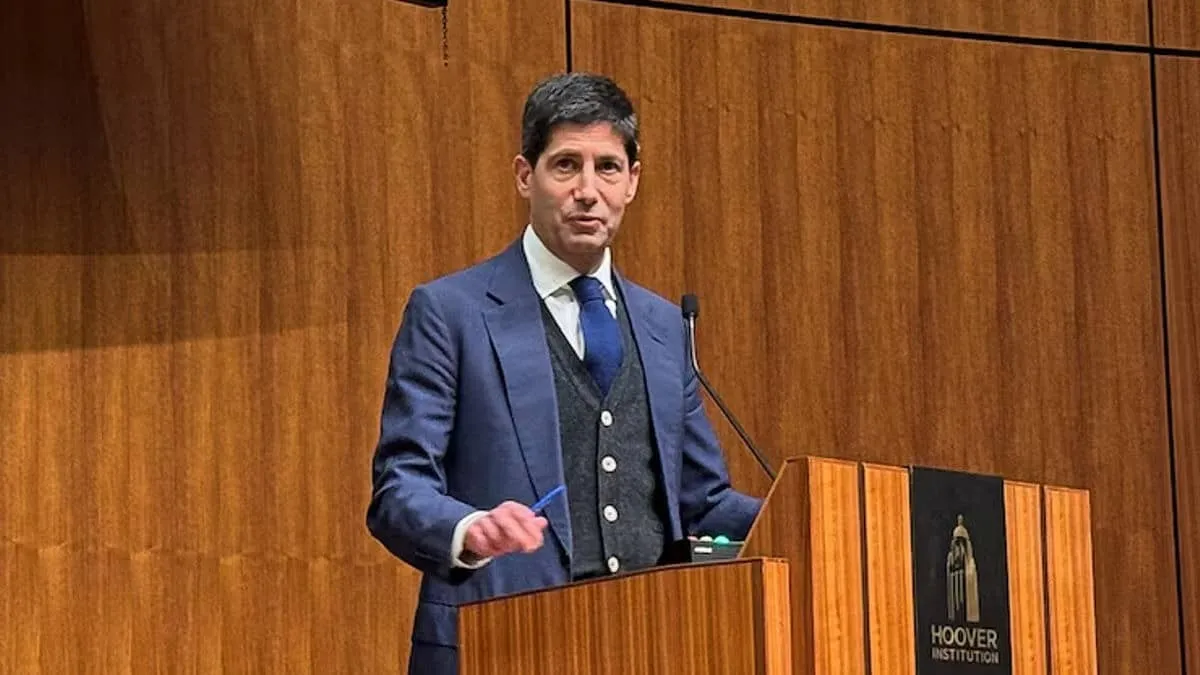
Federal Reserve Governor Michael Barr urged policymakers to avoid shrinking the Fed’s balance sheet by easing bank liquidity requirements. He warned such changes could weaken financial resilience, disrupt money market functioning, and raise the chance that banks would need emergency central bank support during stress. Barr pointed to the 2023 banking turmoil as evidence regulators should strengthen, not loosen, liquidity buffers. His remarks arrive as debate intensifies over a possible future Fed direction under Kevin Warsh, who favors a smaller balance sheet and argues it could create more space to cut rates.
Bank of Baroda, India’s second-biggest state lender, says it aims to double its balance sheet within five years. CEO Debadatta Chand points to expected economic growth, rising credit demand, and a push into fee-based income. He also argues that scale and capital strength will be crucial as policymakers discuss creating even larger state-run banks.
Your news, in seconds
Get the Beige app — every story in 60 words, updated hourly. Free on iOS & Android.
In his Senate confirmation hearing, Kevin Warsh pledged to preserve the Federal Reserve’s independence and to set monetary policy strictly based on economic data. He also signaled support for balance sheet reductions, framing them as a policy path guided by conditions rather than political pressure—amid heightened scrutiny of the next Fed chair’s approach to rates and credibility.
Swipe through stories, personalise your feed, and save articles for later — all on the app.