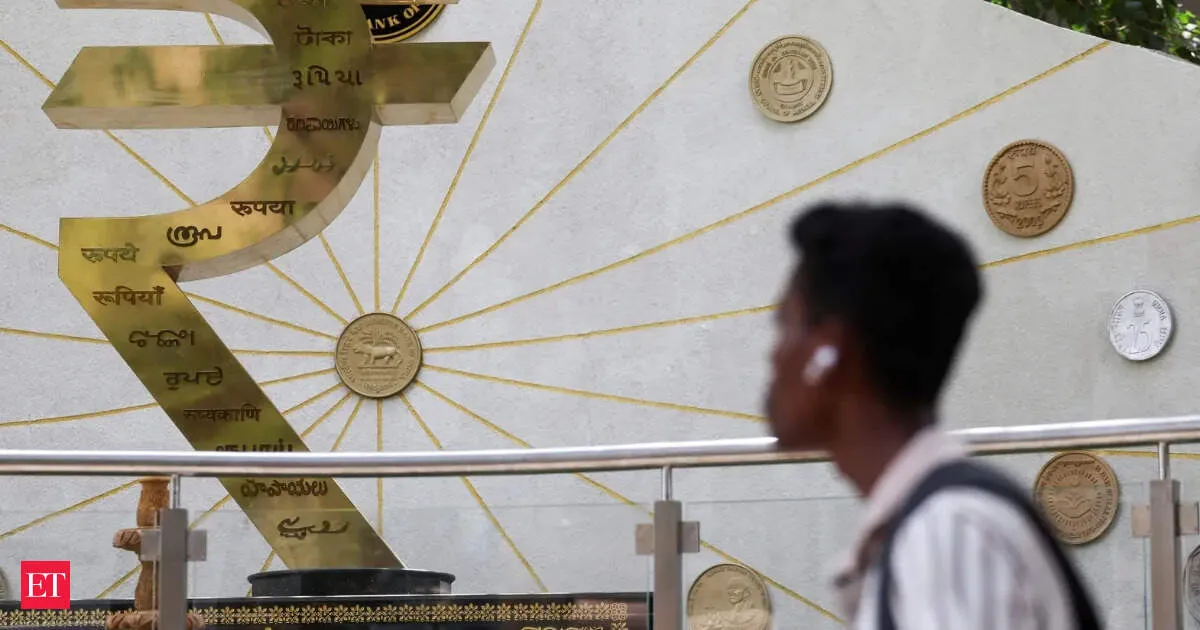
The Indian rupee slid to record lows, dipping below the crucial 96 level in intraday trade and weakening to 96.05 per US dollar, after briefly touching a fresh trough near 96.14. Analysts pointed to a mix of forces: higher Brent crude prices, a firmer US dollar, and hawkish signals from American policy makers. Persistent foreign capital outflows and soft net FDI inflows weighed on the balance of payments even as exports rose in April.
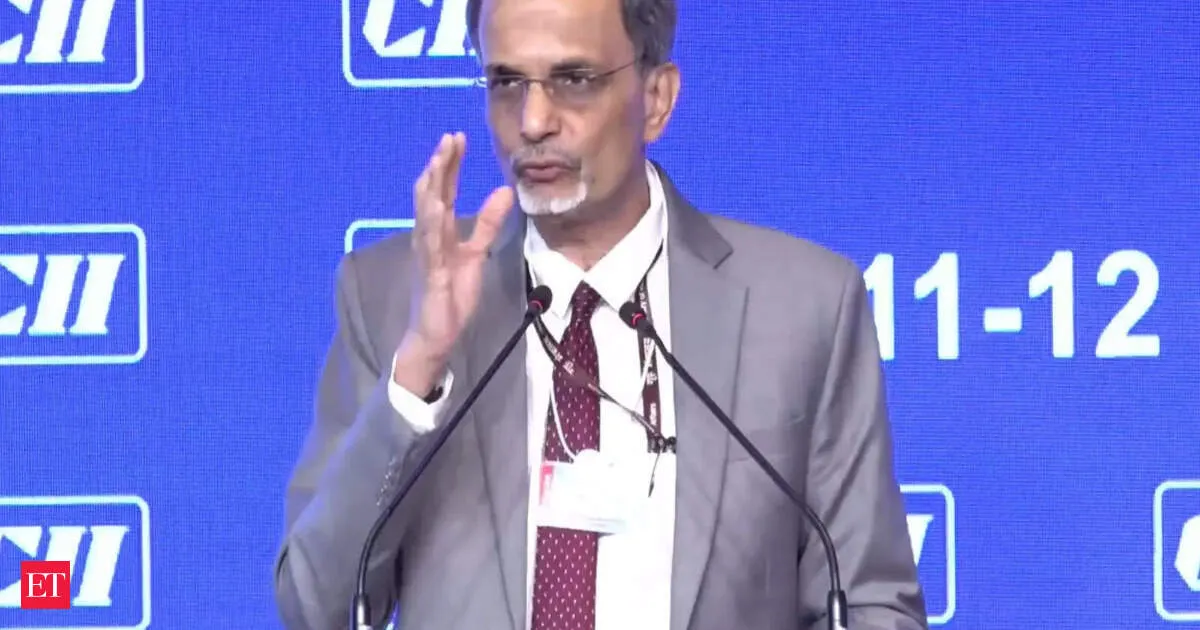
CEA Nageswaran says the West Asia crisis should be treated as a balance of payments stress test for India. He links FY27 priorities to keeping the current account healthy, securing financing, and curbing currency depreciation—because pressures from external shocks can quickly feed into CAD, inflation and exchange rates. A separate push to settle payments to micro and small firms also supports working capital.
Your news, in seconds
Get the Beige app — every story in 60 words, updated hourly. Free on iOS & Android.
With India’s gold imports climbing, industry bodies are pitching a plan to reduce reliance on overseas metal. The proposal pushes recycling household gold, steering imported gold mainly toward jewellery exports, and drawing jewellers into gold monetisation programs. The goal: convert dormant gold into working capital while improving the balance of payments and easing import pressure.
India’s rupee is facing sustained selling pressure as capital inflows remain weak while oil prices stay high, worsening the balance of payments. Even with RBI intervention, analysts expect external deficits to widen for a third straight year, shrinking policy room. With global outflows ongoing and vulnerabilities persisting, more depreciation risk looms for the currency.
SBI has called for structural measures to tackle India’s economic strains, warning that rupee depreciation is driving imported inflation and pressuring the balance of payments. Economists also flag risks of a widening current account deficit ahead. The bank argues that monetary and policy action must go beyond reacting to currency moves to protect price stability.
Facing FII outflows and fresh balance of payments strain, India’s finance ministry is coordinating with the RBI to roll out measures aimed at attracting “patient capital.” The focus is to bring in longer-duration funds that can better absorb market shocks, stabilise external accounts, and reduce reliance on shorter-term, more volatile flows.
Never miss a story
Set alerts for the topics and sources you care about. Download Beige for free.
India’s external outlook is deteriorating as dollar liquidity tightens, the rupee weakens, and trade gaps widen. Stable foreign investment is being replaced by more volatile flows, while the “quality” of capital improves less reliably than before. The result is a renewed balance of payments focus, with risks rising for currency stability and macro management.
India’s net foreign liabilities declined by $10.9 billion in the last quarter of 2025, according to RBI data. The shift came because Indian residents increased overseas investments more than foreigners added assets in India. As a result, India’s international assets-to-liabilities ratio improved, pointing to a stronger external financial position.
Swipe through stories, personalise your feed, and save articles for later — all on the app.