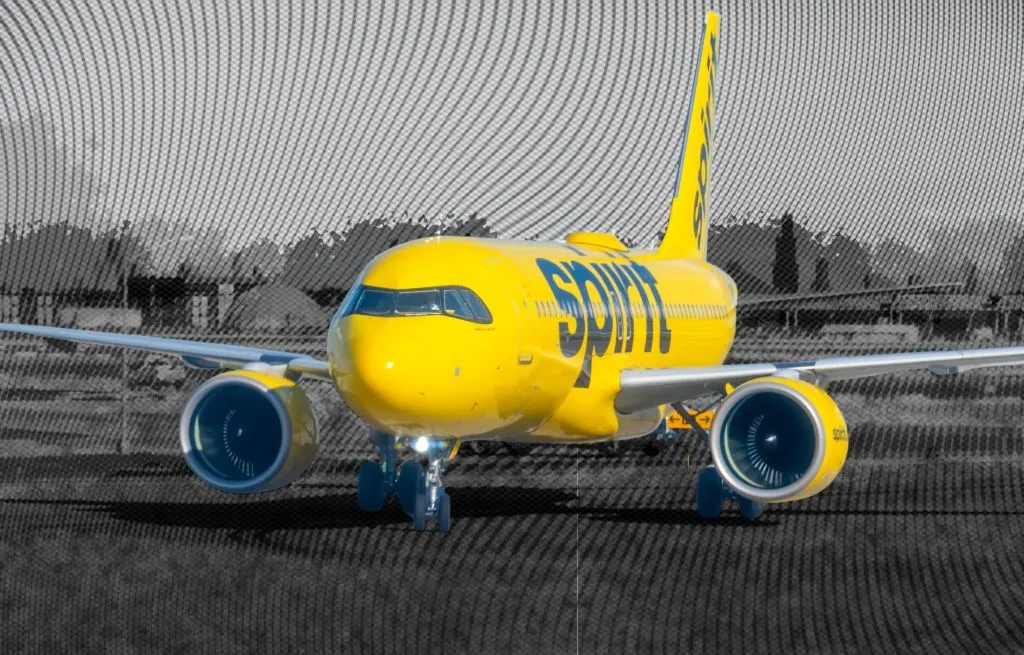
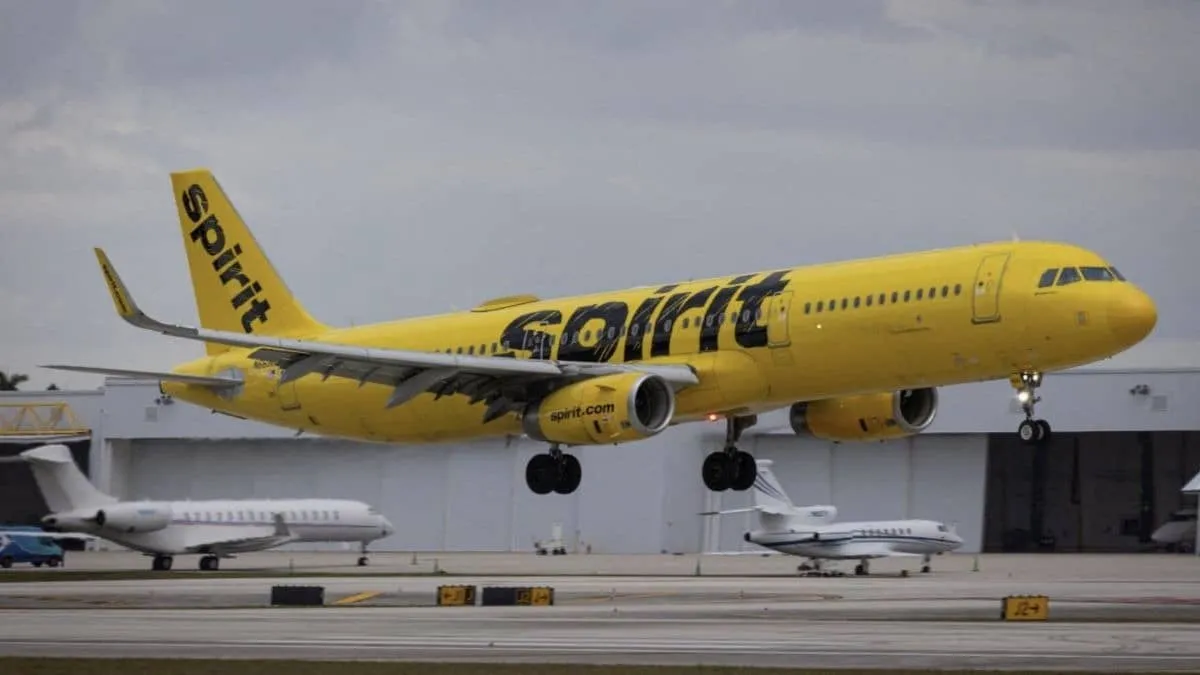
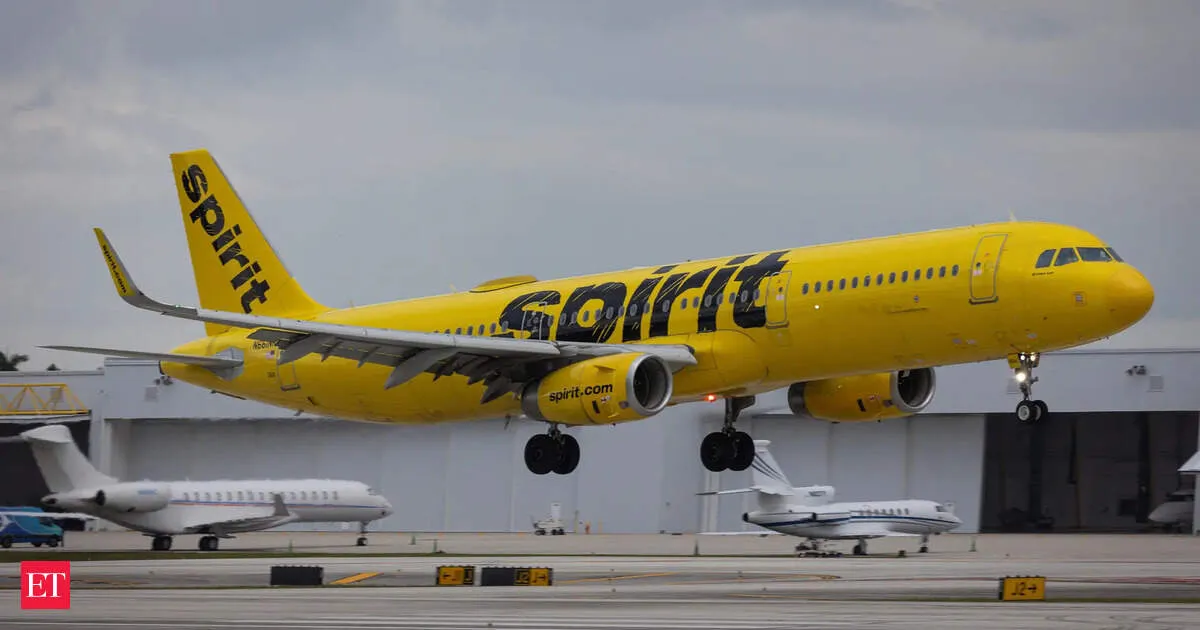
Spirit Airlines abruptly canceled all flights at 3 a.m. Saturday, stranding thousands of passengers, after bondholders rejected a proposed $500 million government bailout in the final hours. The sudden shutdown has left travelers scrambling for rebooking and refunds, while highlighting how quickly financial decisions can cascade into widespread disruption.
American low-cost carrier Spirit Airlines has shut down operations after filing for bankruptcy, becoming the first major airline hit by the Iran war. The airline cited soaring jet fuel costs, which doubled over a two-month period, and said it couldn’t secure creditor backing for a U.S. government bailout plan. The collapse is expected to impact thousands of jobs.
Your news, in seconds
Get the Beige app — every story in 60 words, updated hourly. Free on iOS & Android.
Spirit Airlines is reportedly close to ceasing operations after bailout negotiations with bondholders and the U.S. government fell apart. Disputes over financing terms stalled any rescue, while jet fuel prices surged following the war in Iran. The discount carrier’s recovery plan has struggled under mounting costs and unresolved talks, raising fears of an imminent shutdown.
Spirit Airlines faces potential liquidation, which an expert says could eliminate more than 17,000 jobs. The looming outcome raises fears that a bailout may not fully shield workers, leaving the airline’s future uncertain. With liquidation on the table, negotiations and decisions in the coming period could determine whether jobs are protected or major layoffs follow.
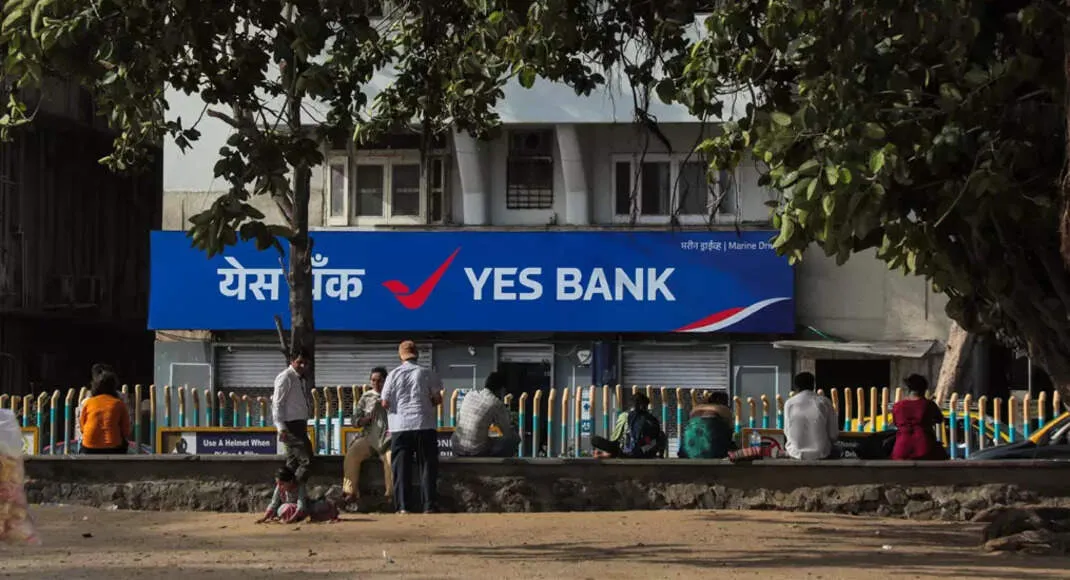
Yes Bank’s 2020 bailout restored stability, but rewards and losses were uneven. SBI converted an INR 2,450 crore lifeline into roughly a 3.6x gain, while retail AT1 bondholders were wiped out and still haven’t been compensated. The episode questions how India protects investors when systemic safety comes first—and whether the balance will shift.
Swipe through stories, personalise your feed, and save articles for later — all on the app.