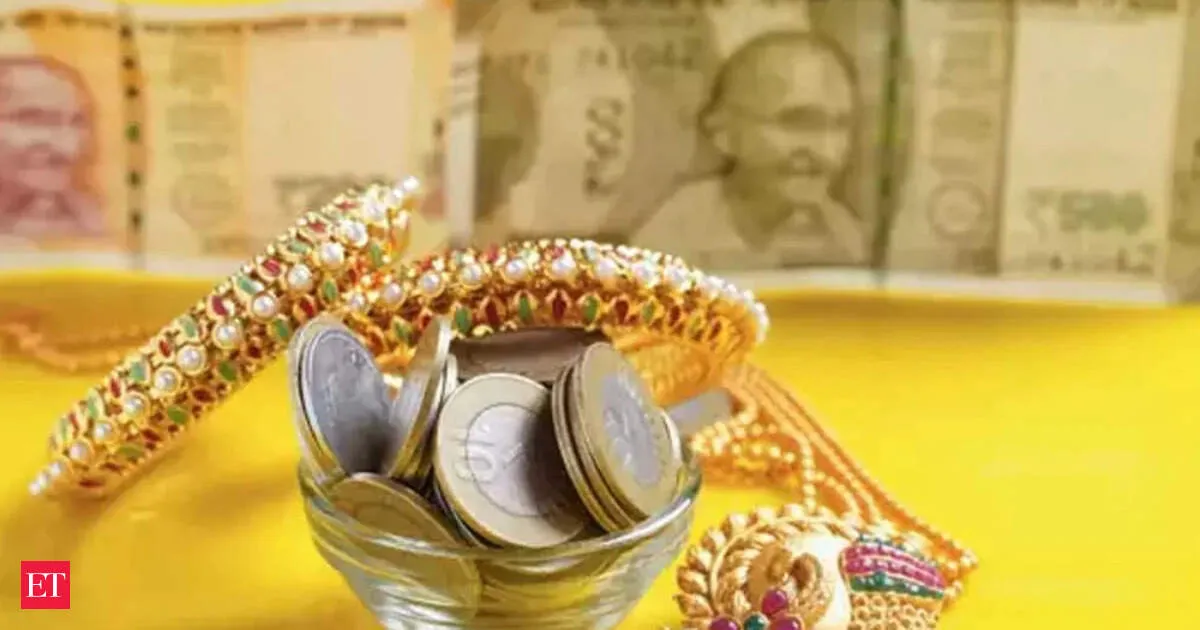
Small Finance Banks are increasingly leaning on secured products like gold loans to steady earnings and financial health, as unsecured microfinance continues to struggle with elevated bad-loan ratios. The shift aligns with regulator pressure to diversify away from concentrated risk. Larger banks are also expanding microfinance, but the overall pivot toward collateral-backed lending signals a strategy for long-term stability.
The RBI has issued draft norms allowing banks to hold specific non-financial assets only when needed to recover bad loans. Such assets must be sold within seven years, and banks are barred from selling them back to borrowers. The move is intended to improve transparency and strengthen recoveries. The draft rules are open for public comments until May 26.
Your news, in seconds
Get the Beige app — every story in 60 words, updated hourly. Free on iOS & Android.
SBI Cards has sold around ₹1,800 crore of stressed credit card debt to Integro Finserv, a move aimed at reducing delinquencies and improving the quality of its credit portfolio. The transaction supports SBI Cards’ broader effort to strengthen financial health as more borrowers slip into repayment difficulties. The deal marks a significant risk-cleanup step for the card issuer.
Spandana Sphoorty, once a star in India’s micro-lending wave, is facing fresh turbulence as rising bad loans pressure performance. The situation worsened with CEO Shalabh Saxena’s exit, highlighting how internal governance and boardroom conflicts can amplify market stress. The setback is now reverberating across the wider non-banking finance sector.
Swipe through stories, personalise your feed, and save articles for later — all on the app.