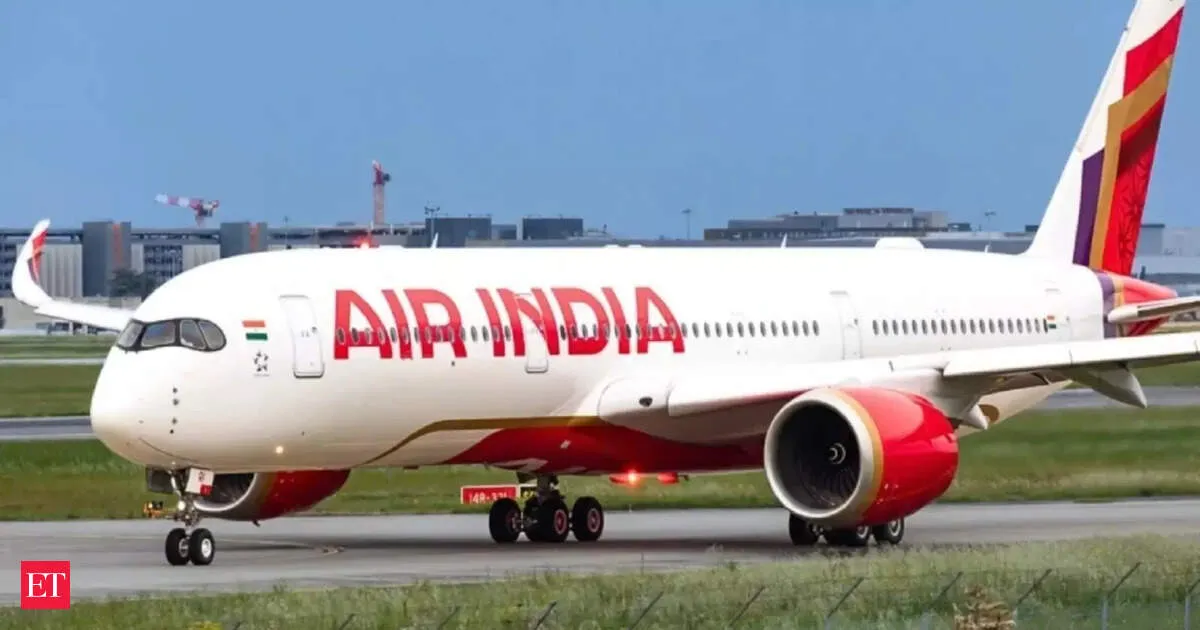
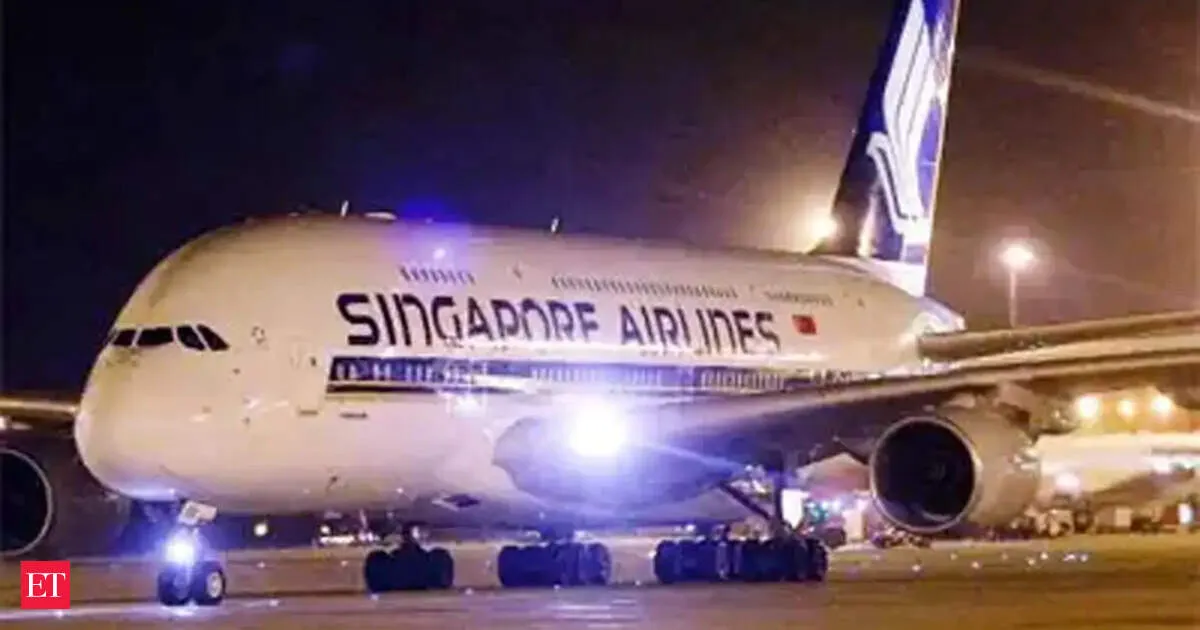
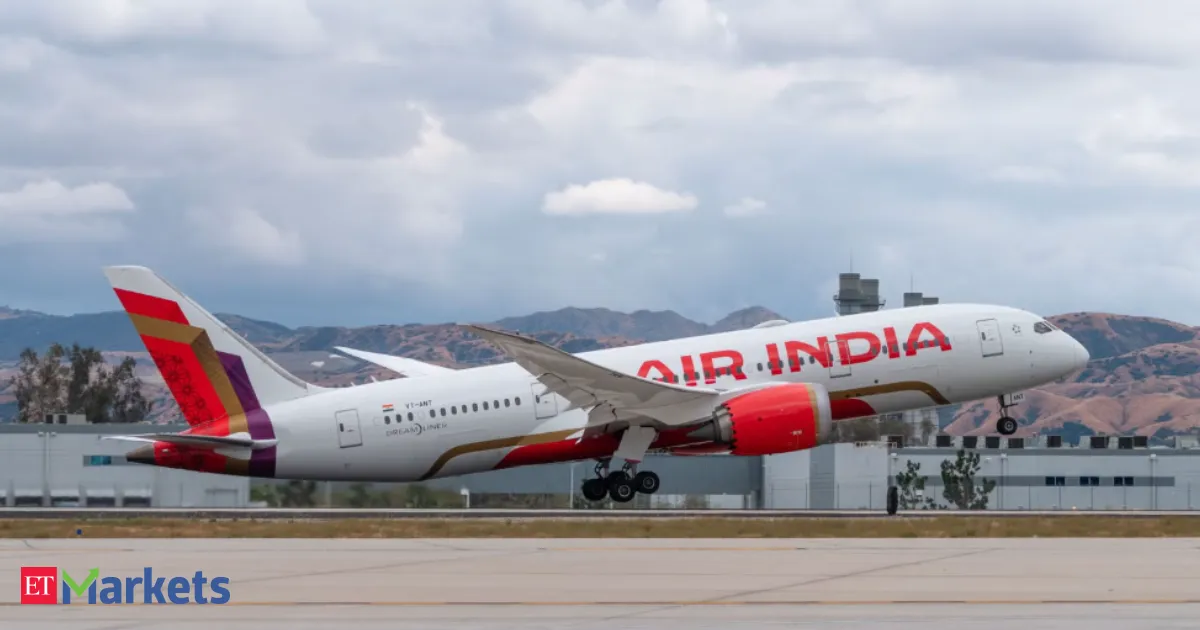
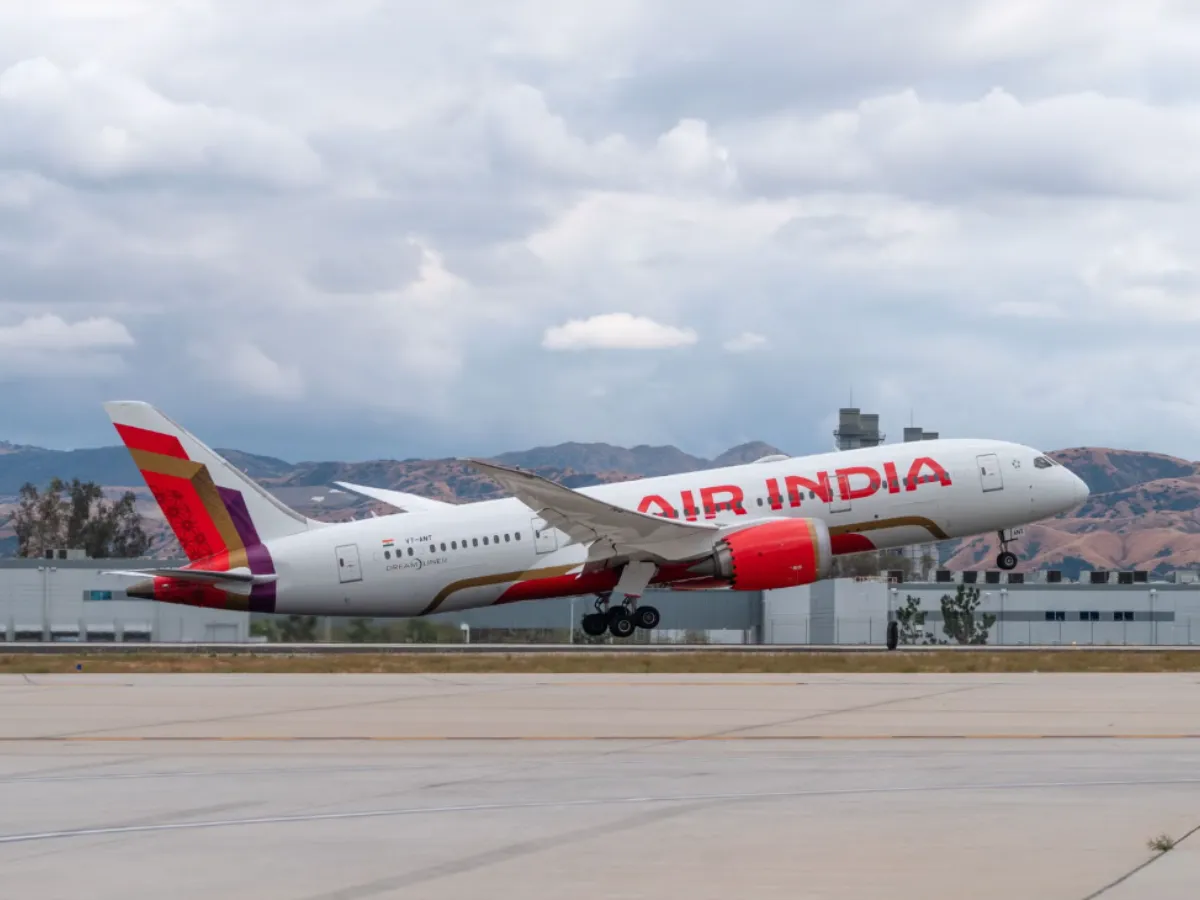
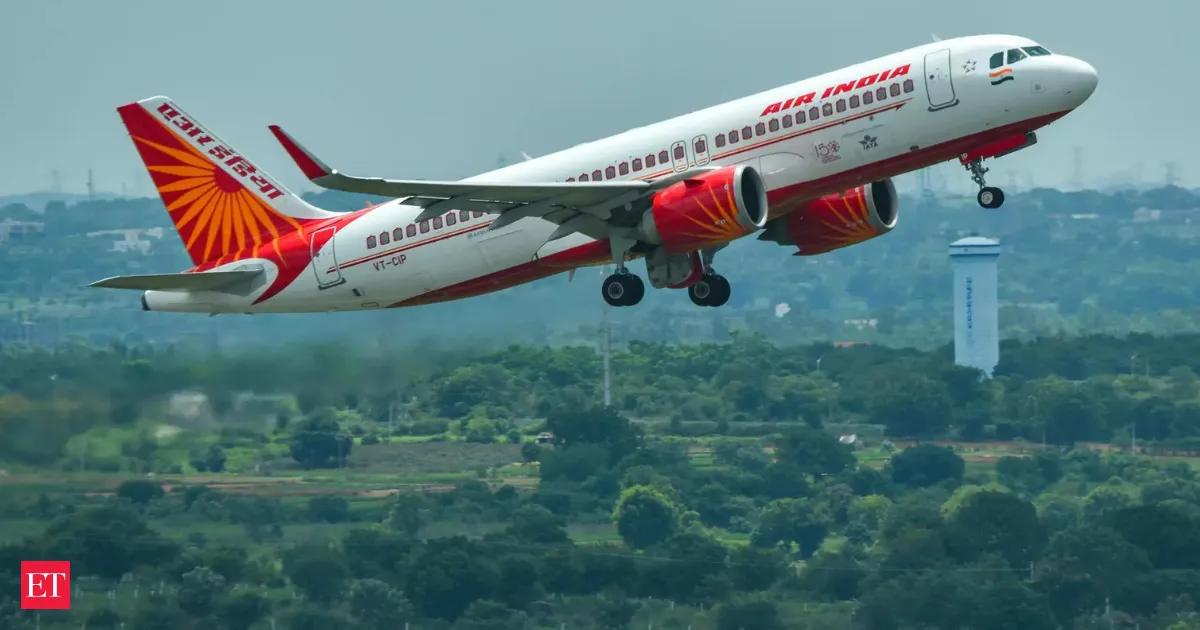
Singapore Airlines CEO Goh Choon Phong said Air India’s surging losses have dragged Singapore Airlines’ annual profit down 57%, citing a chain reaction of geopolitical disruptions, Pakistani airspace restrictions, and currency volatility. He pointed to cost inflation and longer, fuel-intensive routes on North America services, plus elevated West Asia-linked fuel prices, delivery delays, and supply-chain setbacks. Air India losses more than doubled to ₹25,606 crore in FY26, with added FX and labor compliance pressures.
Singapore Airlines CEO Goh Choon Phong said Air India’s turnaround is a “long game” with no quick fixes, blaming “largely external” pressures. In SIA’s briefing on its fiscal 2025-26 results, he pointed to Pakistan airspace closure for over a year, rupee depreciation, supply-chain disruptions, Middle East conflict, and post-AI171 crash capacity constraints. Air India posted losses of more than SGD 3.56 billion (over Rs 26,700 crore) for FY ended March 2026, while SIA highlighted workforce changes as part of Air India’s multi-year transformation.
Your news, in seconds
Get the Beige app — every story in 60 words, updated hourly. Free on iOS & Android.
US President Donald Trump said China committed to buying 200 Boeing aircraft after talks with President Xi Jinping in Beijing. Trump described the move as a commitment during a Fox News interview, adding it would support “a lot of jobs.” US media reports suggest the order could include about 500 Boeing 737 MAX jets and nearly 100 wide-body models such as the 787 Dreamliner and 777. Boeing has not yet commented, but prior optimism came from CEO Kelly Ortberg.
Singapore Airlines Group’s FY26 profit fell 57.4% to SGD 1.184 billion, driven by the absence of a prior one-off merger gain and by losses linked to Air India. Even with weaker earnings, SIA says it remains firmly committed to its Air India investment, calling it essential to its multi-hub strategy in a fast growing aviation market.
Air India’s annual report shows losses of 3.56 billion Singapore dollars, equivalent to about $2.8 billion at current exchange rates. The figures come alongside Singapore Air’s results, highlighting how differently major carriers are performing as airlines navigate cost pressure, demand shifts, and financial strain.
Adani Airport Holdings is teaming up with IHG Hotels & Resorts to build five new hotels across Navi Mumbai, Mangaluru, Thiruvananthapuram and Jaipur, adding nearly 1,500 rooms. The deal also signals the debut of IHG’s luxury Kimpton Hotels & Restaurants brand in India, as airport-linked hospitality expands to meet rising travel demand.
Never miss a story
Set alerts for the topics and sources you care about. Download Beige for free.
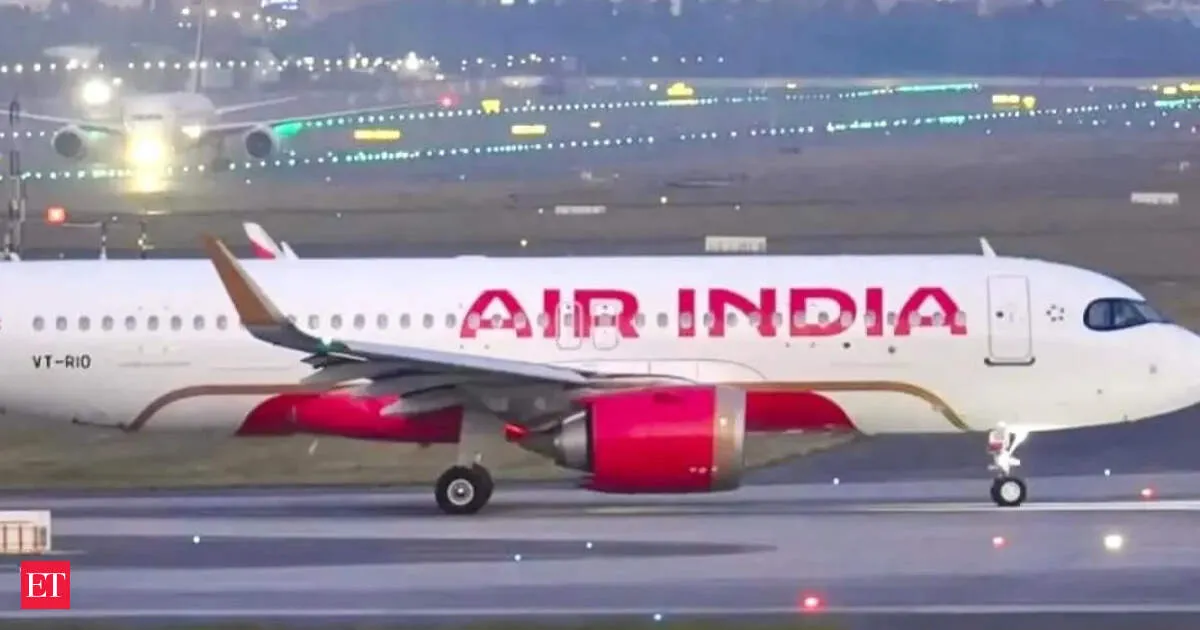
Air India is facing a potential record $2.12 billion loss as the Iran war and Pakistan’s airspace ban force thousands of flight cuts. In the scramble for seats, Lufthansa Group and Cathay Pacific are expanding capacity, aiming to capitalize on strong Indian travel demand. Their moves could lift foreign carriers’ share to 58.4%, intensifying pressure on Air India’s international network.
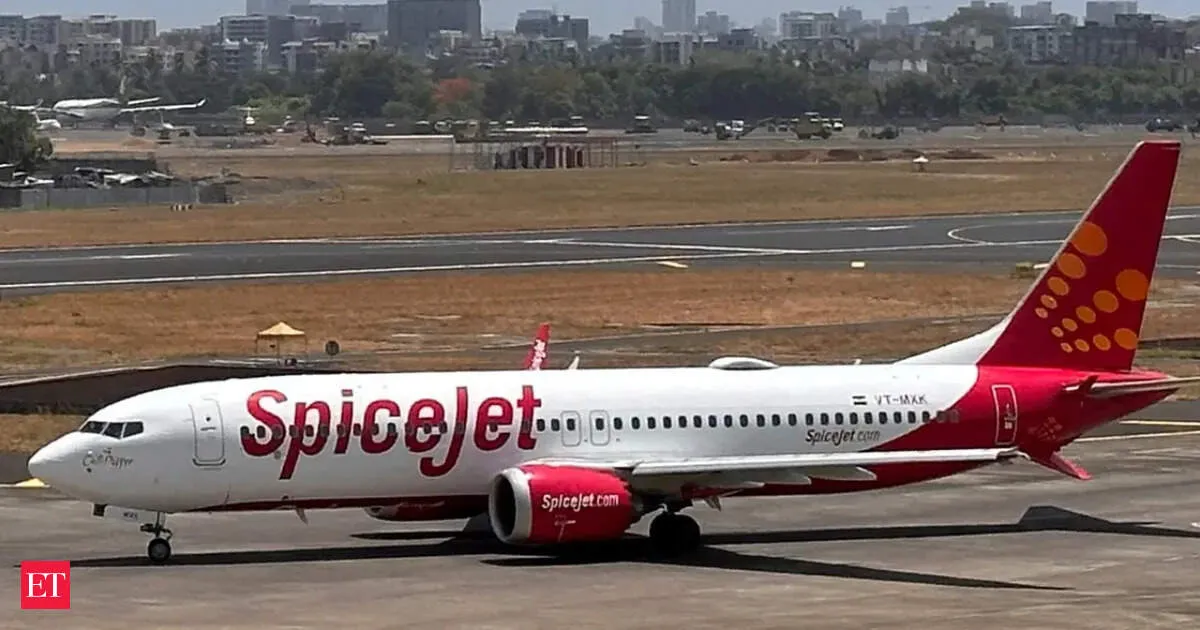
SpiceJet has approached the Supreme Court, challenging Delhi High Court orders from May 4 and March 18 that refused its bid to provide an unencumbered plot of land in Gurugram as security. The court also directed the airline to immediately deposit the amount and imposed a Rs 50,000 cost after SpiceJet repeatedly sought changes to the deposit direction.
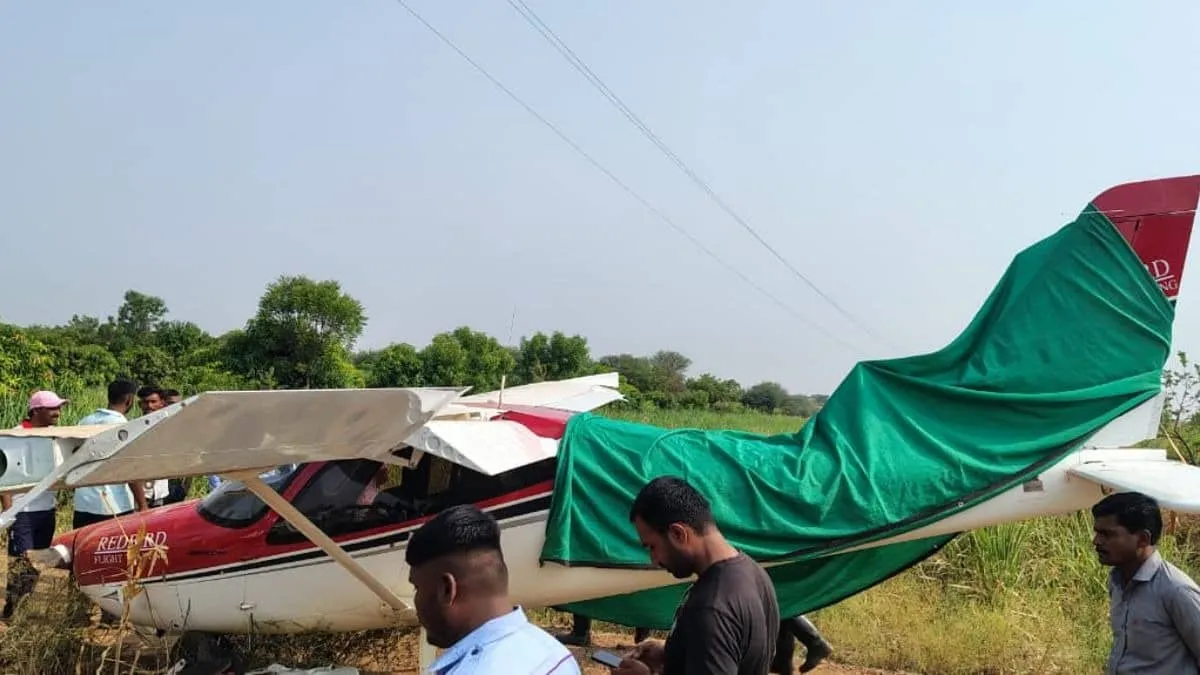
A training aircraft reportedly crashed near Baramati airport in Pune district, according to ANI citing Pune Rural Police. Emergency responders rushed to the location as authorities began investigating the incident. The report has not yet confirmed passenger details, aircraft status, or the cause, but local police have initiated inquiries to determine what led to the crash.
A training aircraft operated by the Redbird company crashed near Gojubabi village in Baramati, Maharashtra, during a routine exercise on Wednesday. Initial reports say the trainee pilot escaped safely, avoiding casualties. The incident comes months after Deputy CM Ajit Pawar’s fatal plane crash, reigniting scrutiny over aviation safety in the region.
Reading on mobile?
Open Beige in the app for a smoother experience — free on iOS and Android.
Air India has reportedly terminated flights to multiple destinations, blaming mounting fuel costs and tighter economics. The move affects selected routes, adding uncertainty for passengers who may have booked travel expecting services to run. The airline’s decision reflects how volatile energy prices are reshaping flight schedules and forcing operational cuts across the aviation sector.
Air India pushed back against claims it will cancel all international flights until July, saying the reality is more limited. The carrier is temporarily reducing some overseas operations, citing soaring jet fuel costs and longer flight times caused by airspace constraints—factors that are squeezing profitability on specific international routes.
India’s airports regulator AERA has fixed User Development Fees for Noida International Airport at Rs 490 for departing domestic passengers and Rs 980 for international travellers for 2026-27. The airport is scheduled to start operations on June 15, with UDFs rising gradually through 2031, aiming to align charges with national averages and support airline expansion.
A viral post claims Air India has cancelled all international flights until July 2026. But the airline has not grounded its global operations. Instead, it has temporarily reduced services on specific routes as costs rise and geopolitical tensions persist. Flights to key destinations are still operating, though some long-haul sectors are seeing lower frequency.
Follow your favourite sources
Track sources, tags and categories — all in the Beige app.
Specialty chemicals firm LANXESS has signed an agreement with Hindustan Petroleum Corporation Limited (HPCL) to market aviation and industrial lubricants in India and across the SAARC region. The partnership is designed to expand availability of advanced lubricant solutions, leveraging HPCL’s distribution reach and LANXESS’s technical expertise to serve aviation and industrial customers.
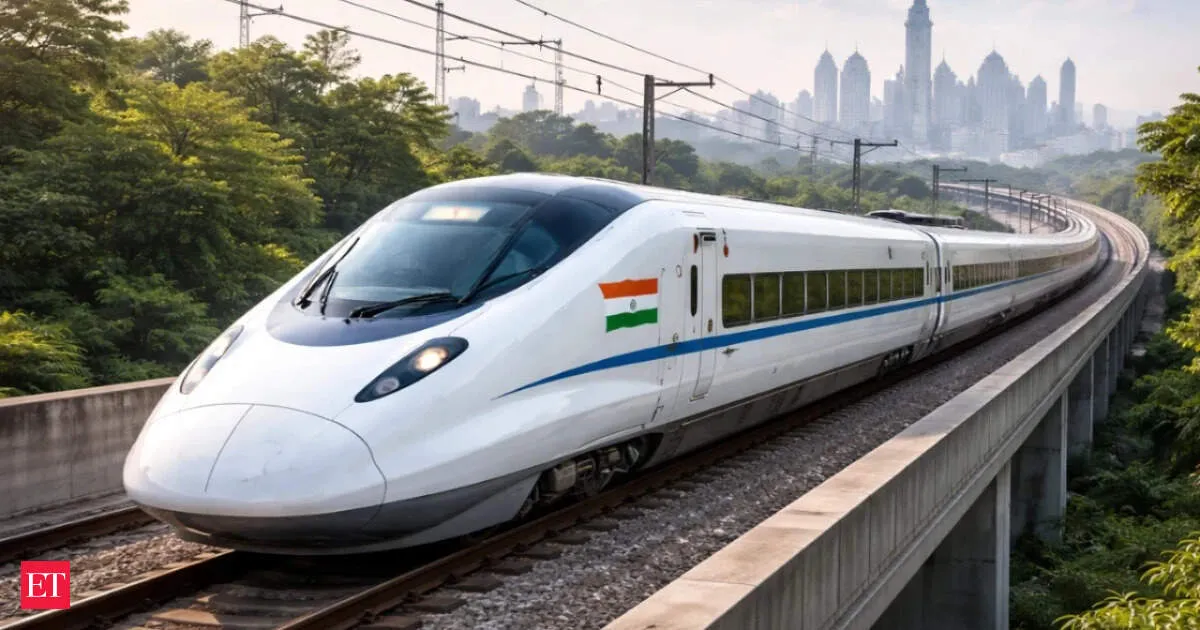
India’s Railway Minister says upcoming bullet trains will dominate short-haul routes like Mumbai Pune and Bengaluru Chennai, signaling a major shift toward premium high-speed rail. The warning mirrors global trends where faster trains win intercity travel by cutting journey times, tightening economic links, and reshaping how commuters and business travelers choose transport.
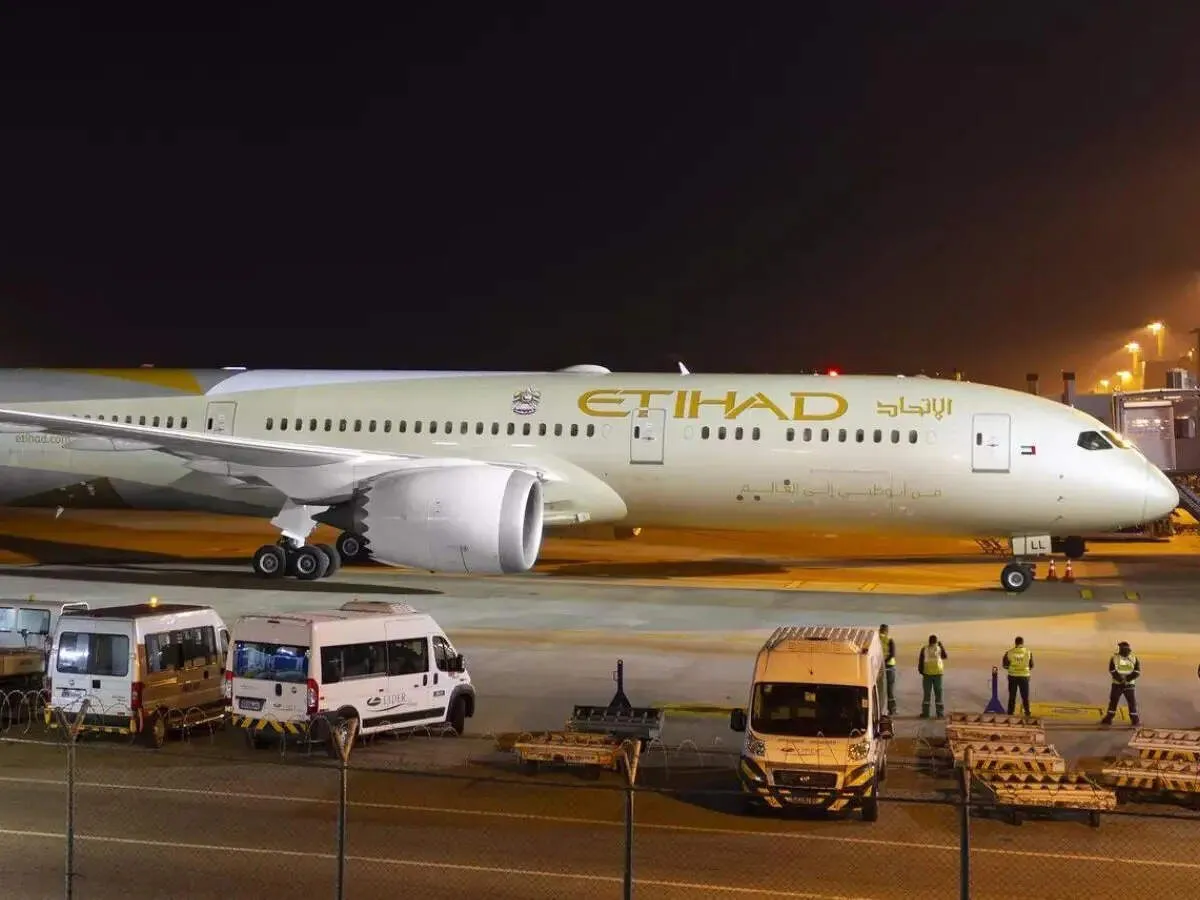
An Etihad Airways flight heading to Abu Dhabi with about 280 passengers aborted takeoff from Chennai on Monday after a fire was detected on its left wing. The crew halted departure, and passengers were safely disembarked with no reported injuries. Airport fire services extinguished the blaze quickly, and the flight was later cancelled.
Noida International Airport is set to begin Akasa Air operations on June 16, making it the second airline to use the new airport. Akasa will run daily flights connecting Noida with Bengaluru and Navi Mumbai, and it plans to set up a maintenance facility at the airport. IndiGo starts earlier on June 15.
Stay informed on the go
Bite-sized news from 100+ trusted sources, right in your pocket.
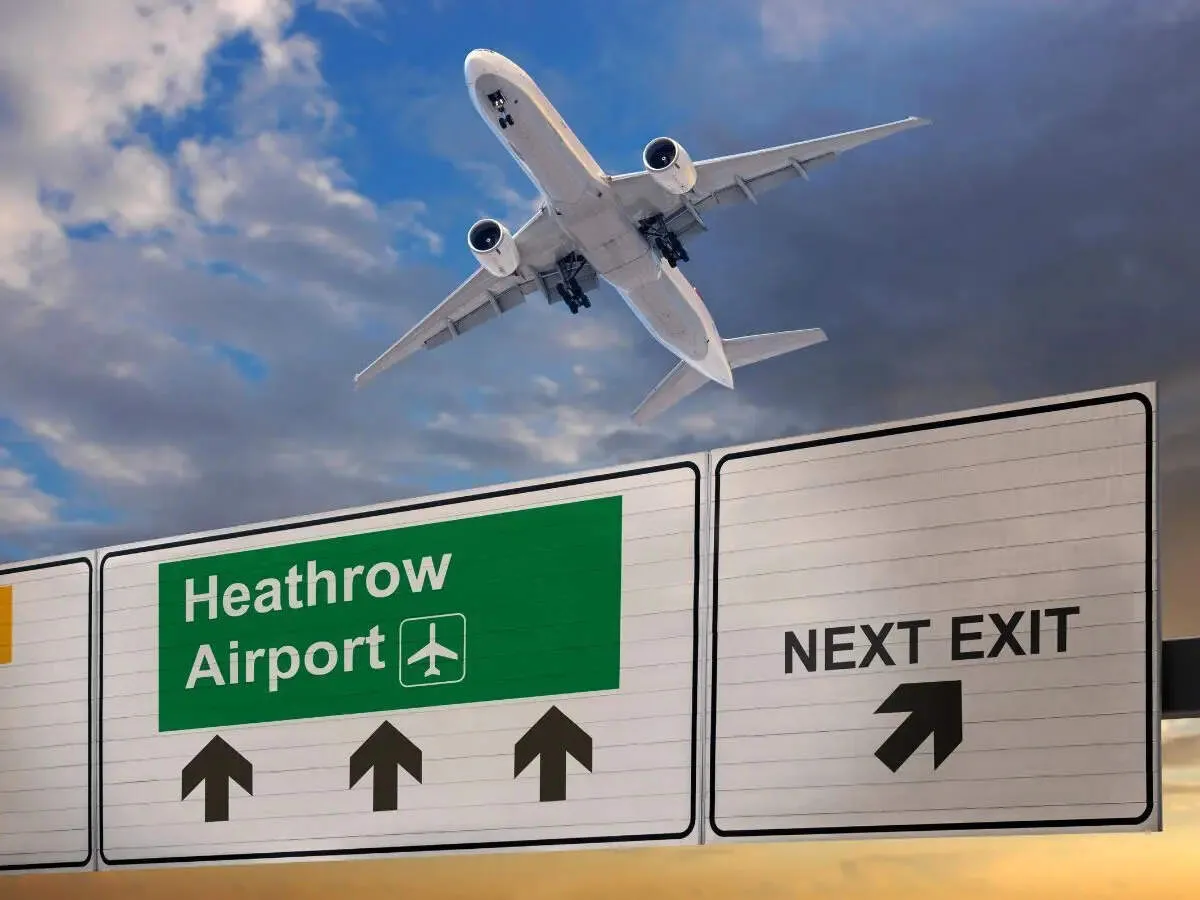
London Heathrow said passenger numbers fell in April after the Middle East conflict disrupted global air travel. The airport, Europe’s busiest, pointed to the ongoing impact on certain markets and short-term changes to travelers’ plans. The drop highlights how quickly regional conflict can ripple into international aviation demand and schedules.
Railways Minister Ashwini Vaishnaw says India’s upcoming high speed rail corridors will dominate short haul routes, sharply cutting travel times on Mumbai Pune and Hyderabad Bengaluru. As a result, he warns air travel may become uncompetitive on these routes. The government is also planning major investment in the bullet train network, signaling a big change for aviation investors.
Swipe through stories, personalise your feed, and save articles for later — all on the app.