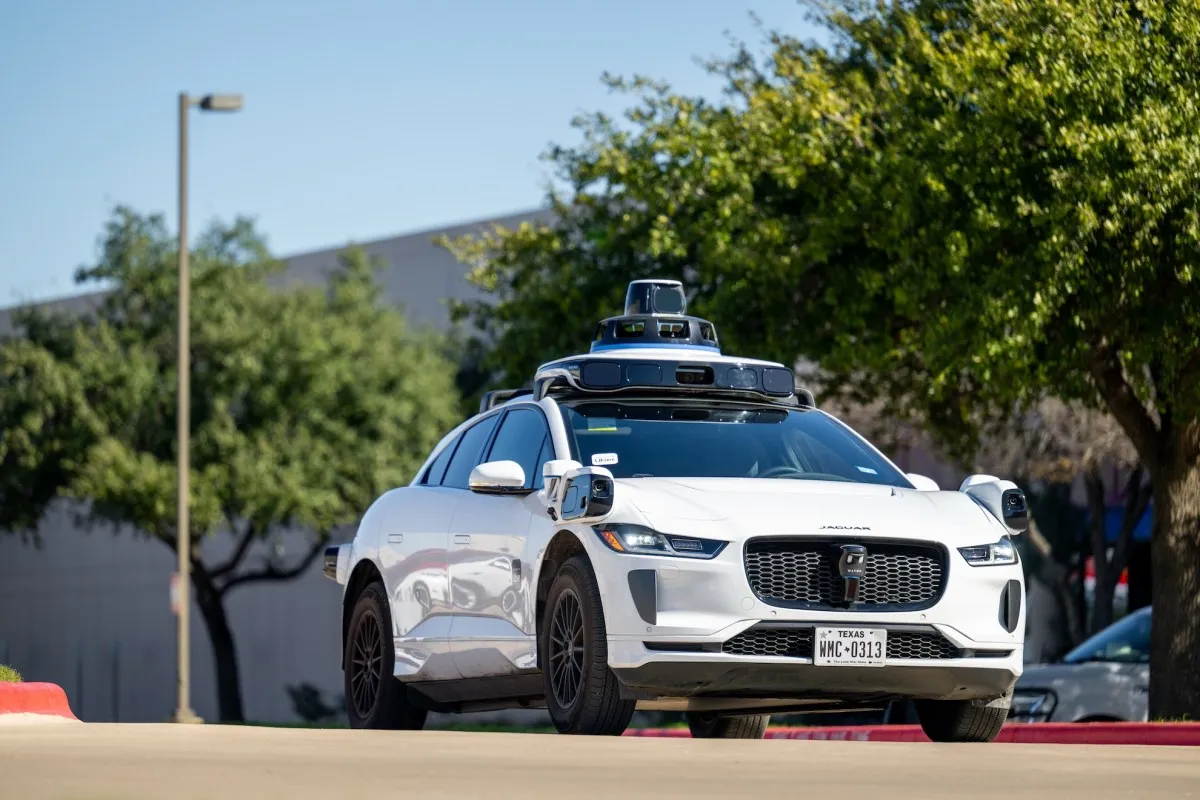
Waymo has issued a software recall for its robotaxis, aimed at improving safety when vehicles encounter flooded areas. The change makes the system more cautious around floodwater, reducing how confidently the cars proceed in those conditions. Waymo says a “final remedy” is being developed, implying further fixes beyond the current update.
Uber’s long-running plan to stake a claim in the autonomous vehicle race is expanding beyond tech and investments. By positioning itself as a data provider, investor, and distribution channel, the company is also betting that consumer-facing services could accelerate adoption—giving it a new reason to move faster while AV players scramble for scale and reach.
Your news, in seconds
Get the Beige app — every story in 60 words, updated hourly. Free on iOS & Android.
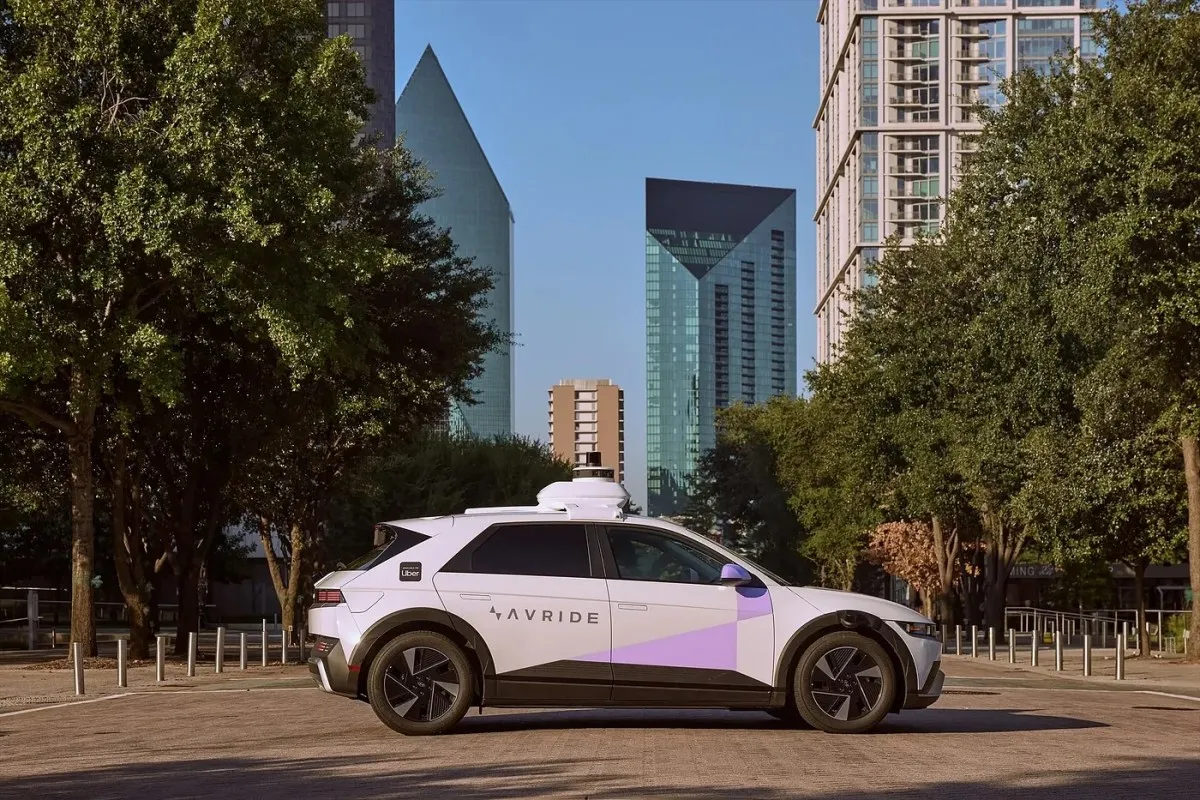
The US National Highway Traffic Safety Administration has opened an investigation into Avride, an Uber partner, after reviewing incidents involving its self-driving vehicles. Regulators identified more than a dozen crashes and a reported minor injury, prompting scrutiny of system performance and safety practices as autonomous operations expand.
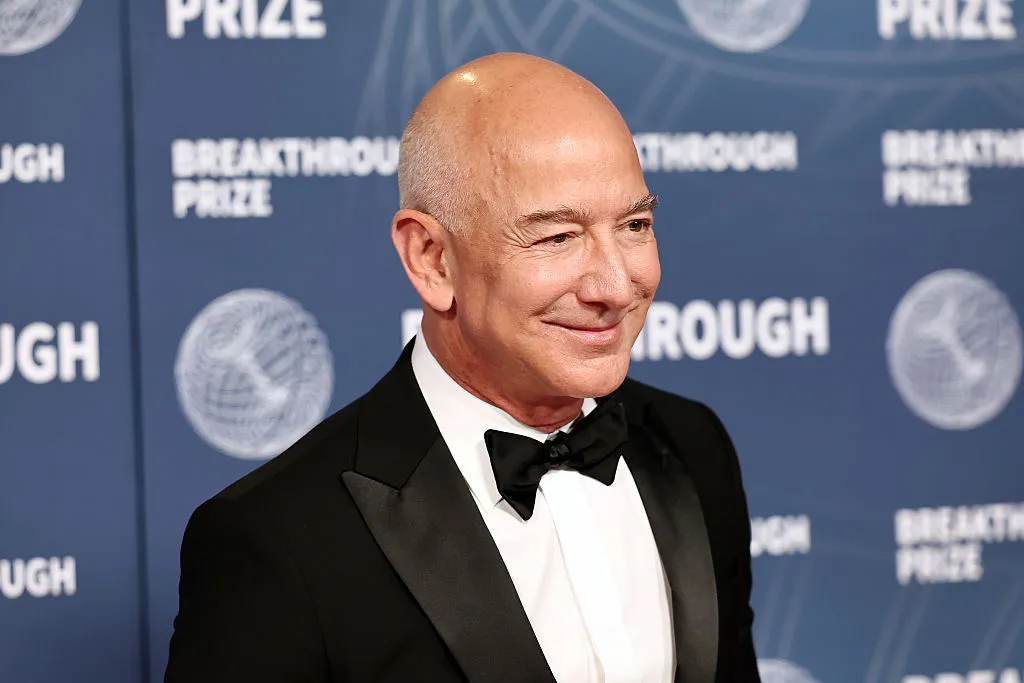
Melinda Lewison has stepped down from Slate Auto’s board, a move that’s prompting questions about how closely Jeff Bezos still backs the startup. Her departure lands as Bezos appears increasingly focused on robotics through his new venture, Project Prometheus, fueling speculation about shifting priorities and involvement.
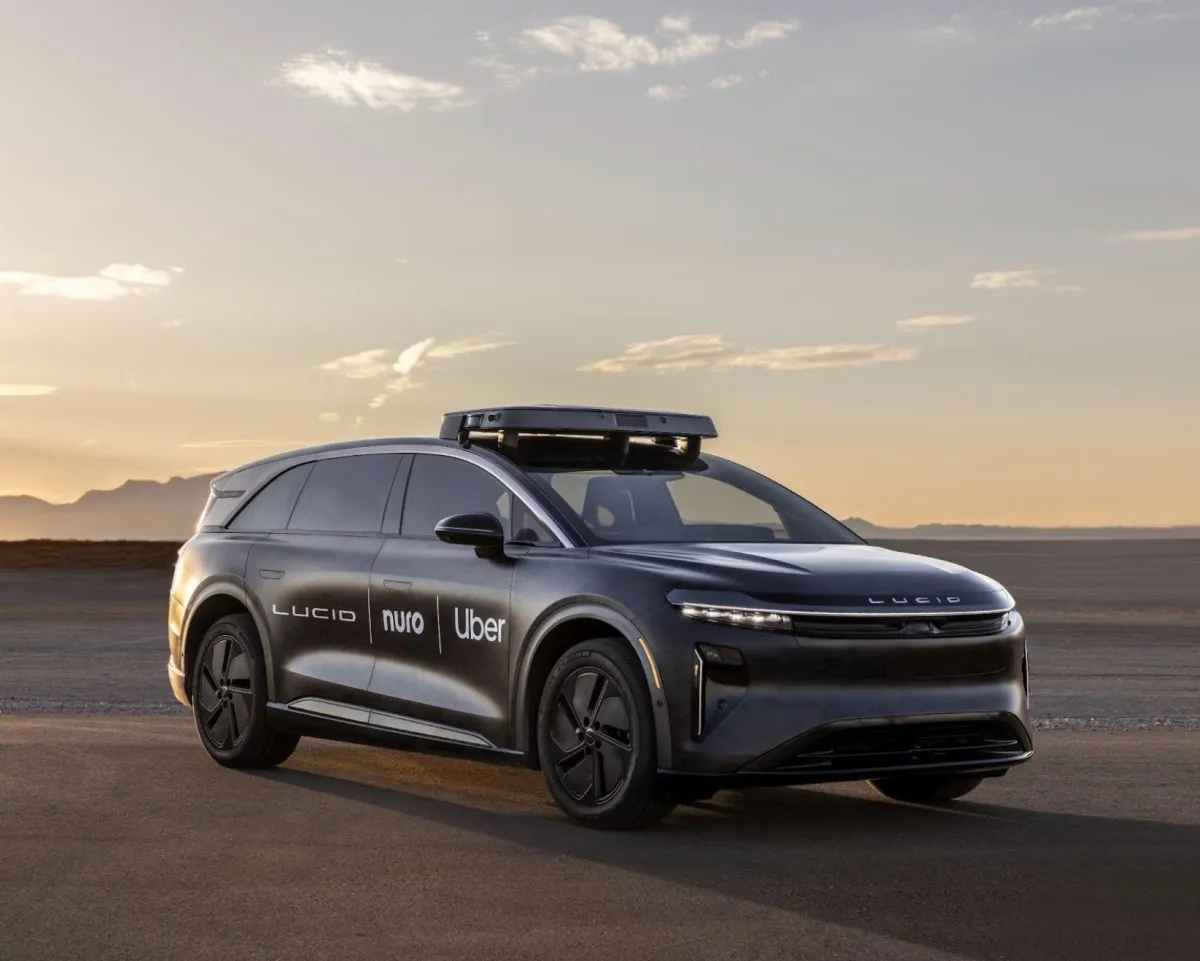
Silicon Valley autonomous vehicle startup Nuro has received approval to begin driverless testing, positioning it ahead of Uber’s planned robotaxi launch. But the catch is stark: Nuro hasn’t actually started driverless testing yet. The permit signals regulatory progress and heightened competition in robotaxi timelines, even as real-world deployment remains pending.
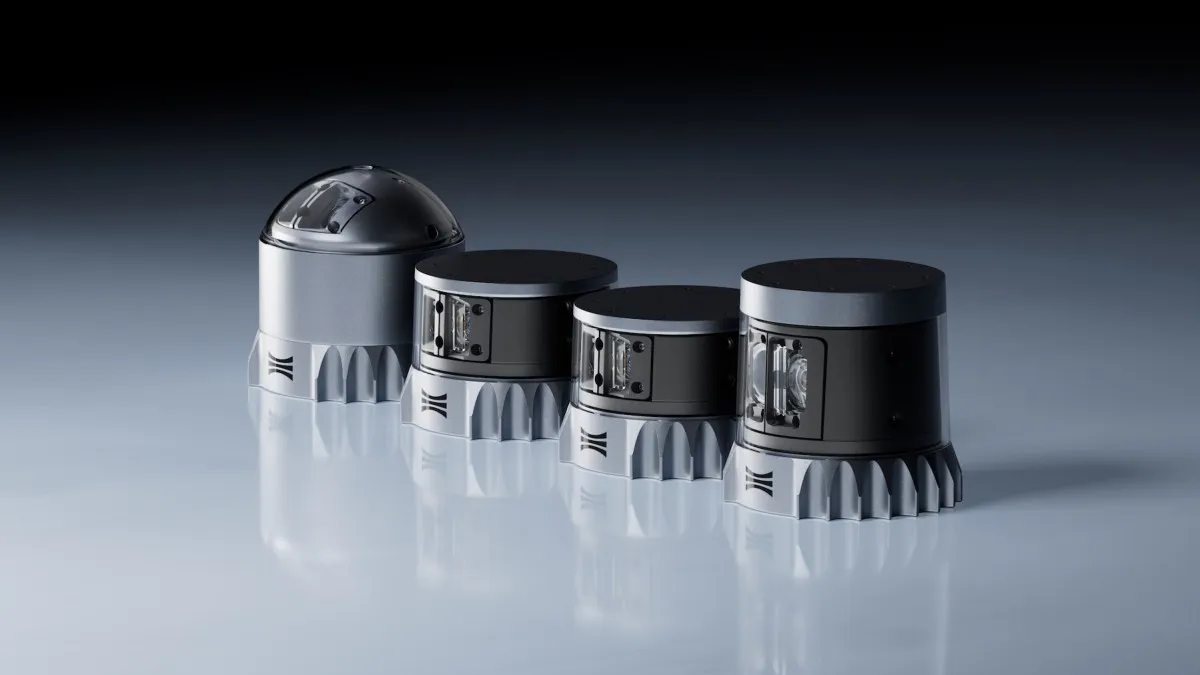
Ouster says its new color lidar can capture depth and image data simultaneously, a longtime goal for perception systems. CEO Angus Pacala tells TechCrunch the approach could reduce reliance on separate camera setups by combining visual detail with 3D mapping in a single sensor. If it works at scale, it could shift how autonomous and mapping hardware is designed.
Never miss a story
Set alerts for the topics and sources you care about. Download Beige for free.
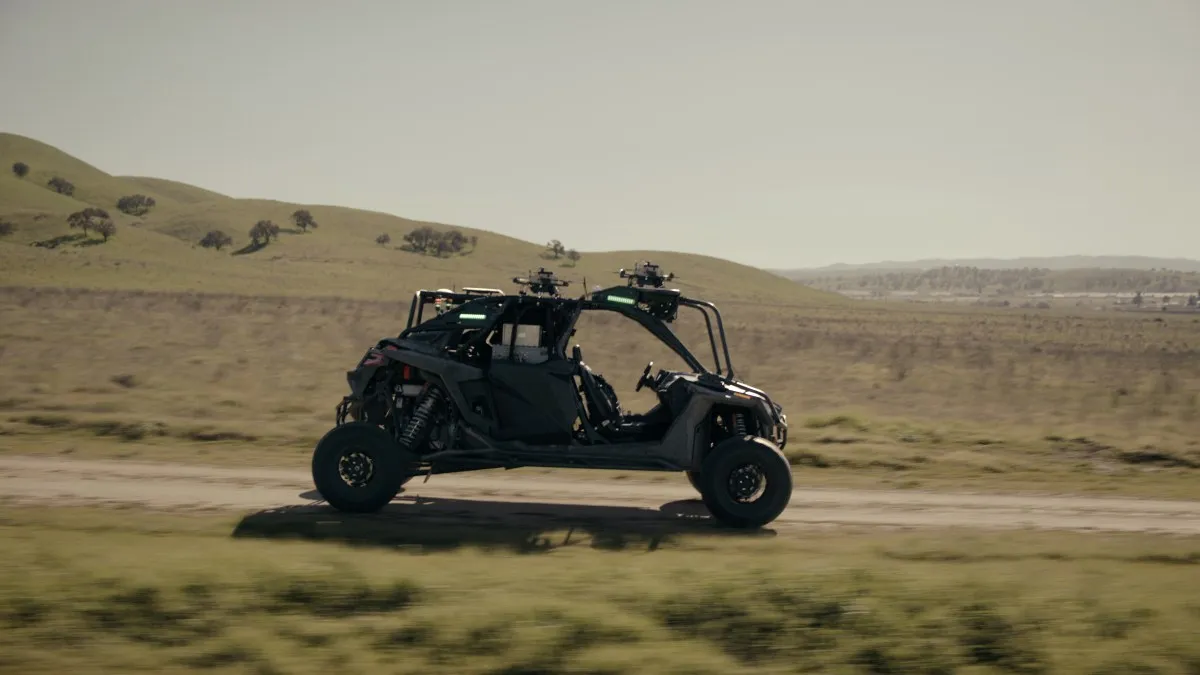
Scout AI just raised $100 million to train AI models aimed at battlefield use, and Tech company reporters visited its bootcamp-like training ground. The focus is on AI agents designed to give individual soldiers control over fleets of autonomous vehicles—turning coordination into software-driven autonomy. The effort signals how quickly agentic AI is moving from lab demos to military operations.
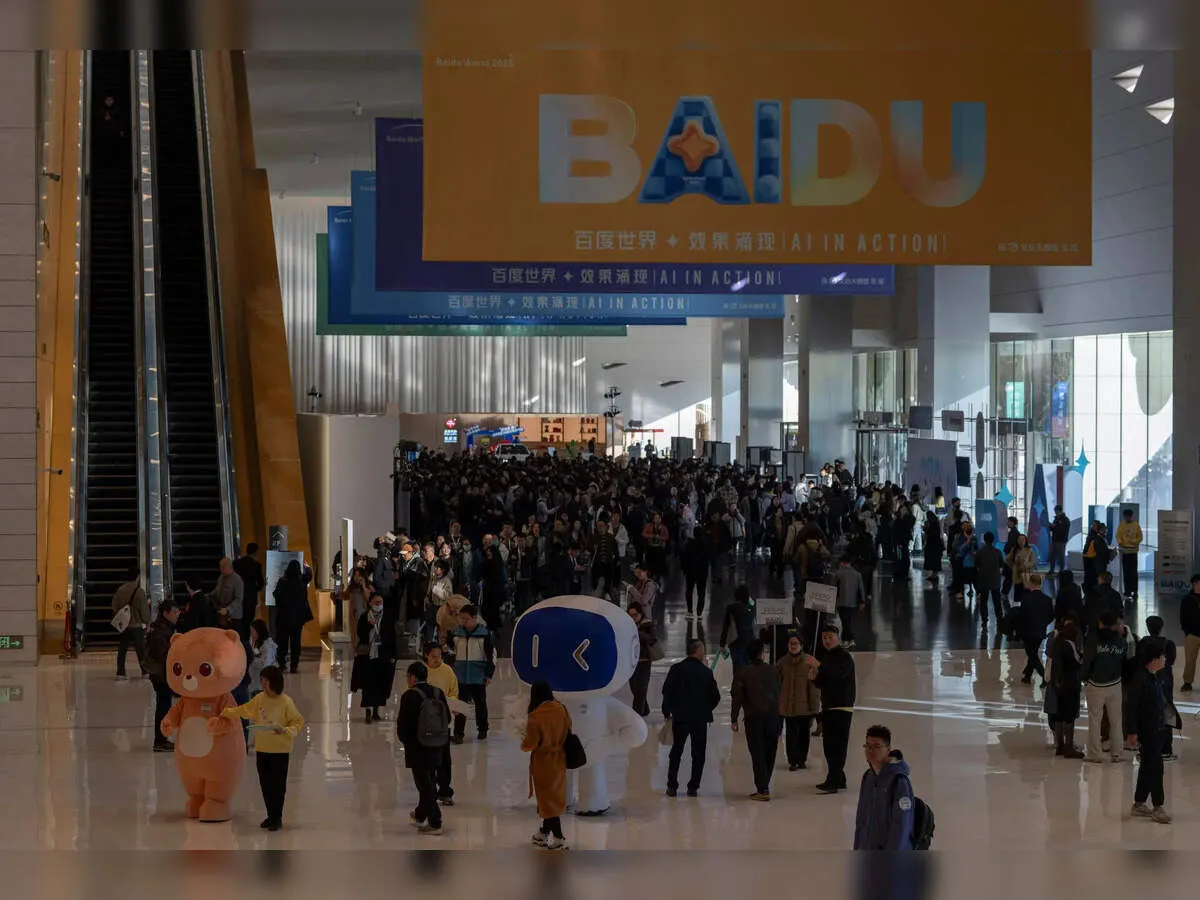
China has suspended approvals for new autonomous vehicle permits, a sharp move after Baidu halted its robotaxi fleet in Wuhan last month. The suspension is tied to an ongoing investigation into the outage and its broader safety and regulatory implications. The decision signals Beijing is tightening oversight for self-driving deployments while probes continue.
Chinese autonomous driving firm WeRide is partnering with Lenovo to deploy 200,000 autonomous vehicles globally within the next five years, targeting large-scale commercialization by 2031. The rollout begins in 2026, starting with robotaxis and expanding to other self-driving vehicles worldwide, as the firms aim to move beyond pilots toward real-world operations.
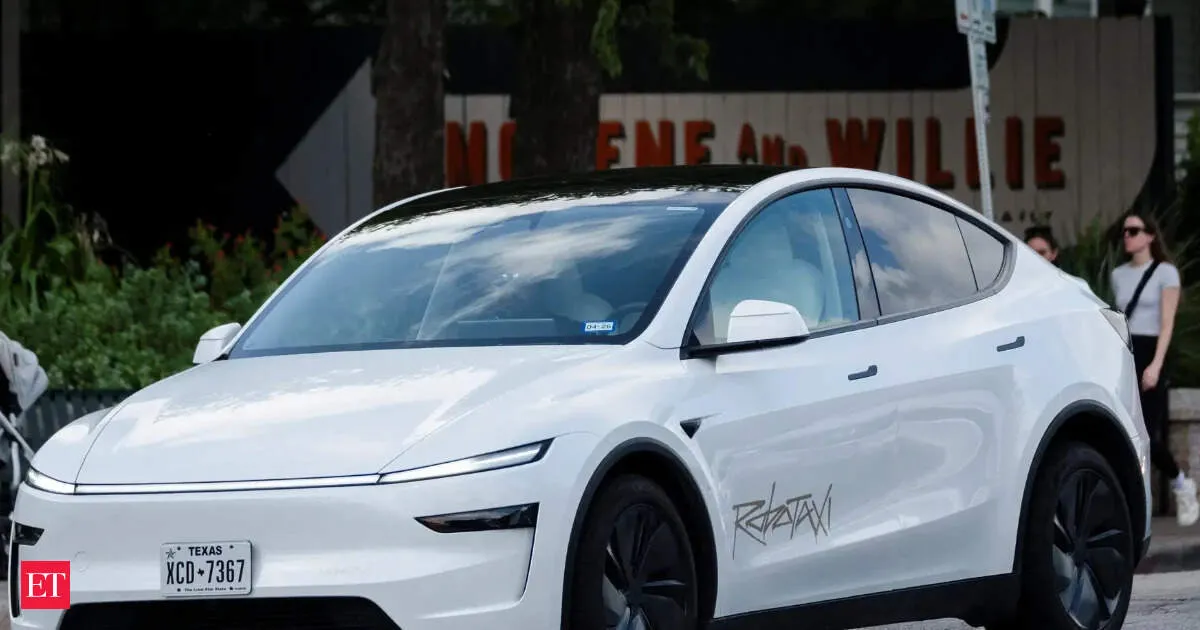
Tesla’s long-awaited Cybercab robotaxi has reportedly entered production, with CEO Elon Musk sharing videos of the driverless vehicle rolling off the factory floor. The announcement comes right after Tesla’s first-quarter profit update. Tesla now targets volume production of both the Cybercab and Tesla Semi this year, building on the stepless design first unveiled in 2024.
Reading on mobile?
Open Beige in the app for a smoother experience — free on iOS and Android.
Swipe through stories, personalise your feed, and save articles for later — all on the app.