Volkswagen labor leaders in Germany have pledged they will not allow any factory closures, even as the automaker seeks to cut excess capacity. In a Reuters statement, works council head Daniela Cavallo and union leaders from IG Metall and regional unions anchored their stance in a 2024 restructuring agreement, calling its “red lines” non-negotiable. While they welcome proposals to secure under-used sites—possibly through plant-sharing or defense and Chinese partnerships—they warn they will fight anything that undermines job security and career prospects.
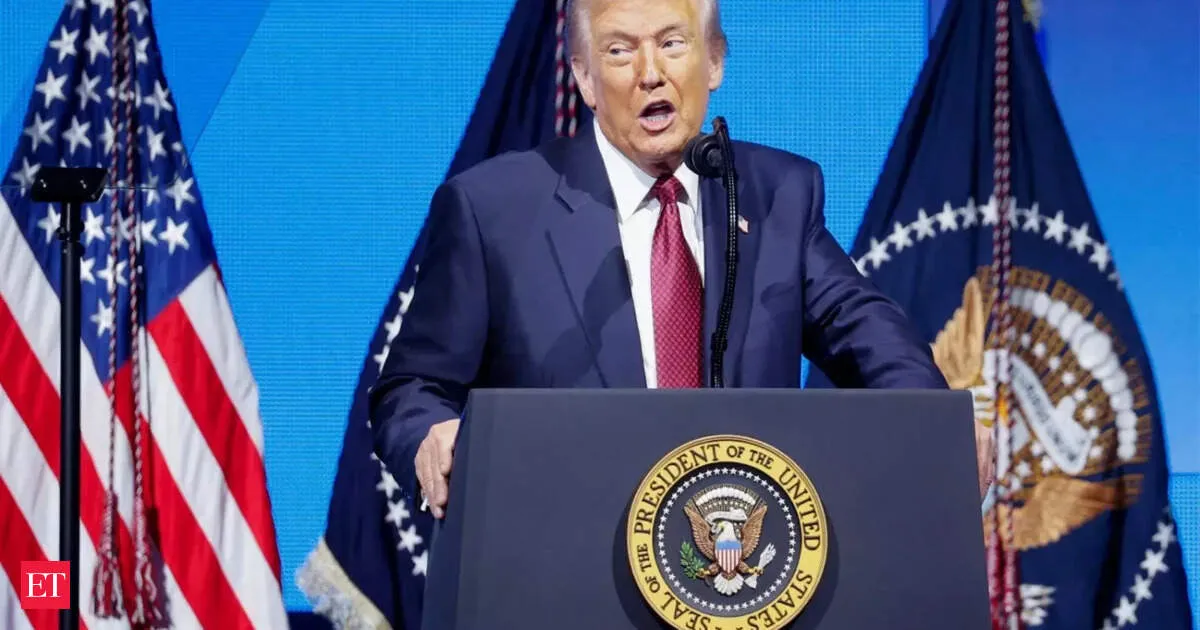
Two U.S. House lawmakers will introduce legislation to toughen the current ban on Chinese automakers entering the American passenger-vehicle market, timed just before President Donald Trump travels to China. The bill would codify a Biden-era regulation that, in effect, blocks all Chinese automakers and adds steps to keep China out of the U.S. light-duty market. It focuses on vehicles designed in China with advanced connectivity and software, citing national security and data-privacy risks around sensitive owner data.
Your news, in seconds
Get the Beige app — every story in 60 words, updated hourly. Free on iOS & Android.
India’s Commerce Ministry says the India-EU Free Trade Agreement will cover nearly one-third of global trade and potentially affect about 2 billion people, calling it one of the biggest deals ever. Officials describe it as “mother of all deals,” reaching almost one fourth of global GDP and around $11 trillion in trade. The pact goes beyond tariffs, including services, digital trade, telecom, financial services, IP and regulatory practices. Businesses also flagged automotive tariff reductions and asked for clear rollout timelines.
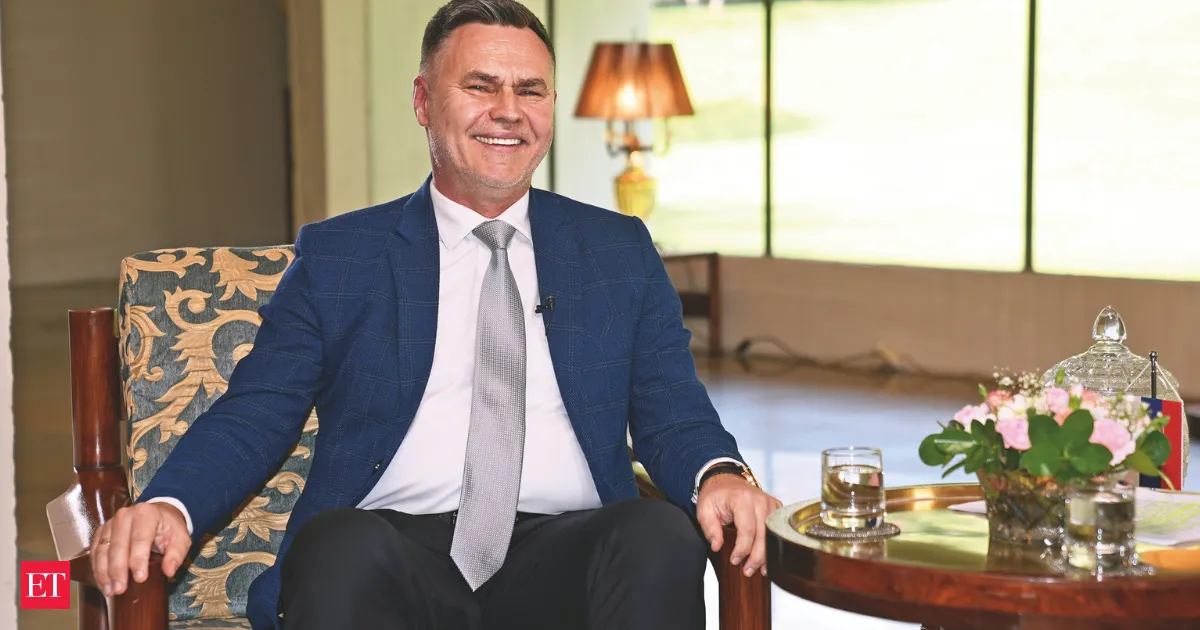
Slovakia and India are upgrading diplomatic and economic cooperation as they mark 33 years of relations with high-level exchanges. With an EU-India trade deal on the horizon, Slovakia expects stronger demand for its exports, especially luxury cars, while easier market access could further support the movement of Indian professionals already comprising the country’s second-largest workforce.
Maruti Suzuki India has selected six startups for its accelerator program to build new technology-driven business solutions for automotive operations. The partnership targets smarter plant safety and higher efficiency, with an expectation that product development cycles will shrink. It also aims to strengthen material traceability and improve customer engagement, helping the company modernize operations and prepare for what’s next.
Tata Technologies says customers are committing to fresh product cycles, helping strengthen loyalty and accelerating demand. The company is ramping up investments in automotive and industrial segments after securing a key vehicle development contract. It expects double-digit revenue growth this fiscal year, signaling stronger execution and tighter alignment with customer timelines across new launches.
Never miss a story
Set alerts for the topics and sources you care about. Download Beige for free.
German conglomerate Thyssenkrupp has cut its 2026 sales forecast, warning that weakening demand in both steel and automotive will likely drag revenue down by as much as 3%. The company points to broader economic slowdowns across Europe and is in the middle of restructuring its operations, signaling tougher times for industrial demand going forward.
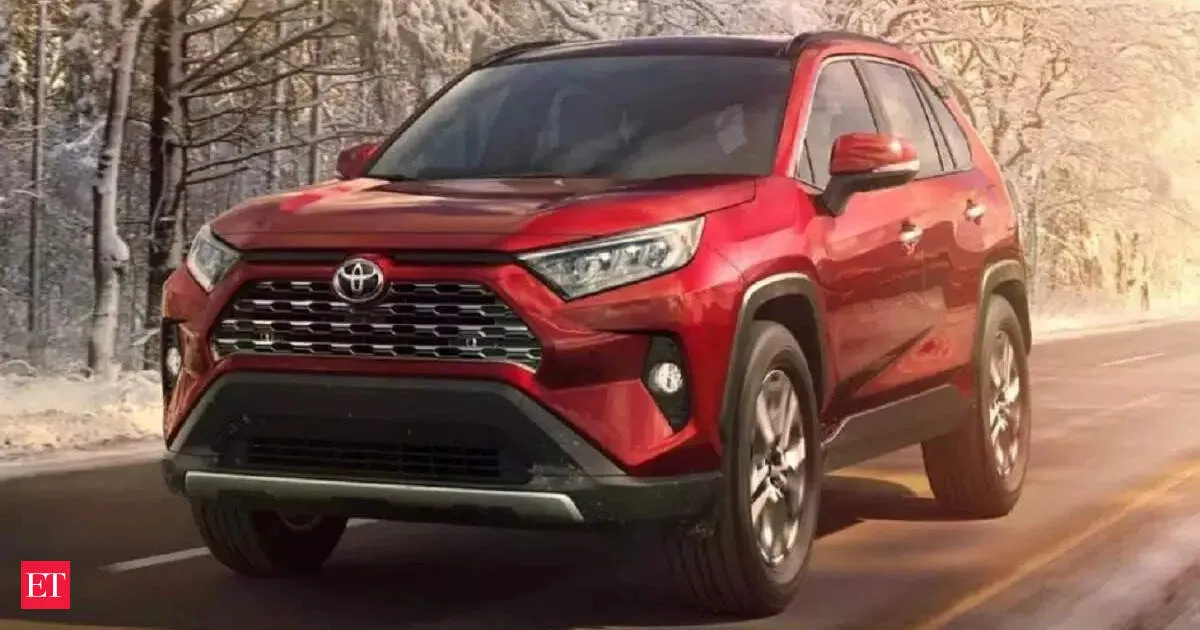
Toyota plans a ₹20,000 crore greenfield SUV plant at Bidkin Industrial Area in Maharashtra, targeting 100,000 vehicles annually. Production is set to begin in the first half of 2029, with about 2,800 direct jobs and a boost to Toyota’s total India capacity to nearly 450,000 units. The reported $2.1 billion figure comes from a state estimate, not Toyota.
Toyota has announced plans for a new car factory in Maharashtra that can roll out 100,000 vehicles a year. Production is expected to begin in the first half of 2029 at the Bidkin Industrial Area, with the plant set to produce a new SUV model. The project is estimated to generate about 2,800 jobs.
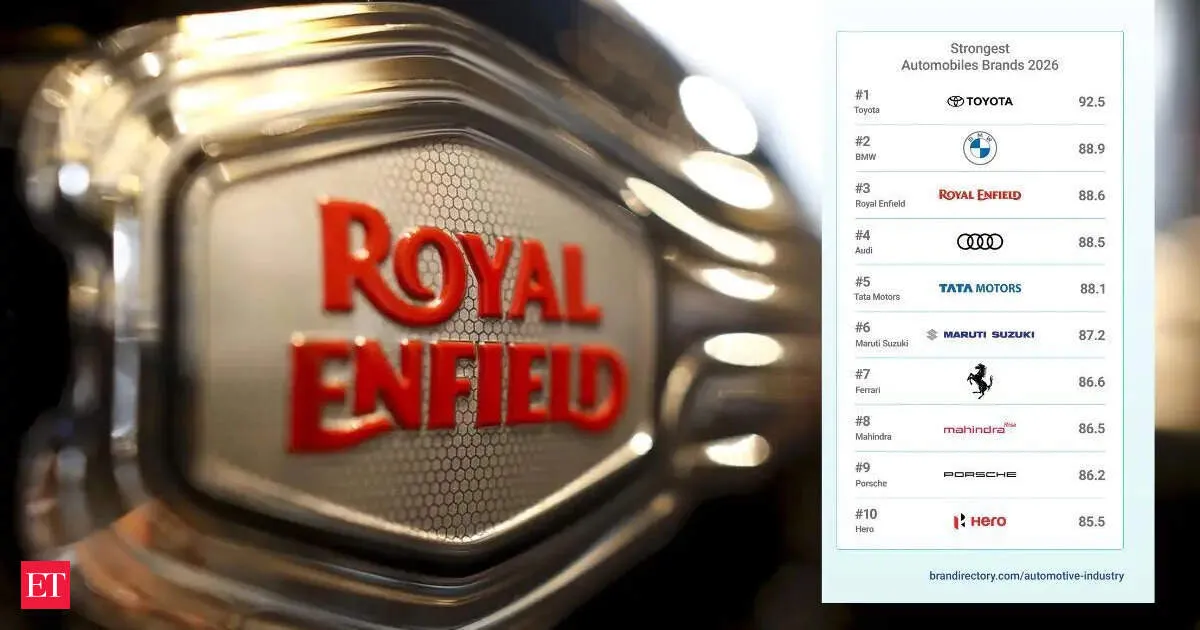
Royal Enfield has been ranked the world’s third strongest automotive brand, ahead of Audi and Ferrari, in the Brand Finance Automotive Industry 2026 report. The company scored 88.9 for brand strength with an AAA rating, while its brand value rose 30% to $1.2 billion, fueled by global expansion and demand for retro-style motorcycles.
Reading on mobile?
Open Beige in the app for a smoother experience — free on iOS and Android.
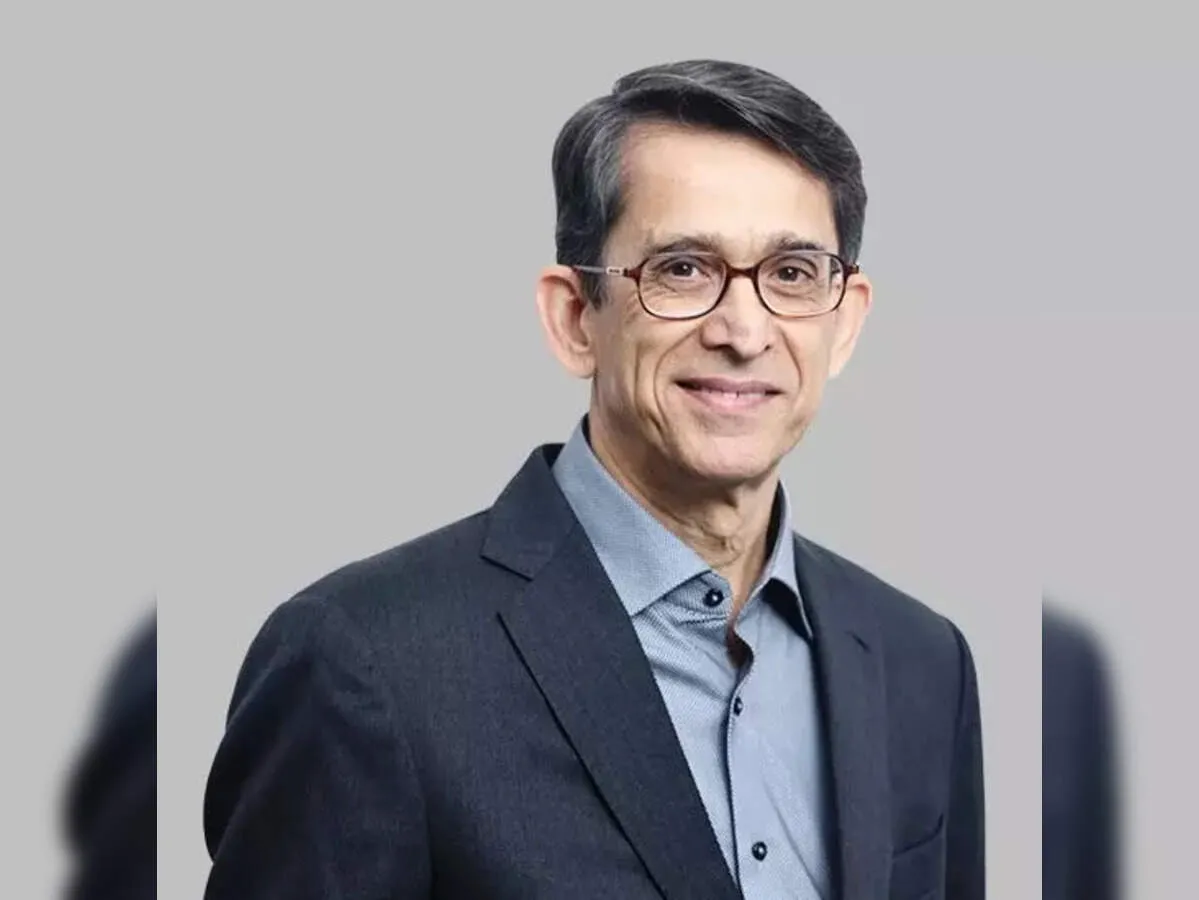
KPIT Technologies founder and chairman S B Ravi Pandit died on May 8, 2026. He launched KPIT in 1990 and later steered it to become a global player in automotive software, electrification, and mobility solutions. Under his leadership, KPIT worked with major automakers to develop advanced technologies shaping the transition to EVs and connected vehicles.
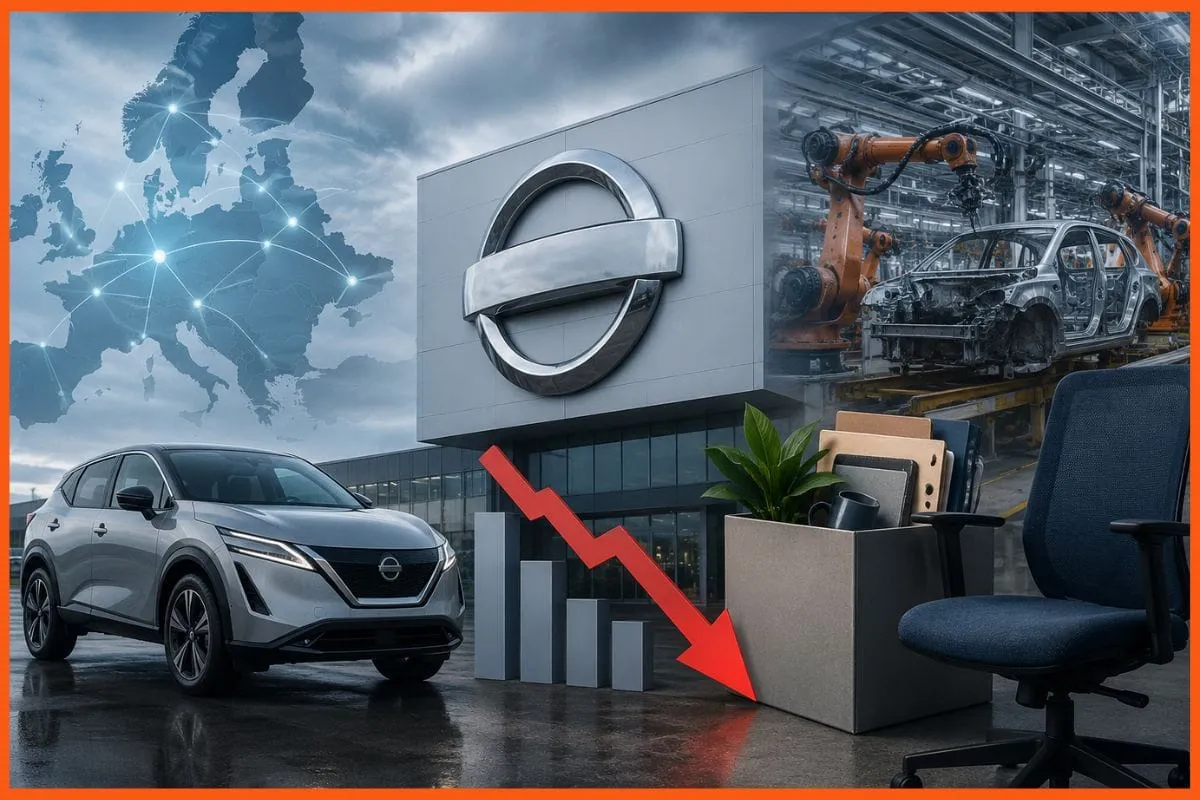
Nissan is restructuring its European operations by eliminating 900 jobs and consolidating production into its Sunderland, UK plant. The automaker will merge two assembly lines into one while making most changes across Europe rather than cutting production jobs at Sunderland. The move supports Nissan’s RE:Nissan recovery strategy aimed at reducing surplus capacity, boosting flexibility, and responding faster to demand shifts amid mounting EV and cost pressures.
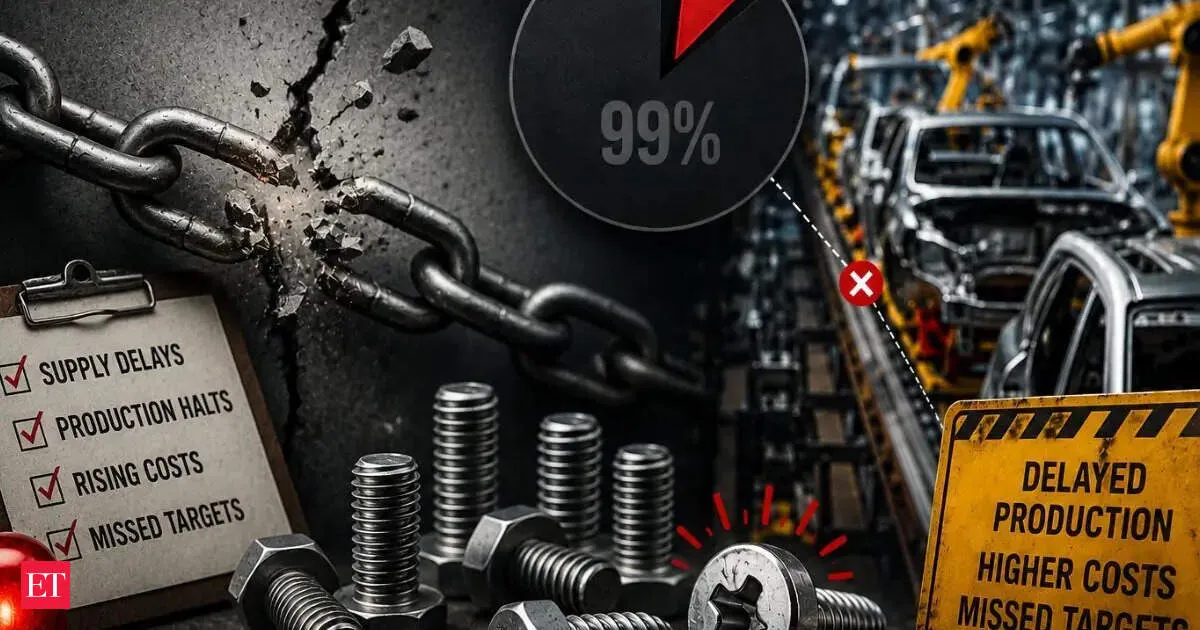
A new analysis warns that tight regulations on fasteners are creating disproportionate manufacturing headaches for India’s makers. The result: higher costs, tighter supply, and downstream disruptions in automotive and construction—industries that rely on “small but critical” components. The report argues for a simpler, risk-based compliance approach for safety-critical fasteners to protect Make in India goals.
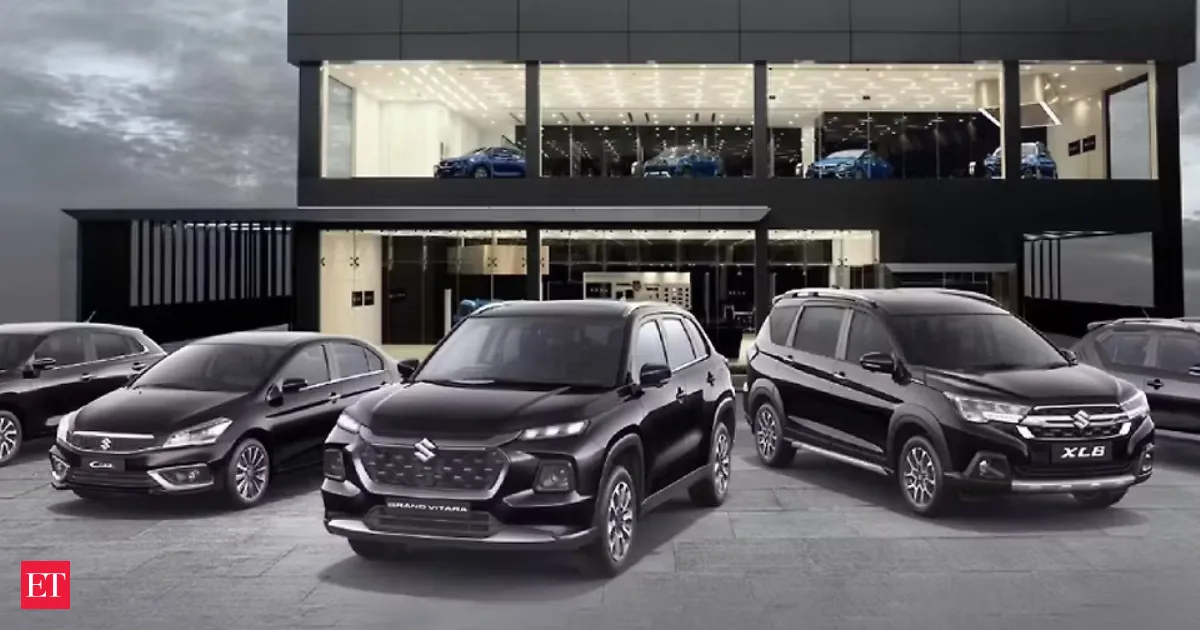
A decade after Nexa’s launch, Maruti Suzuki is gearing up for Nexa 2.0 to pull in aspirational younger buyers. But Nexa’s premium positioning is being stress tested by capacity constraints and heavy dependence on a handful of models. The big question: has Nexa built a durable brand identity—or merely upgraded the showroom experience while scaling stays tight.
Follow your favourite sources
Track sources, tags and categories — all in the Beige app.
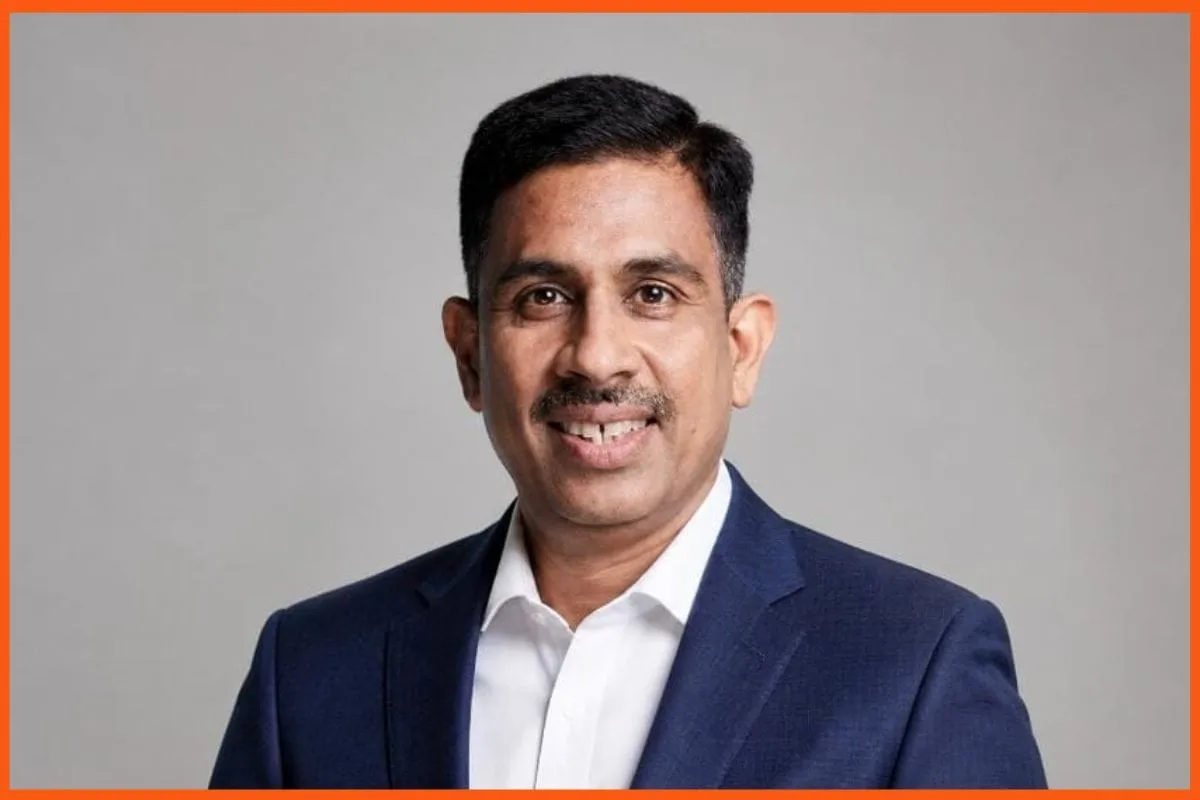
Porsche India, part of Škoda Auto Volkswagen India Private Limited, has appointed Ashutosh Dixit as Brand Director with immediate effect. The role follows Manolito Vujicic’s exit from the Group. Dixit brings 28 years in the automotive industry and nearly 20 years with the Volkswagen Group, including key work in Porsche’s Middle East and Africa market development for India.
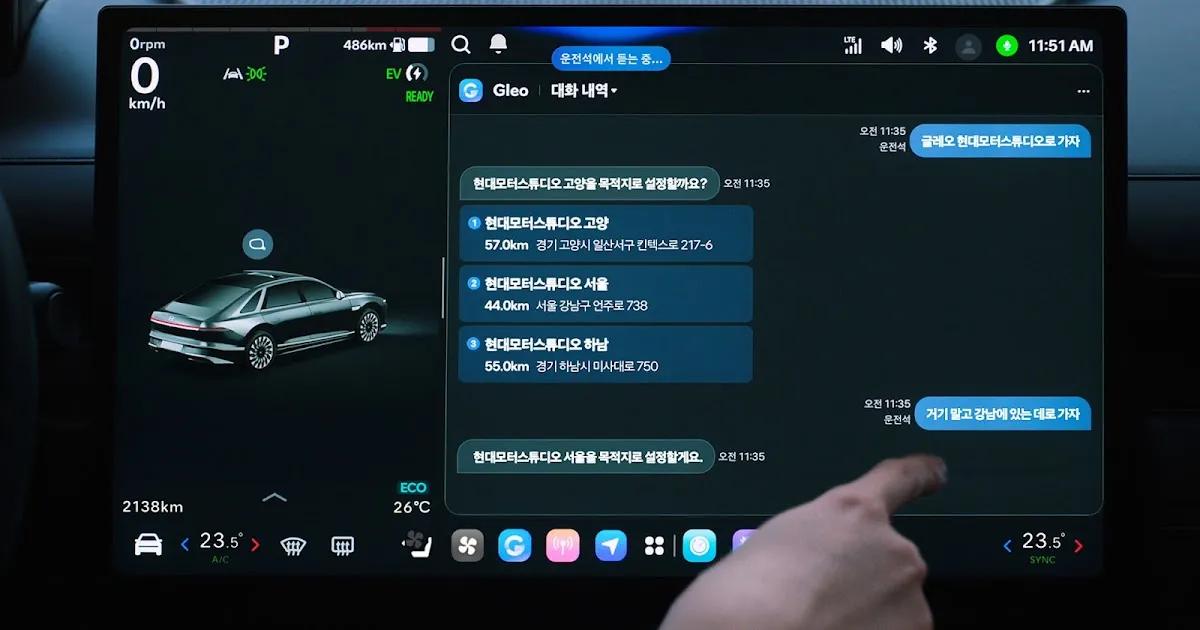
Hyundai Motor Group has unveiled Pleos Connect, an AI-powered infotainment platform built around intuitive design, safety-first physical controls, and continuous OTA upgrades. Rolling out first on the 2026 GRANDEUR in Korea and IONIQ 3 in Europe, Hyundai plans to equip 20 million Hyundai, Kia, and Genesis vehicles with the system by 2030, featuring the Gleo AI assistant and an app market.
Mahindra Group is rolling out AI across its business to lift profits and reshape operations. The automaker expects AI to generate over Rs 4,100 crore revenue in its automotive segment by FY27, alongside a 2–3 percentage point boost in customer satisfaction. Mahindra Finance plans to disburse Rs 10,000 crore using AI-driven customer acquisition, with AI also assisting loan collections.
Nissan plans to cut about 10% of jobs in Europe, putting roughly 900 roles at risk, as part of a wider global restructuring aimed at cutting costs and improving performance. In the UK, the automaker is changing how its Sunderland factory operates and is in talks with other companies to make use of additional space, signaling a push to stay resilient in a tough car market.
Stay informed on the go
Bite-sized news from 100+ trusted sources, right in your pocket.
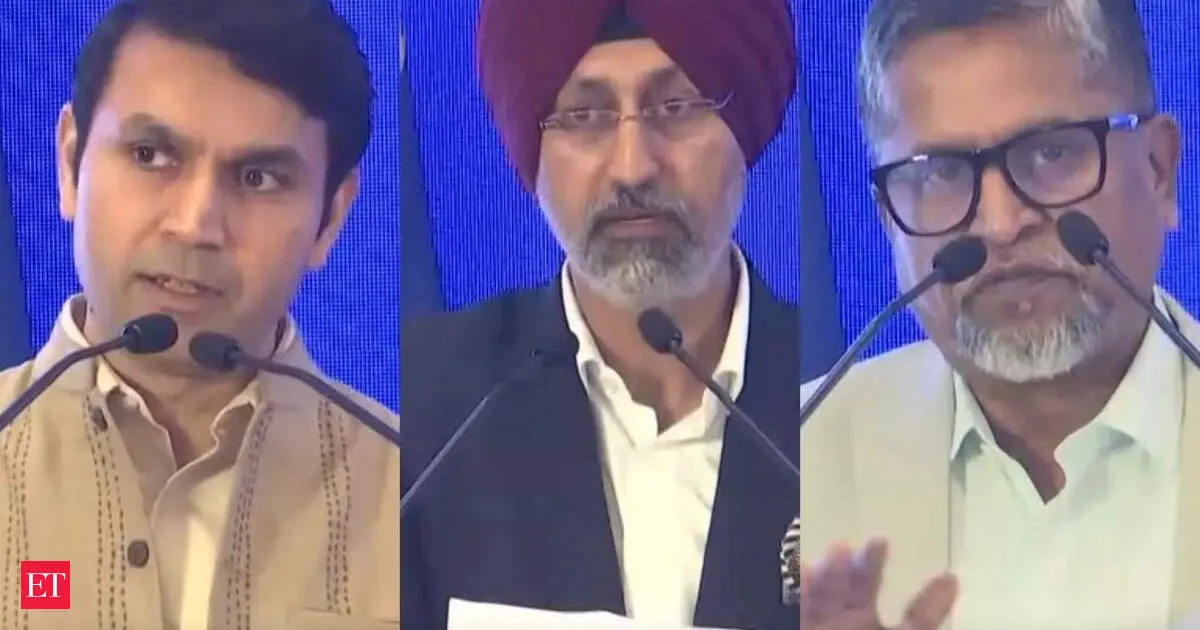
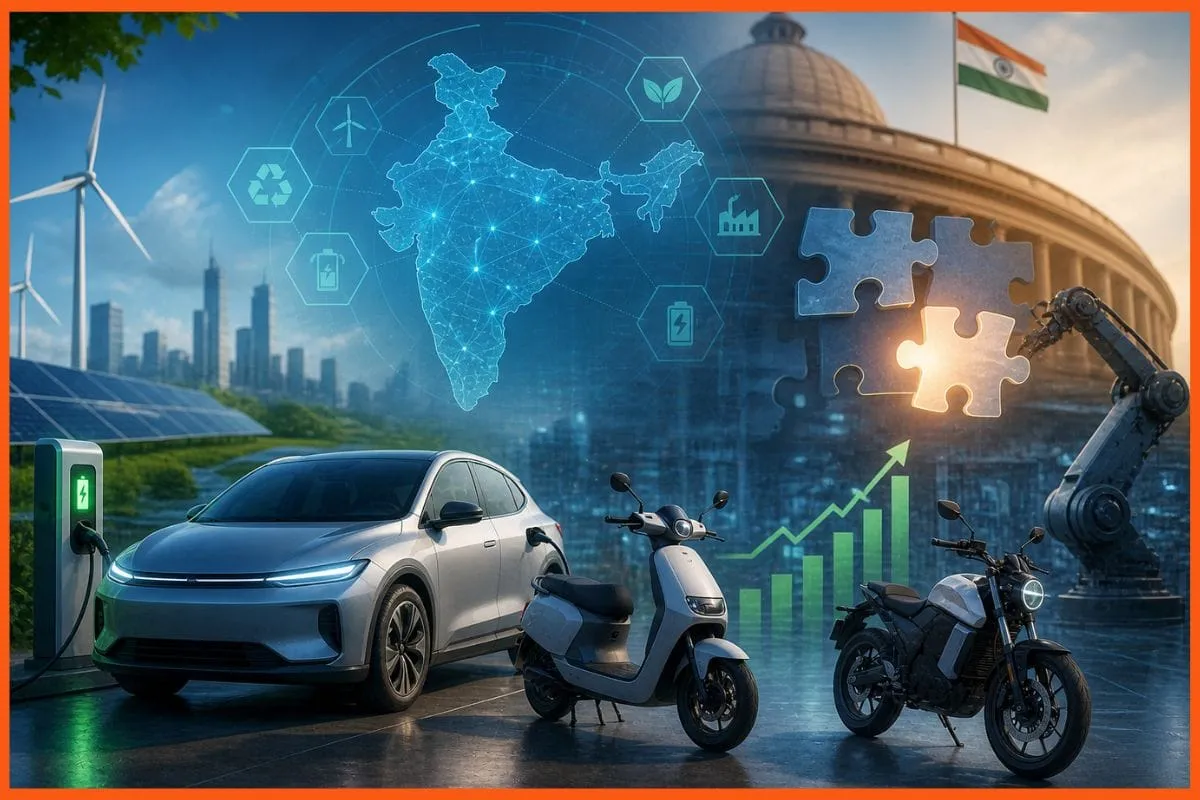
The Confederation of Indian Industry has urged the PMO to overhaul India’s EV auto PLI scheme after EV startups complained that current eligibility and selection rules create a cost disadvantage. CII, via six startup CEOs, wants a new application window and relaxed criteria, shifting focus toward R&D intensity, IP generation, and domestic value-add. A parliamentary panel report also cites low fund disbursal and high investment hurdles.
Germany’s economy could take a major hit if Donald Trump follows through on higher US tariffs on European cars and trucks. The Kiel Institute estimates the auto sector may lose about 15 billion euros in output, underscoring how exposed German manufacturers are to US trade swings. Analysts also note Trump has previously backed away from tariff threats.
Swipe through stories, personalise your feed, and save articles for later — all on the app.