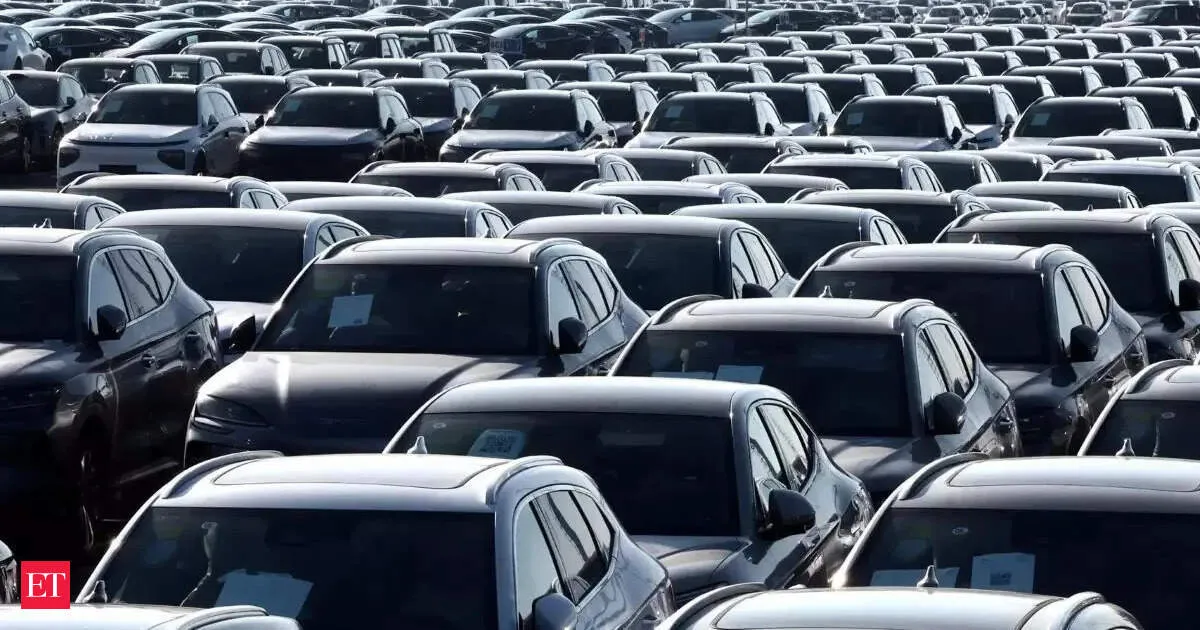
India’s automobile industry has kicked off FY27 with unexpectedly resilient momentum, even as geopolitical tensions and global economic worries linger in the background. Across segments, automakers are reporting healthy growth driven by solid consumer demand. Improved rural sentiment is playing an outsized role, while passenger vehicles and two-wheelers continue to gather steam. With these engines of demand accelerating at the start of the new fiscal year, the industry is leaning into early optimism for the months ahead.
TVS Motor Company says it is closely monitoring how the ongoing West Asia conflict may ripple into its business, citing rising input costs and supply chain disruptions. After its quarterly results, CEO K N Radhakrishnan pointed to pressure across commodity-linked items such as steel, aluminium and crude oil derivatives, alongside challenges like labor availability, gas supply and delays in on-time raw material deliveries in April. Still, he expects improvements in May and confidence of strong Q1 growth that could outpace the industry.
Your news, in seconds
Get the Beige app — every story in 60 words, updated hourly. Free on iOS & Android.
Honda says it has indefinitely suspended plans for a multi-billion-dollar EV plant in Canada, dealing another blow to a tariff-hit auto sector. With Canada deeply integrated into North America’s car supply chain, Trump-era tariffs are hitting the industry especially hard, raising pressure on automakers’ investment timelines and future production plans.
Carmakers are swinging for growth with a combined Rs 40,000-crore capex push. Maruti Suzuki plans a record Rs 14,000 crore investment in FY27 to add annual capacity for 500,000 cars, while Hyundai Motor India has earmarked Rs 7,500 crore for two new SUVs and higher output from its Talegaon plant. The bets signal confidence in demand and product expansion.
Maruti Suzuki is earmarking Rs 1,372 crore for green logistics infrastructure, aiming to raise rail-based vehicle dispatches to 35% by FY 2030-31. The company says the move will cut carbon footprint and fuel consumption. It also highlights that rail dispatches have already surged over the past decade, crossing 30 lakh units.
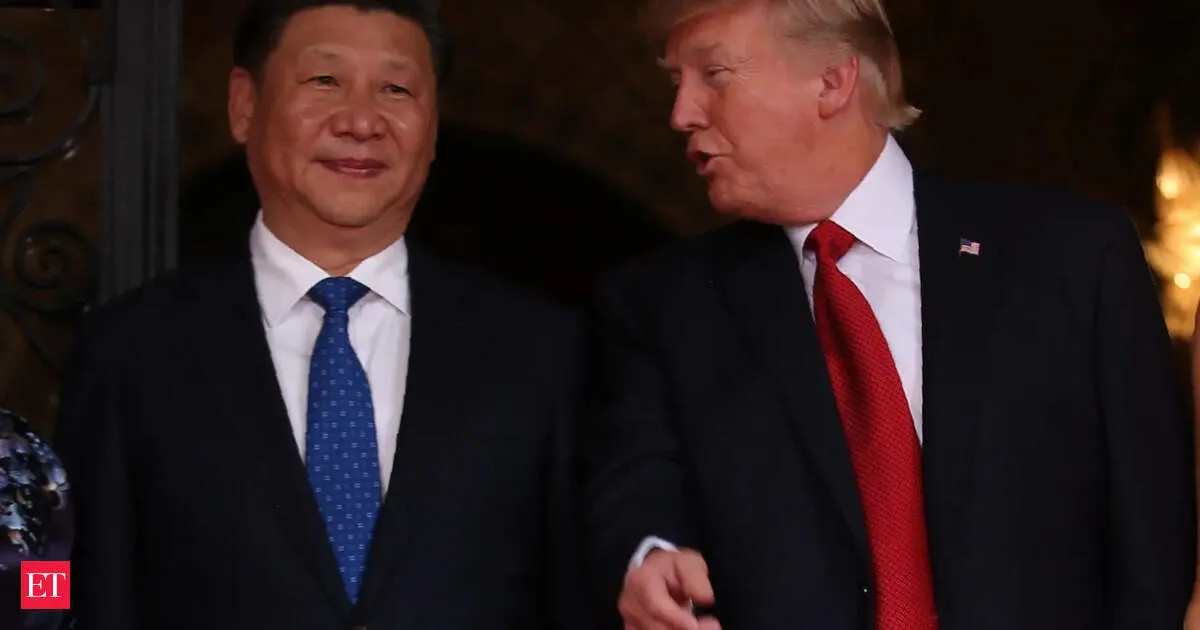
Ahead of President Donald Trump’s meeting with Xi Jinping, Detroit’s automakers, unions, and bipartisan lawmakers are urging a hard line: reject any arrangement that would give Chinese car brands access to the U.S. market. The push reflects fears of renewed competition, jobs pressure, and leverage shifts—especially if the two leaders trade economic concessions around autos.
Never miss a story
Set alerts for the topics and sources you care about. Download Beige for free.
U.S. industry groups and bipartisan lawmakers are urging President Trump not to allow Chinese auto investments ahead of his summit with Xi. They cite fears of Chinese firms gaining market dominance and potential data-security risks. With Chinese EV makers expanding in Europe and Mexico through low prices, U.S. stakeholders warn U.S. production could take a major hit.
Hyundai Motor India’s March quarter net profit fell 23% year-on-year to Rs 1,221 crore, even as revenue rose 5% to Rs 18,452 crore. The automaker logged its highest-ever quarterly domestic sales and flagged an expansion in manufacturing capacity. For FY27, it plans to launch two new models and has declared a Rs 21 per share dividend.
Tata Motors has launched a voluntary retirement scheme after union demands, allowing eligible permanent employees aged 40 to 55 to opt out. Around 300 staff have reportedly enrolled so far. The VRS offers flexible compensation choices and medical benefits, as the auto maker looks to streamline operations and reduce its manufacturing footprint.
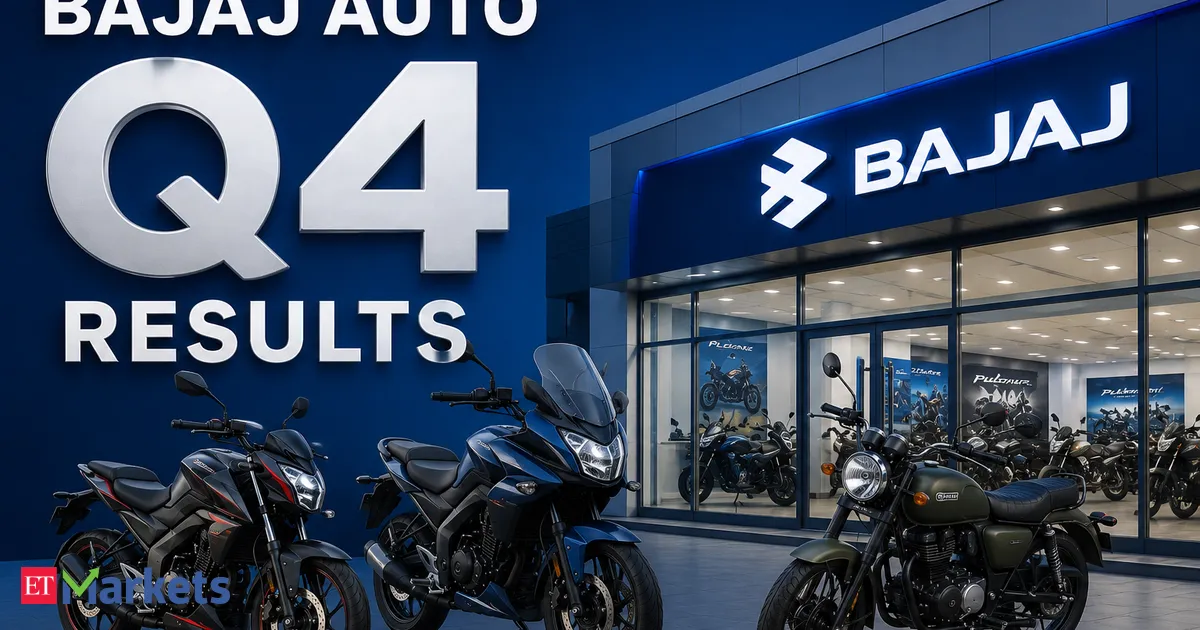
Bajaj Auto posted its highest-ever quarterly net profit of ₹2,746 crore, driven by a broad-based rise in vehicle sales across its brands. The company also reported strong export growth, cushioning concerns about an industry slowdown. Despite expectations of softer conditions, Bajaj Auto is optimistic, citing a strong product mix and export strength, while full-year revenue and profit reached new highs.
Reading on mobile?
Open Beige in the app for a smoother experience — free on iOS and Android.
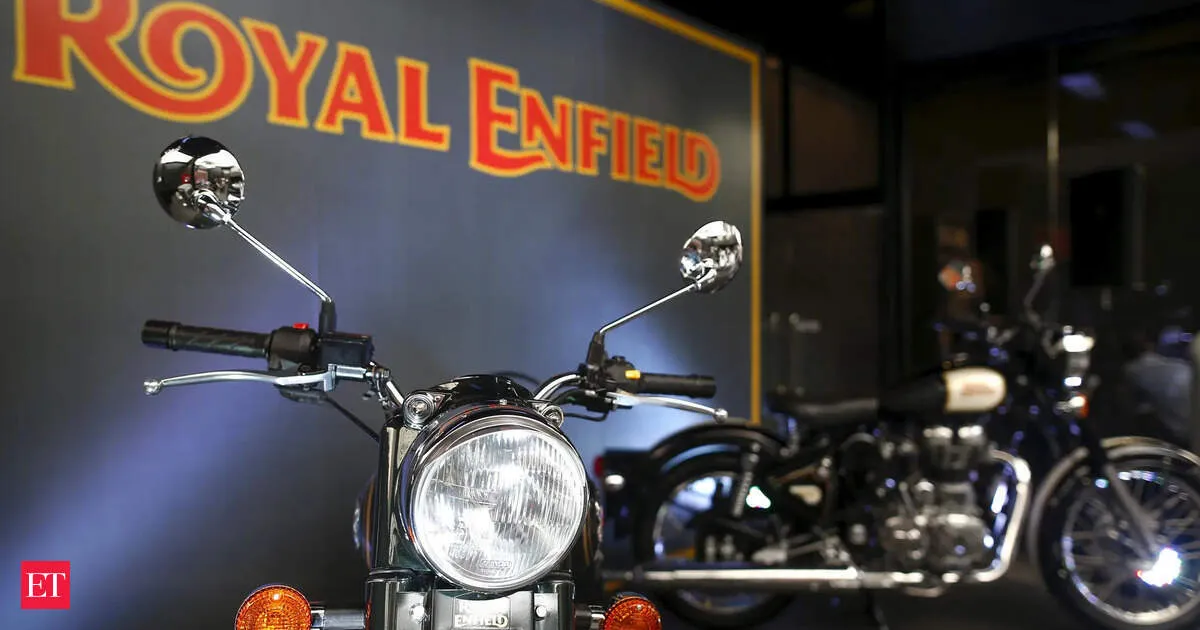
Royal Enfield will invest Rs 2,200 crore to build a new manufacturing facility and vendor park in Andhra Pradesh, its first expansion beyond Tamil Nadu. The plant is set to sharply raise the company’s annual motorcycle production capacity and is expected to generate thousands of jobs, giving a major boost to the state’s manufacturing sector.
Bajaj Auto posted a standalone net profit of Rs 2,746 crore for the March-ended quarter, up 34% year-on-year from Rs 2,049 crore. Revenue also rose 32%, signaling stronger operating momentum. Alongside the earnings, the company announced a Rs 150 per share dividend, adding immediate value for investors.
Mahindra & Mahindra shares surged after better-than-expected March quarter results, helped by gains in the automotive business and stronger farm equipment market share. However, the outlook has a caveat: tractor volume growth could slow due to a high base and a potentially weaker monsoon. Even with price hikes, rising input costs squeezed EBITDA margins sequentially.
Hero MotoCorp reported strong Q4 earnings for the January–March quarter of FY26, with profit rising 30% year-on-year to Rs 1401 crore. The company also posted record revenue and announced a dividend of Rs 75 per share, signaling improving performance even as investors watch demand trends and pricing dynamics.
Follow your favourite sources
Track sources, tags and categories — all in the Beige app.
Mahindra and Mahindra reported a sharp 41.65% year-on-year rise in consolidated profit to Rs 4,667.57 crore for Q4 FY26, up from Rs 3,295.17 crore in the same quarter last year. The results set the stage for investors to watch the final dividend and other updates that could shape sentiment going forward.
India’s auto industry is bracing for a bruising FY26, with forecasts projecting a Rs 25,000 crore profit hit. The pressure comes from stricter end-of-life vehicle environmental rules, reportedly applied retroactively to earlier vehicle sales. Automakers and suppliers now expect higher compliance costs and margin erosion, reshaping fiscal planning across the sector.
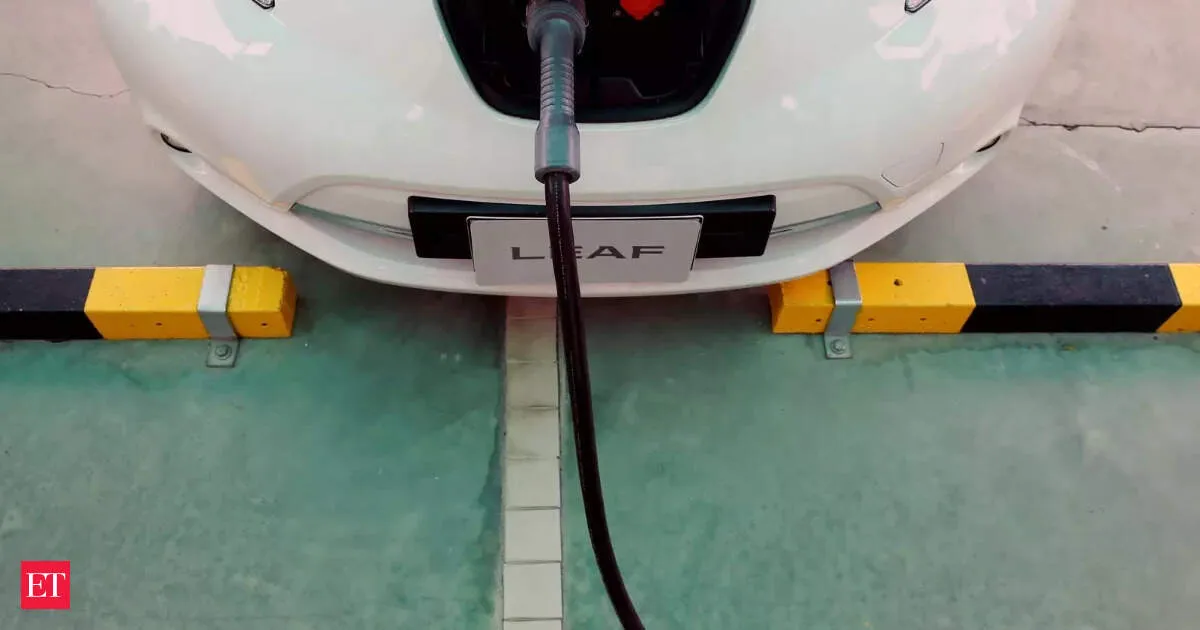
India’s electric vehicle market started the new fiscal year on a strong note in April. Sales of both electric cars and two-wheelers rose sharply year-on-year, supported by new model launches and growing consumer interest. Though April figures slipped from March’s peak, the bigger picture points to sustained momentum for electric mobility as fuel-price concerns push buyers toward EVs.
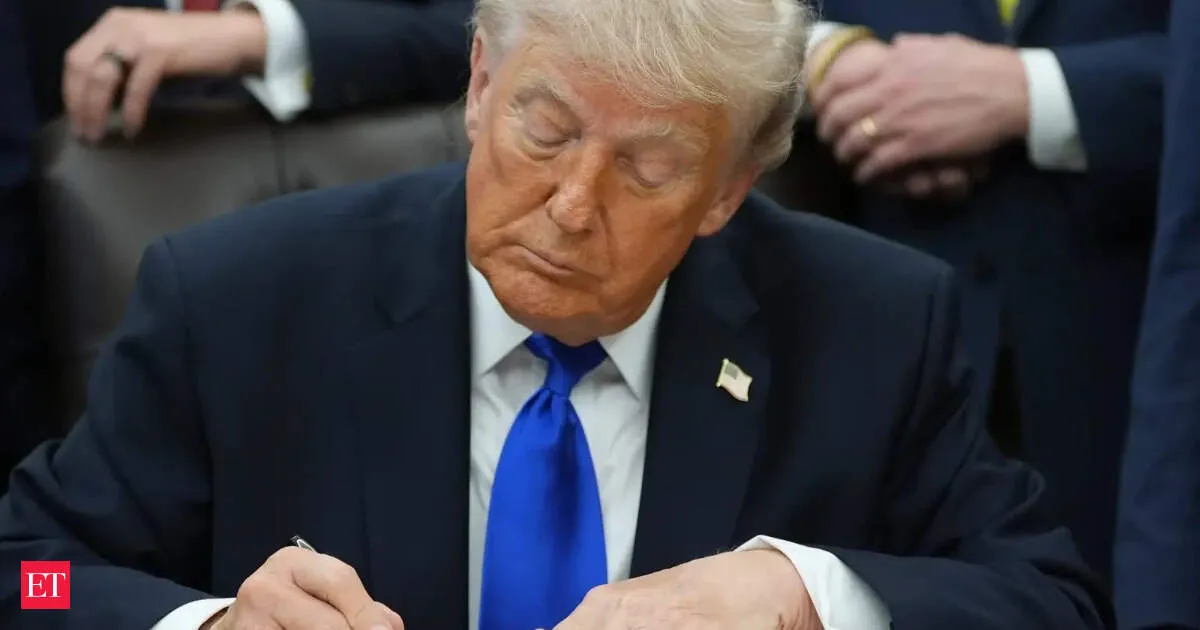
US President Donald Trump says tariffs on cars and trucks imported from the European Union will rise to 25 percent, starting as early as next week. He also claims vehicles manufactured in American plants will be exempt from the new duties, a move that could reshape supply chains and pricing across the transatlantic auto trade.
Stay informed on the go
Bite-sized news from 100+ trusted sources, right in your pocket.
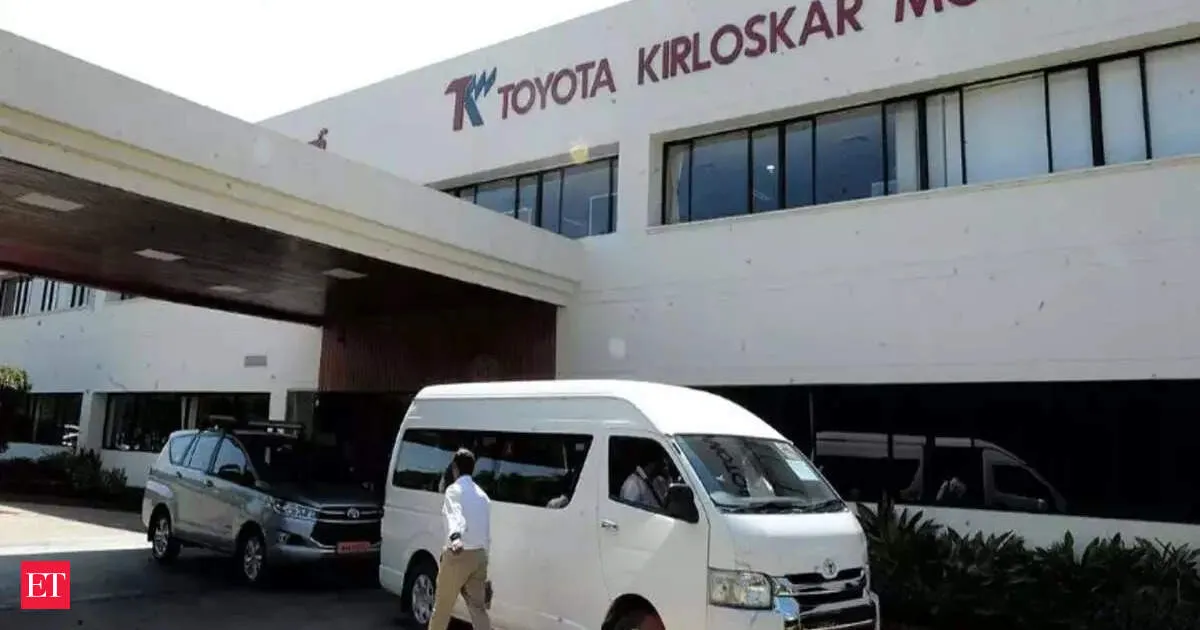
Toyota Kirloskar Motor reported a 17% rise in total sales for April 2026 to 32,086 units. Domestic sales grew 21% to 30,159, highlighting strong consumer demand. Exports declined 23%, but the company linked the overall performance to customer focus and product quality.
Maruti Suzuki is set to commit a record Rs 14,000 crore capex in FY27 to expand manufacturing capacity and clear a growing order backlog. With current facilities running at full capacity, the automaker will add new production lines in Haryana and Gujarat, prioritizing demand recovery for small cars.
Swipe through stories, personalise your feed, and save articles for later — all on the app.