Honda Motor reported its first annual loss in nearly 70 years, sliding to 414.3 billion yen. The company blamed U.S. tariffs and steep restructuring costs tied to its electric vehicle push, with EV-related losses topping $9 billion. Honda said more expenses may follow but expects to swing back to profitability within the current fiscal year.
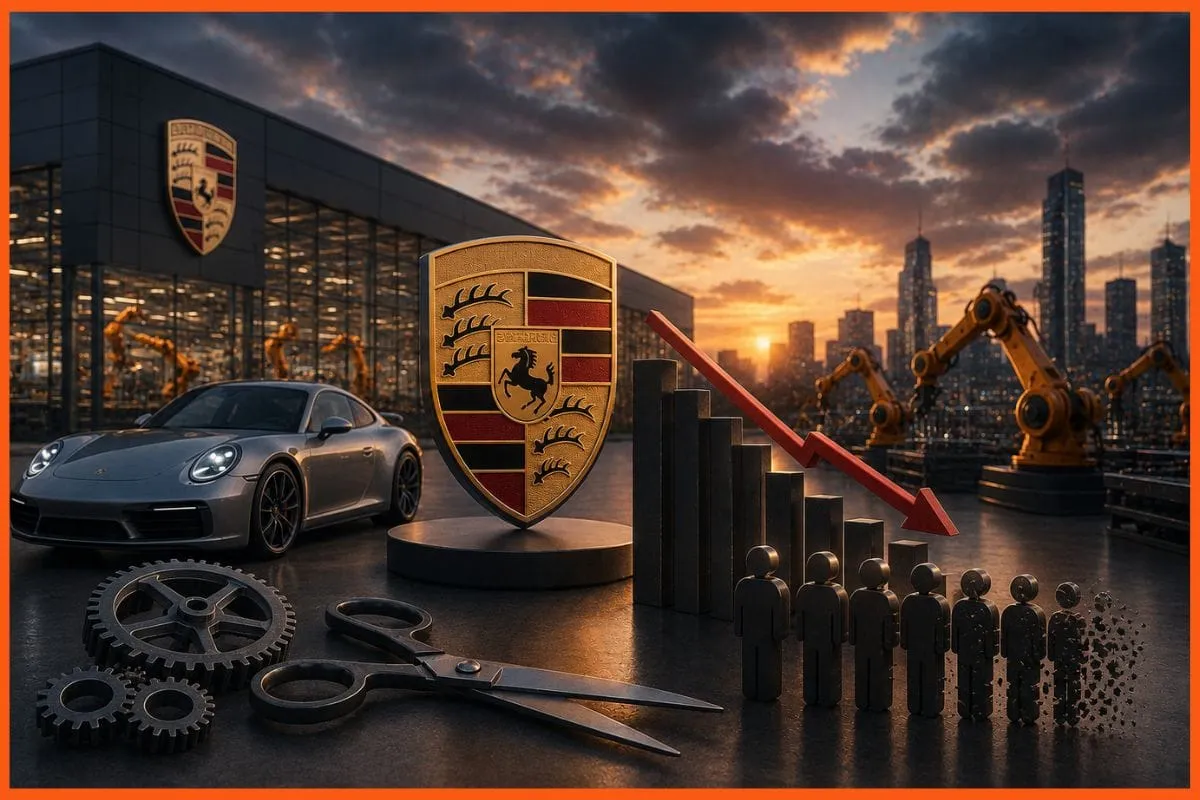
Porsche is cutting more than 500 jobs and closing three subsidiaries as falling EV demand and weaker China sales squeeze profits. The restructuring shifts focus back to its core car business, shutting Cellforce Group’s battery operations, ending Porsche eBike Performance, and closing Cetitec’s software and digital communications unit. The move signals a broader luxury auto recalibration.
Your news, in seconds
Get the Beige app — every story in 60 words, updated hourly. Free on iOS & Android.
Auto industry executives say ELV compliance rules have turned the sector non-compliant after a policy shift barred the use of other steel scrap for meeting requirements. With the FY26 scrap target missed by 70%, companies warn that rising future targets may be impossible without revisiting the policy, calling the current approach unrealistic and unworkable.
Hyundai Motor India is planning Rs 7,500 crore in capex by FY27, targeting a comeback to reclaim the No 2 spot in India’s passenger vehicle market. The company expects 8-10% growth in domestic sales and exports and will launch two new models this year, including a mass-segment electric SUV aimed at boosting scale and competitiveness.
Ford has reportedly assembled a “skunk works” team mixing Silicon Valley tech talent with Detroit auto veterans to build a $30,000 electric truck aimed at challenging China’s momentum. The CEO frames it as a “Model T moment,” signaling a potential shakeup in how vehicles are engineered and manufactured rather than just another model launch.
Hyundai Motor India is celebrating 30 years in the country, reiterating its long-term commitment to India’s mobility future. The automaker says it has invested heavily so far and plans further expansion in manufacturing and electrification. With sales milestones and growing exports, Hyundai aims to strengthen India’s role in its global strategy, while rolling out new products and expanding service networks nationwide.
Never miss a story
Set alerts for the topics and sources you care about. Download Beige for free.
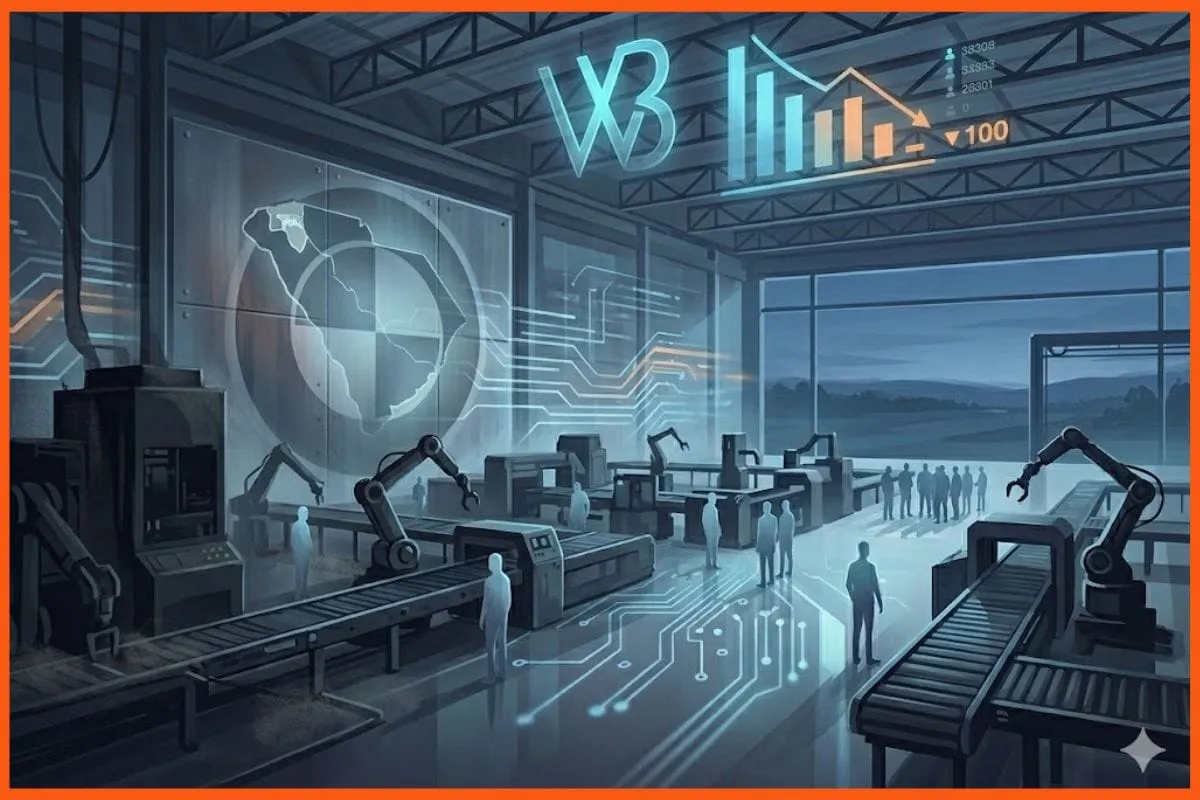
BMW’s Greer-area manufacturing hub in South Carolina is set to lose about 100 jobs as contractor Univar Solutions exits onsite waste management services. The state received notice of 99 permanent layoffs tied to June 28. The timing suggests the production line may continue, but the contractor network around the plant is reshuffling—another hit to the Upstate auto supply ecosystem.
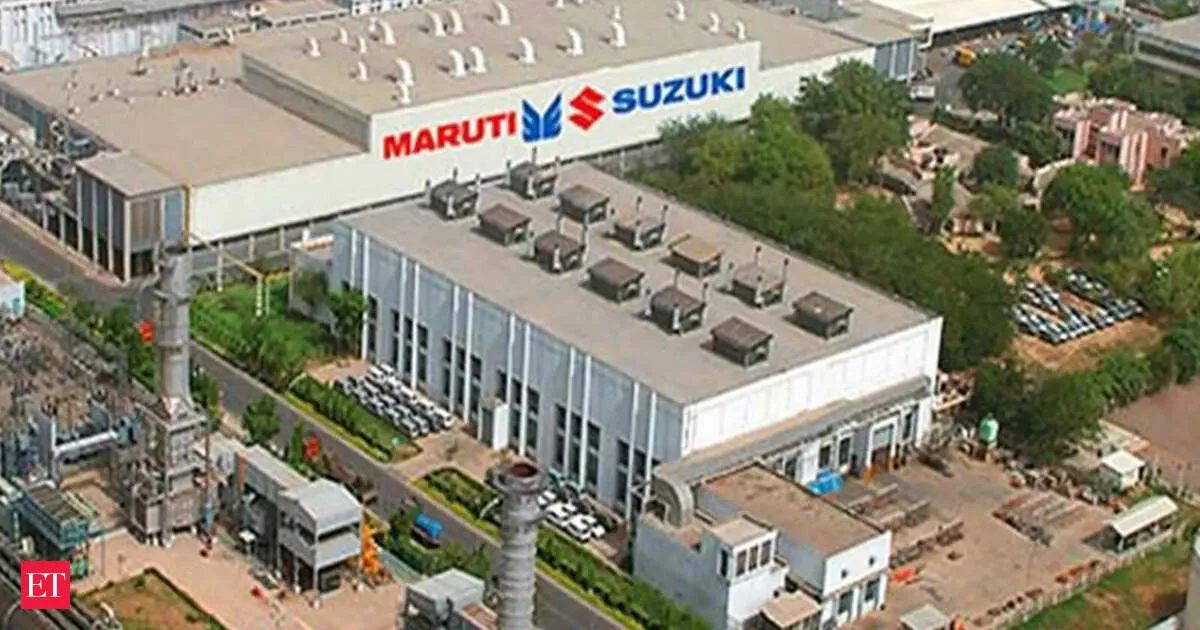
Maruti Suzuki expects double digit growth in FY27, driven by firm domestic demand that is currently outstripping supply. The automaker is expanding production capacity to clear pending orders, while recent GST cuts and lower interest rates continue to support sales. To reduce geopolitical risk from West Asia tensions, it is also diversifying its export markets.
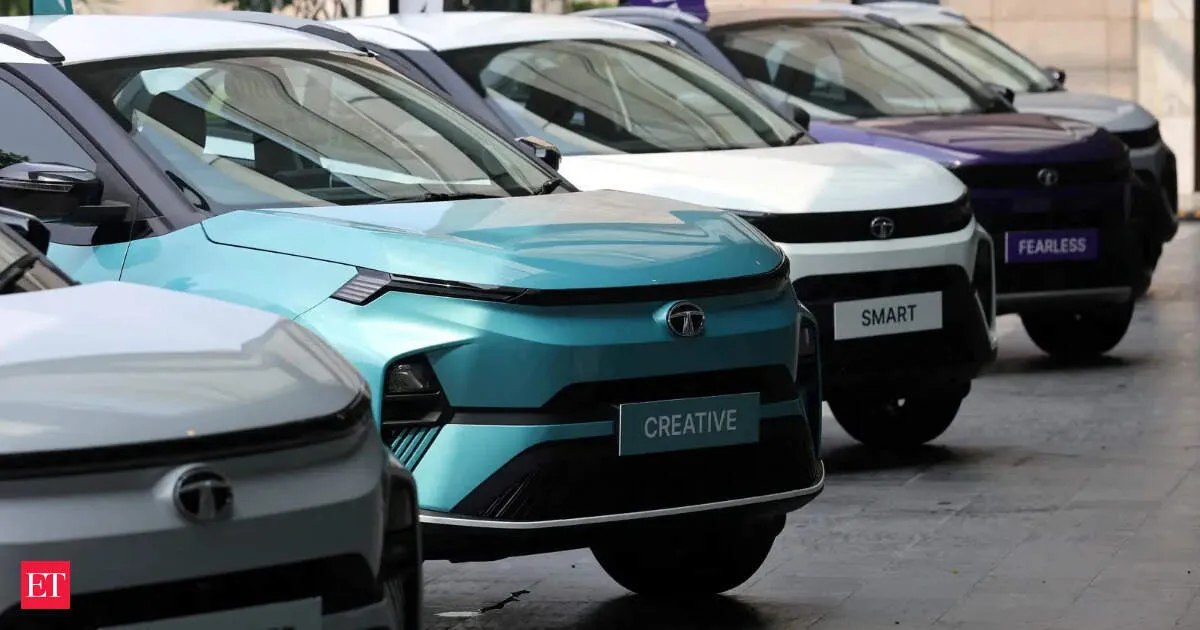
Tata Motors Passenger Vehicles reported a 31.12% rise in April 2026 sales to 59,701 units. Domestic sales grew 30.5%, while international deliveries more than doubled. Electric vehicle sales climbed 72.1%, indicating growth across segments rather than a single market driver.
Electric vehicle startups are calling for a major rethink of India’s production-linked incentive scheme for automobiles, saying PLI Auto’s eligibility rules favor established automakers. Despite EV-first firms leading on technology and localization, they’re excluded and forced to compete at a cost disadvantage. Founders want reforms that better match India’s rapidly evolving EV ecosystem.
Reading on mobile?
Open Beige in the app for a smoother experience — free on iOS and Android.
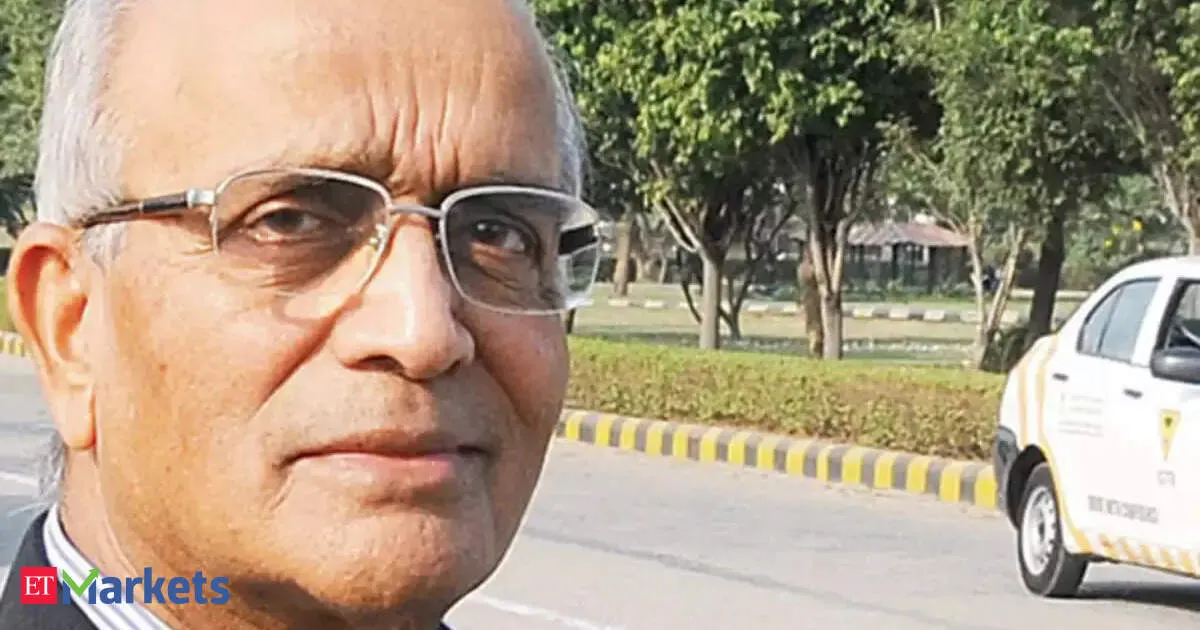
Maruti Suzuki expects 10% volume growth in FY27, aided by new production lines and steady demand, notably from rural markets. Still, RC Bhargava cautions that margin recovery will be gradual as the firm manages input cost pressures. Exports are expected to remain stable, keeping the company broadly positioned for the year ahead.
Maruti Suzuki’s March-quarter net sales surged 29% to Rs 50,078.70 crore, topping Rs 50,000 crore for the period. However, standalone net profit fell 7% to Rs 3,590.5 crore, down from Rs 3,857.3 crore a year ago, driven mainly by higher commodity costs and mark-to-market impact.
Rising tensions in West Asia are pushing up prices of key auto inputs like steel, metals, and plastics, squeezing industry margins. Analysts warn that profitability pressure could translate into higher vehicle prices and a slowdown in demand across segments. If costs don’t cool, automakers may have little choice but to pass the burden to consumers.
Mercedes-Benz India’s chief says the automaker’s EV push is set to speed up, with a slate of new electric models planned for the next 18 to 20 months. The company aims to expand its EV presence across multiple segments, signaling a broader strategy to meet India’s growing demand for sustainable mobility.
Follow your favourite sources
Track sources, tags and categories — all in the Beige app.
Mahindra & Mahindra has exited its interest in Turkey’s Erkunt Foundry, selling its stake to a consortium led by Hisarlar Makina Sanayi. The company says the move is part of its capital allocation strategy. The transaction is reported at 100,000 Turkish Lira, with control transferred to the new consortium.
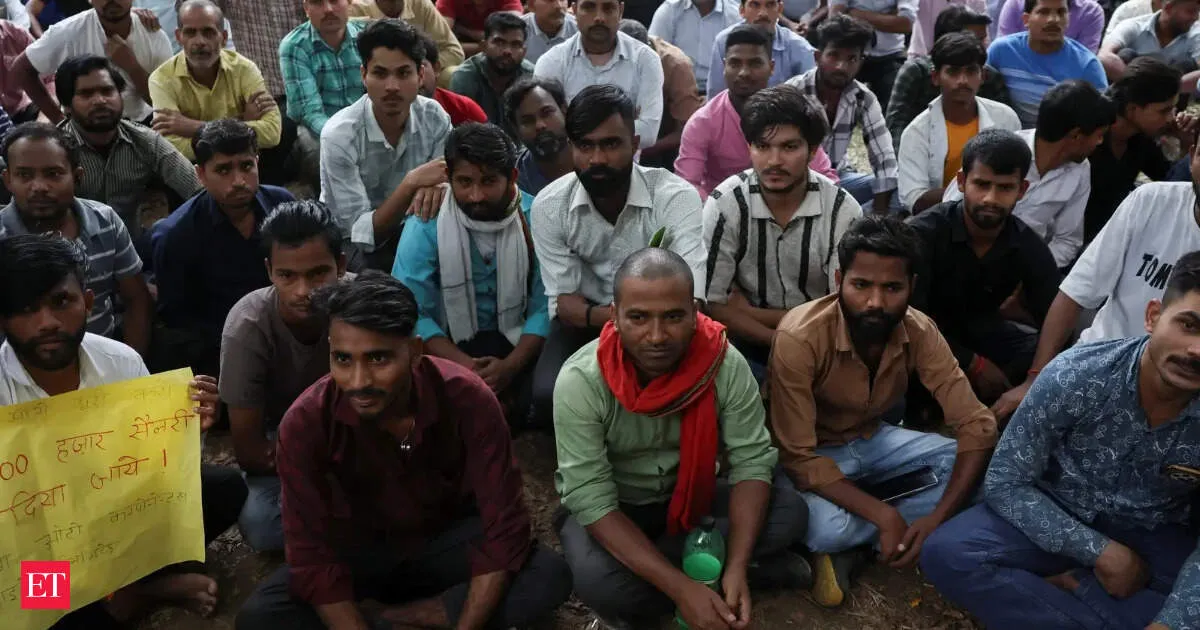
Haryana has increased minimum wages by 35% for unskilled workers following factory protests and work boycotts driven by higher living costs, surging food prices, and disrupted gas supplies. The government says the move will ease pressure on labourers, but industry expects it to raise operating costs for India’s auto sector.
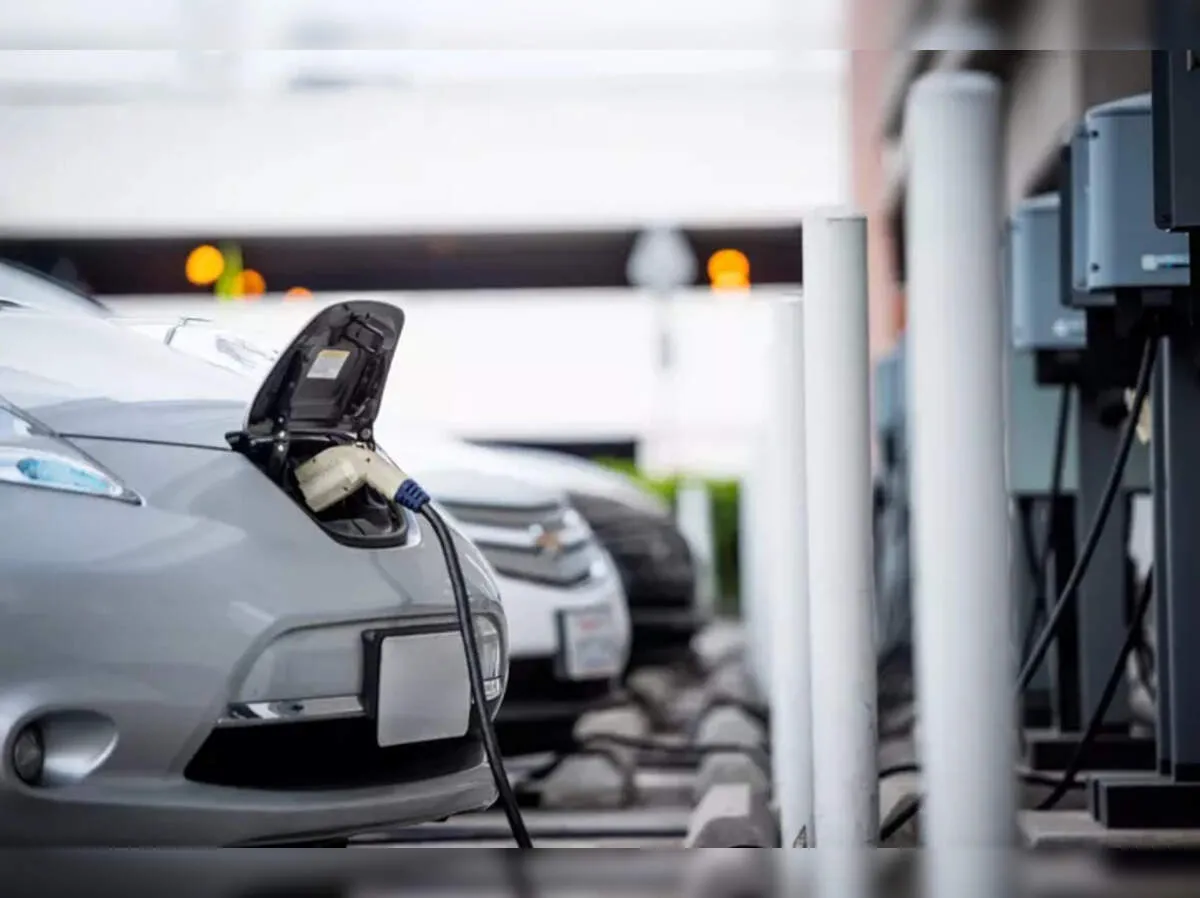
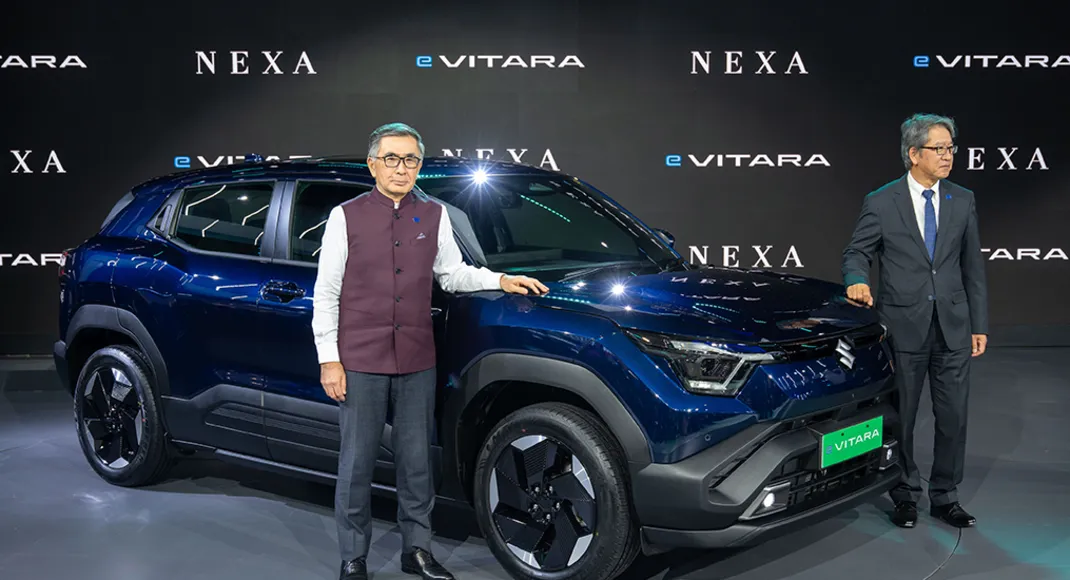
EV penetration in India is losing steam for cars, two-wheelers, and three-wheelers after GST rates for internal combustion engine vehicles were reduced under GST 2.0. As ICE models become more price-competitive, buyers are shifting away from EVs—despite new launches like Maruti’s eVitara. The result is slower EV adoption across multiple segments.
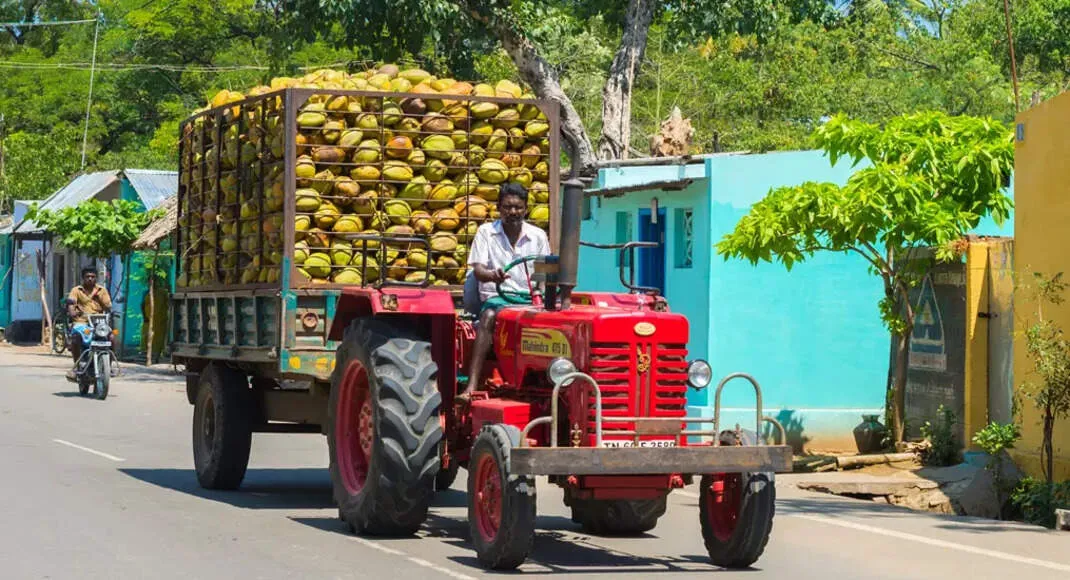
India has overtaken US and China to become the world’s biggest tractor market, now capturing about half of global wheeled-tractor sales. That rise is happening despite slow agri GDP growth and shrinking farm sizes. With farming not doing the heavy lifting, the question is: what demand is really propelling tractor sales across India?
Stay informed on the go
Bite-sized news from 100+ trusted sources, right in your pocket.
Tesla says it will add more than 1,000 jobs in Germany, a rare bright spot for an auto industry facing layoffs. While German automakers struggle with high costs and fierce competition from China, Tesla’s move signals potential momentum and a different bet on future demand and production capacity in Europe’s biggest auto market.
The Society of Indian Automobile Manufacturers (SIAM) says the West Asia war may hurt India’s auto sector in the near term. SIAM president Shailesh Chandra warned of rising input costs, supply chain disruptions, and added pressure on logistics, all of which could impact production and timely movement of vehicles and components.
Swipe through stories, personalise your feed, and save articles for later — all on the app.