Agneyastra Energetics Limited, the defence arm’s subsidiary under Bharat Forge’s Kalyani Strategic Systems, has broken ground on a new strategic manufacturing facility near Madakasira in Andhra Pradesh. The integrated 1,000-acre campus will receive a planned ₹1,500 crore investment over the next 2–4 years, featuring advanced manufacturing, high-safety testing, and dedicated logistics. Backed by decades of group expertise, the project is expected to create about 800 direct and 2,500 indirect jobs while pushing import substitution in advanced energetics and ammunition.
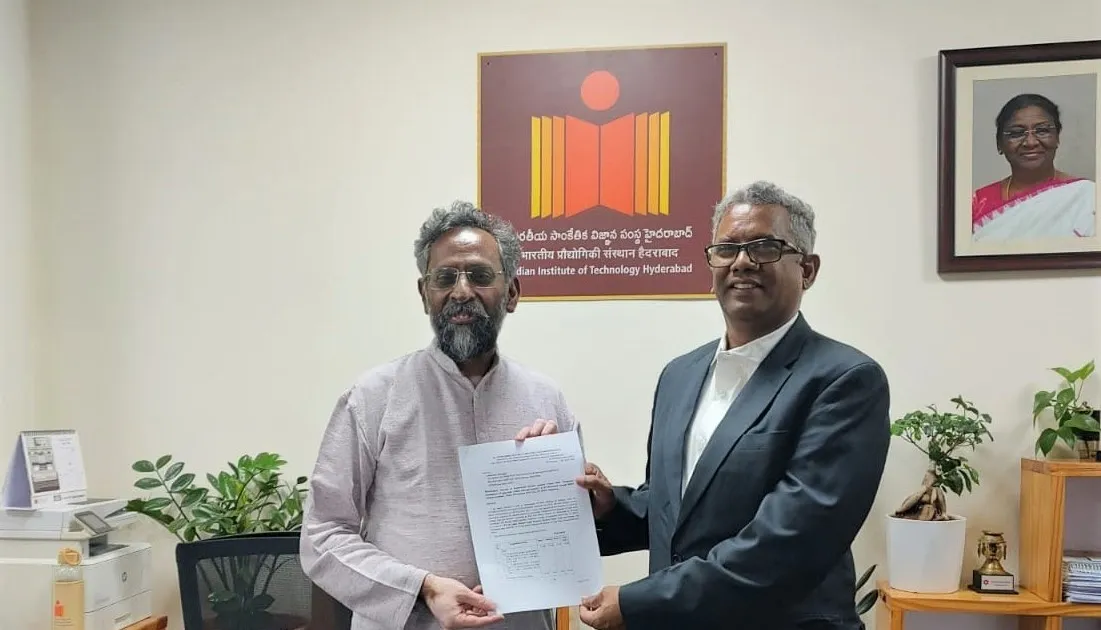
IIT Hyderabad has teamed up with DRDO’s Defence Metallurgical Research Laboratory (DMRL) and Hyderabad-based Innomet Advanced Materials to develop India’s first large-scale 100 kg inert gas atomizer. Funded through DRDO’s DIA Centre of Excellence at IIT BHU, the project will create high-purity spherical alloy powders for aerospace, defence, additive manufacturing, and strategic applications. Set up at Innomet’s premises, the facility will also support DRDO and IIT Hyderabad research for five years and scale from an earlier 10 kg success.
Your news, in seconds
Get the Beige app — every story in 60 words, updated hourly. Free on iOS & Android.
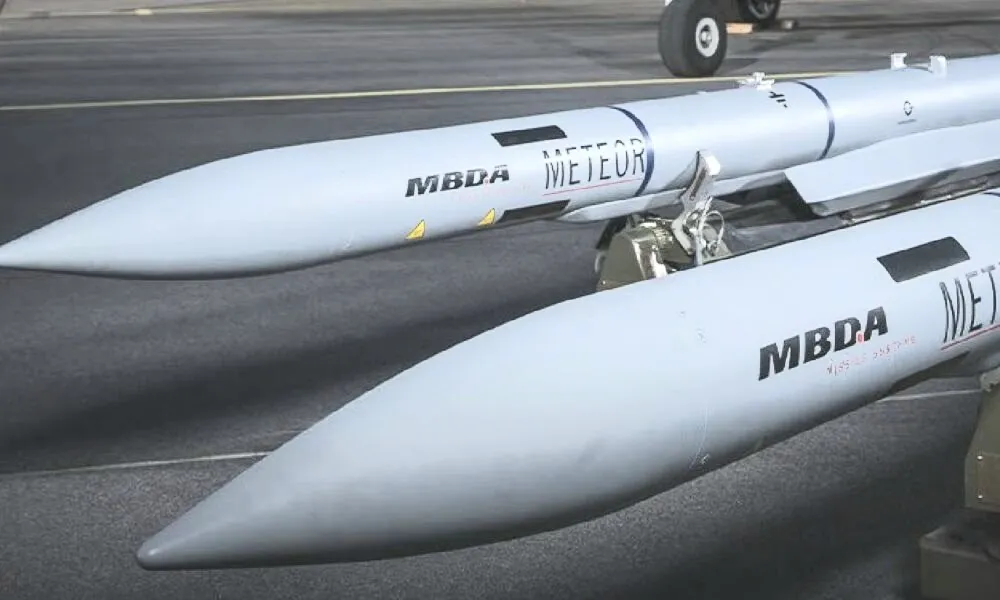
France’s MBDA and India’s Air Force have agreed to set up an IAF-run MRO facility in India for MICA missiles, covering maintenance, repair, and mid-life overhauls. The plan is set to speed up missile turnaround times and reduce overseas servicing, boosting readiness and self-reliance. However, India won’t get production rights, and future missile upgrades still require new purchases from MBDA.
Delhi Metro has approved indigenously manufactured platform screen doors for stations across its upcoming Phase IV and Phase V corridors, aligning with the Centre’s push for at least 75% local manufacturing. Full-height PSDs will be installed at underground stations for better safety and climate control, while half-height doors will be used on elevated stretches.
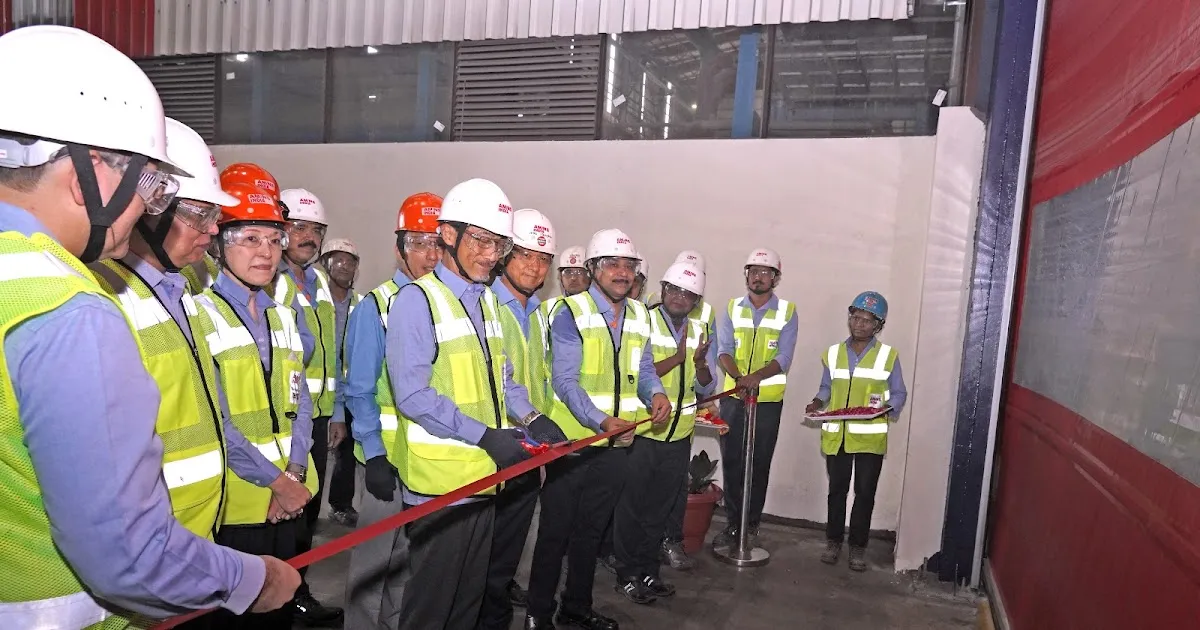
ArcelorMittal Nippon Steel India inaugurated an advanced Pickling Line and Tandem Cold Mill (PLTCM) at its Hazira plant, with a 2 million tonnes per annum capacity. The upgrade aims to make India self-reliant in Advanced High Strength Steel (AHSS) and related automotive steel grades, supporting import substitution and safer, lighter vehicles as India’s auto demand rises.
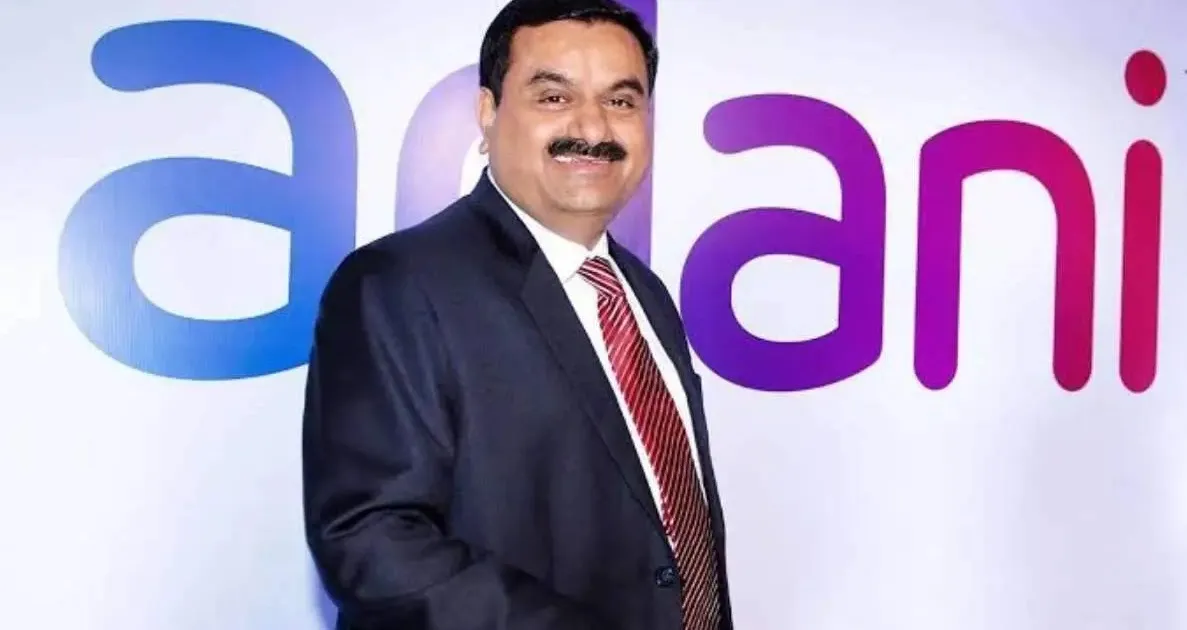
Union Minister Jyotiraditya Scindia announced a ₹2,500 crore Adani Group defence manufacturing plant in Kolaras, Madhya Pradesh, with construction to begin within two months. The project aims to create around 2,000 direct jobs and expand India’s defence production, reducing import dependence. Kolaras, known for agriculture, is set to evolve into a defence industry hub.
Never miss a story
Set alerts for the topics and sources you care about. Download Beige for free.
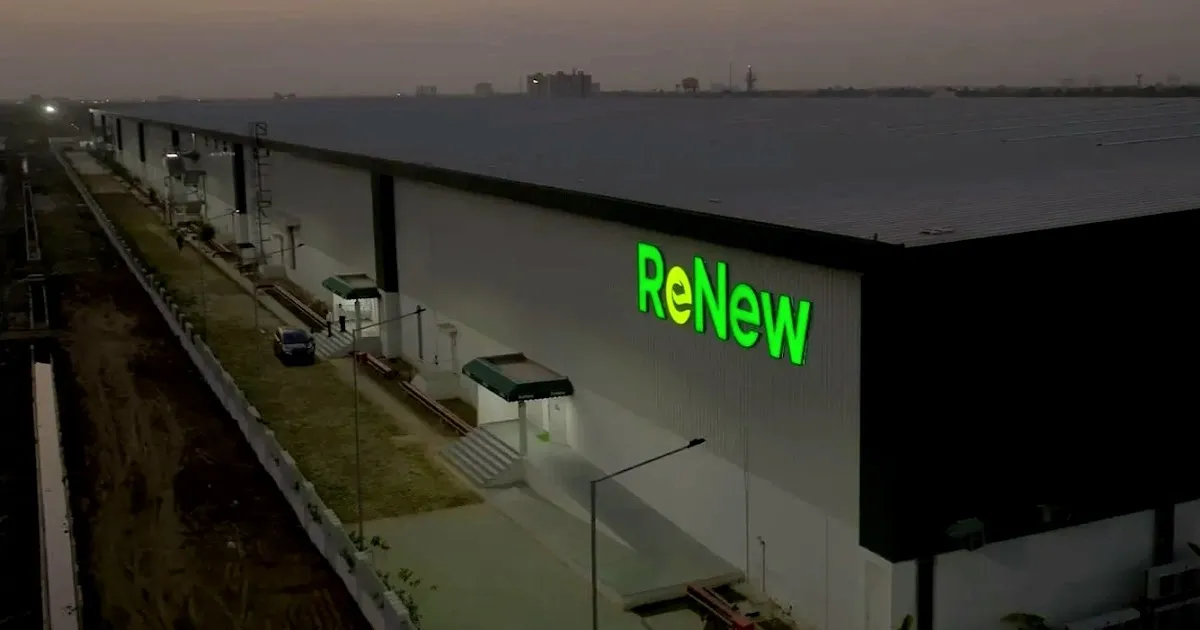
ReNew will break ground in Andhra Pradesh’s Anakapalli district on a ₹5,400 crore, 6 GW solar ingot and wafer manufacturing facility. Tied to the state’s Integrated Clean Energy Policy 2024, the project aims to strengthen India’s domestic solar supply chain, cut import dependence, and support clean energy targets. It is expected to be commissioned within 24 months and create 2,100 jobs.
NCPCR and QCI have joined hands to conduct child labour audits and fact-finding across different sectors and industries. The initiative aims to identify violations, improve compliance, and push enforcement efforts as part of the broader Atmanirbhar Bharat push. The collaboration signals a more structured approach to uncovering gaps that may not be visible through routine checks alone.
India has started its first pilot plant for Nd-Fe-B rare earth permanent magnets at ARCI, Hyderabad—aiming to reduce massive yearly imports that cost hundreds of crores. The sintered NdFeB capacity push follows an RFP for 6,000 MTPA. This matters for EVs, wind power, defence systems, and electronics, shifting India from consumer to potential supplier.
With global crude tanker rates rising again, India is considering building and owning its own oil shipping fleet to reduce dependence on expensive transport. The challenge: tankers demand huge upfront capital and specialized expertise to design and operate at scale. What worked for iPhones may not translate easily to crude carriers.
Reading on mobile?
Open Beige in the app for a smoother experience — free on iOS and Android.
Swipe through stories, personalise your feed, and save articles for later — all on the app.