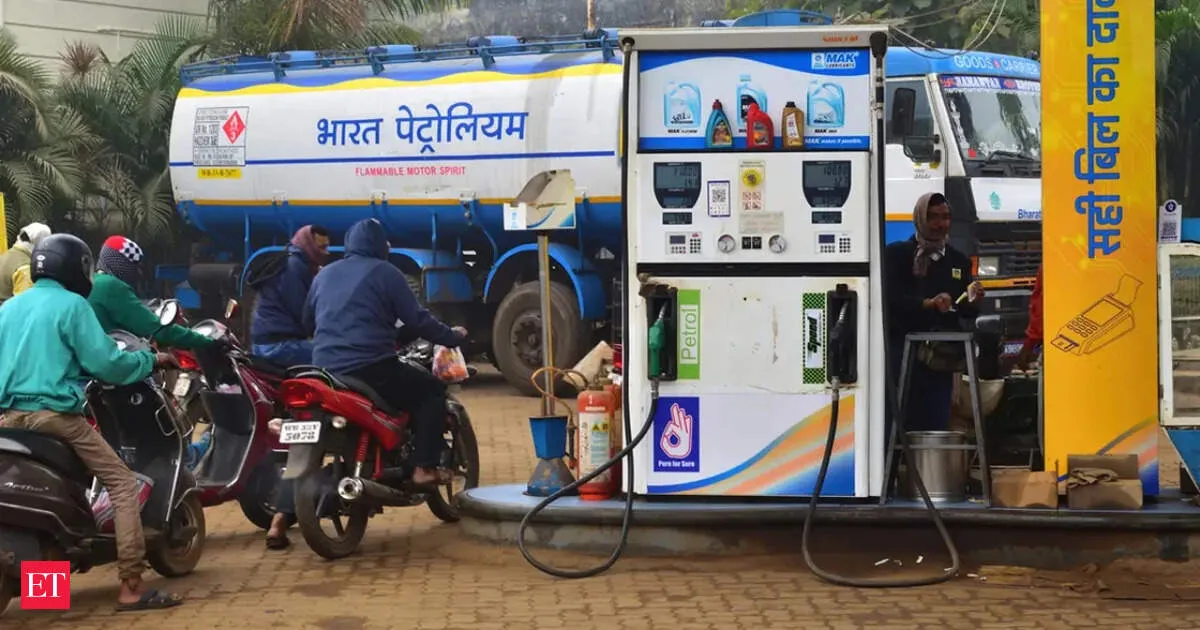
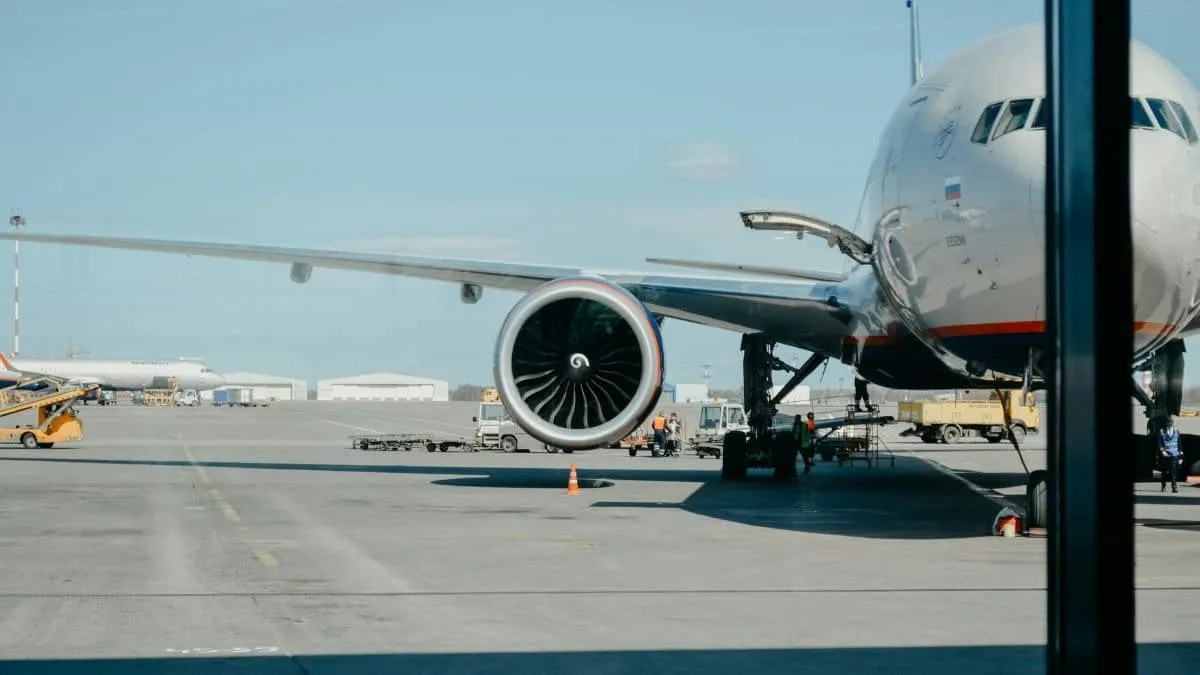
India’s Finance Ministry has raised the Special Additional Excise Duty on exported petrol, diesel, and Aviation Turbine Fuel, effective May 16. The SAED rates will be Rs 3 per litre for petrol, Rs 16.50 per litre for diesel, and Rs 16 per litre for ATF. Crucially, domestic excise duties are left unchanged, and the Road and Infrastructure Cess on these products is reduced to nil. Officials say the targeted export-focused change aims to boost revenue without moving retail pump prices.
The Centre has cleared an emergency credit line of Rs 5,000 crore for airlines as ATF prices surge amid the Middle East crisis. The move targets financial stress caused by higher fuel costs and related operational pressures, providing temporary relief while airlines manage the impact of volatile energy pricing and airspace changes.
Your news, in seconds
Get the Beige app — every story in 60 words, updated hourly. Free on iOS & Android.
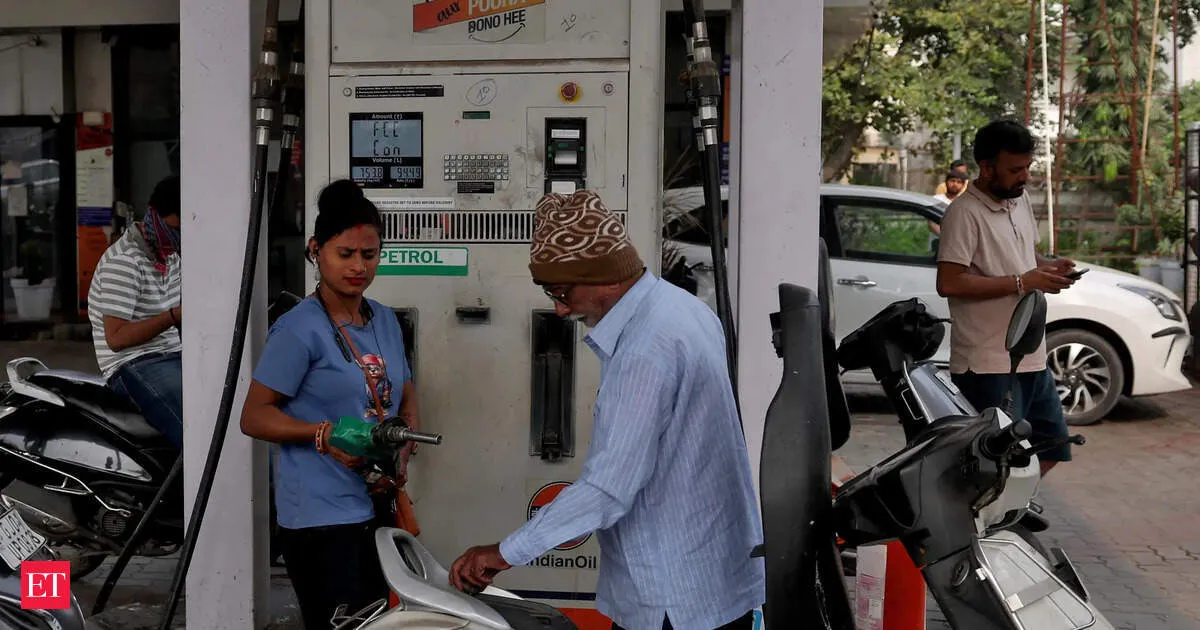
The government has ruled out financial support for state-run fuel retailers facing losses from selling petrol, diesel and ATF at discounted rates. Even as global crude prices rise, retail fuel prices have remained largely steady, squeezing margins. Officials are effectively signaling that the burden will stay with fuel companies rather than taxpayers.
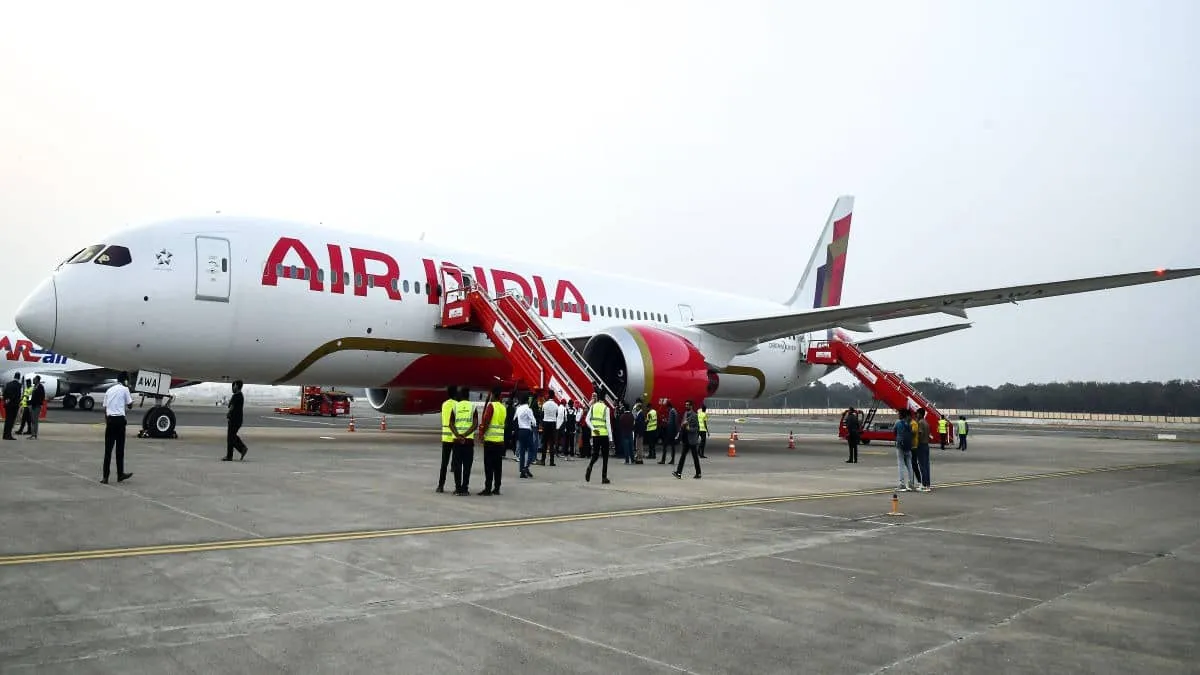
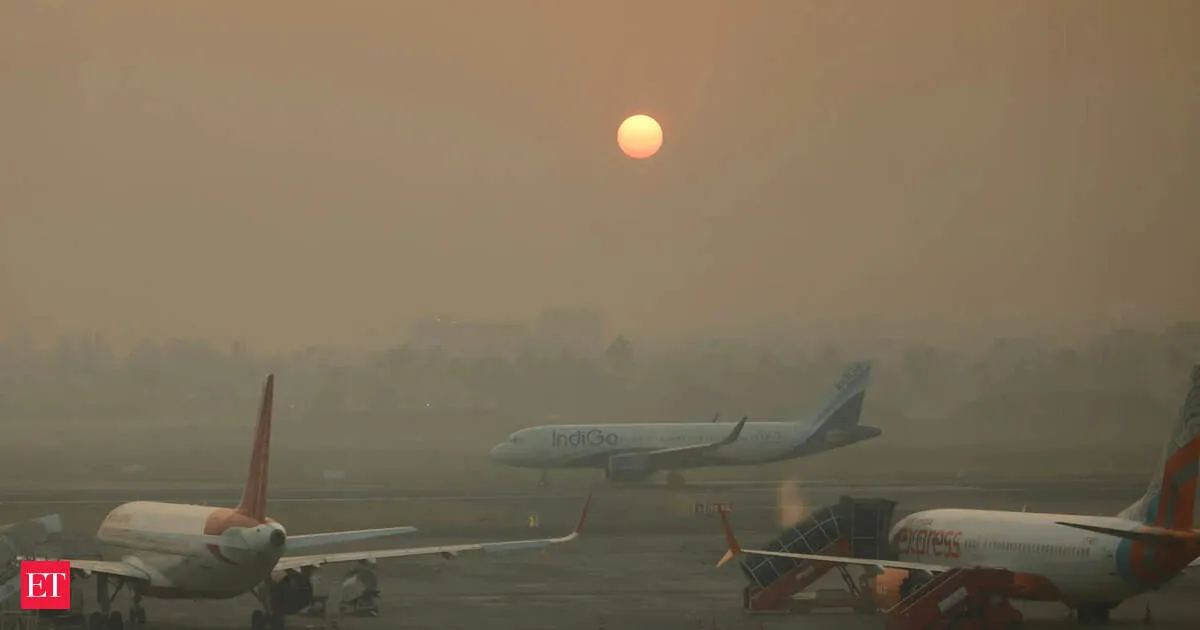
Air India says it will slash around 100 daily flights until July, citing soaring ATF or jet fuel prices. In an internal note, CEO Campbell Wilson said the airline already reduced flights in April and May and will trim schedules further. The carrier also points to West Asia crisis-related airspace restrictions making longer international routes loss-making.
Starting today, state-owned oil marketing companies have increased Aviation Turbine Fuel for international airlines by 5%, marking the second consecutive monthly hike. The revision adds $76.55 per kilolitre, taking the Delhi ATF price to $1,511.86 per kl. Domestic airlines, meanwhile, see prices held stable in the same update.
Petrol, diesel, and domestic LPG prices have been kept unchanged, offering relief to nearly 90% of fuel users from international market swings. At the same time, ATF rates for domestic airlines also saw no change, as oil companies reportedly absorbed higher global costs to keep air travel fares manageable for passengers.
Never miss a story
Set alerts for the topics and sources you care about. Download Beige for free.
The government has imposed export duties for a fortnight beginning May 1, charging ₹23 per litre on diesel and ₹33 per litre on aviation turbine fuel (ATF). Petrol remains export duty-free. The move signals a targeted approach to regulating outbound fuel flows while keeping petrol exports unrestricted.
Indian airline shares plunged in the day’s most turbulent session as ATF prices crossed Rs 2 lakh per kilolitre. IndiGo slipped 2.79% to Rs 4,434 and SpiceJet fell 2.58% to Rs 14.35. With ATF costs up 115% since April, investors fear widening losses and pressure on quarterly earnings across the sector.
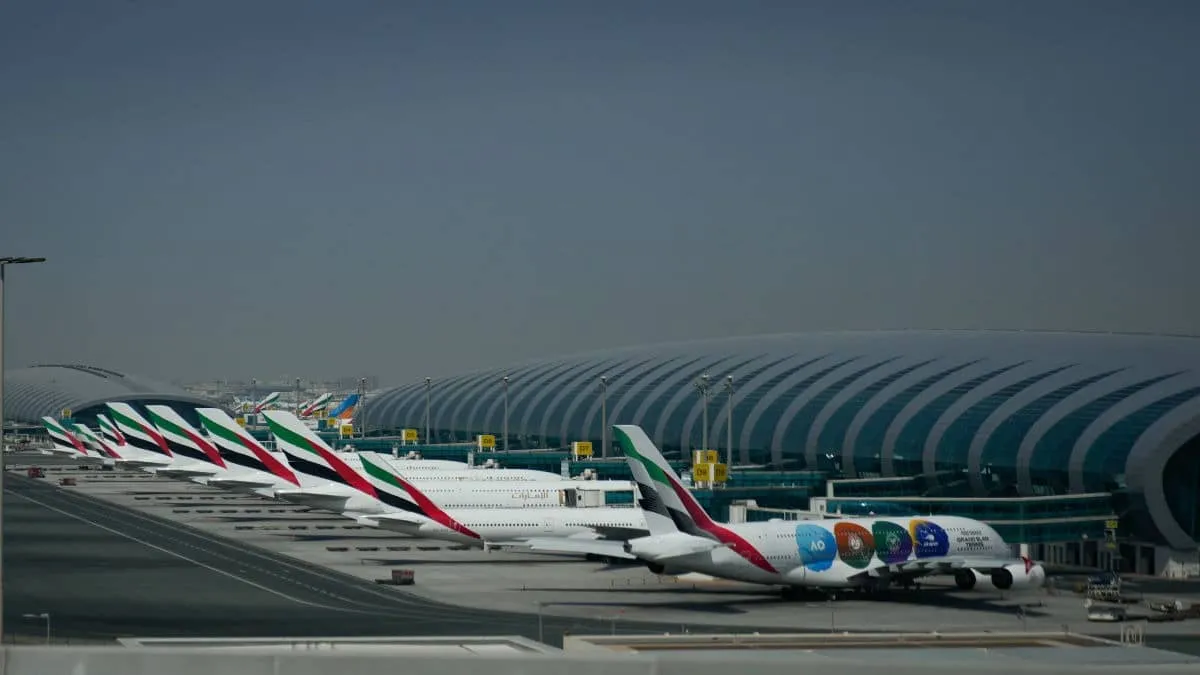
With the Iran crisis dragging on and no peace deal in sight, India’s aviation industry has warned the central government it may be forced to stop operations. The Federation of Indian Airlines says any further pricing distortions or sharp increases in ATF could push carriers into insurmountable losses, leading to aircraft grounding and flight cancellations.
Air India, IndiGo, and SpiceJet say they are facing severe financial strain and warn they may have to stop operations. Soaring aviation turbine fuel prices, airspace restrictions, and cash pressure have pushed them to seek government support, including a revised ATF pricing mechanism and temporary deferment of excise duty on ATF to stabilize costs.
Reading on mobile?
Open Beige in the app for a smoother experience — free on iOS and Android.
Swipe through stories, personalise your feed, and save articles for later — all on the app.