Scientists have identified ancient stardust trapped in Antarctic ice, traced back to exploded stars. The discovery turns the ice into a time capsule, recording how Earth moved through space clouds over thousands of years. Researchers say the embedded particles help map the structure of these distant cosmic regions, offering a new snapshot of Earth’s long, galaxy-wide journey.
A huge survey of nearly 686,000 galaxies spanning about 7 billion light-years tested gravity at unprecedented scale. Using cosmic microwave background data and the kinematic Sunyaev Zel’dovich effect, researchers measured galaxy motions with high precision. Gravity behaved exactly as Newton predicted, strengthening dark matter evidence and challenging ideas that gravity changes in deep space, while also backing parts of Einstein’s relativity.
Your news, in seconds
Get the Beige app — every story in 60 words, updated hourly. Free on iOS & Android.
Researchers used advanced X-ray imaging to uncover ancient astronomical fragments hidden beneath medieval writings, preserved only because older parchment was reused. The team believes the recovered pieces may connect to Hipparchus, shedding light on early efforts to systematically catalog the night sky. It is a rare snapshot of how ancient science survived by accident, then re-emerged through modern technology.
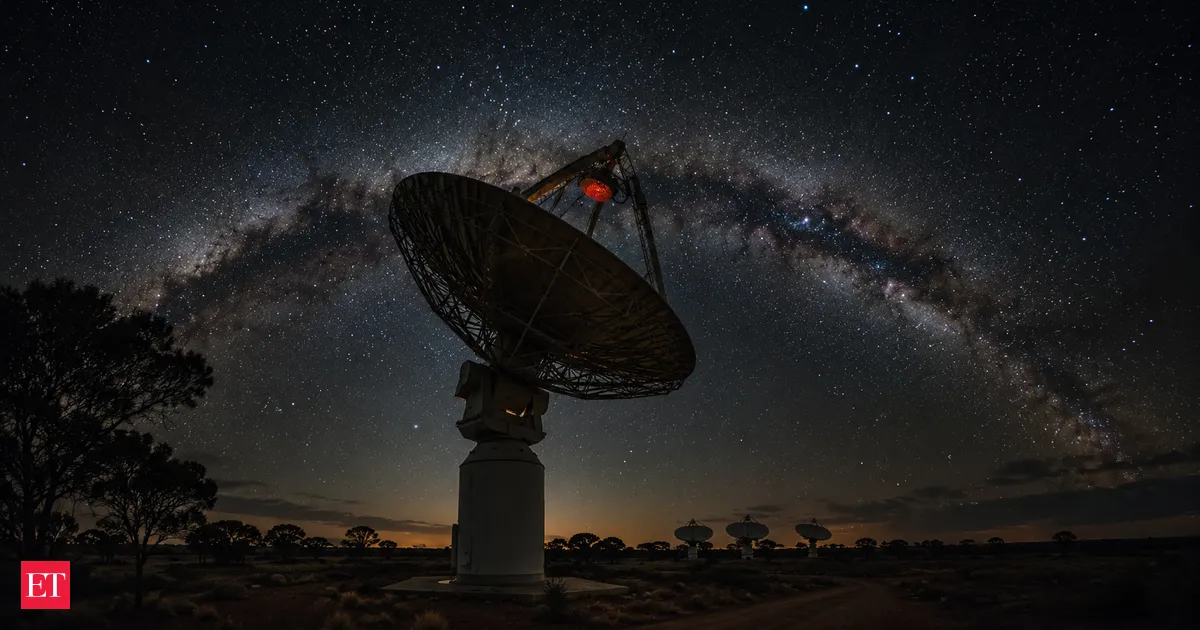
Astronomers studying deep space have detected an unusual radio source, ASKAP J1424, that transmitted signals every 36 minutes for eight straight days before abruptly switching off. The slow, precise timing doesn’t match any known object, leaving scientists puzzled and actively searching for the source again. The find could reshape ideas about what dead or dying stars can still do.
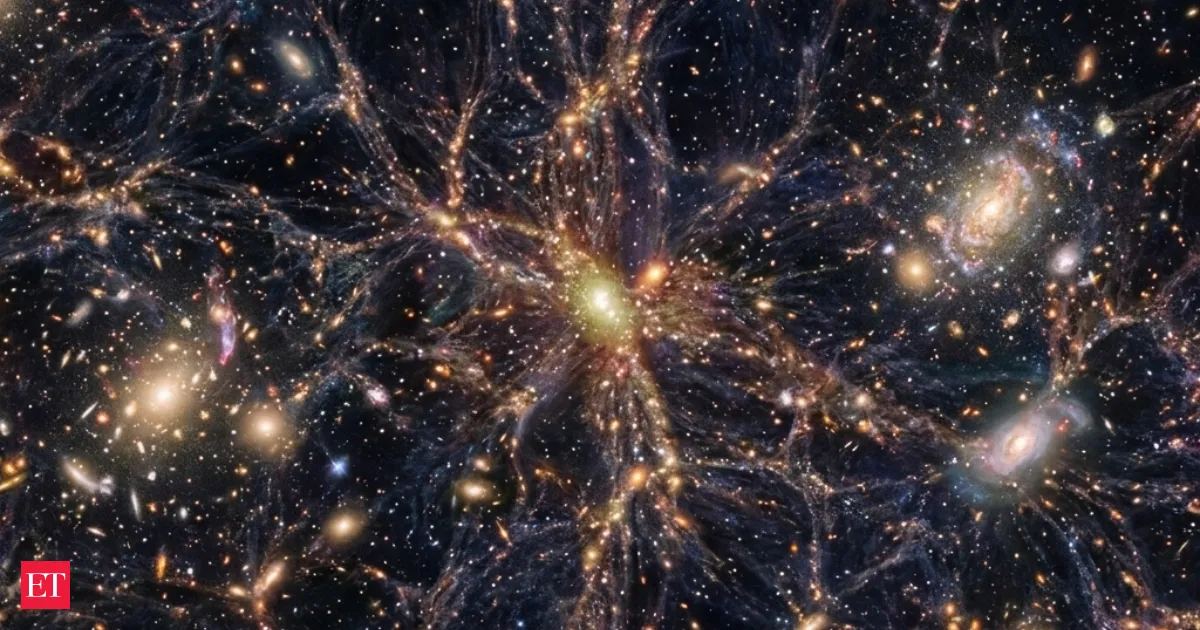
New research finds enormous cosmic filaments in the universe’s web are slowly rotating. These faint structures stretch hundreds of millions of light-years and link galaxy clusters across vast distances. The observation challenges older ideas that matter’s large-scale evolution was mostly static, instead suggesting these colossal “bridges” are dynamic and have been changing for billions of years.
In 1967, graduate student Jocelyn Bell Burnell rechecked radio telescope recordings and noticed a bizarre, perfectly repeating pulse that returned every 1.3 seconds. Teammates initially brushed it off as “scruff,” but its consistency didn’t match anything known. The signal became the first evidence of neutron stars, unveiling pulsars and rewriting astronomy’s map of the sky.
Never miss a story
Set alerts for the topics and sources you care about. Download Beige for free.
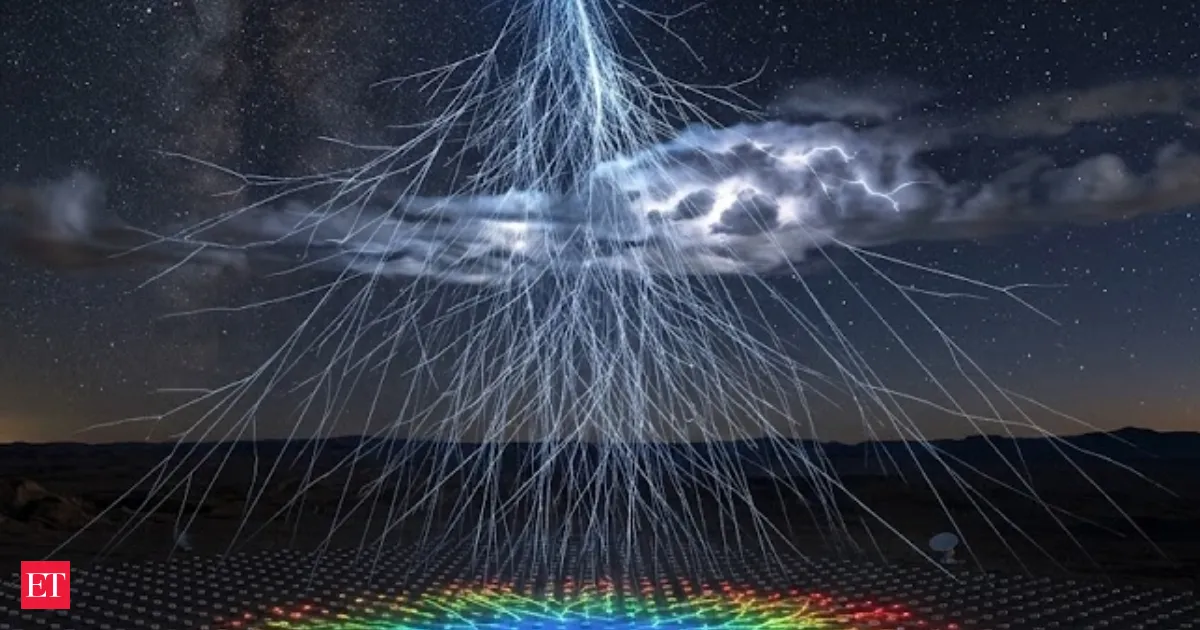
Scientists are probing the origins of the mysterious “sun goddess” particle, Amaterasu, among the strongest ever detected. Early reports suggested it emerged from a seemingly empty patch of space, but new analysis points to a more active source. Researchers now flag Messier 82, a galaxy famous for intense star formation, as a leading candidate.
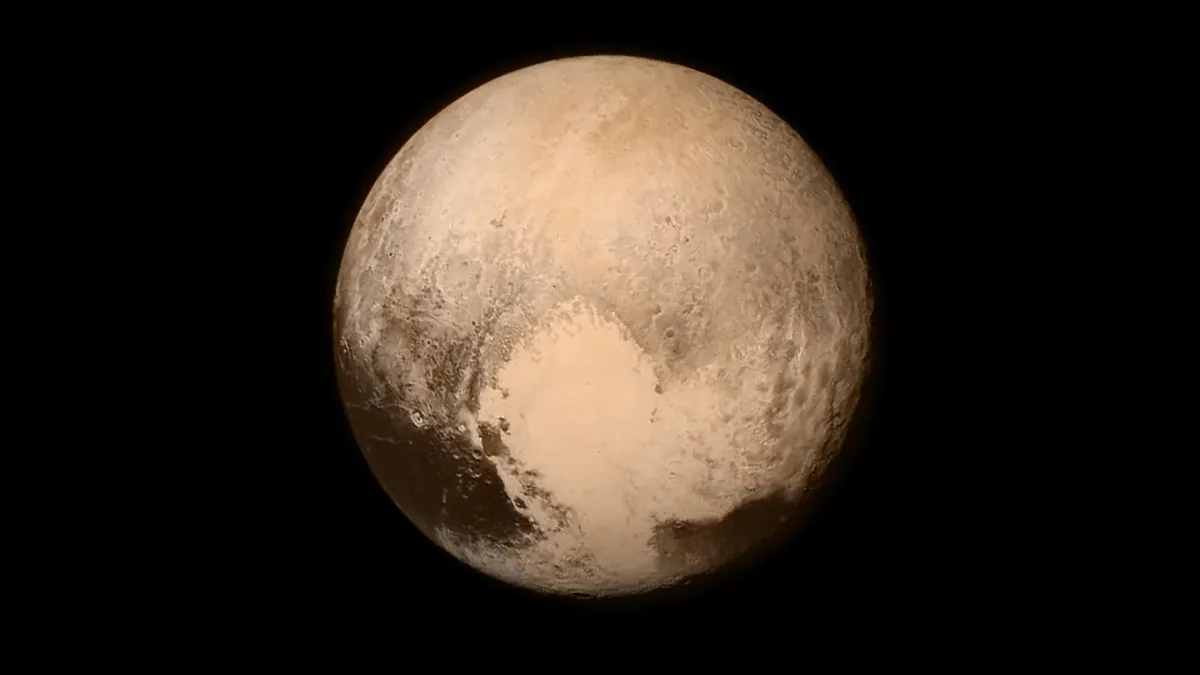
Pluto’s status changed in 2006 when it was reclassified as a dwarf planet, cutting the solar system from nine to eight planets. Now, new findings and renewed debate are sparking fresh arguments for restoring Pluto’s planet status. The discussion centers on what qualifies as a planet and how evidence about Pluto and similar objects keeps evolving.
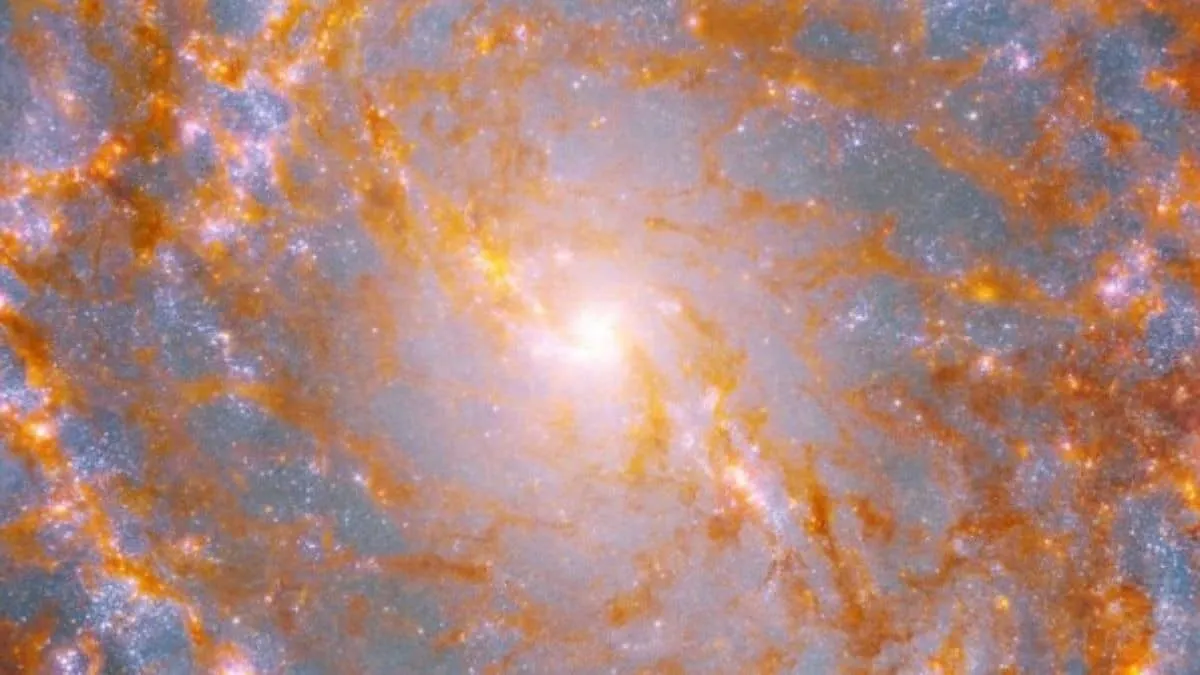
NASA has released a striking new composite image of the Pinwheel Galaxy Messier 101, combining observations from the Hubble Space Telescope and the James Webb Space Telescope. Roughly 25 million light-years away, the 170,000-light-year wide spiral galaxy appears in multi-wavelength detail, highlighting a vast stellar population estimated at nearly one trillion stars.
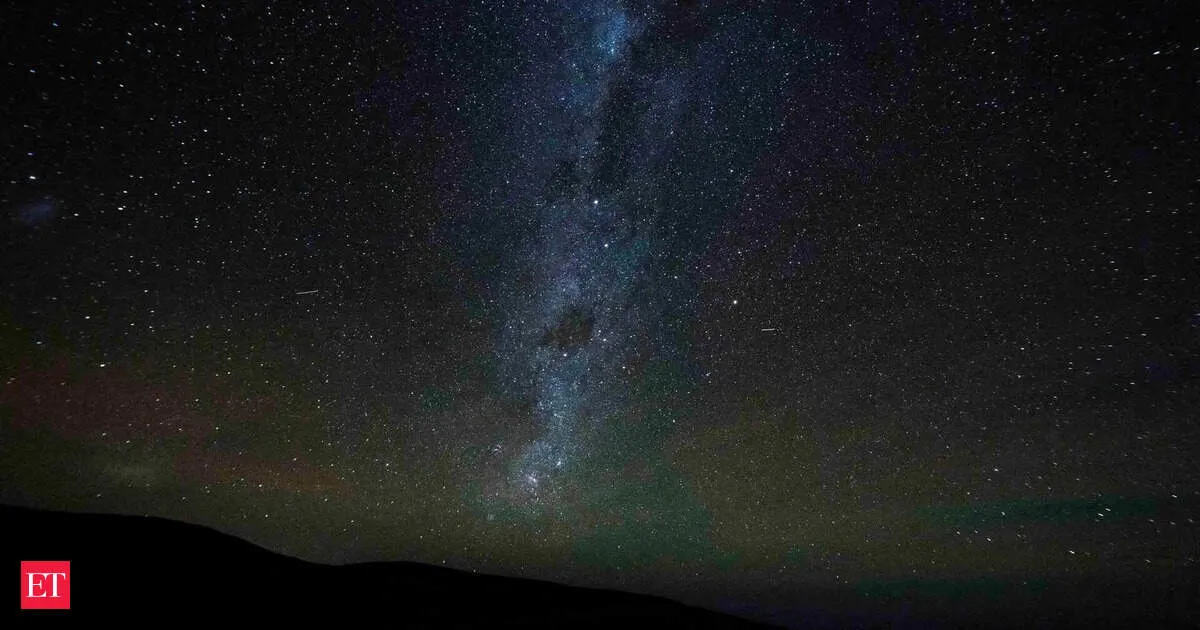
Chile’s Atacama Desert, famed for crystal-clear nights, still faces a light-pollution risk. Even though a nearby energy project was cancelled, scientists warn that lax regulations could permit similar projects to return. Beyond glare, desert dust from construction could also blur observations, threatening sensitive astronomical research. Authorities are now pushing stronger protections for dark-sky zones.
Reading on mobile?
Open Beige in the app for a smoother experience — free on iOS and Android.
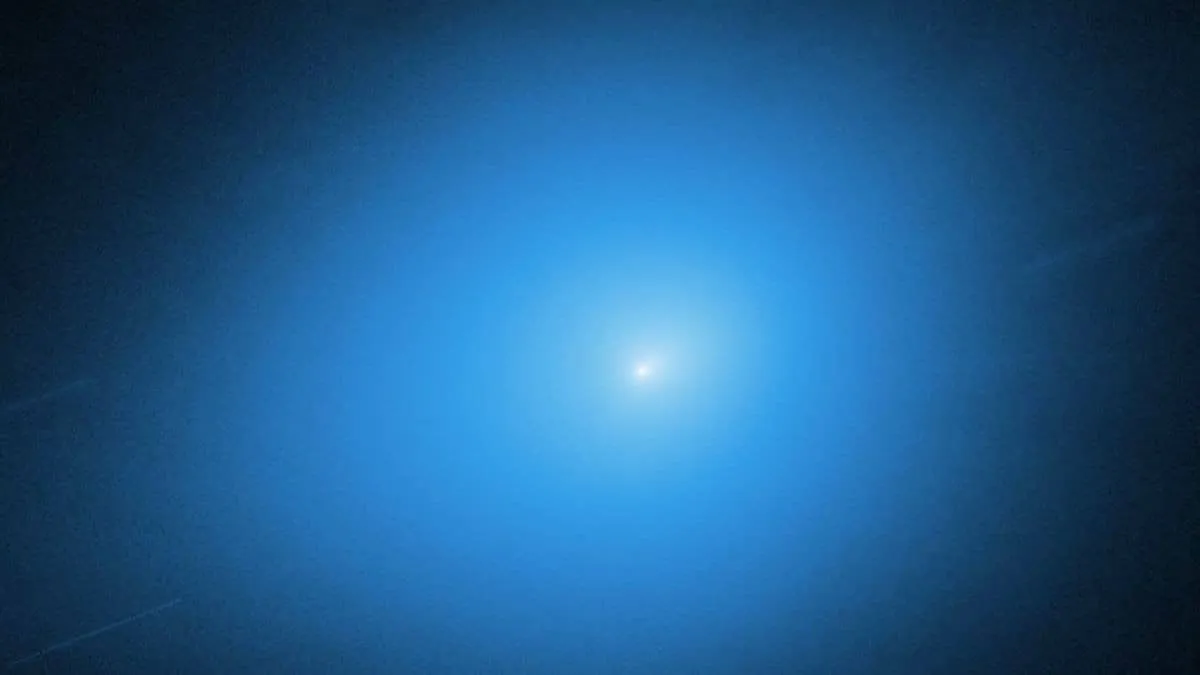
Astronomers say Comet 3I/Atlas is an interstellar visitor likely among the oldest ever confirmed, possibly dating back about 11 billion years. Traced to a cold, isolated part of the Milky Way that hadn’t yet formed a solar system, it arrived harmlessly after being discovered last summer. Multiple telescopes tracked it as it passed Mars and approached Earth in late 2024.
Astronomers have identified exoplanet L98-59d, a super Earth about 1.6 times Earth’s size and roughly 35 light-years away. The planet is described as a scorching world with rivers of molten lava and surface temperatures around 1,900°C. The discovery adds another extreme target to study how rocky planets behave under intense heat.
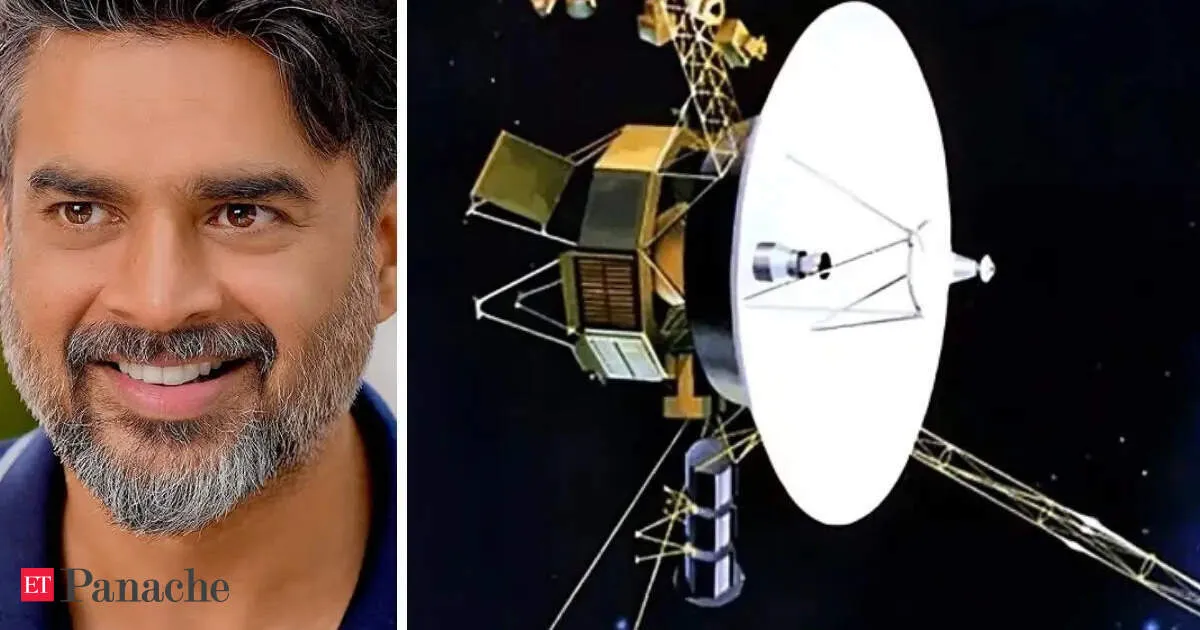
A viral reel claims NASA’s Voyager 1, launched in 1977, will reach one light-day from Earth by November 2026. NASA says Voyager 1 is indeed still operational in interstellar space and continues sending data back, underscoring how enormous distances in space translate into long communication delays and misinformation risk.
Swipe through stories, personalise your feed, and save articles for later — all on the app.