Modi’s Netherlands tour is being treated as a semiconductor diplomacy moment, because India’s chip push hinges on one Dutch company: ASML of Veldhoven. India’s state-backed effort to cut import dependence includes a $14 billion Tata Electronics mega-fab in Dholera, Gujarat, with Taiwan’s Powerchip. But advanced lithography—the most precise, capital-heavy step—requires ASML equipment. ASML’s grip on EUV systems means India’s silicon sovereignty depends on access and supply continuity from a single global supplier.
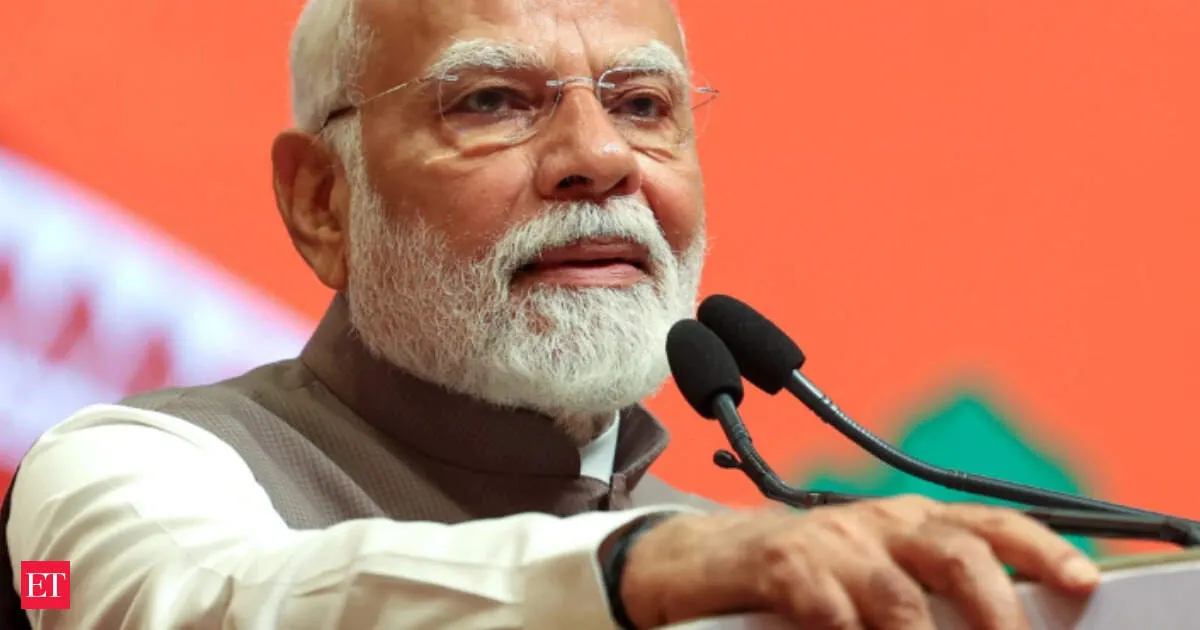
Prime Minister Narendra Modi’s Europe outreach next week will center on upgrading semiconductor technology partnerships with ASML during a Netherlands visit. Talks are expected to support India’s upcoming semiconductor fabs with advanced equipment collaboration. The tour also includes renewable energy technology engagements in Sweden and Norway, and SME partnership discussions in Italy.
Your news, in seconds
Get the Beige app — every story in 60 words, updated hourly. Free on iOS & Android.
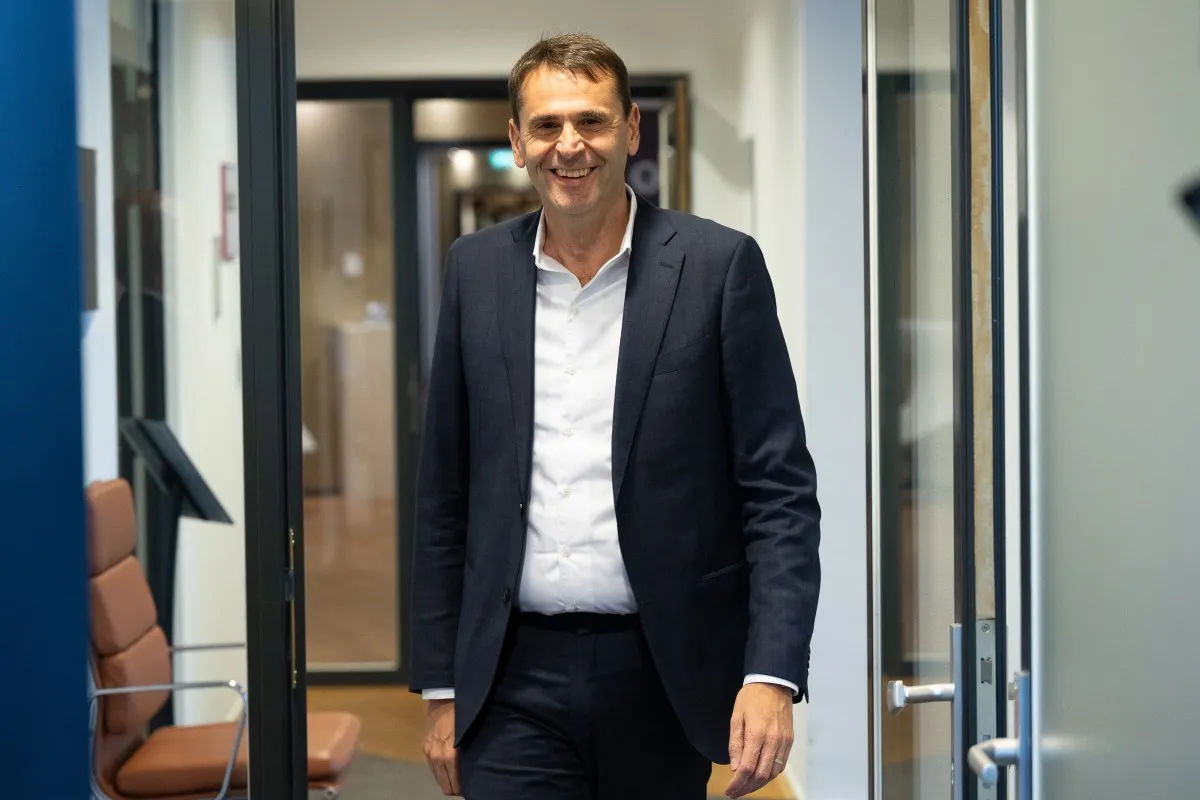
ASML CEO Christophe Fouquet, in a relaxed sit-down ahead of the Milken Institute Global Conference, dismisses the idea that competitors are poised to overtake the chipmaking equipment giant. Having led ASML since 2024 after more than a decade with the company, Fouquet suggests the company’s position is more defensible than rivals may assume, even as competitive pressure builds.
US lawmakers have revised a bill meant to limit China’s access to advanced chipmaking equipment. While the measure is adjusted from an earlier draft, it still targets ASML’s deep ultraviolet lithography systems. The bill is designed to match broader international technology-control rules, after manufacturers flagged concerns about the original version. A House Foreign Affairs Committee vote is set next week.
Swipe through stories, personalise your feed, and save articles for later — all on the app.