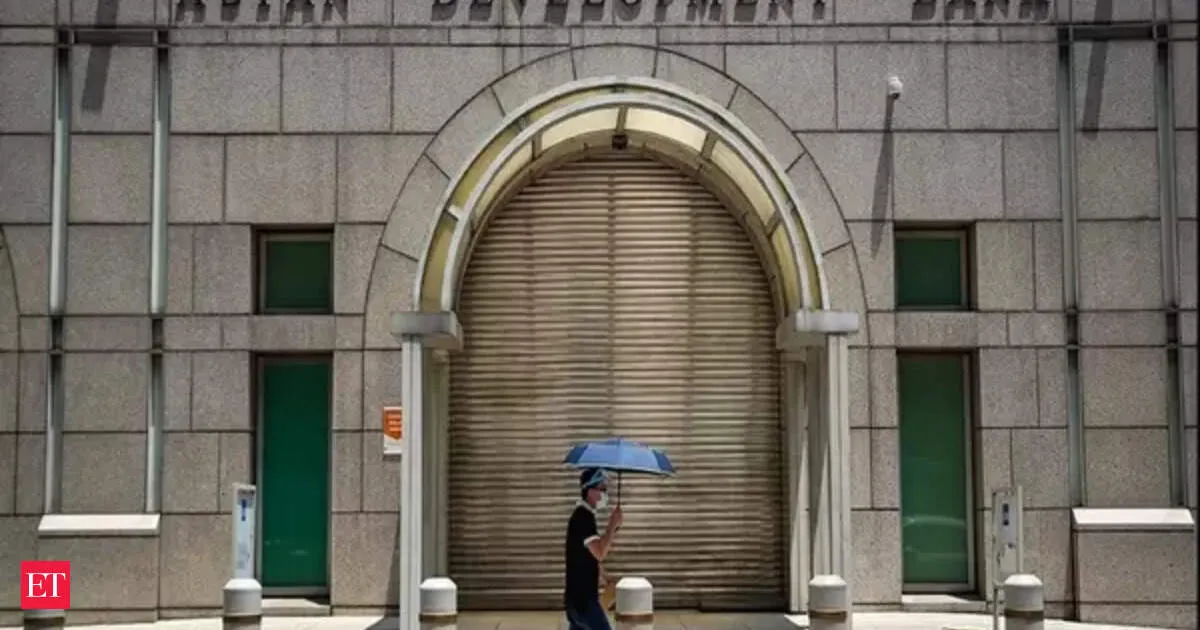
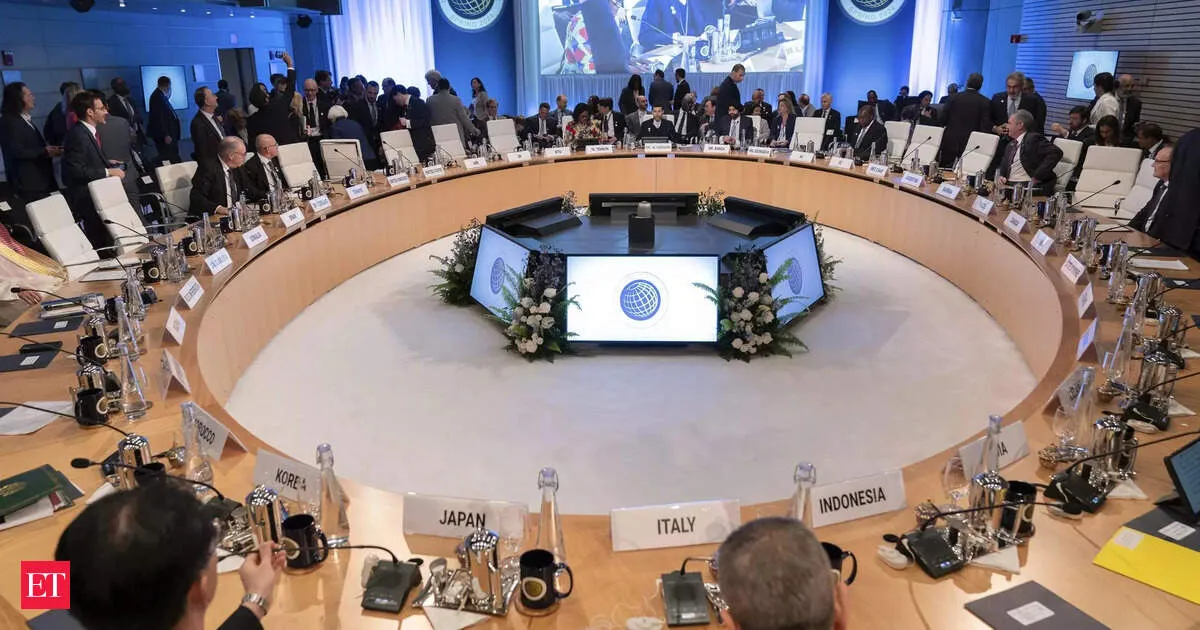
The Asian Development Bank is pushing Asia Pacific governments to accelerate structural reforms, warning that conflict, trade fragmentation, and climate risks are stacking together. It says deeper regional cooperation is essential, while boosting financing for big cross-border projects including a Pan-Asia Power Grid and a Digital Highway. Uzbekistan’s president also called for a Digital Customs Alliance and AI scaling.
The Asian Development Bank says it will finance about $70 billion in energy and digital infrastructure across Asia Pacific by 2035. Through its power grid initiative, it plans to mobilize $50 billion to link cross-border electricity networks, back renewable energy integration, and expand transmission capacity—aiming to raise reliability while widening access to electricity and internet connectivity.
Your news, in seconds
Get the Beige app — every story in 60 words, updated hourly. Free on iOS & Android.
The Asian Development Bank has reduced its 2026 growth outlook for Asia and the Pacific to 4.7%, citing prolonged disruptions in West Asia. Rising energy prices are pushing inflation higher while financial conditions tighten. The ADB warns these shocks may cause long-lasting damage to global energy and trade networks, even as it promises support and close risk monitoring.
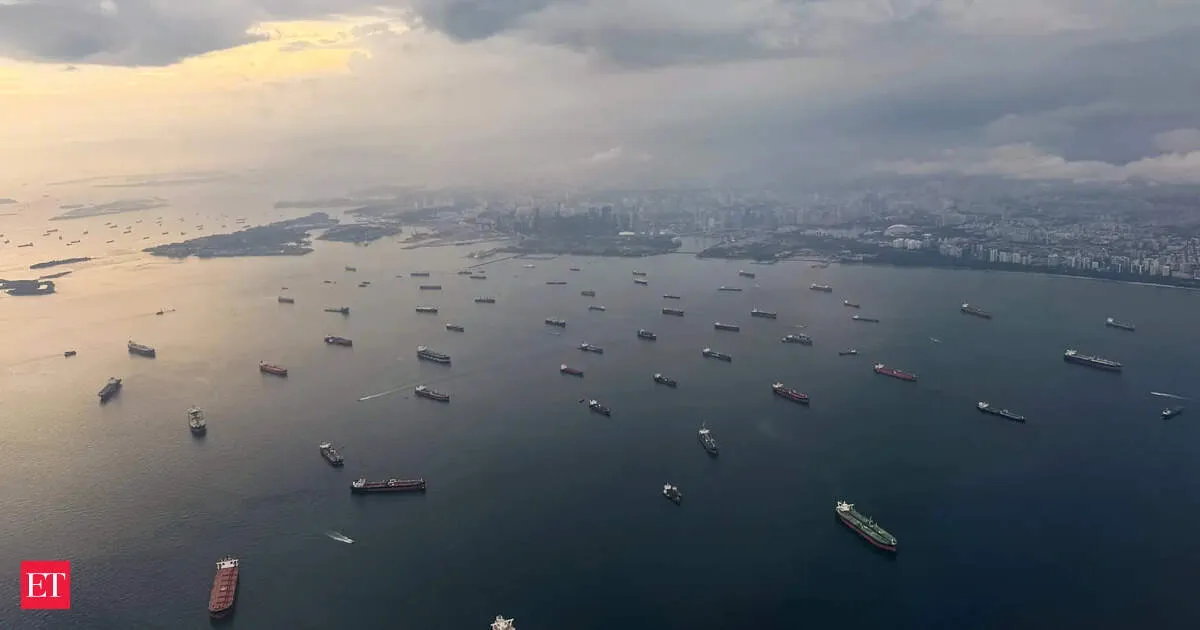
Asia-Pacific governments are tightening fuel subsidies and imposing restrictions as Middle East conflict strains energy supplies longer than expected. To cushion the blow, countries are diversifying energy sources and drawing down reserves, but officials warn the situation could deteriorate. If disruptions persist, the region faces risks to economic stability and even food security.
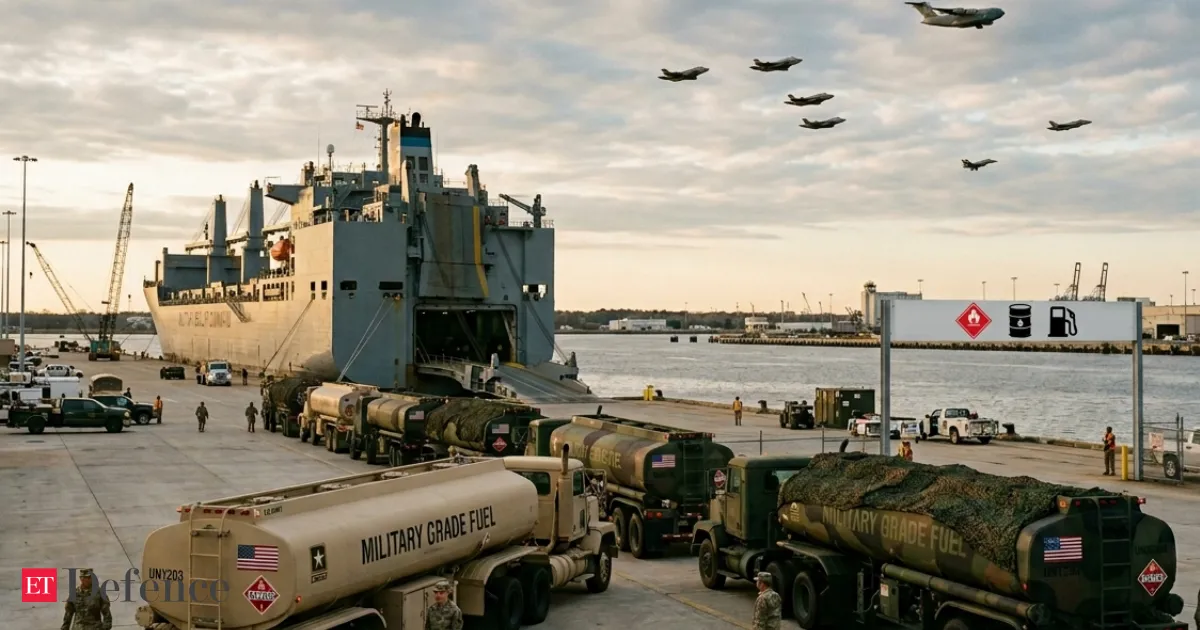
Unusual shipments of military-grade jet fuel and diesel from Washington state are heading to the Philippines and Japan, underscoring how the Iran war is reshaping global oil flows. With traditional routes constrained, Asia-Pacific buyers are turning more to US supply lines, pointing to a widening jet fuel crunch across the region.
Australia’s Firmus has raised $505 million to scale its AI infrastructure platform across the Asia-Pacific region. The funding will also back Project Southgate, a plan to create a network of AI factories in Australia. Developed with Nvidia and CDC Data Centres, the initiative is projected to grow to as much as 1.6 gigawatts of capacity over the next three years.
Never miss a story
Set alerts for the topics and sources you care about. Download Beige for free.
Swipe through stories, personalise your feed, and save articles for later — all on the app.