Asian markets tumbled as tech euphoria faded into inflation worries, sending U.S. Treasury yields to one-year highs and boosting expectations of a Fed rate hike. Brent crude climbed 5.7% this week to $107 amid stalled efforts to open the Strait of Hormuz, after attacks and a ship seizure raised supply concerns. The damage spread across Asia-Pacific benchmarks, while Japan’s wholesale inflation accelerated, leaving the Bank of Japan poised to raise rates.
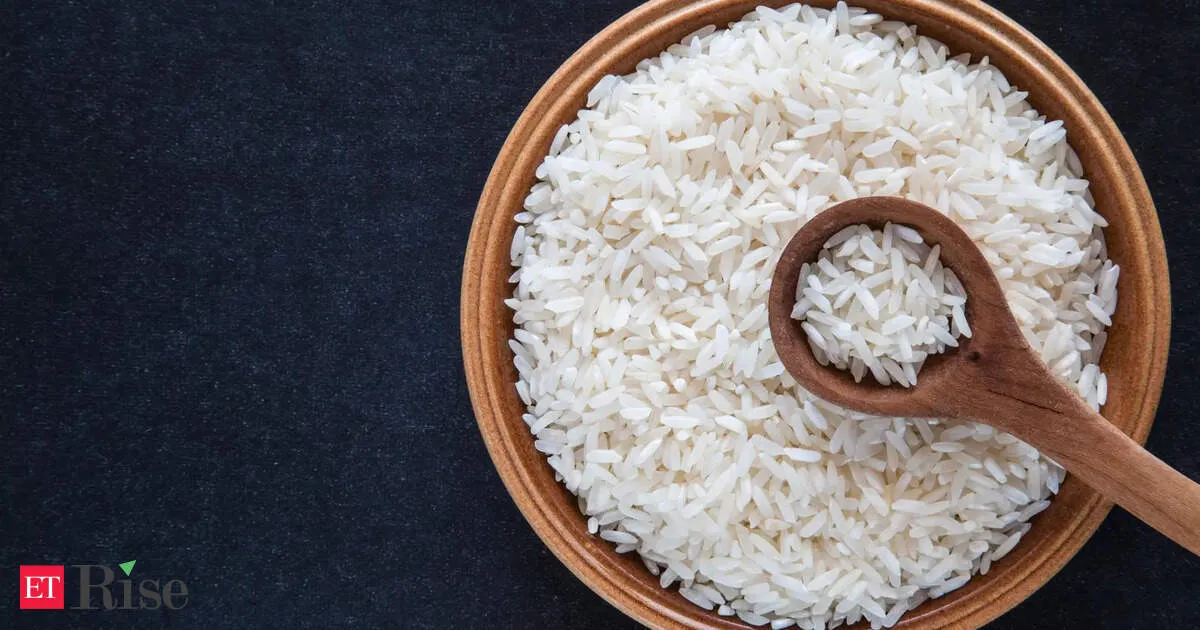
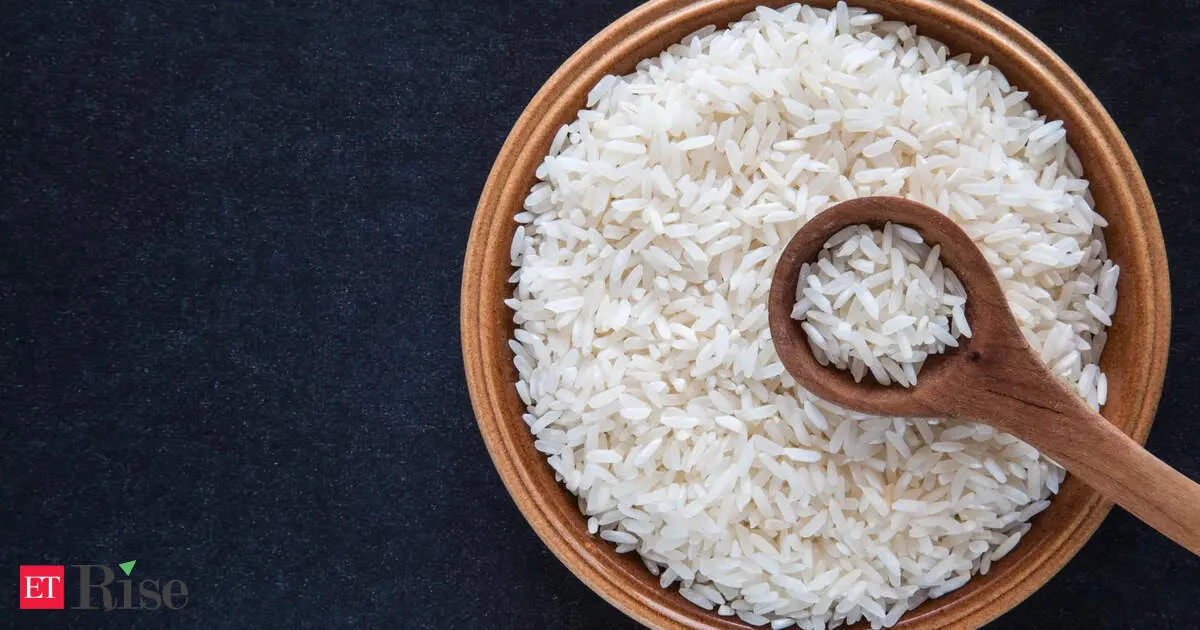
Muted demand across Asia and a weak rupee are pushing India rice prices lower, adding strain to already sensitive regional food security concerns. Thailand’s rice market remains steady despite subdued buying, while rising production costs are expected to prevent prices from falling further, potentially holding or nudging rates higher.
Your news, in seconds
Get the Beige app — every story in 60 words, updated hourly. Free on iOS & Android.
The Iran war is disrupting Middle East naphtha supplies, leaving Asian producers struggling to secure feedstock. With availability tight, companies are paying roughly double pre-war rates, forcing widespread output cuts across the region. Many plants are reportedly operating at their lowest levels as costs rise and procurement becomes increasingly difficult.
Thai rice prices have recorded their sharpest jump in over two years, as rising fuel and fertilizer costs tied to the Iran conflict squeeze farm economics. Even if tensions ease, experts expect higher input costs to linger, raising the risk of weaker rice output later. The ripple effect could tighten rice supplies across parts of Asia and lift food prices.
Swipe through stories, personalise your feed, and save articles for later — all on the app.