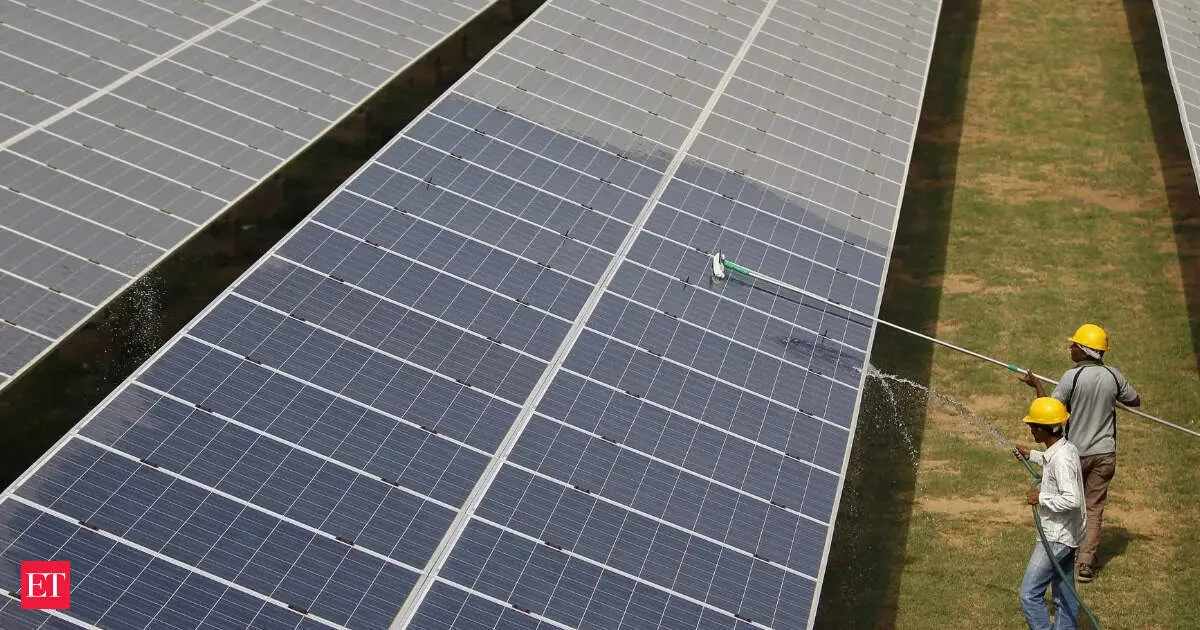
As Iran war tensions push fuel prices higher across Asia, households are turning to rooftop solar to cut costs. Demand is rising sharply in the Philippines, where installations and inquiries have surged. China, the world’s biggest solar technology supplier, stands to benefit as global consumers accelerate the energy transition toward more accessible, affordable power.
Finance leaders from China, Japan, South Korea and ASEAN met in Samarkand and pledged coordinated vigilance against excessive financial market volatility. They said they will act if needed to protect stability, while also reaffirming commitments to open trade, resilient supply chains and a rules based global trading system during the Asian Development Bank annual gathering.
Your news, in seconds
Get the Beige app — every story in 60 words, updated hourly. Free on iOS & Android.
IMF Asia Pacific director Krishna Srinivasan urged Asian governments to keep fiscal discipline and avoid broad fuel subsidies, even as the Iran war tightens global energy supplies. With shortages linked to a logistics logjam at the Strait of Hormuz and rising oil pressures, he cautioned countries to preserve budget room for future shocks rather than rushing into costly coverage.
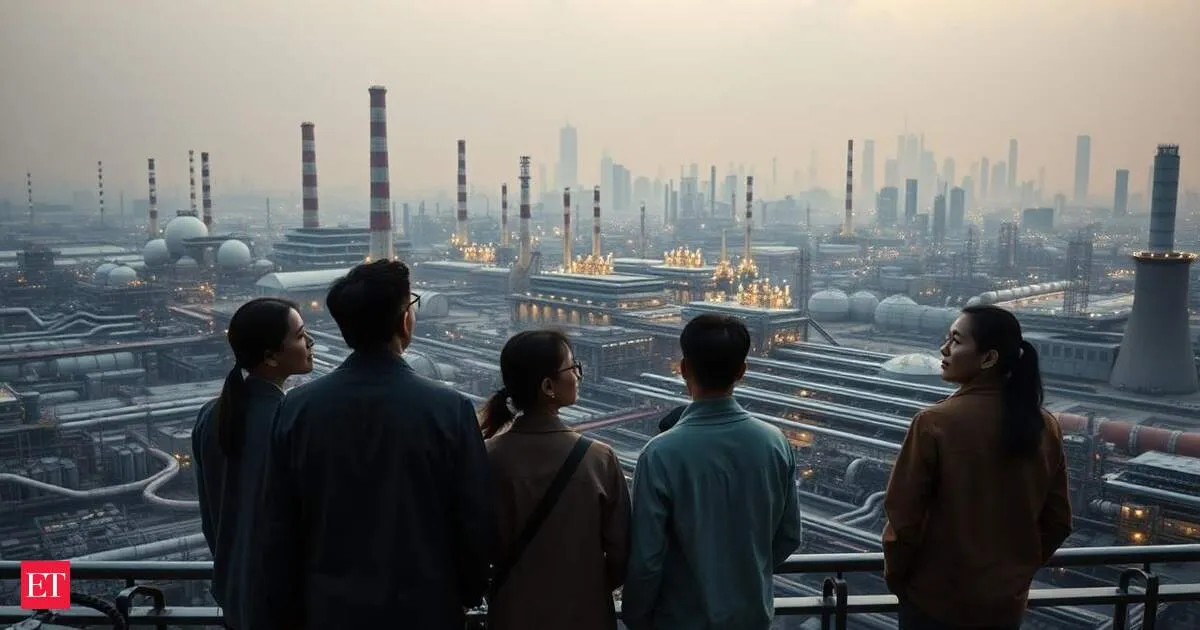
Tensions involving the U.S. and Israel with Iran are accelerating Asia’s pivot from fossil fuels toward electrification, especially electric vehicles and battery storage. The reported risk to oil and LNG supplies is driving investment and adoption, with the biggest momentum expected in two- and three-wheeler EVs and battery systems across Southeast and South Asia.
Saudi Aramco says it will stop LPG shipments from its Juaymah export facility next month, where February damage has kept repairs from finishing on time. That means no LPG exports through May, hitting buyers across Asia. India, which relies heavily on LPG for cooking, could feel the pressure as regional conflict already strains energy supplies.
Asia’s trading landscape is splitting sharply: South and Southeast markets are squeezed by rising oil prices tied to conflict, pressuring trade and shares. Meanwhile, North Asia’s tech giants are climbing to record highs, powered by AI enthusiasm. The result is a widening divide as investors increasingly favor future growth themes over near-term geopolitical and energy risks.
Never miss a story
Set alerts for the topics and sources you care about. Download Beige for free.
A Climate Analytics report warns that expanding carbon capture and storage across Asian countries could add about 25 billion tonnes of extra greenhouse-gas emissions by 2050. The analysis argues CCS could lock economies into fossil fuel dependence, while cheaper and lower-risk renewable options are available—raising new concerns about meeting the Paris Agreement’s 1.5°C warming limit.
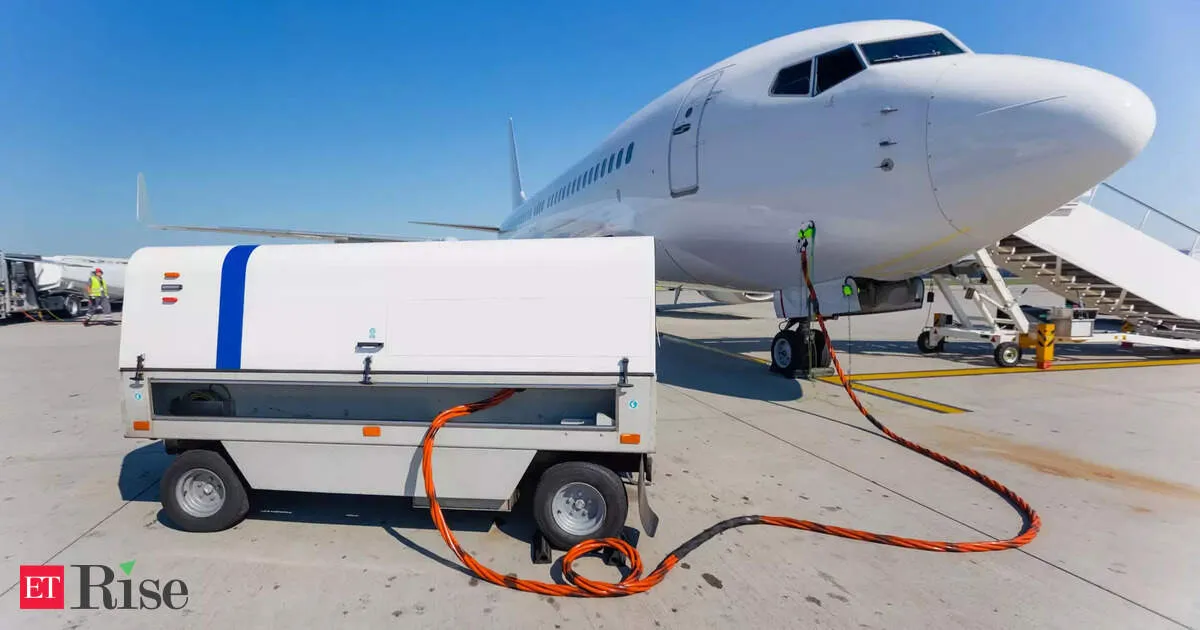
Asian countries dependent on imported oil are scrambling as major suppliers impose export restrictions, triggering jet fuel rationing and urgent appeals for international assistance. The immediate impact on air travel underscores a broader vulnerability: when energy flows tighten, trade and daily economic activity can quickly ripple across borders, exposing how fragile current supply chains remain.
Bain Capital is reportedly preparing to offload at least 40% of Singapore-based Bridge Data Centres, with the firm valued at $5 billion. The stake sale is tied to accelerating data-centre investment across Asia, fueled by demand for cloud and digital services. Buyers’ indicative bids are expected by mid to late next month, setting up a fast-moving process.
Swipe through stories, personalise your feed, and save articles for later — all on the app.