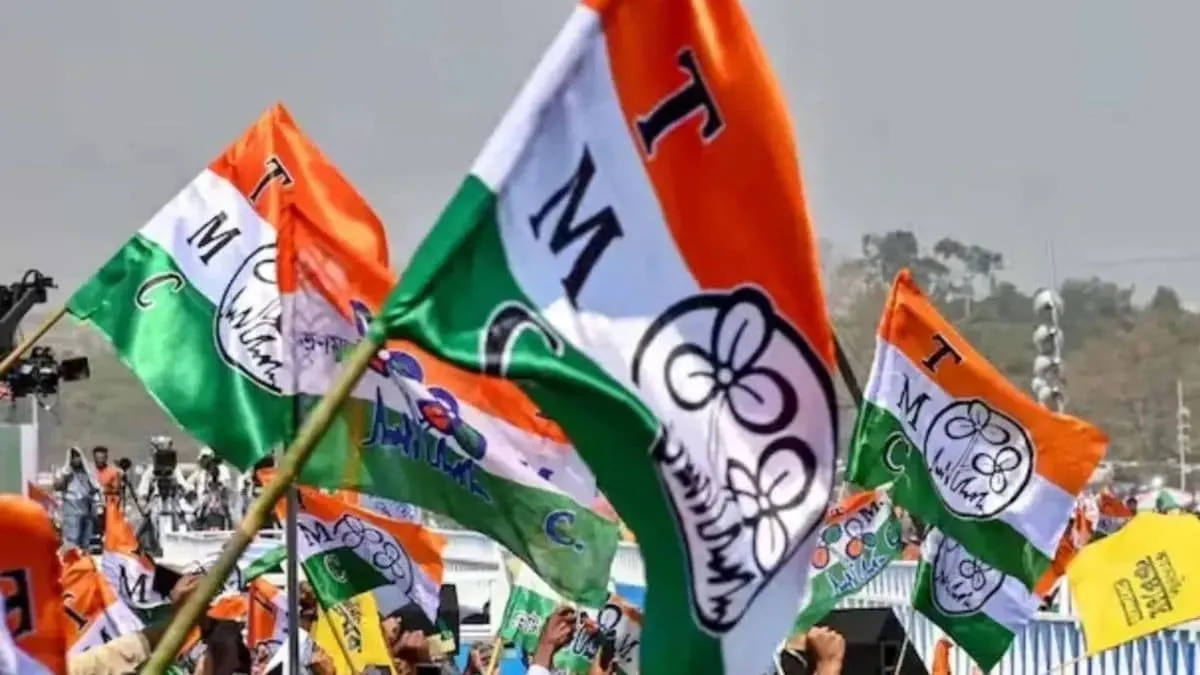
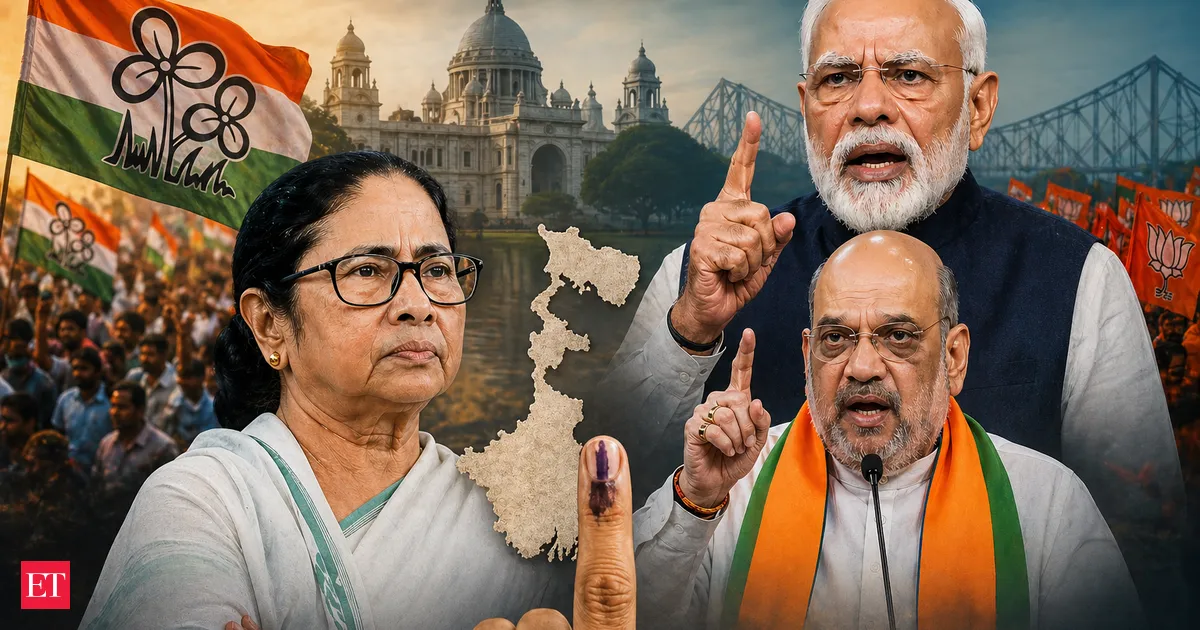
West Bengal’s 2026 assembly election results have dealt a major blow to the Trinamool Congress, with 22 of its 35 contesting ministers defeated, including Chief Minister Mamata Banerjee. The rout signals deep anti-incumbency sentiment, and the losses span high-profile departments like women and child development, industry, housing, power, education, transport, and backward classes.
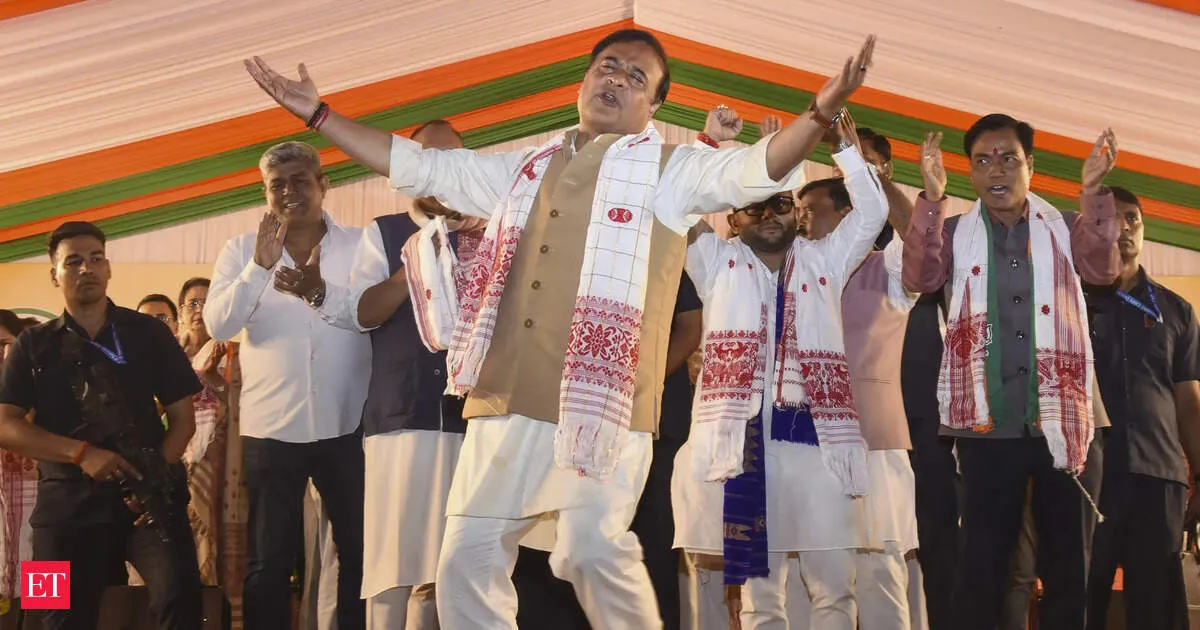
Assam election trends suggest the BJP could buck the anti-incumbency wave that has hurt incumbents elsewhere. Chief Minister Himanta Biswa Sarma’s push combined infrastructure, welfare and a pledge to protect indigenous identity. Political strategists point to changes from delimitation and an aggressive “infiltrator” narrative as key factors behind the BJP’s momentum.
Your news, in seconds
Get the Beige app — every story in 60 words, updated hourly. Free on iOS & Android.
A Kerala exit poll projects the Congress-led United Democratic Front (UDF) winning a clear majority in the 2026 Assembly elections, targeting 88–92 seats and about 38.5% vote share. The survey points to a strong anti-incumbency wave helping UDF cross the 70-seat mark, while the Left Democratic Front (LDF) is estimated at 42–46 seats.
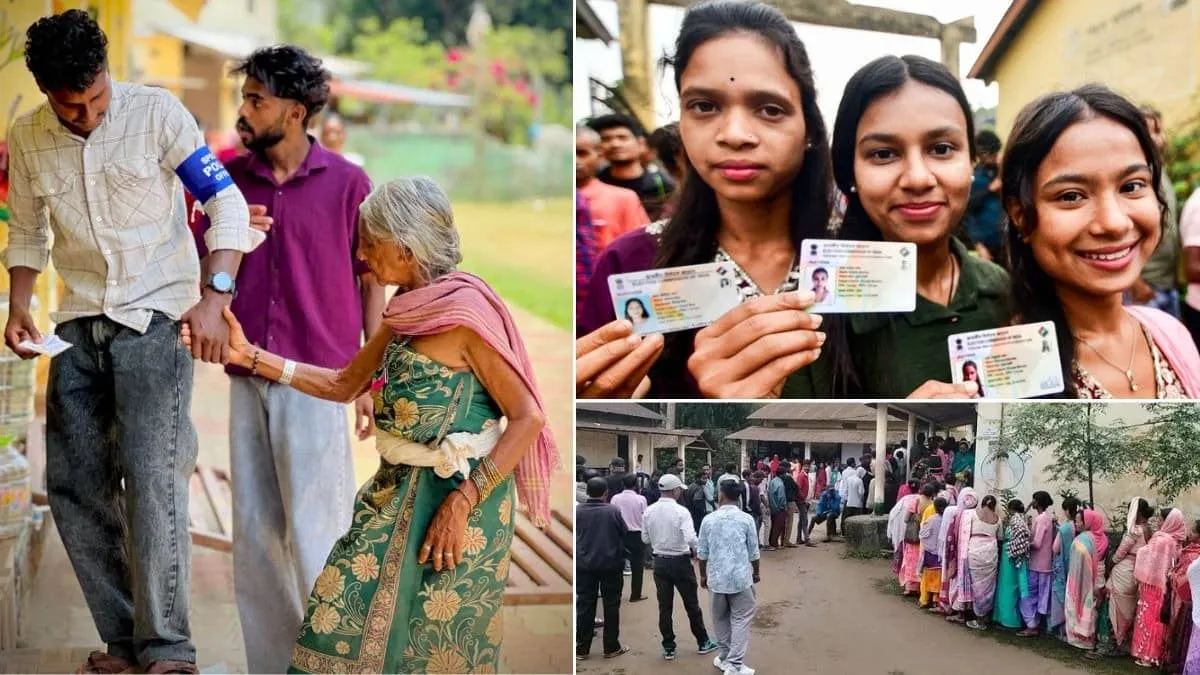
West Bengal heads into Phase 2 of its assembly elections on April 29 with stakes for the Trinamool Congress continuing its 15-year rule. Voters are influenced by anti-incumbency, corruption allegations, identity politics, and concerns over women’s safety. Phase 1 turnout was high and results are set for May 4.
Gujarat will vote in a single phase on May 7 for the 26 Lok Sabha seats, with results out on June 4. BJP is aiming to retain all it won in 2019, banking on PM Narendra Modi’s charisma. But anti-incumbency, unemployment, inflation, and gaps in education and healthcare could test voter loyalty.
Swipe through stories, personalise your feed, and save articles for later — all on the app.