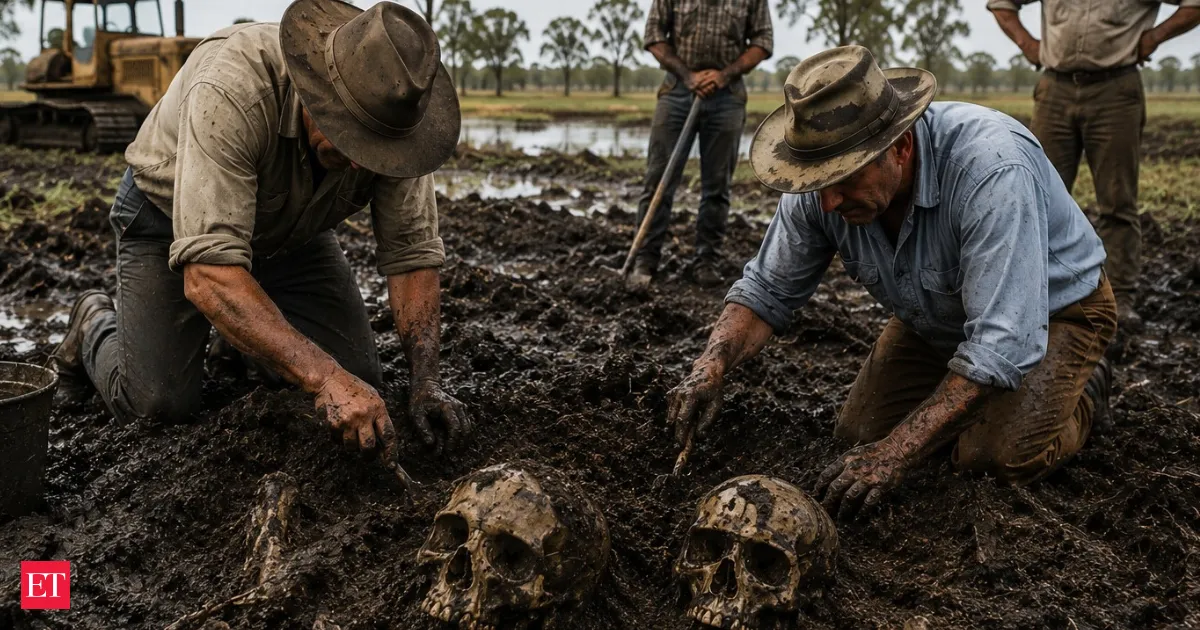
In the 1960s, farmers digging Queensland wetlands unearthed unusual skull fossils at Kow Swamp that fueled claims early Australians looked “archaic.” But later research showed key features could result from cranial deformation. Leg-bone analysis and DNA evidence ultimately identified the remains as anatomically modern humans—an urgent reminder to challenge first impressions in science.
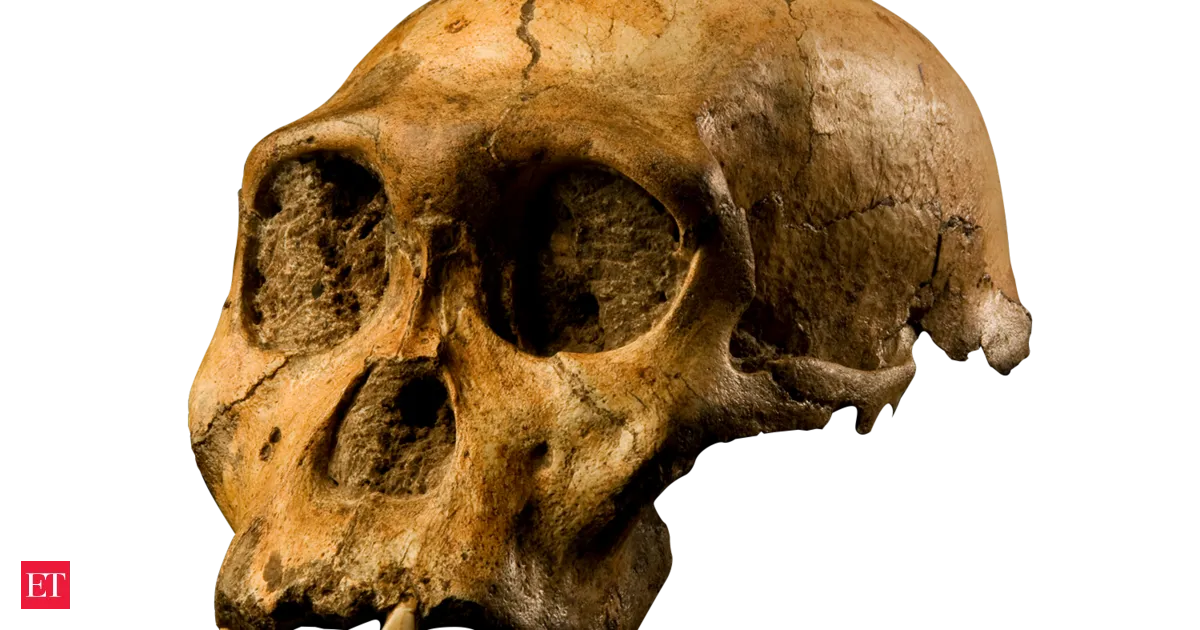
In South Africa, a fossil discovery sparked a major leap in understanding human evolution. In 2008, young Matthew Berger found a bone that helped scientists identify Australopithecus sediba, a long-lost human relative. The fossils offer a rare, detailed glimpse into early hominin anatomy, revealing a surprising mix of ape-like and human-like traits that reshaped key evolutionary questions.
Your news, in seconds
Get the Beige app — every story in 60 words, updated hourly. Free on iOS & Android.
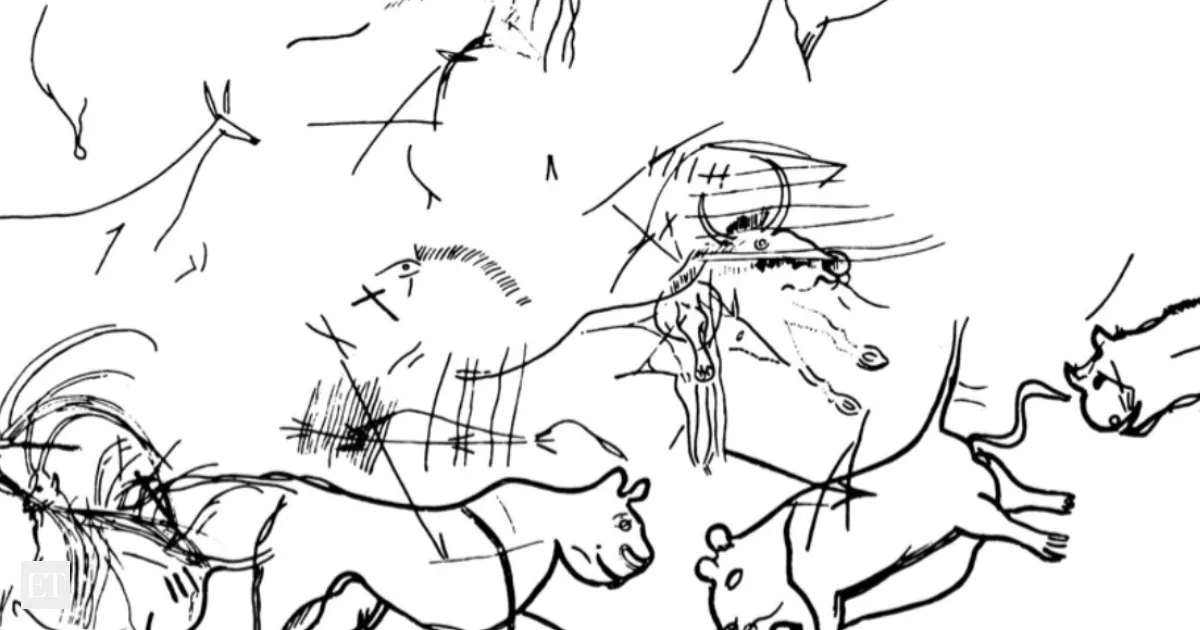
Altamira’s detailed cave paintings in Spain were once branded a hoax because scientists doubted early humans had the skill to create such art. Later research uncovered sophisticated techniques, and additional authenticated findings strengthened the case. Today, Altamira stands as a landmark proof of early human artistic expression, forcing a major shift in what researchers believed about intelligence and creativity.
Swipe through stories, personalise your feed, and save articles for later — all on the app.