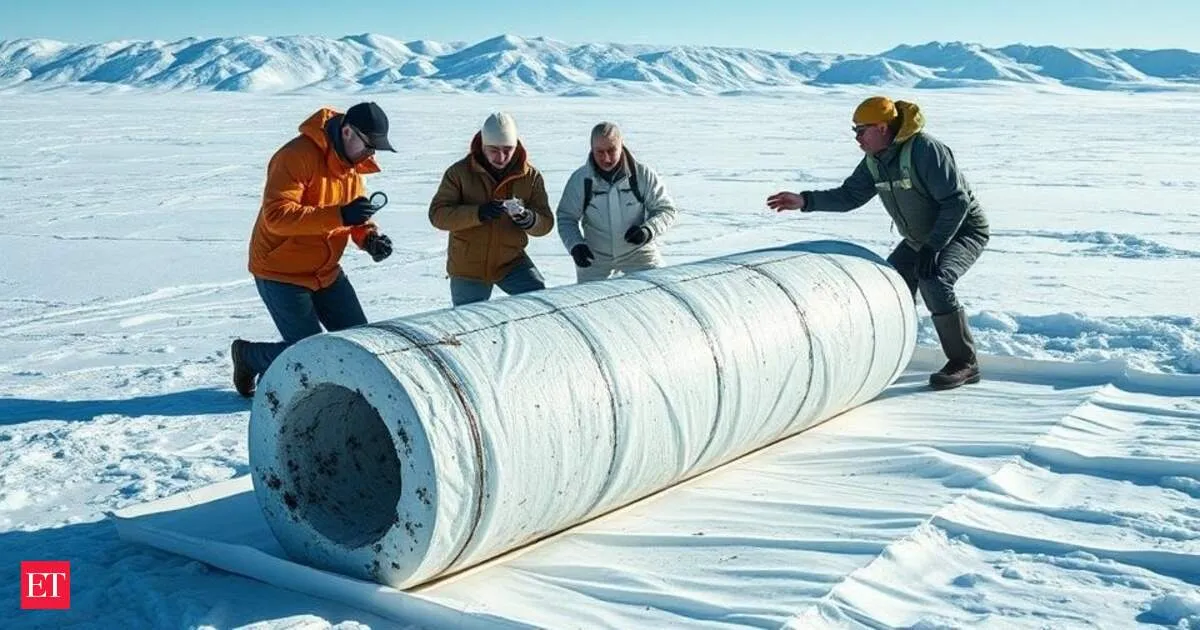
Scientists have identified ancient stardust trapped in Antarctic ice, traced back to exploded stars. The discovery turns the ice into a time capsule, recording how Earth moved through space clouds over thousands of years. Researchers say the embedded particles help map the structure of these distant cosmic regions, offering a new snapshot of Earth’s long, galaxy-wide journey.
A French passenger and an American evacuee have tested positive for hantavirus after being evacuated from the MV Hondius, a Dutch-flagged cruise traveling around Antarctica. Health officials say three passengers have already died, triggering worldwide concern and coordinated evacuations. It is being treated as the first emergency linked to a cruise ship, raising questions about exposure onboard.
Your news, in seconds
Get the Beige app — every story in 60 words, updated hourly. Free on iOS & Android.
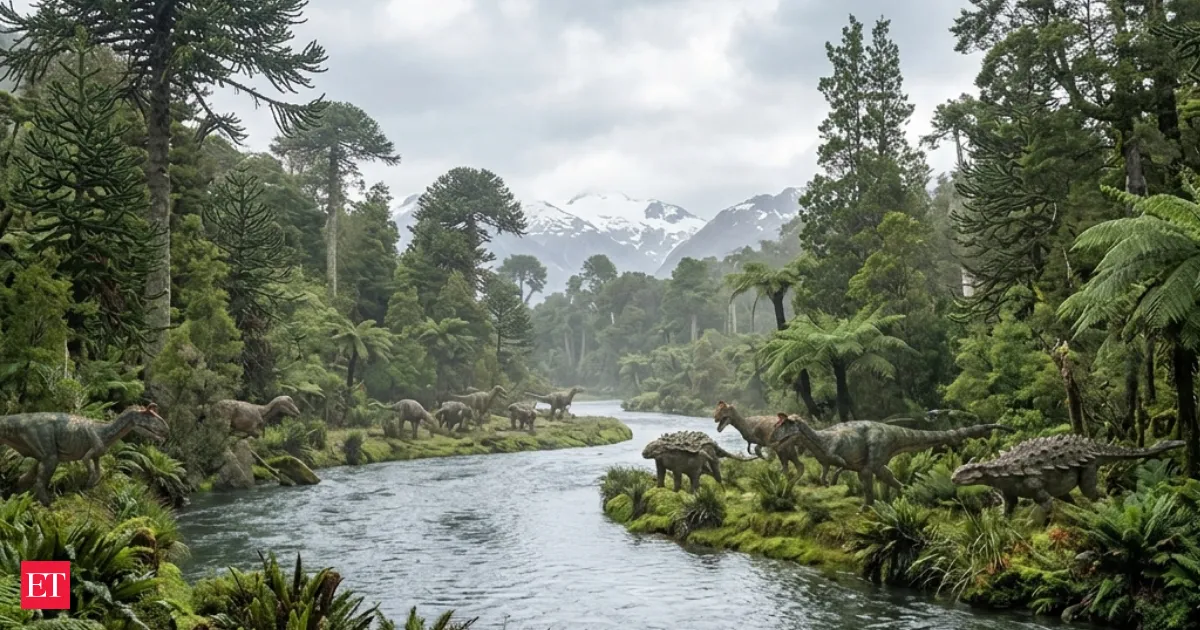
New fossils buried under Antarctica’s ice have revealed the continent was once a swampy temperate rainforest around 90 million years ago. Researchers estimate a warm, moist climate with average temperatures near 12°C—far from today’s icy conditions. The discovery reshapes Earth’s ancient climate timeline and underscores how greenhouse gases can dramatically transform polar regions.
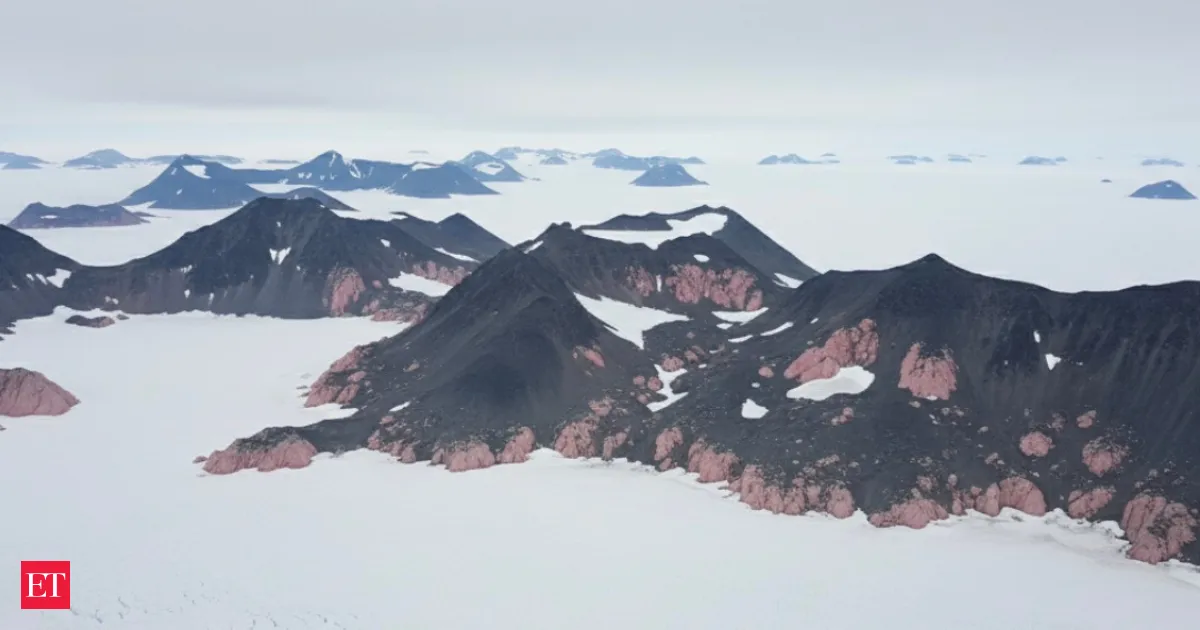
Bright pink granite boulders on Antarctica’s Hudson Mountains were the clue to something far larger beneath the ice. Using aerial gravity mapping and geology analysis, researchers found a massive granite formation about 100 kilometers wide and 7 kilometers deep under the Pine Island Glacier. The result could refine understanding of Antarctic geology and how this glacier influences sea level projections.
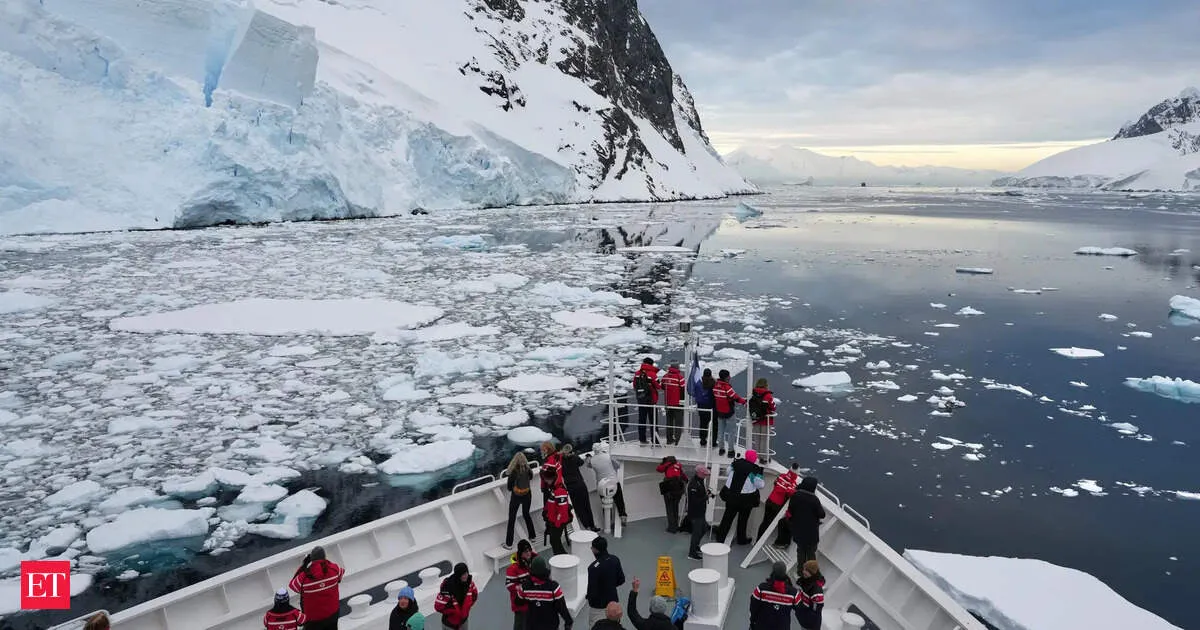
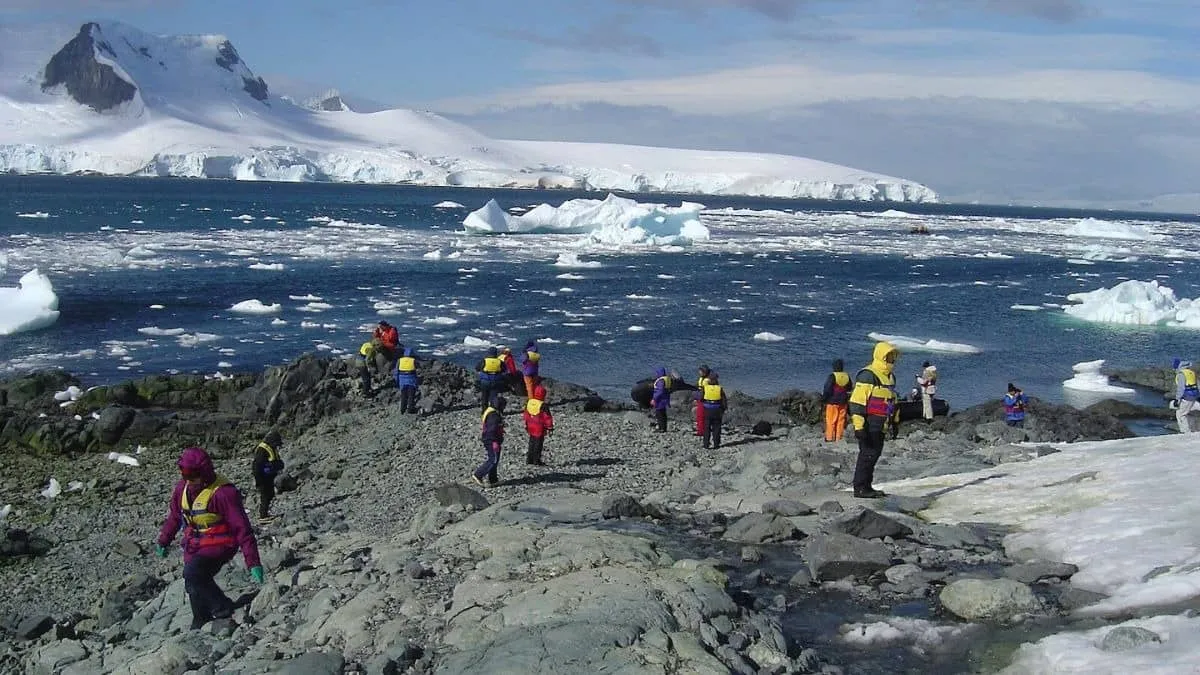
Antarctica’s tourism is surging, pulling in more than 80,000 visitors, but experts warn the boom could bring contamination and disease risks. A recent hantavirus outbreak underscores the threat, while scientists predict visits could triple. Strict curbs are in place to protect the fragile ecosystem from invasive species and illness, even as the continent’s allure continues to draw crowds.
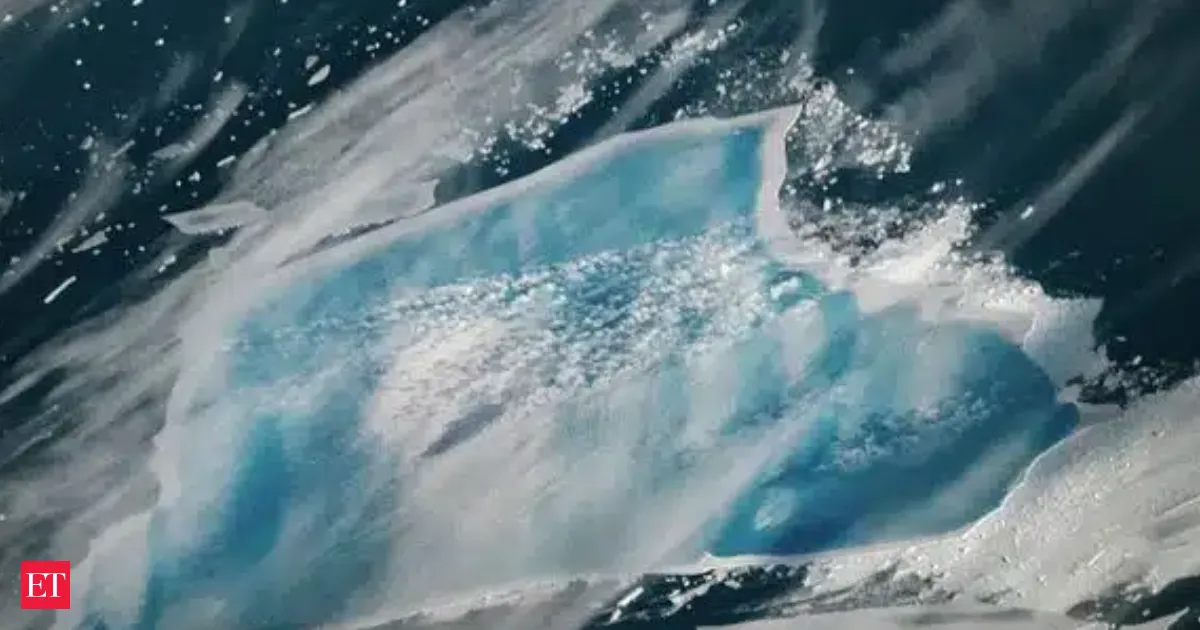
The giant A-23A iceberg, floating since 1986, is now nearing its end as bright aquamarine meltwater pools spread across its surface. Scientists say the blue spots show the ice is weakening and breaking apart after its long drift in the Southern Ocean. Researchers are monitoring the collapse closely as a stark, visible reminder of climate change at work.
Never miss a story
Set alerts for the topics and sources you care about. Download Beige for free.
Antarctica’s tourism surge, fueled by both curiosity and fears that climate change may permanently alter the continent, is driving fresh concerns. Experts warn that more visitors can increase contamination, illness, and environmental strain. In response, tour operators and regulators are tightening conduct and hygiene rules to reduce the chances of spreading contaminants among tourists and the fragile ecosystem.
Swipe through stories, personalise your feed, and save articles for later — all on the app.