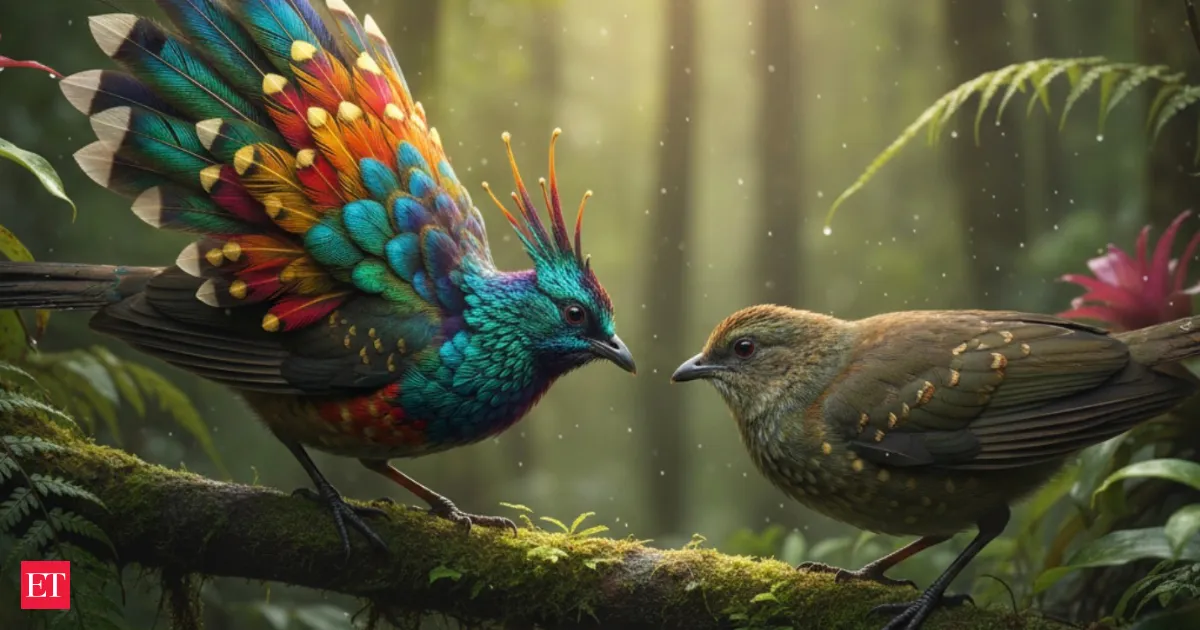
A new evolutionary framework suggests animal communication can change when females relax their mate preferences, allowing fresh signals to emerge and spread. Researchers describe two routes: receiver first, where females start with biases, and signal first, where males craft cues and females adapt. Sensory bias can steer both paths, with implications for speciation and conservation through behavioral flexibility.
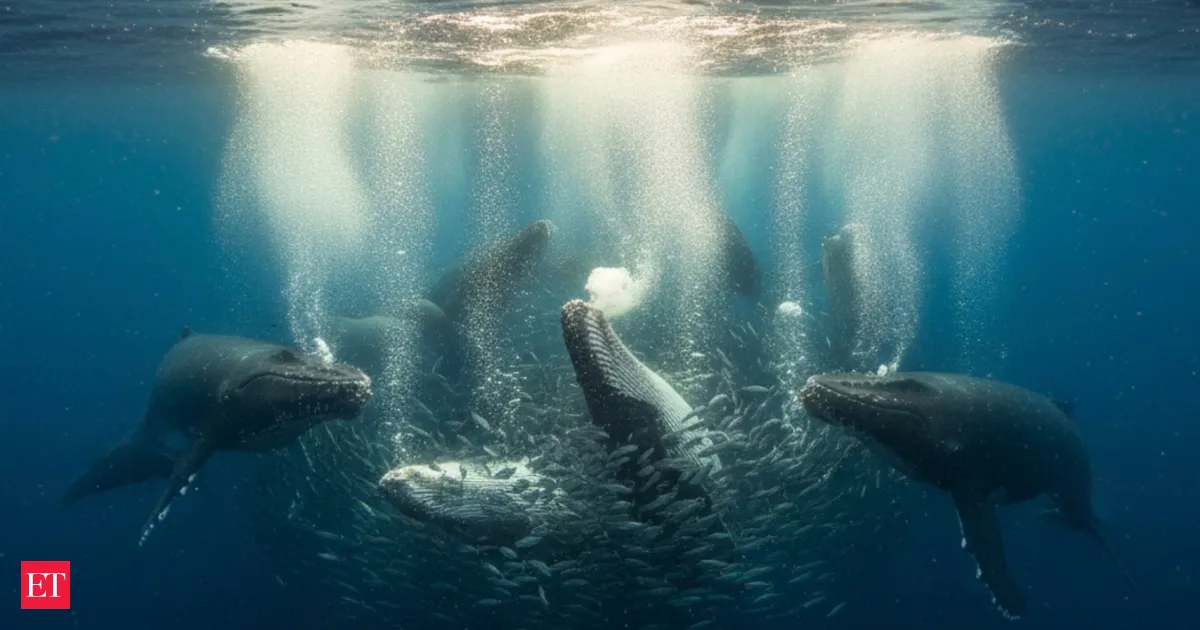
New research underscores that whales are not just migrating and hunting—they are maintaining culture. Pods pass down learned behaviors like migration routes, foraging techniques, and communication styles. Even hunting differs between orcas and baleen whales. Conservation efforts may need to treat each pod’s culture and habitat as a protected system, not just individual animals.
Your news, in seconds
Get the Beige app — every story in 60 words, updated hourly. Free on iOS & Android.
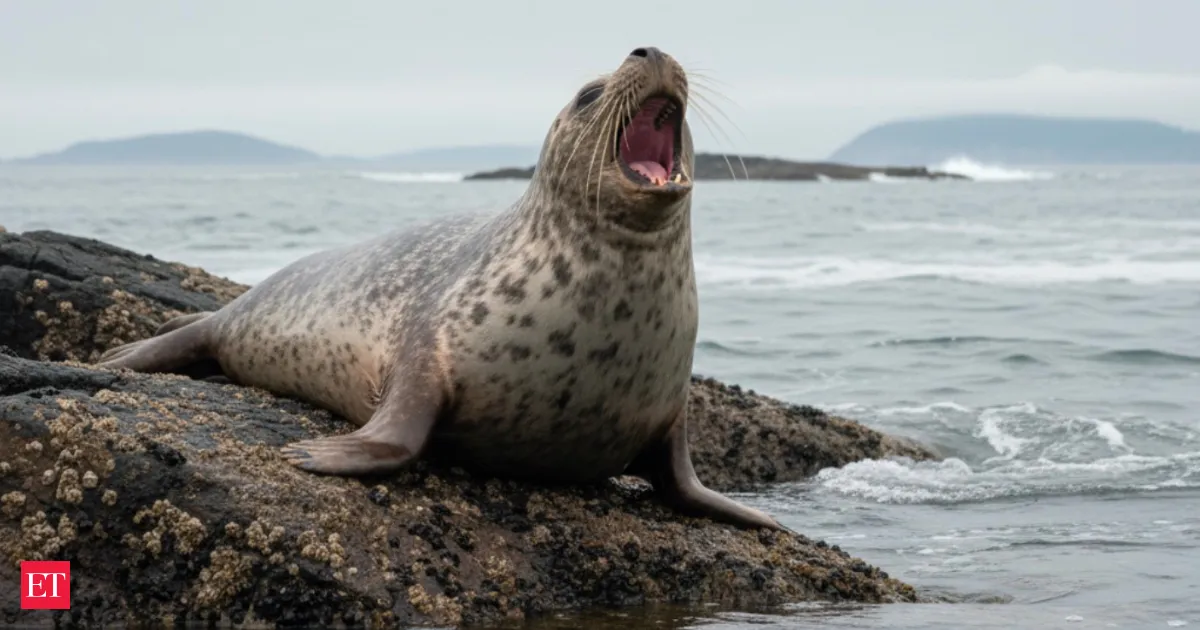
Seals and sea lions can voluntarily control their vocalizations, a rare ability in mammals. Scientists say their vocal motor cortex connects directly to the muscles that produce sound, unlike most species whose calls are largely automatic. Their specialized underwater breathing systems are also tied to vocal production, helping researchers piece together how human-like speech may have evolved.
Swipe through stories, personalise your feed, and save articles for later — all on the app.