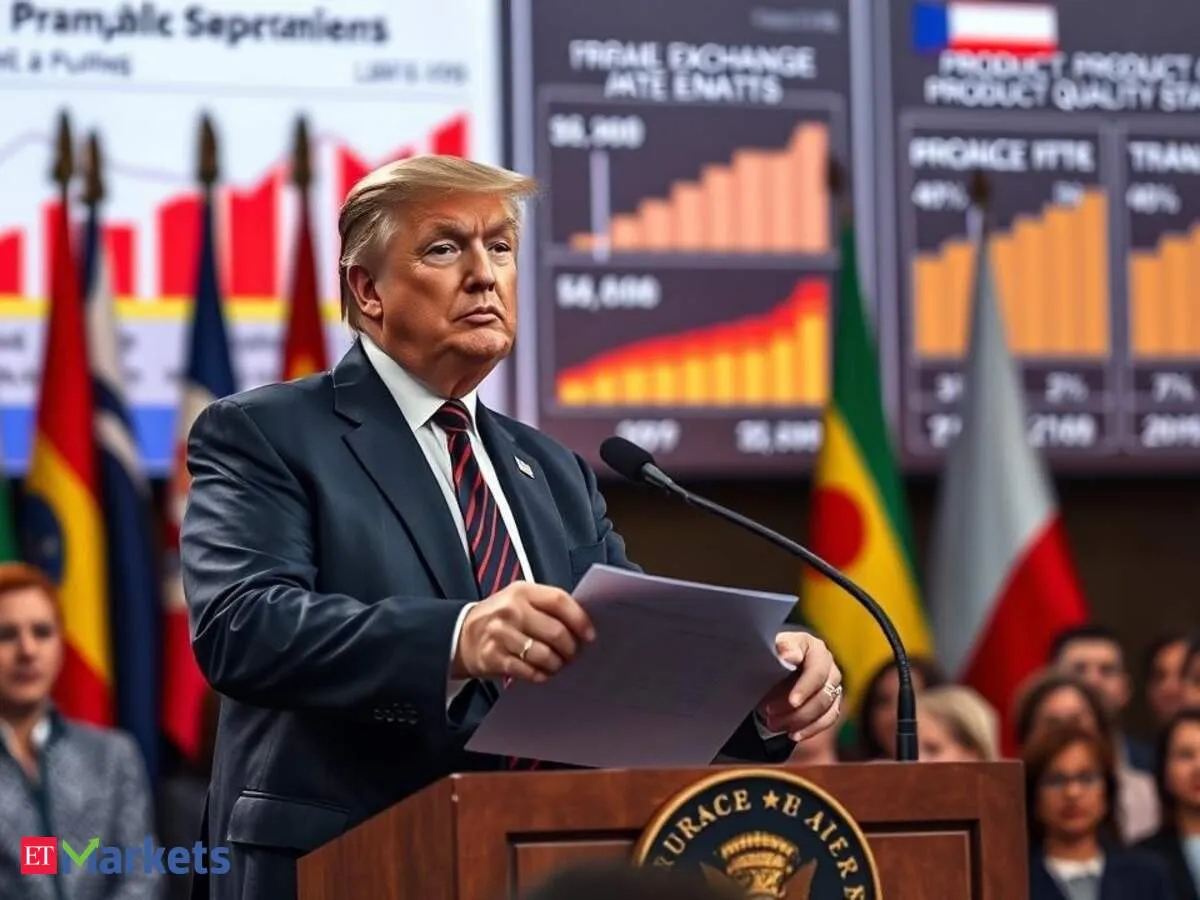
New ethics filings for the first quarter of 2026 reveal Donald Trump made a high-volume trading spree spanning technology, aerospace, banking and consumer names. Purchases highlighted AI leaders including NVIDIA and Microsoft, alongside other tech players, while Boeing emerged as a major theme around renewed U.S.-China trade negotiations. The disclosures show transaction totals ranging from $220 million to $750 million across thousands of trades, sparking renewed debate over transparency and potential conflicts.
Wall Street pushed higher on May 11, with the S&P 500 and Nasdaq Composite closing at record highs despite escalating US-Iran tensions that sent oil prices up. The S&P 500 rose 0.19% to 7,412.84 and the Nasdaq gained 0.1% to finish at 26,274.13. The Dow added 95.31 points to end at 49,704.47. While Trump rejected an Iran proposal and warned the ceasefire was “on life support,” investors stayed focused on tech and AI—Micron and NVIDIA leading gains.
Your news, in seconds
Get the Beige app — every story in 60 words, updated hourly. Free on iOS & Android.
U.S. investors are increasingly worried about a major correction as AI supercharges market concentration and turns major benchmarks into directional bets. Morgan Stanley estimates the top 10 U.S. stocks account for 33% of overall value (37.5% of the MSCI USA index). RBC adds that in S&P 500 index funds, more than $40 of every $100 is effectively tied to just 10 companies, creating a “passive concentration trap.” The risk is a disorderly rout if mega-cap AI earnings and guidance disappoint—though AI doesn’t need to fail entirely.
Global hedge funds are piling into Asian equities with a weekly buying pace not seen in a decade, led by South Korea, Japan, and Taiwan. The rush is concentrated in technology firms, as investors chase exposure to artificial intelligence beneficiaries. Chipmakers across the region appear to be the key drivers, reflecting how money is flowing into Asia’s tech supply chain.
Asian markets rose as AI and tech stocks led the climb, with investors appearing to look past Middle East risks despite oil moving higher. Even as inflation worries linger and crude prices add pressure, sentiment stays supported by expectations that corporate profits will benefit from AI spending. Still, traders aren’t fully calm as volatility risk remains.
U.S. markets closed higher on Friday, with the S&P 500 and Nasdaq setting fresh record highs. The rally was fueled by a sharp surge in AI-linked names, including Nvidia and memory and storage players like Micron and Sandisk. A stronger-than-expected jobs report also signaled a resilient labor market, helping investors look past rising geopolitical concerns.
Never miss a story
Set alerts for the topics and sources you care about. Download Beige for free.
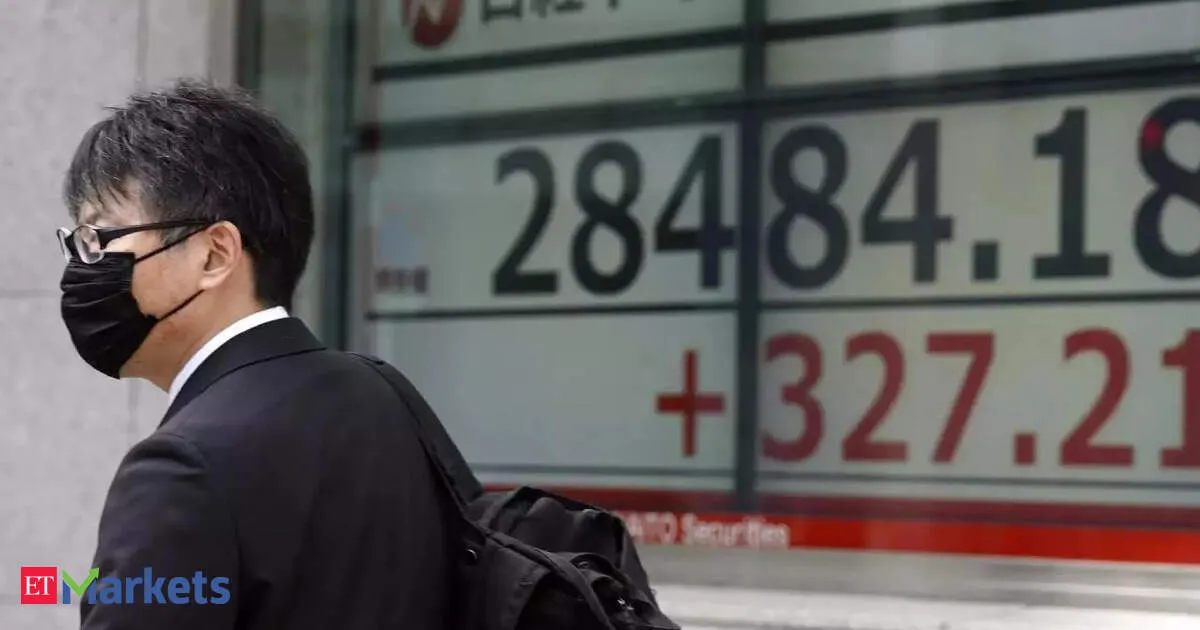
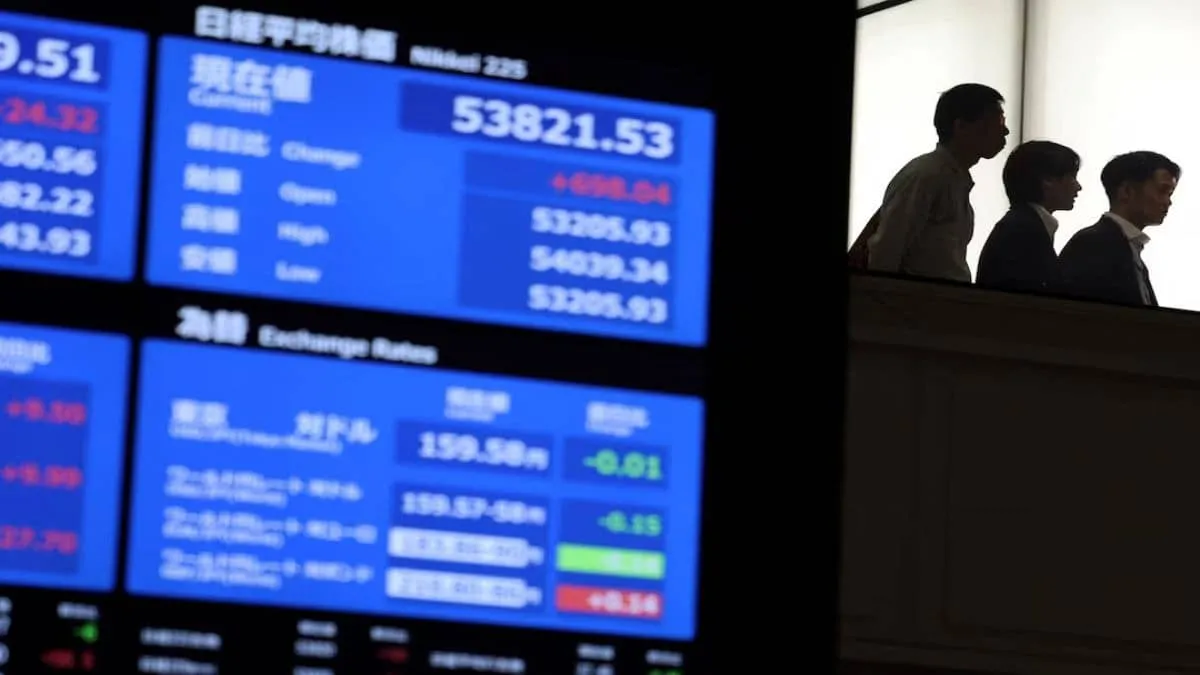
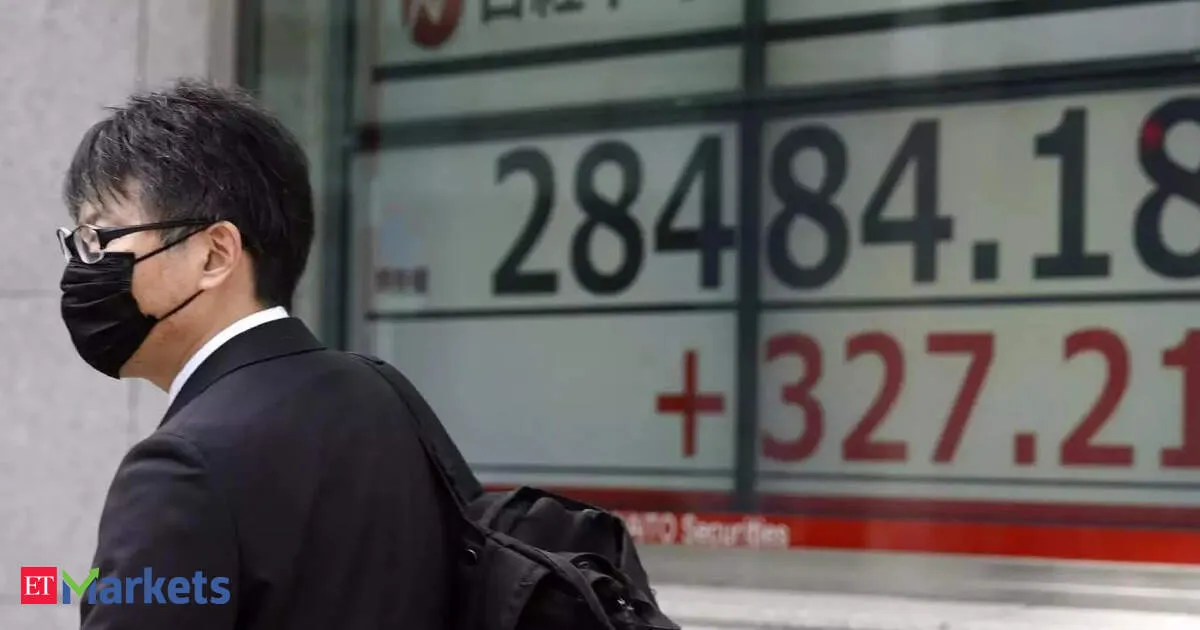
Japan’s Nikkei 225 surged to a fresh record above 62,000, fueled by global optimism after strong tech earnings and eased Middle East tensions. Technology stocks, especially AI-linked names, drove the momentum, while government bonds also strengthened. The yen held steady after earlier gains, underscoring a broad risk-on shift across markets.
Asian markets steadied on Wednesday as easing concerns over the Iran standoff and the AI sector helped investors refocus. Strong corporate earnings boosted risk appetite, while attention shifted to the Federal Reserve’s upcoming decision. Traders weighed improving sentiment against lingering macro uncertainty, finding enough momentum to push stocks higher despite earlier anxiety.
A broad selloff hit AI-linked stocks after a Bloomberg report said OpenAI missed key sales and user growth targets. The news reignited worries that heavy investment in AI may not pay off quickly enough, triggering risk-off moves across the sector even among companies seen as direct beneficiaries of AI adoption.
Asian stocks opened lower as a Wall Street tech selloff spilled over, fueled by worries that AI spending may not deliver quick returns ahead of major earnings. Rising Treasury yields, boosted by firmer oil prices, are stoking inflation expectations and trimming expectations for Fed rate cuts. With the global rally wobbling, technology earnings now hold the spotlight.
Reading on mobile?
Open Beige in the app for a smoother experience — free on iOS and Android.
Nvidia, AMD, and Intel led a sharp fall in chip stocks as AI spending worries hit sentiment ahead of major mega-cap earnings. The Magnificent Seven opened broadly lower, with just Apple gaining. Higher oil and elevated bond yields added pressure on valuations, while concerns over OpenAI revenue growth further cooled AI optimism.
AI-linked companies have surged from nearly a quarter to 45% of the S&P 500’s market cap since ChatGPT’s launch, led by majors like Microsoft, Nvidia, Amazon, Alphabet and Meta. The momentum is now mirrored in fixed income: AI-linked investment-grade debt has grown to $1.4 trillion, 15.4% of US credit—raising the stakes for market concentration risk.
Global markets are showing surprising resilience amid geopolitical worries, especially in the US. Investors expected tighter links between financial assets and oil, but correlations are weakening. Meanwhile, the dollar appears to track equity performance more than crude, pointing to a market shift toward corporate earnings and AI-driven themes rather than commodity moves.
Swipe through stories, personalise your feed, and save articles for later — all on the app.