Cisco has open-sourced the Foundry Security Spec, an AI security evaluation blueprint designed to replace noisy, unverifiable alerts with structured, auditable findings. Built for machine-speed threats, it counters frontier-model hallucinations using orchestration, bounded outputs, and clear completion signals. The spec is model-agnostic and stack-neutral, and it’s released as two artifacts: Spec.md with ~130 requirements and Constitution.md with 11 inviolable principles tied to real failures Cisco encountered.
With Anthropic’s Mythos AI still hard to access, organizations are turning to Claude Opus 4.7 for cybersecurity work. Firms use it to hunt threats and respond to incidents, citing that Opus 4.7 can deliver roughly 70–80% of Mythos’ capability—enough to tackle vulnerabilities while waiting for wider Mythos availability.
Your news, in seconds
Get the Beige app — every story in 60 words, updated hourly. Free on iOS & Android.
US officials removed details from a government website about an agreement with Microsoft, Google, and xAI. The arrangement reportedly let government scientists test new AI models for security flaws before they were released publicly. The deletion comes as national security concerns over advanced AI intensify, but officials have not clarified why the information was taken down.
Mozilla’s security researchers say Anthropic’s Mythos helped surface a significant number of high-severity vulnerabilities in Firefox. The findings suggest the AI system can dig up dangerous weaknesses faster than traditional review, potentially shifting how teams triage and patch browser security. The report raises questions about what else such tools could uncover in widely used software.
IBM has partnered with Yotta Data Services to roll out an agentic AI platform designed for Indian government bodies and businesses. The system will run on Yotta’s Shakti Cloud, focusing on secure and compliant AI adoption. The deal also brings IBM’s sovereign core to Yotta’s cloud infrastructure, aiming to strengthen data control as organizations deploy autonomous AI.
SEBI has cautioned market participants about emerging cybersecurity risks from advanced AI tools that can search for system weaknesses, including Anthropic’s Mythos. The regulator has set up a task force, cyber suraksha ai, to study these threats and outline response strategies. Firms are urged to upgrade cybersecurity controls and coordinate with technology vendors to reduce exposure.
Never miss a story
Set alerts for the topics and sources you care about. Download Beige for free.
A shocking incident shows how a Morse code message can manipulate an AI system into executing a high-value crypto transfer, draining $200,000 in seconds. The case highlights a growing threat at the AI finance intersection: when bots are given direct access to wallets, even indirect prompt or signal attacks can trigger real-world financial actions fast, leaving security gaps exposed.
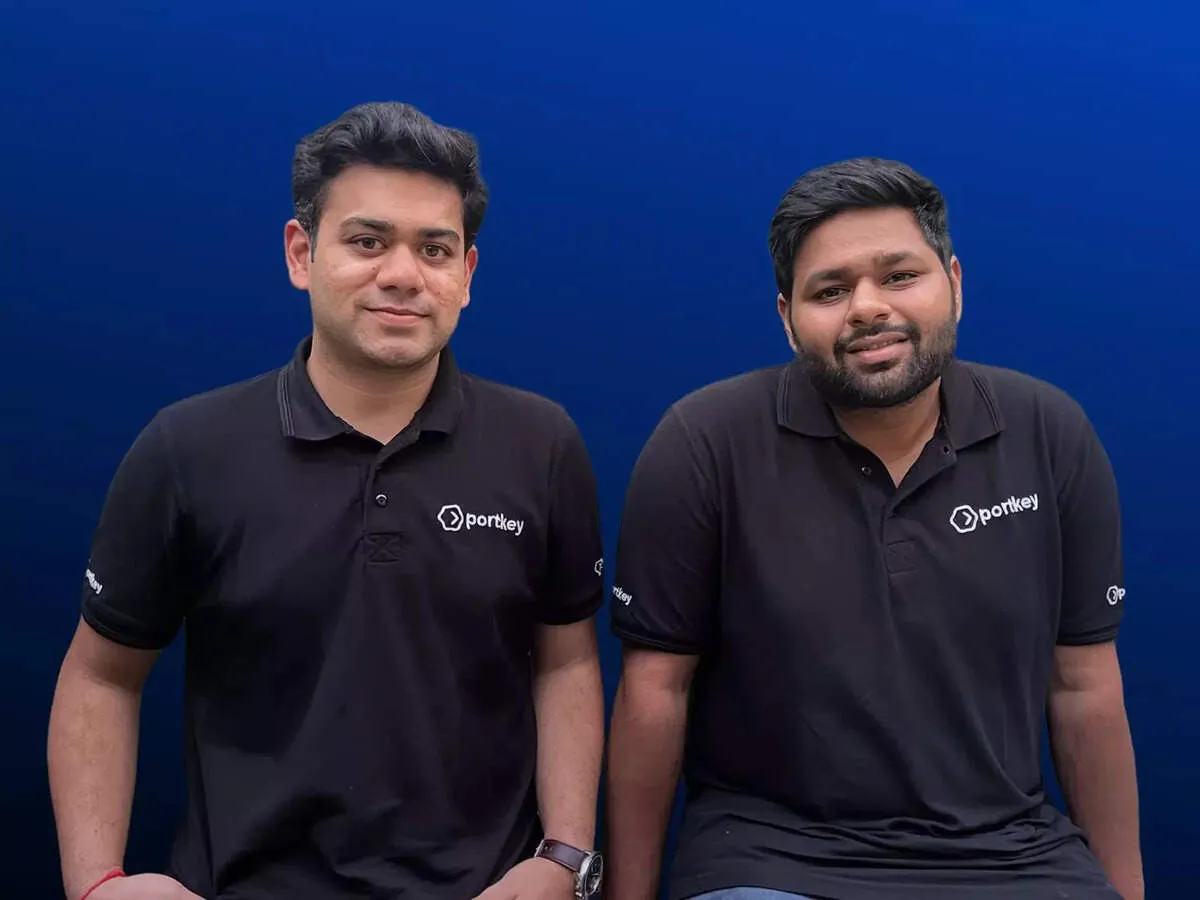
Palo Alto Networks will acquire Portkey, an AI infrastructure startup backed by Elevation Capital, to strengthen defenses for autonomous AI systems. The deal is designed to give enterprises a centralized control plane to manage and secure AI agents. The acquisition is expected to close in Palo Alto Networks’ fourth quarter of fiscal 2026, pending regulatory approvals.
A new round of disclosures shows AI coding agents are failing at one core security principle: broken access control via credentials. Exploits across Codex, Claude Code, Copilot, and Vertex AI repeatedly steal OAuth or service-account tokens, then act in production without a human session binding the request. Researchers warn defenders focused on CVEs while attackers target runtime identities.
India is reportedly seeking fair access to Anthropic’s Mythos AI model through discussions with the US administration. The government wants Indian companies to use advanced AI for faster vulnerability detection while focusing on protecting critical infrastructure such as power grids and banking systems. Officials say equitable access is key as these models can identify weaknesses quickly.
Reading on mobile?
Open Beige in the app for a smoother experience — free on iOS and Android.
Britain plans to cooperate with “middle powers” including France, Germany, and Canada to strengthen AI security. The effort, led by the British AI Security Institute, will focus on sharing best practices for evaluating AI models and shaping how AI systems are assessed. Officials say the partnership won’t change or weaken ties with the United States.
OpenAI has released Privacy Filter, an open-weight model aimed at detecting and redacting personally identifiable information in text. The tool is designed to be context-aware and run locally, targeting “privacy-by-design” for enterprises and developers. The goal: protect sensitive data during AI training and processing without relying on cloud infrastructure.
Swipe through stories, personalise your feed, and save articles for later — all on the app.