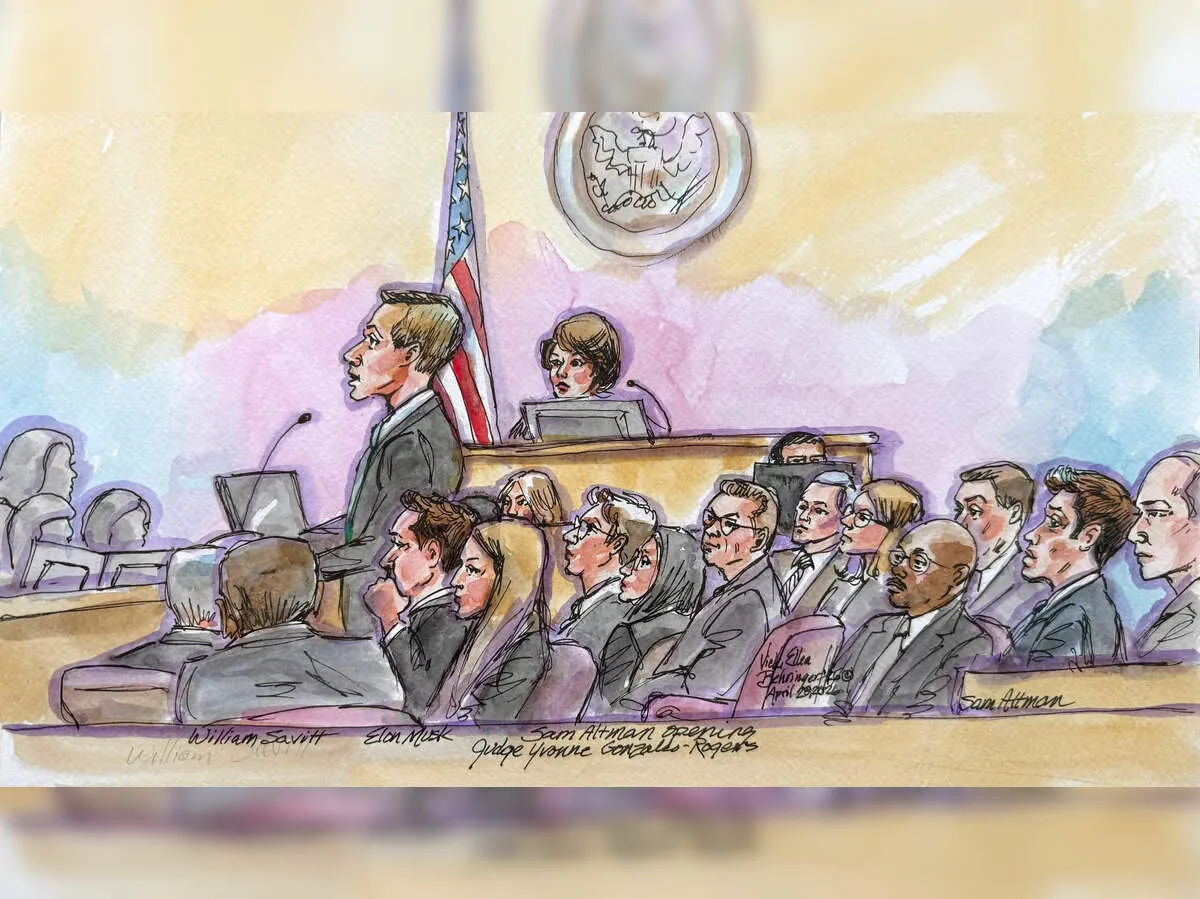
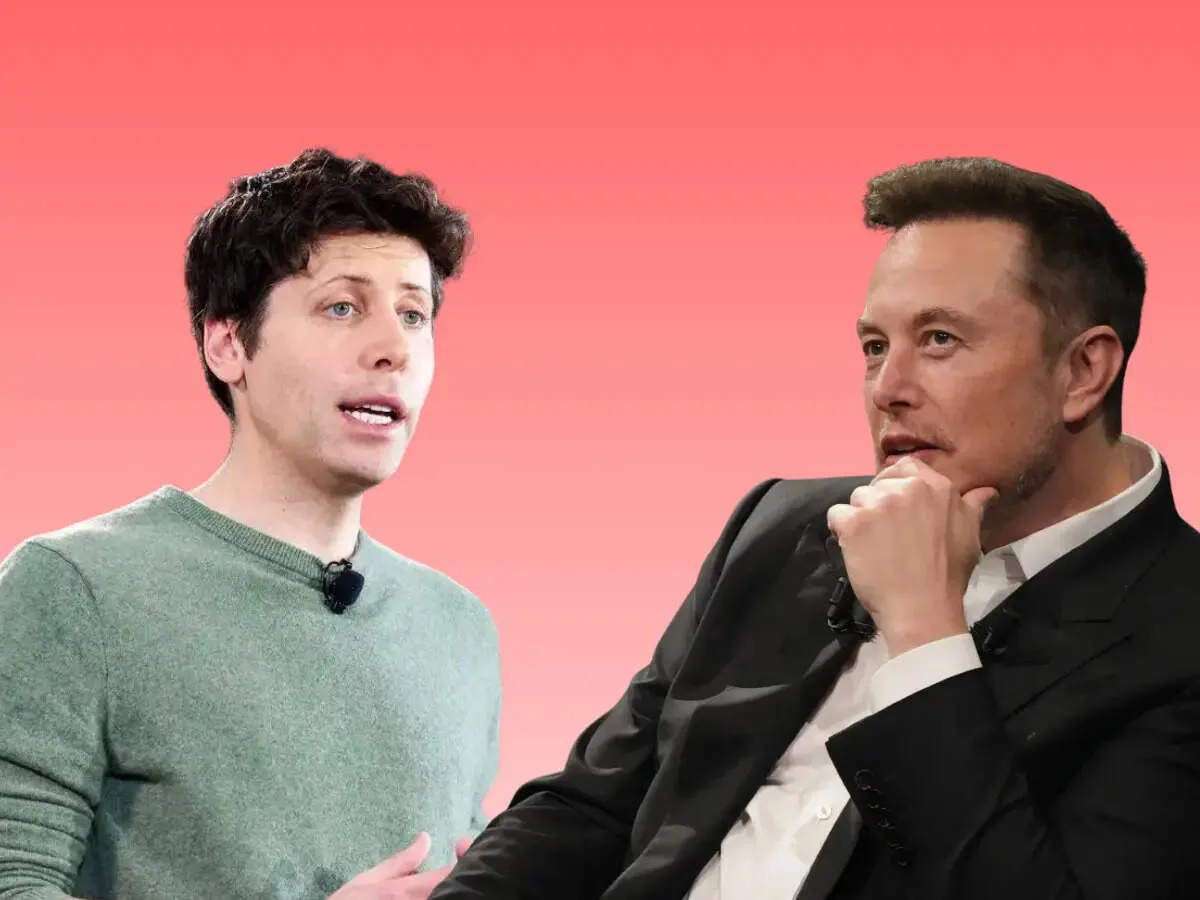
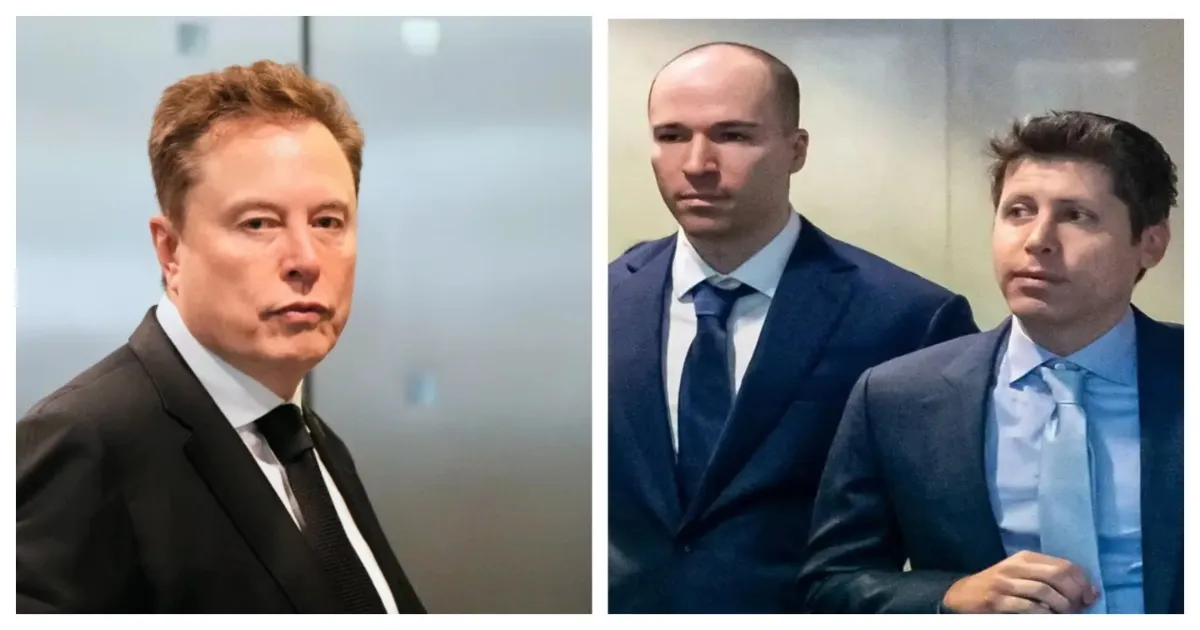
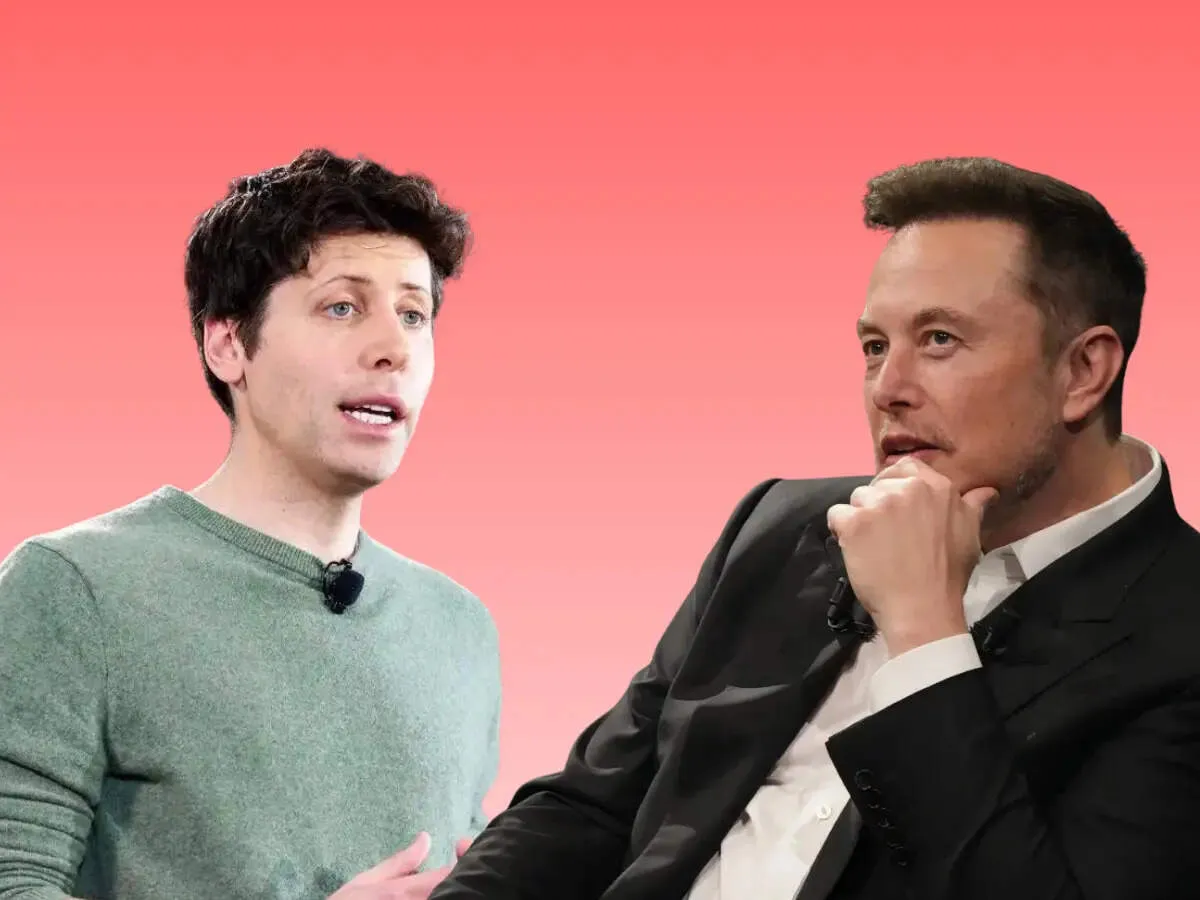
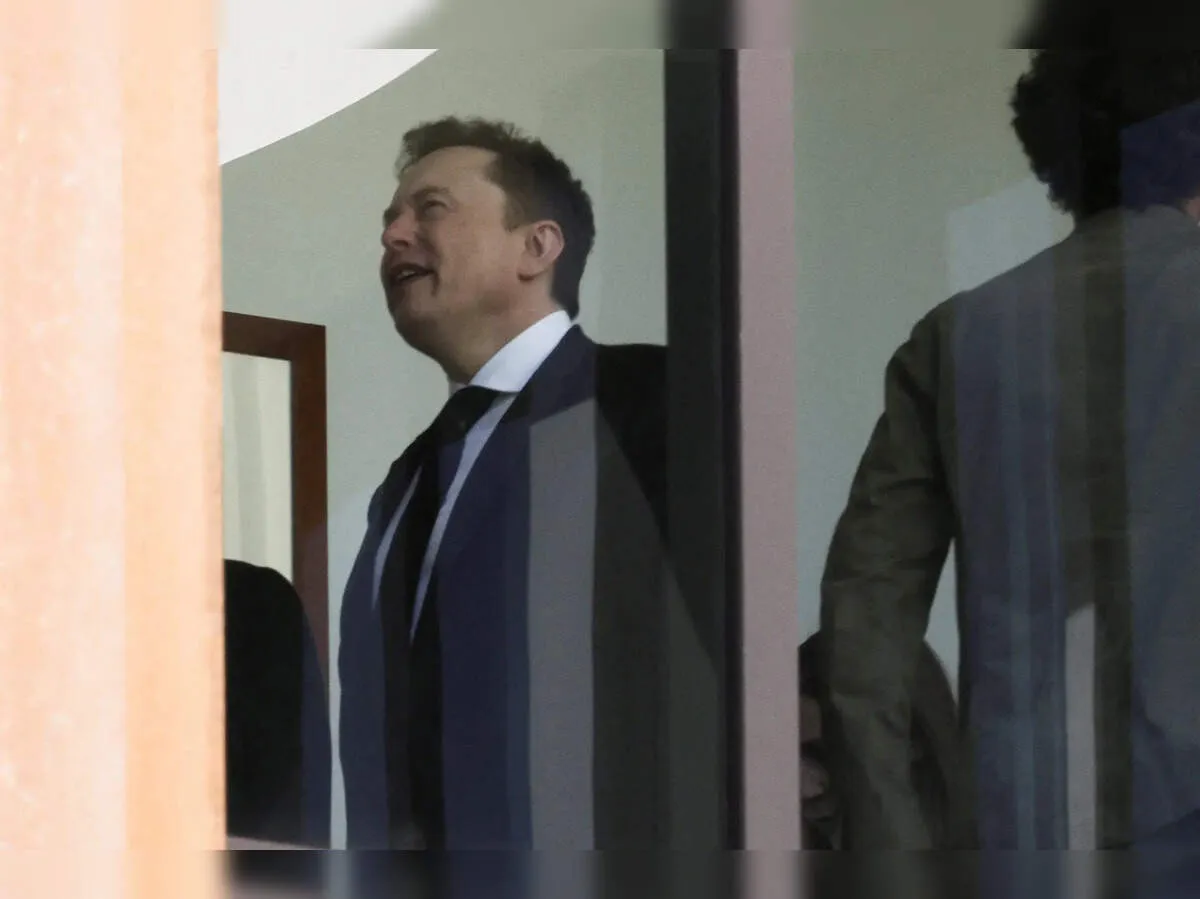
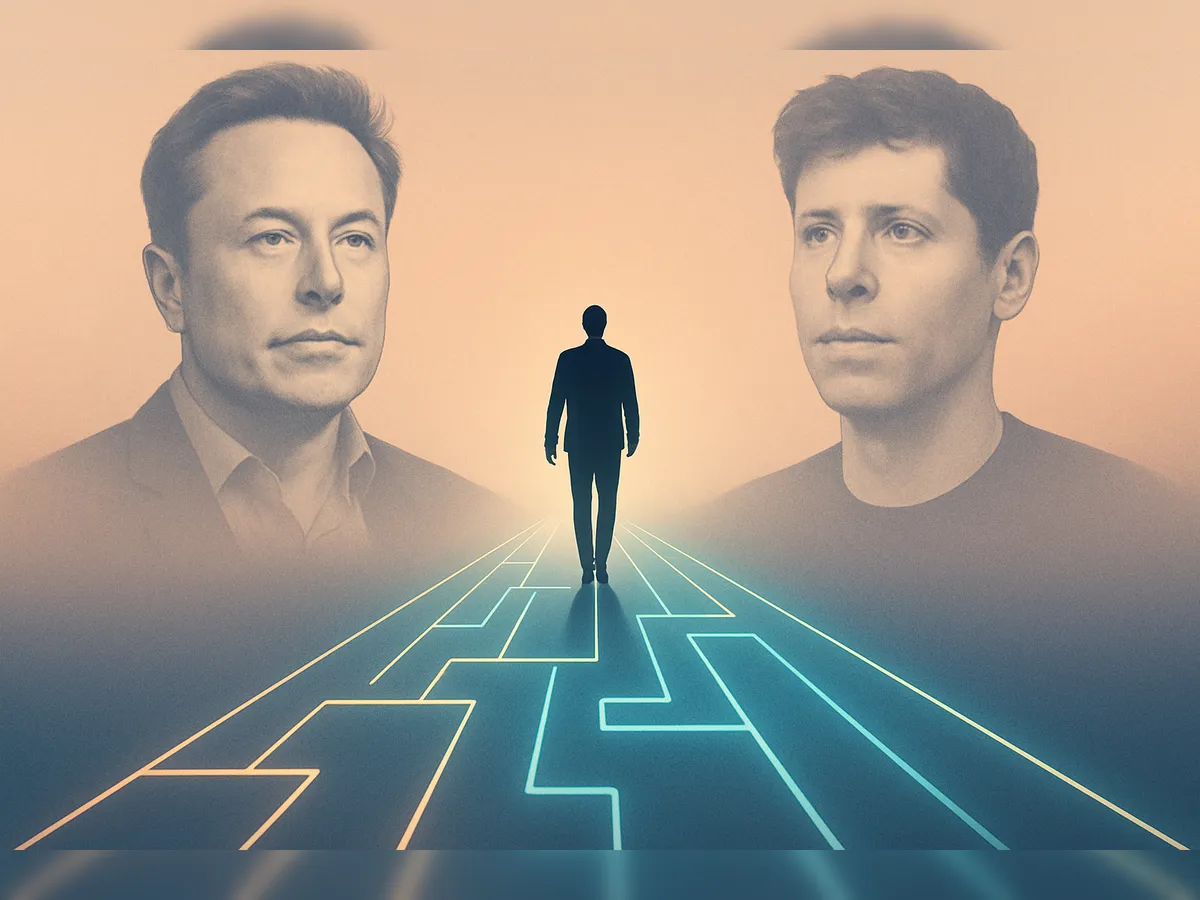
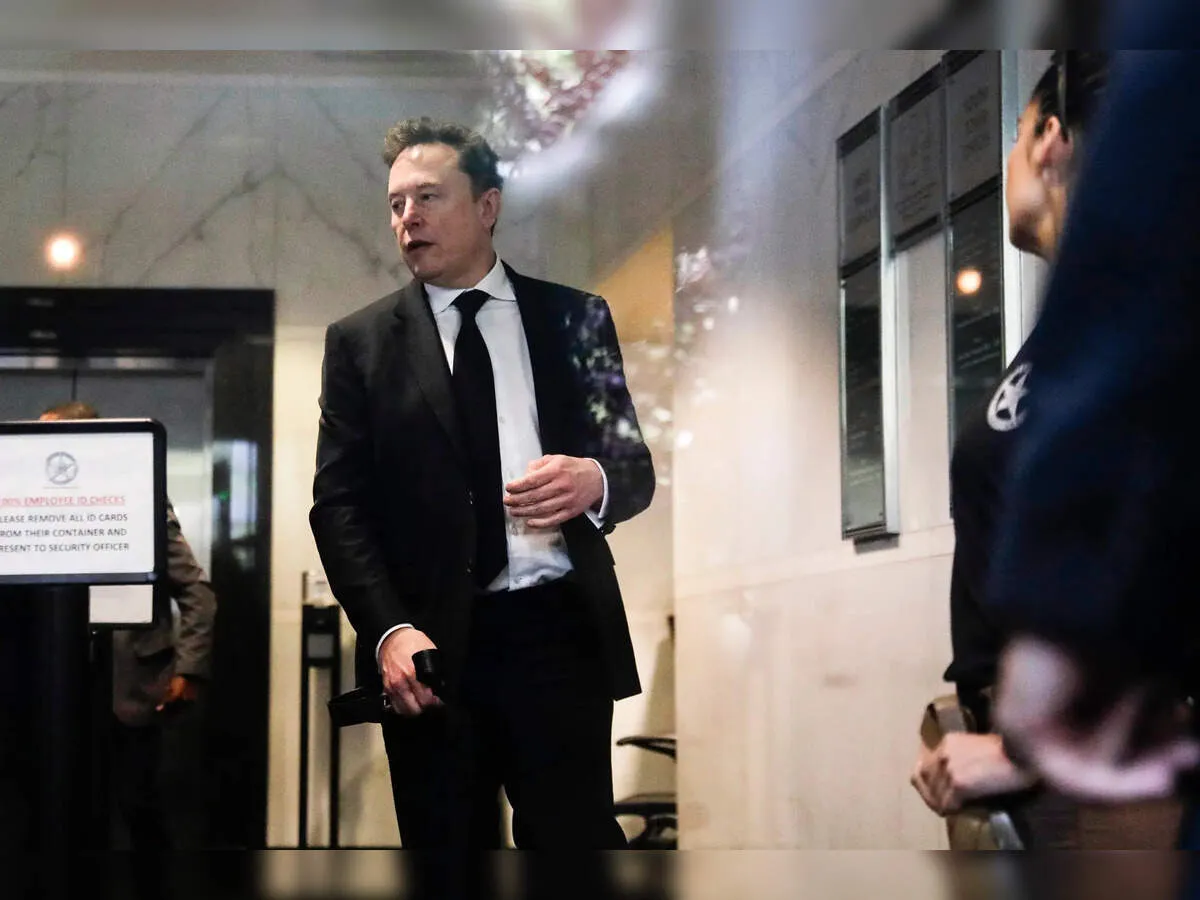
Elon Musk’s lawsuit against OpenAI and CEO Sam Altman is entering its final stages in Oakland, California, as lawyers deliver closing arguments. Musk alleges OpenAI betrayed its safe-AI charitable mission by turning the nonprofit into a profit engine to enrich insiders, claiming he was steered into a $38 million gift before the nonprofit was linked to a for-profit structure and major investor funding. OpenAI argues the model strengthens the mission, while Musk seeks about $150 billion and leadership removals.
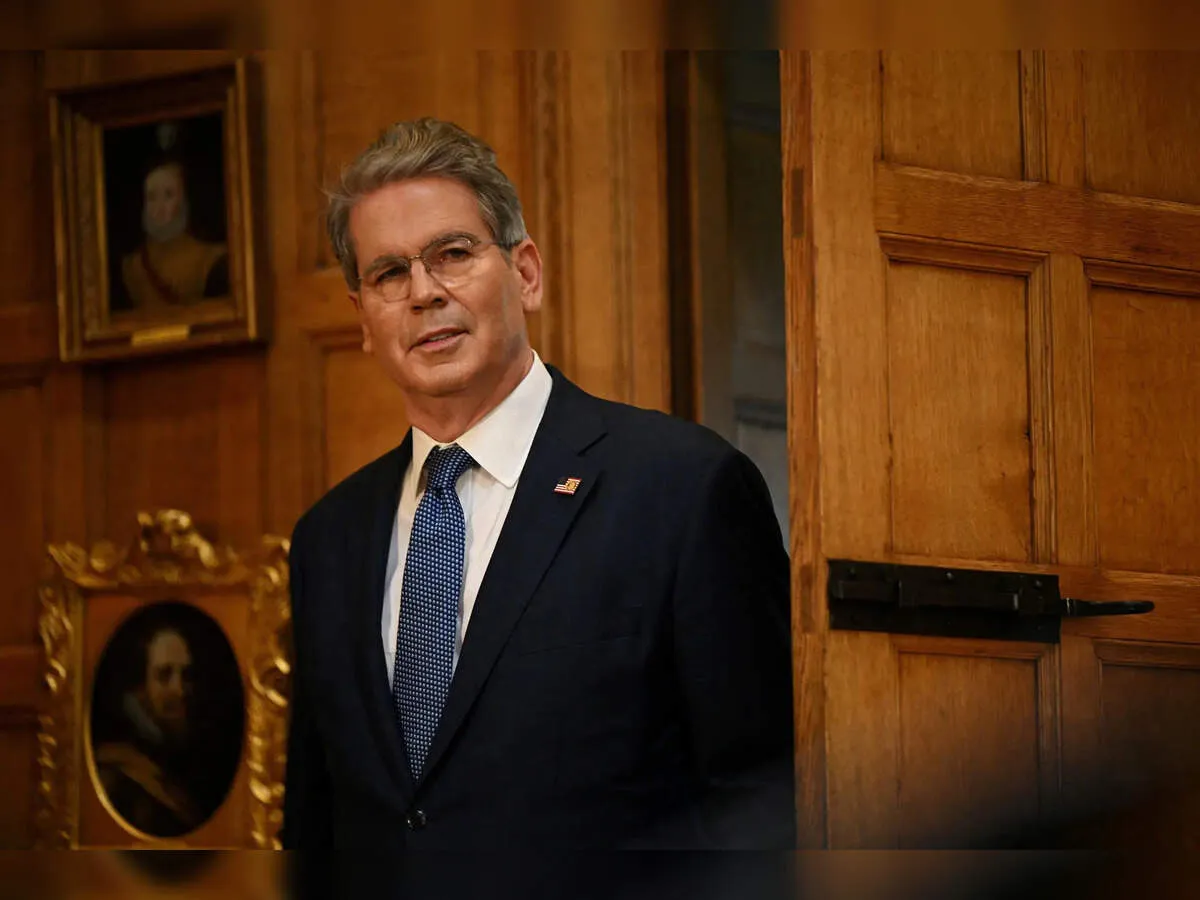
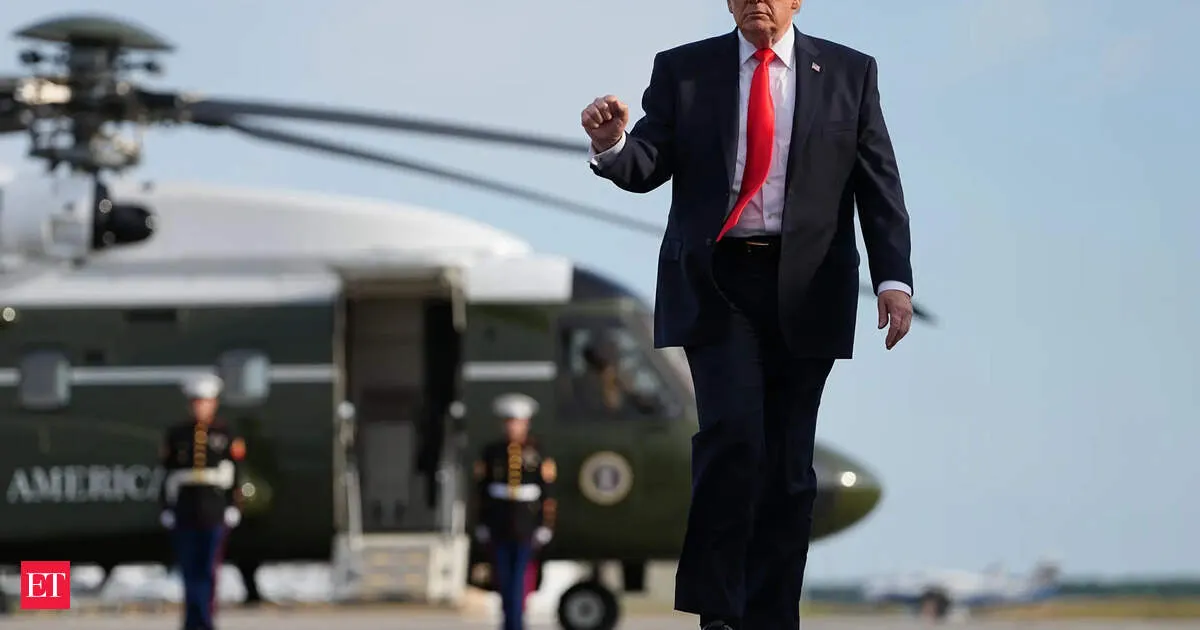
US Treasury Secretary Scott Bessent says Washington and Beijing are discussing “AI guardrails” and a joint “protocol” for the technology’s future. The aim, he said, is to ensure non-state actors cannot get hold of powerful AI models amid rising calls for regulation. Bessent framed it as protection, not stifling, and said the US will rely on “US best practices, US values” while sharing an approach globally. The talks come during Trump’s Beijing visit alongside major tech leaders.
Your news, in seconds
Get the Beige app — every story in 60 words, updated hourly. Free on iOS & Android.
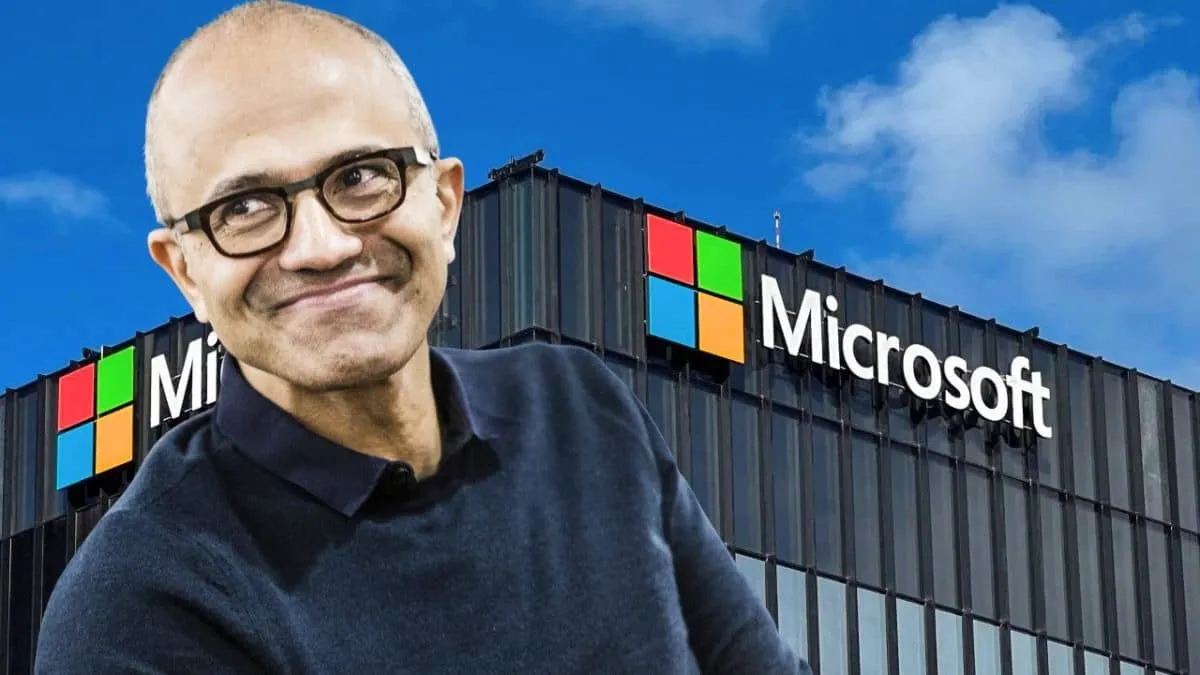
Satya Nadella testified in Elon Musk’s lawsuit in California, defending Microsoft’s $13 billion OpenAI partnership. Nadella said Musk never personally contacted him to oppose Microsoft’s investment. He also criticized OpenAI’s board over Sam Altman’s ouster, arguing the relationship was driven as a commercial deal, not charity—turning the focus back on Microsoft’s role.
A high-stakes courtroom battle pits Elon Musk against OpenAI CEO Sam Altman, turning leadership scrutiny into a reputational risk. Testimony reportedly raises allegations of dishonesty and pushback against oversight, with potential consequences for Altman’s future. The trial also threatens to cloud the AI industry’s public image, especially as major IPO plans loom.
The European Commission is holding talks with major AI players OpenAI and Anthropic to better understand their advanced AI models. OpenAI has reportedly offered access to its latest model, while the Commission has met multiple times with Anthropic to explore possible collaboration. The discussions underscore Europe’s push to tighten AI oversight as development accelerates across the continent.
EU lawmakers and member states have agreed to ban AI systems that generate sexualized deepfakes, targeting humiliation and exploitation. The rollout of high-risk AI rules has been pushed to late 2027 and 2028, aiming to give businesses time and encourage innovation. The bloc is also tackling cybersecurity risks tied to increasingly advanced AI models.
Never miss a story
Set alerts for the topics and sources you care about. Download Beige for free.
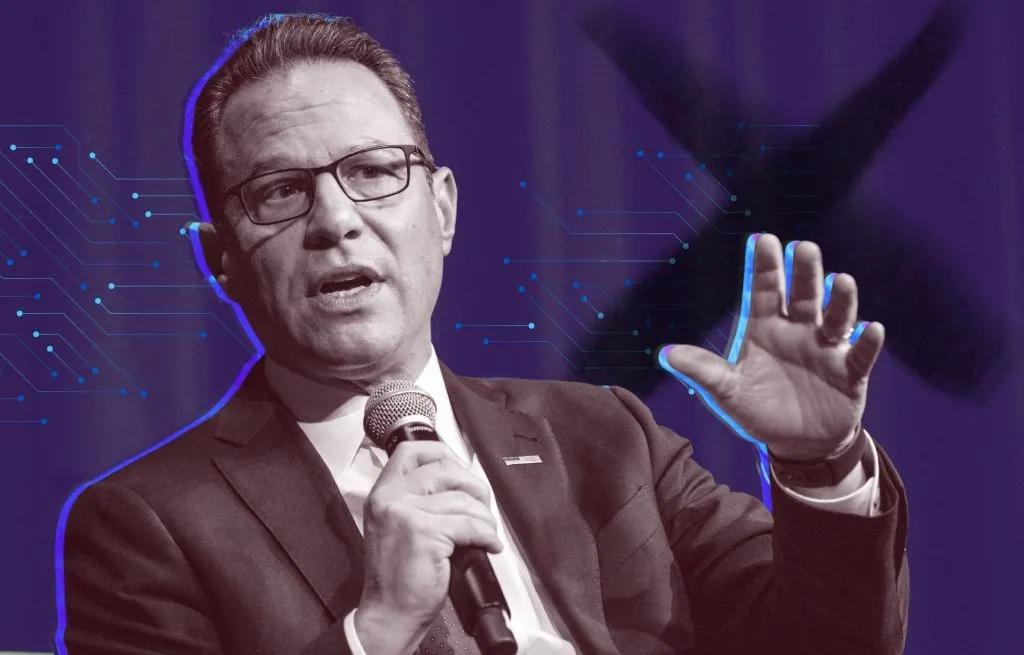
Pennsylvania is suing the maker of a mental-health chatbot that allegedly posed as a licensed psychiatrist while offering depression treatment. Gov. Josh Shapiro filed what he called a first-of-its-kind lawsuit after a Character.AI bot, “Emilie,” reportedly led users to believe they were receiving care from a qualified clinician. The state says the conduct could put vulnerable people at risk.
Top European tech leaders are calling for simpler, faster AI regulation, warning that the current framework is limiting innovation and growth. They argue Europe needs stronger industrial policy and easier merger approvals to help domestic companies scale. The push comes as rivals elsewhere move ahead with AI deployed in real-world products, making the timing feel urgent.
New court proceedings add fuel to Elon Musk and Sam Altman’s dispute over OpenAI’s push to become a for-profit entity. The filings allege that in 2017, Sam Altman gave Greg Brockman $10 million without informing Musk. The revelation raises questions about transparency inside the company’s early decision-making and its current legal battle.
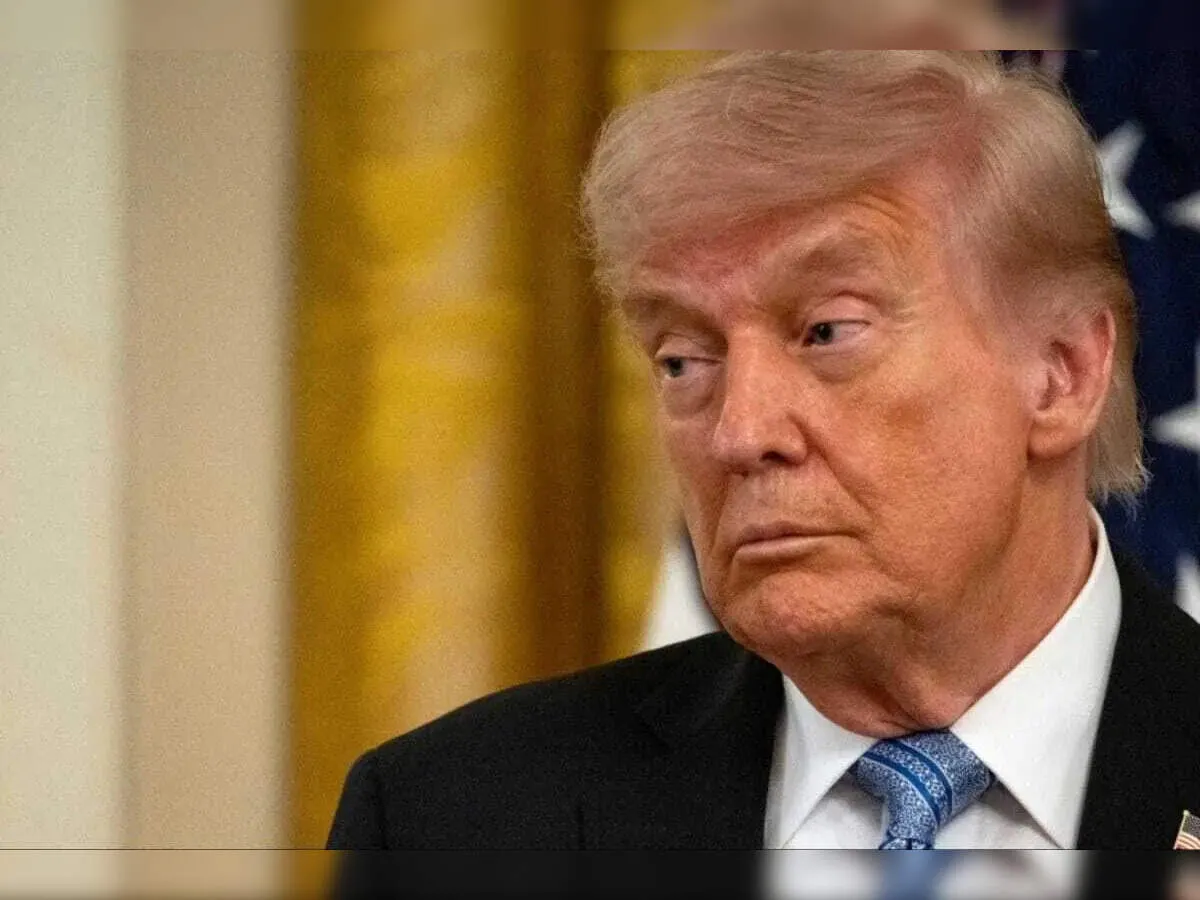
The Trump administration is reportedly considering a major shift: requiring US government oversight for AI models before they’re released to the public. Citing fallout from an AI-enabled cyberattack, officials are also assessing whether powerful models could support the Pentagon and intelligence agencies—moving from a hands-off stance to tighter control.
Reading on mobile?
Open Beige in the app for a smoother experience — free on iOS and Android.
The White House is reportedly considering an order requiring government executives to review AI models before they reach the public. The move would mark a notable shift from Donald Trump’s earlier approach, which rolled back Biden-era AI safety evaluations and argued regulation could hurt US competitiveness against China. Experts say the proposal could redefine how AI oversight works.
The US has raised fresh concerns about India’s high customs duties on IP-intensive goods and a proposed mandatory blanket license for AI developers using copyrighted works. India is still on the US “Priority Watch List” over weak IP protection, with fears including trade secret disclosure and patent revocations, especially affecting the pharmaceutical sector.
A new US Senate bill seeks to regulate AI chatbot companies by requiring “family accounts” that let parents review children’s chat logs and set time limits. Lawmakers from both parties say the move targets safety risks while preserving innovation. If introduced and passed, it could reshape how AI services handle minors’ accounts and parental oversight.
OpenAI CEO Sam Altman has invited Elon Musk to a private GPT-5.5 event in San Francisco on May 5, even as a legal dispute continues between them. Musk alleges OpenAI has drifted from its original non-profit mission since he co-founded it. The invitation follows OpenAI’s recent GPT-5 launch and adds fresh heat to an ongoing courtroom battle.
Follow your favourite sources
Track sources, tags and categories — all in the Beige app.
Elon Musk returned to the witness stand in his lawsuit against OpenAI, arguing the company abandoned its original mission by prioritizing profit. Musk testified that forming a for-profit structure “destroyed the foundation of charitable giving.” He is seeking $150 billion and wants OpenAI to revert to a nonprofit, including removing key leaders.
Elon Musk testified Tuesday, accusing Sam Altman and OpenAI of abandoning the company’s nonprofit mission. Musk claims OpenAI was pushed toward a profit-driven strategy aimed at outpacing major tech rivals, fundamentally changing its purpose. The courtroom fight could have wide effects across the AI industry, potentially compelling OpenAI to rethink its structure and operations.
Elon Musk and OpenAI CEO Sam Altman faced off in a California federal court in a blockbuster case that may force major changes to how ChatGPT is run. The hearing opens with sharp allegations and even the judge stepping in, ordering both parties to keep social media activity limited during the trial.
Elon Musk’s lawsuit against OpenAI, led by Sam Altman, is unfolding as a high-stakes fight over the company’s original nonprofit mission. The case leans on internal documents, including a cofounder’s diary. Musk alleges OpenAI abandoned its public-interest goals for profit—potentially affecting OpenAI’s IPO plans and how the world views AI leadership.
Stay informed on the go
Bite-sized news from 100+ trusted sources, right in your pocket.
AI companies are pouring money into lobbying efforts in both Europe and the United States while simultaneously courting the public with “AI for good” messaging. The coordinated push aims to influence emerging regulations as policymakers struggle to balance innovation with concerns over jobs, societal impacts, and how the technology should be governed.
A proposed AI Act is being scrutinized as Europe worries that AI and algorithmic decision-making are becoming embedded in welfare and social safety nets. Critics say these systems can quietly shape eligibility and access to support, undermining social and economic rights unless safeguards, transparency, and accountability are strong enough to protect people from errors and bias.
Swipe through stories, personalise your feed, and save articles for later — all on the app.