Cisco is drawing fresh investor optimism after reporting stronger-than-expected earnings and signaling rapid growth in AI infrastructure demand. The company is restructuring operations and stepping up investments across artificial intelligence, cybersecurity, and cloud infrastructure, aligning itself with a multi-year AI networking investment cycle analysts say could extend momentum.
Cisco’s stock surged about 17% after results beat expectations, with stronger revenue, profit, and forward guidance. Investors are also reacting to rising demand for the company’s AI infrastructure offerings. But Cisco simultaneously announced workforce reductions, signaling a pivot to long-term growth priorities—leaving the market to balance momentum against restructuring risk.
Your news, in seconds
Get the Beige app — every story in 60 words, updated hourly. Free on iOS & Android.
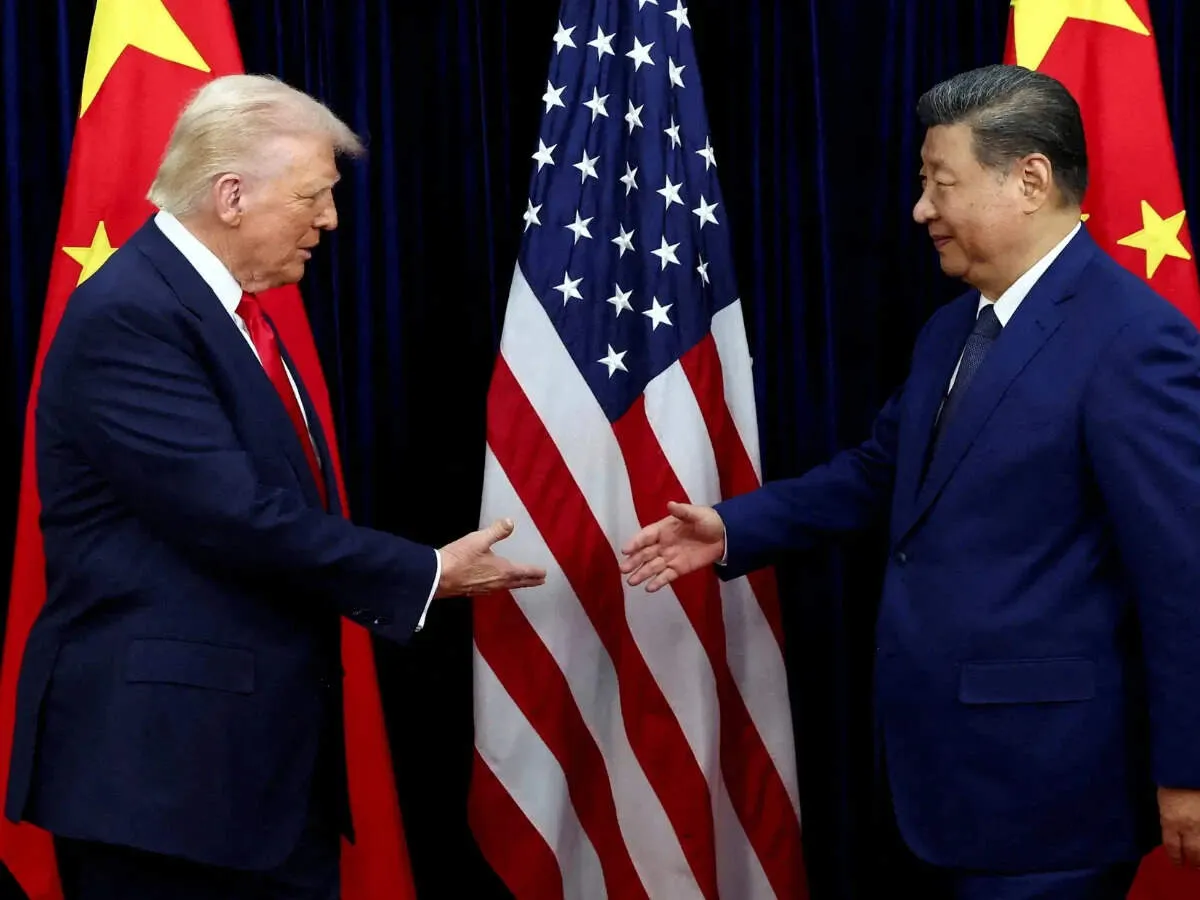
Xi Jinping hosts Donald Trump in Beijing as China projects economic strength powered by exports tied to AI infrastructure. Yet the editorial warns that global energy disruptions could derail future momentum. China runs a wide trade surplus but relies less on domestic consumption, while the US struggles with inflation linked to its trade deficit. Talks also point to progress on US farm exports.
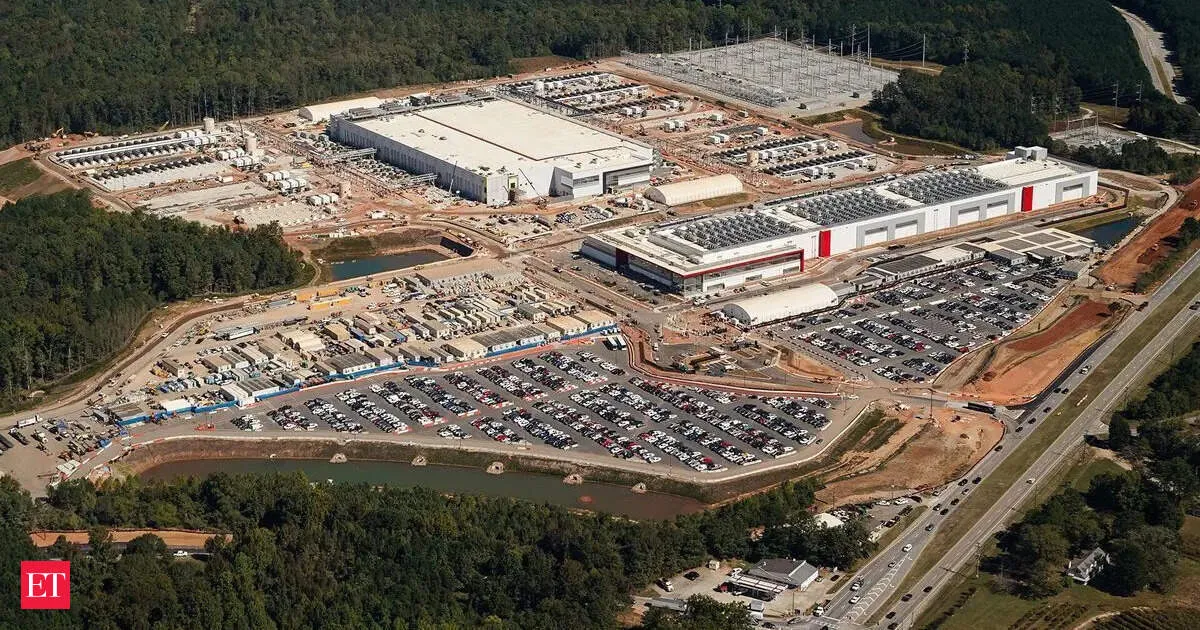
Investigators in drought-hit Georgia say a hyperscale AI data center drew nearly 30 million gallons of water without proper billing or reporting, sparking alarm as residents report falling water pressure. The case is now fueling broader questions across the US: whether the accelerating AI infrastructure boom is quietly reshaping local water resources beyond what the public can see.
Electric two wheeler makers are bracing for margin pressure and possible price hikes as raw material costs jump and supply chains stay disrupted. Geopolitical tensions are intensifying the hit on critical inputs like lithium ion cells. At the same time, rising global demand for AI infrastructure is tightening memory chip availability, leaving manufacturers scrambling and raising costs.
Gautam Adani has urged India to build, power, and own its own AI infrastructure on home soil, arguing the country should not “rent” its intelligence future. He links AI ambitions to energy and digital capacity, saying India’s scale is a powerful advantage. Adani Group, he notes, is already investing in energy transition and digital infrastructure.
Never miss a story
Set alerts for the topics and sources you care about. Download Beige for free.
Enterprises chasing the “GPU scramble” now face a harsh reality: enterprise average utilization is stuck near 5%, leaving GPUs as depreciating, idle CapEx. Gartner projects $401B in new AI infrastructure spending, but a shift is underway toward inference-first economics, tighter TCO, and governance that trusts the data powering agentic systems.
Google is reportedly exploring major investments in India, with a focus on AI infrastructure. The company is also considering local manufacturing of servers and drones as part of its broader AI capital push, following CEO Sundar Pichai’s announcement of large global capex directed toward AI infrastructure. The move could expand India’s tech and hardware footprint.
Nvidia plans to invest up to $2.1 billion in data center operator IREN to deploy 5 gigawatts of AI infrastructure, targeting soaring demand for computing power. The deal is designed to speed up “AI factory” deployments by pairing Nvidia’s architecture with IREN’s operations, with additional emphasis expected on IREN’s Texas campus.
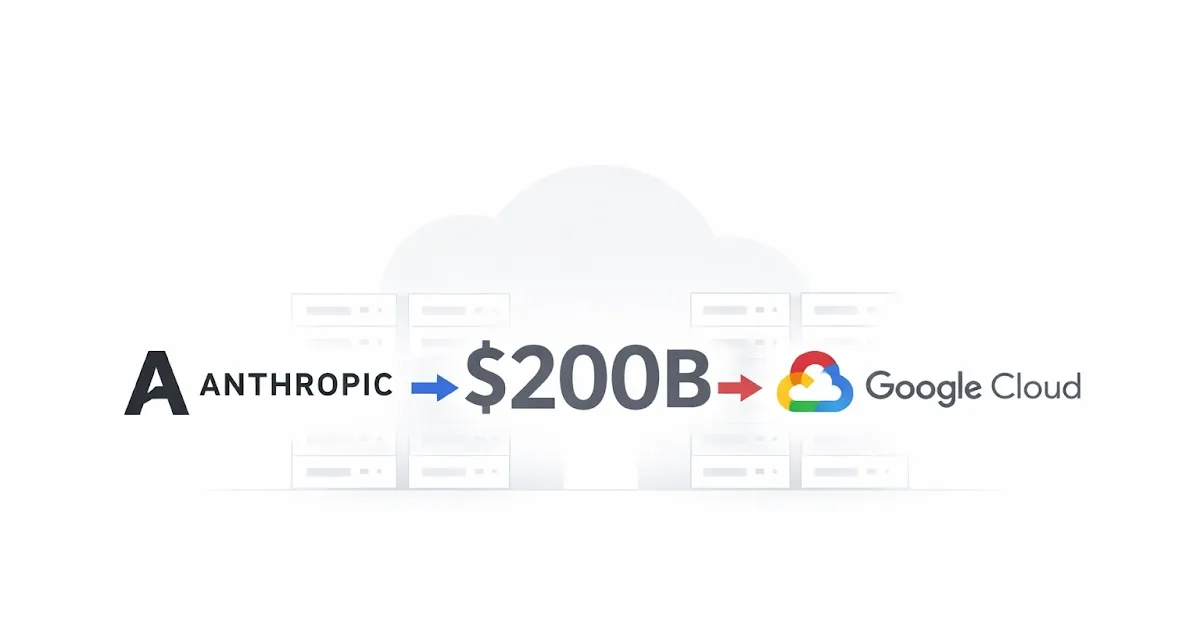
Anthropic has agreed to spend $200 billion with Google Cloud over five years, securing custom TPU capacity and tying itself to one of the biggest AI infrastructure contracts on record. The deal represents more than 40% of Google Cloud’s disclosed revenue backlog, lifts Alphabet shares, and signals the growing shift toward agentic AI systems that need massive compute to scale.
Reading on mobile?
Open Beige in the app for a smoother experience — free on iOS and Android.
India’s data centre buildout is surging fast, backed by hyperscalers and government support, with AI-ready capacity growing alongside major investments. But the “hidden cost of compute” is resource strain: data centres already consume significant electricity and massive water, while power and cooling trade-offs lock in impacts for decades. Meanwhile, much demand is still anchored by global players, raising questions about who truly captures the value.
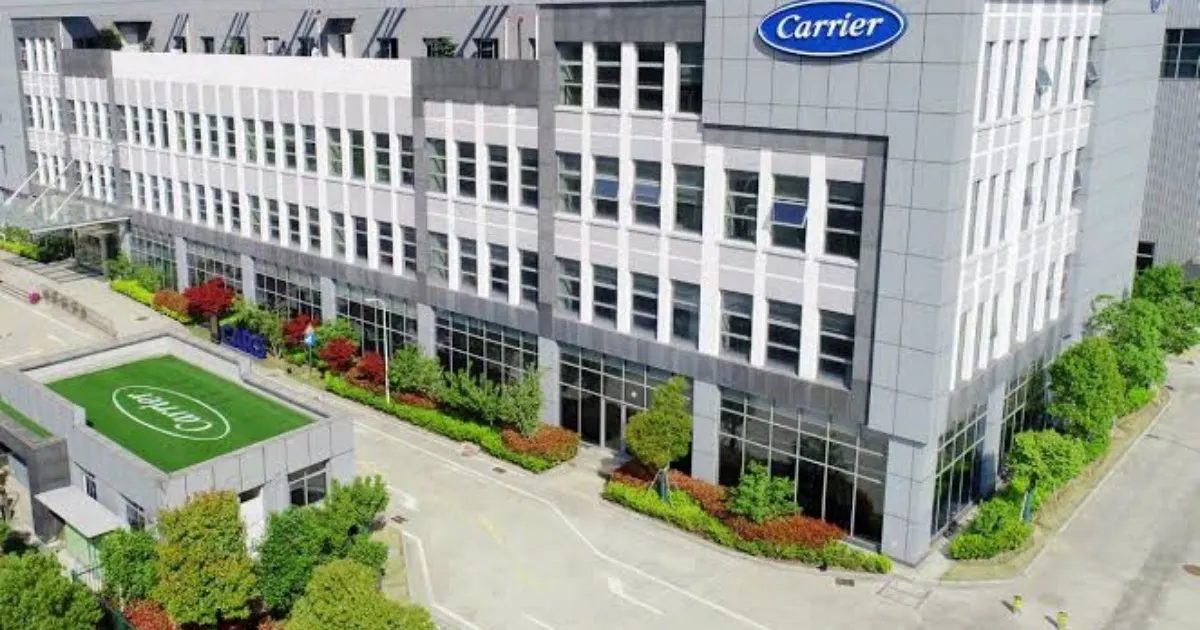
Carrier is set to break ground on a ₹1,000 crore advanced chiller manufacturing facility in Sri City, as Andhra Pradesh pushes beyond hosting data centers to building the manufacturing ecosystem that powers them. The move rides a wave of major AI and hyperscale investments in Visakhapatnam, with the state aiming to scale cooling, power, and component supply locally.
AI startup Anthropic plans to spend $200 billion with Google Cloud over five years, a move expected to sharply expand Google’s revenue backlog. The company is also lining up computing capacity from Broadcom and Amazon, while Google ramps up investment to deepen its partnership with Anthropic as the AI infrastructure race intensifies.
Cloud companies are riding the AI surge with rapidly rising spending on AI infrastructure, including billions pledged for upcoming years. At the same time, AI chip competition is intensifying, even as Nvidia’s valuation climbs. New entrants are challenging the status quo, signaling a shifting technology landscape for data handling, compute, and long-term investment priorities.
Follow your favourite sources
Track sources, tags and categories — all in the Beige app.
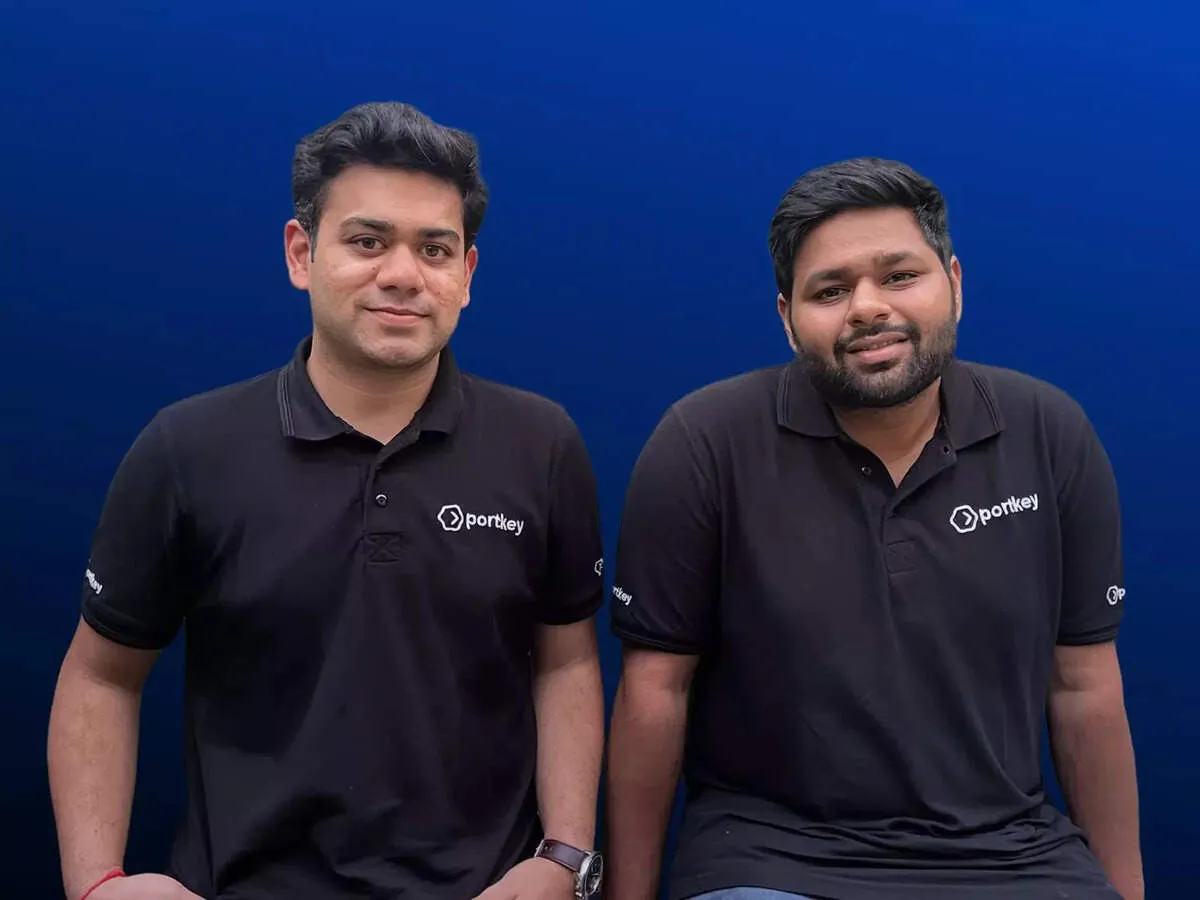
Palo Alto Networks will acquire Portkey, an AI infrastructure startup backed by Elevation Capital, to strengthen defenses for autonomous AI systems. The deal is designed to give enterprises a centralized control plane to manage and secure AI agents. The acquisition is expected to close in Palo Alto Networks’ fourth quarter of fiscal 2026, pending regulatory approvals.
Runpod has launched Runpod Flash, an MIT-licensed Python tool aiming to eliminate Docker and container bottlenecks in serverless GPU development. By building Linux artifacts from local Macs and mounting dependencies at runtime, it targets faster iteration and fewer cold starts. Flash also supports production patterns, persistent storage, and agent skills for tools like Claude Code and Cursor.
A new report says many enterprises are running GPU fleets at only about 5% utilization, not due to poor software alone, but because procurement fear traps them. Shortages push companies onto costly reserved allocations, then makes releasing idle GPUs feel impossible. At the same time, AI workloads stay GPU-idle inside containers, compounding waste as frontier chip pricing rises.
Definity says it is rethinking data pipeline reliability for agentic AI by embedding “in-execution” agents directly into Spark or DBT runs. Instead of alerting after jobs fail, the agents capture real-time execution context and can intervene mid-run—stopping downstream pipelines before stale or bad data spreads. The company also announced a $12 million Series A.
Stay informed on the go
Bite-sized news from 100+ trusted sources, right in your pocket.
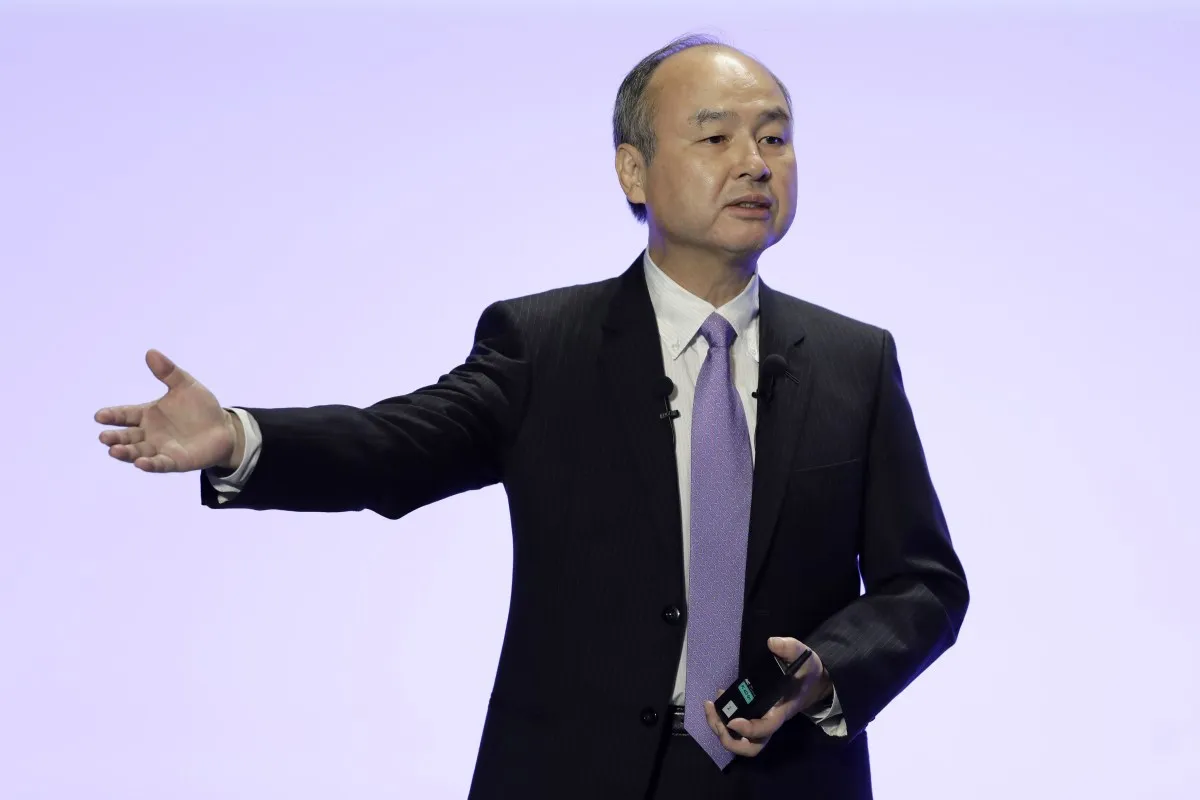
SoftBank is reportedly setting up a robotics company focused on building data centers, arguing that AI and robots are needed both to develop advanced infrastructure and to construct it at scale. The company is also said to be exploring the possibility of an enormous $100 billion IPO, turning a self-reinforcing supply chain vision into a high-stakes market bet.
Indian AI founders often succeed abroad, but Bharat1.ai is betting on a physical “base camp” in Bengaluru. Backed by NVIDIA and local research and academic partners, the startup has built a 500,000 sq ft AI Superpark with 400 GBps connectivity and plans a 70-acre AI city focused on agentic and physical AI validation.
Swipe through stories, personalise your feed, and save articles for later — all on the app.